


ChargerHelp Report Finds EV Charger Recovery Delays Can Stretch Beyond a Month
An analysis of approximately 500 million data points found charging issues requiring multiple work orders took a median of 32 days to resolve, highlighting the operational impact of diagnostics and repair coordination.

ChargerHelp’s 2026 EV Charging Reliability Report found that diagnostic work before technician dispatch and avoiding repeat repair visits can play a significant role in reducing EV charger downtime.
ChargerHelp
- ChargerHelp's report reveals that resolving charging issues often extends beyond a month, with a median time of 32 days.
- The study analyzed approximately 500 million data points to assess operational challenges in EV charger maintenance.
- Delays are attributed to the complexities involved in diagnostics and coordinating necessary repairs.
*Summarized by AI
As commercial fleets become more dependent on electric vehicle charging, getting an out-of-service charger back online can be as important as deploying the infrastructure in the first place, according to ChargerHelp’s 2026 EV Charging Reliability Report.
The company’s fourth annual report analyzes approximately 500 million data points, up from about 19 million in its previous analysis, to examine the factors affecting charger reliability and recovery.
One of the findings with particular implications for fleets is the difference between straightforward and more complicated repairs. Charging issues resolved with a single work order took a median of seven days, while those requiring multiple work orders took a median of 32 days.
For fleets that depend on charging to complete daily routes, extended outages can affect vehicle availability and operations.
Why Charger Downtime Starts Before the Technician Arrives
ChargerHelp’s analysis found that some of the longest delays occur before or between physical repairs rather than during the technician’s work at the charging site.
For common issues requiring one field visit, about half of the total recovery time occurred before a technician was dispatched.
“That pre-dispatch window is where the entire trajectory of an outage is set,” said said Kameale Terry, CEO of ChargerHelp. “Right now, most of that time is swallowed up by diagnostic friction—trying to determine what failed, attempting to access backend logs, verifying whether remote resets will work, and coordinating which vendor actually owns the problem.”
According to ChargerHelp, addressing those issues before dispatch can improve the chances that a technician arrives prepared to complete the repair.
“The biggest opportunity to collapse downtime happens right here, before anyone ever turns a key in a service truck. When teams have real-time diagnostic telemetry and direct backend permissions, they can perform root-cause scoping remotely,” Terry said. “Instead of sending a technician to a site blindly to ‘figure out what’s wrong,’ we use data to diagnose the issue upfront, pre-stage the necessary parts, and ensure the technician arrives with the exact tools and permissions required to complete the repair on trip one.”
The report also identified partner coordination, administrative processes and supply-chain constraints as factors that can extend charger recovery times.
“Reducing MTTR isn't just about dispatching technicians faster,” said Terry. “These are connected assets, and getting someone on site in two hours does not mean the problem is solved. Without the right data, permissions, manufacturer support or parts, a charger can still be down for days.”
Why Repeat Repair Visits Can Extend Outages
The difference between a single successful repair and a problem requiring multiple visits can be significant. ChargerHelp found that issues requiring multiple work orders took a median of 32 days to resolve, compared with seven days for those completed in one visit.
“The first visit usually fails because the technician was dispatched without sufficient diagnostic context, lacked access to required software platforms, or discovered on-site that an unexpected replacement part or vendor escalation was needed,” Terry said.
The company said the data demonstrates the operational consequences of those repeat visits.
“Our data shows just how punishing these repeat visits are to network availability. Outages requiring multiple work orders take a median of 32 days to resolve, compared to just 7 days for a single-visit fix.”
For fleets and charging providers, ChargerHelp said improving first-time repair rates requires doing more diagnostic work before sending a technician into the field.
“Improving first-time fix rates requires moving away from trial-and-error dispatching. Charging providers and fleets must enforce pre-dispatch diagnostic qualification—using remote telemetry to identify root causes, ensuring cross-vendor system access, and pre-coordinating supply chain logistics before a technician is ever deployed.”
Aging Chargers Add Another Consideration
Maintenance planning could become increasingly important as the installed charging network ages.
According to the report, 37.6% of U.S. charging ports are at least three years old, while charger warranties typically last two to five years.
For fleet operators, ChargerHelp recommends looking beyond the initial hardware deployment and considering how charging equipment will be supported throughout its lifecycle. That includes access to diagnostic data, manufacturer support, replacement-parts planning and clearly defined responsibilities among the organizations involved in operating and servicing the equipment.
The report also points to shared operational data, real-time diagnostics, intelligent dispatch and coordinated service-level agreements as ways organizations can reduce mean time to repair.
“For the next wave of drivers and fleet operators, reliability is no longer just a metric but a requirement,” said Gil Tal, director of the Electric Vehicle Research Center at the Institute of Transportation Studies at UC Davis. “This report reveals that recovery is a coordination problem, not a repair problem.”
For commercial fleets, the findings shift the charging reliability conversation from simply asking whether equipment is operational to how quickly a failed charger can be diagnosed, repaired and returned to service — and whether the right information, parts and permissions are in place before a technician is dispatched.
More Charging
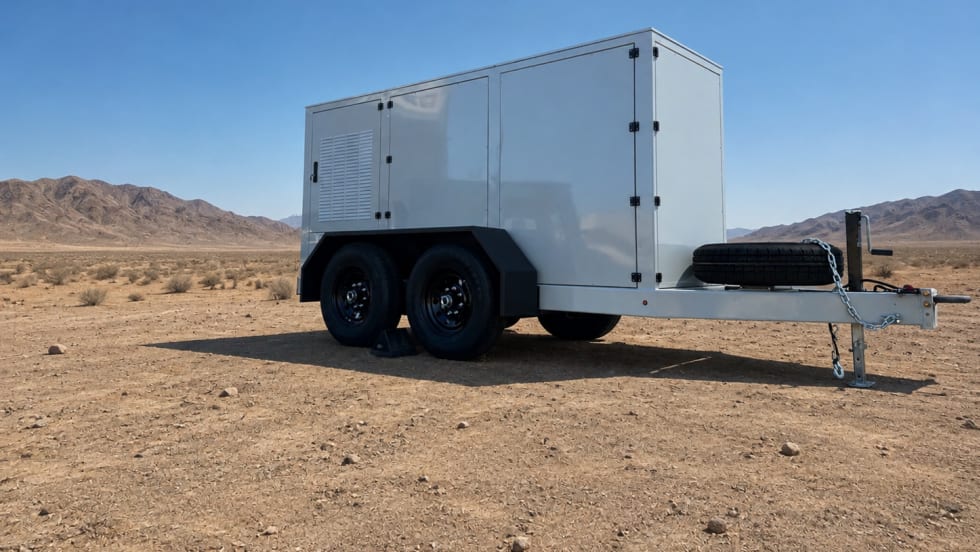
Xos Mobile Charging Hub Surpasses 1 GWh of Energy Delivered
As fleets electrify, charging capacity does not always arrive on the same timeline as the vehicles. Operating data from one Xos Hub shows how mobile, grid-independent charging can support vehicles when permanent infrastructure or utility upgrades aren't available.
Read More →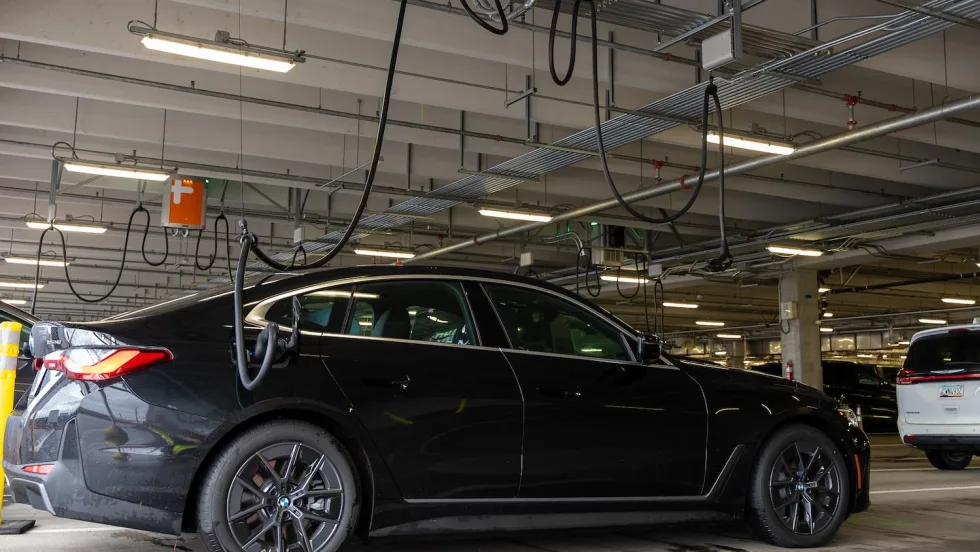
ChargePoint Adds Overhead EV Fast Charging at Portland International Airport
The installation can charge up to 20 rental vehicles simultaneously and uses overhead equipment to preserve ground-level space at the airport's Quick Turnaround Facility.
Read More →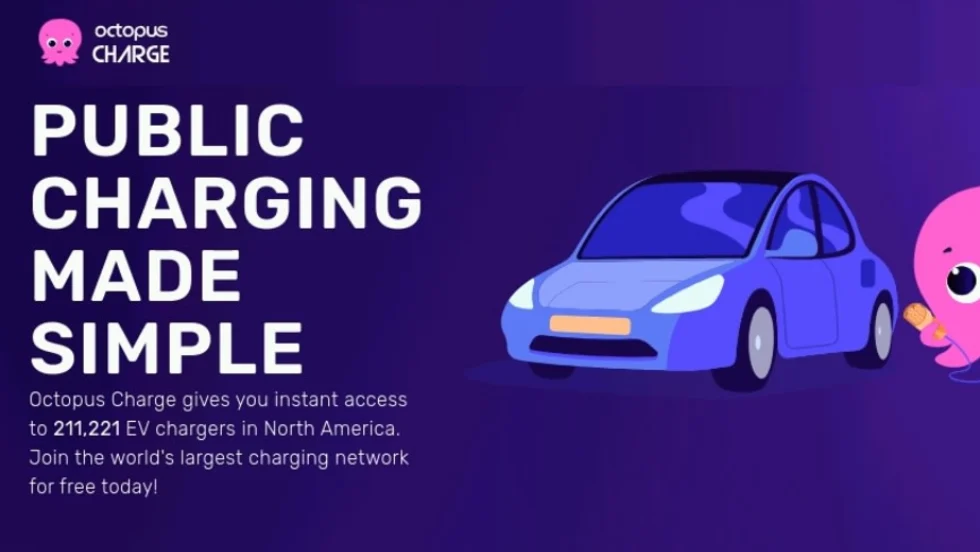
Octopus Energy Launches Public EV Charging App in U.S.
Octopus Charge allows EV drivers to locate and access public charging stations through a single app, building on the company's Electroverse platform in Europe.
Read More →
Schneider Electric Launches Level 2 Home EV Charger With Integrated Load Management
Schneider Charge uses integrated SmartAmp technology to adjust charging output based on household electrical demand and is available with NACS or J1772 connectors.
Read More →
Why EV Charging Reliability Is More Complicated Than It Looks
GridLink CEO Josh Silets explains what causes EV chargers to fail, why fleet operators often struggle to identify the source, and what questions they should ask charging vendors.
Read More →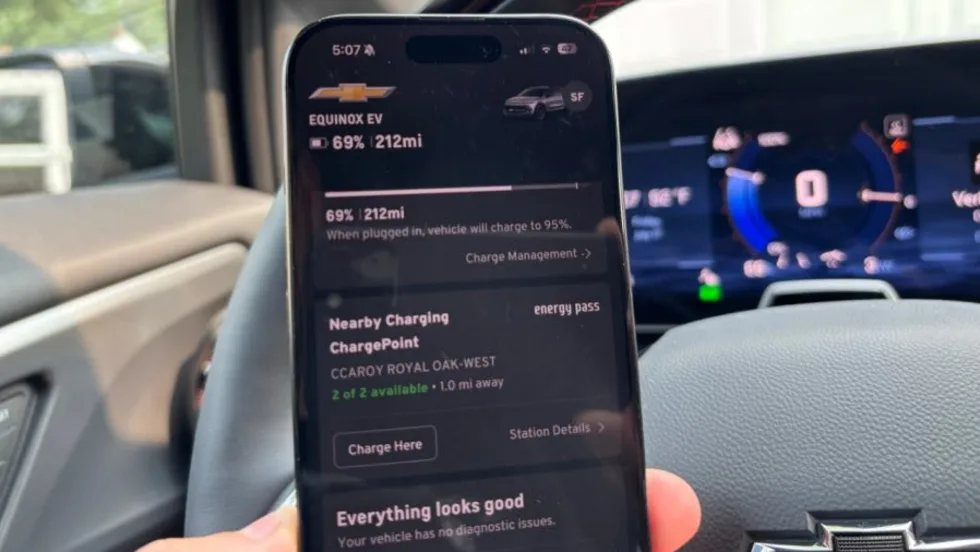
GM Adds ChargePoint Network to Energy Pass Platform
The integration gives GM EV drivers access to additional DC fast chargers and Level 2 stations through a single app while expanding the automaker's public charging ecosystem.
Read More →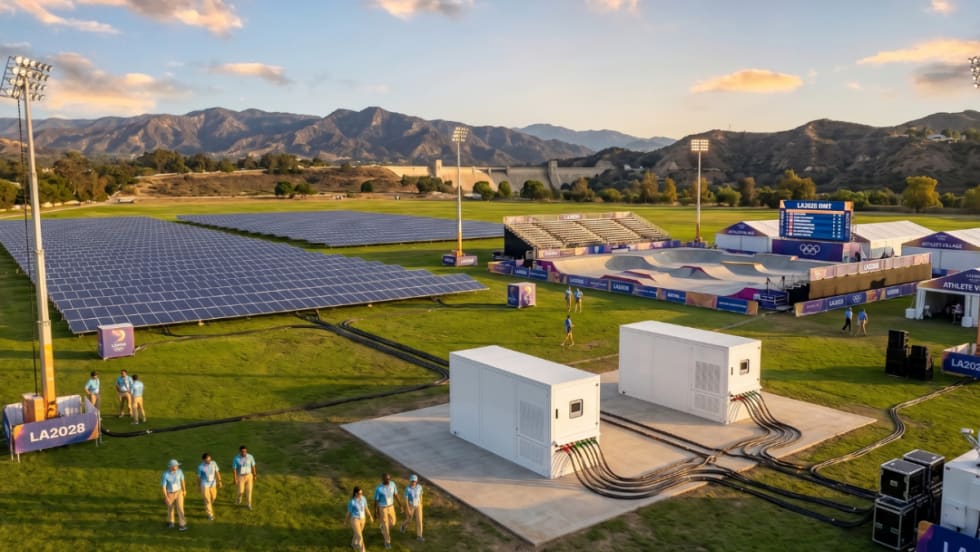
Xos White Paper Asserts LA Olympics Will Lack Enough EV Chargers
The commercial EV fleet company recommends some faster and more flexible remedies to relieve the anticipated shortfall.
Read More →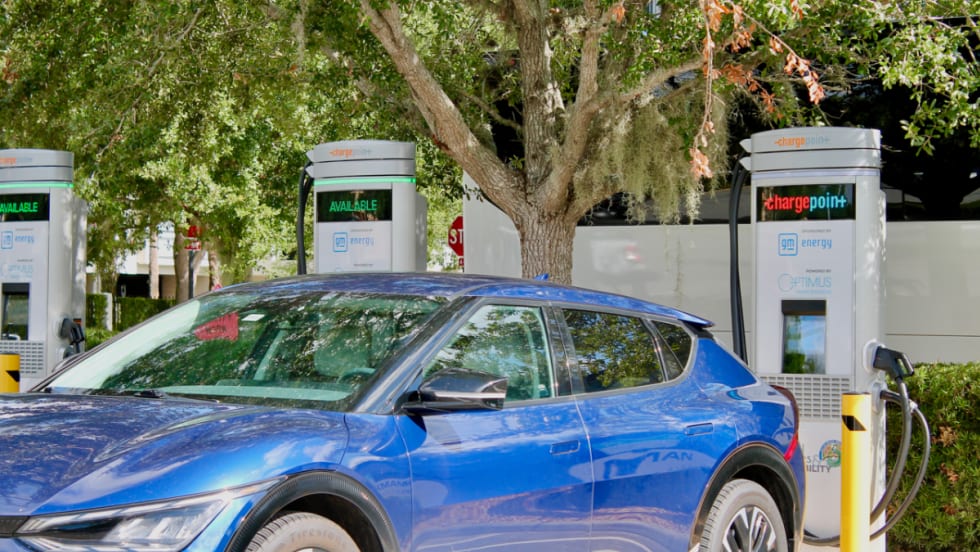
ChargePoint, Optimus Expand Fast-Charging Network Across Southeastern U.S.
ChargePoint will serve as the exclusive solutions provider, delivering hardware, software, and services to support Optimus’ growing charging network.
Read More →
Running A Profitable Electric Rental Fleet
How do you successfully operate an all-electric rental car fleet? Whether you manage a rental fleet or another commercial fleet, this conversation offers practical lessons on deploying, operating, and scaling electric vehicles.
Read More →
Why Charging May Never Be As Easy As Filling Up Gas
A seamless charge depends on a string of independent companies getting it right together, every time. How can electric fleets navigate the challenges to create a successful charging plan?
Read More →