


Keep Learning: How EV-as-a-Service Is Moving Fleets Beyond Pilots

A failed EV charger can disrupt routes, delay vehicles, and create unexpected costs. Here's how fleets can troubleshoot problems, arrange backup charging, and minimize downtime.
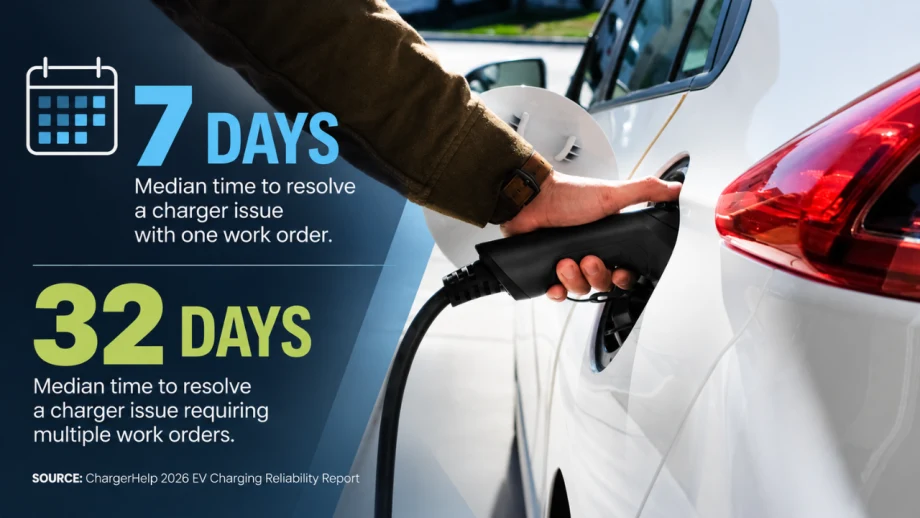
EV charger repairs can take longer than expected. ChargerHelp's 2026 EV Charging Reliability Report found a median resolution time of seven days for issues requiring one work order, compared with 32 days for those requiring multiple work orders.
Charged Fleet
*Summarized by AI
An electric vehicle can be ready for its next assignment, but if the charger it depends on isn't working, that vehicle may not be going anywhere.
For fleets running electric vehicles (EVs), keeping the chargers working is just as important as keeping the vehicles maintained. When a charger goes down, it can throw off routes, force last-minute vehicle swaps, and leave fleet managers figuring out how to get everything charged before the next shift.
When a charger stops working, the problem isn't always the charger itself. It could be a communication issue between the vehicle and charger, a network connection problem, a damaged connector, or an electrical fault.
These initial checks can help maintenance providers narrow down the problem before dispatching a technician.
Fleet personnel should not open charging equipment, bypass safety systems, or attempt electrical repairs unless they are appropriately qualified and authorized. Equipment showing signs of damage, overheating, or other electrical hazards should be taken out of service and referred to qualified personnel.
According to ChargerHelp's 2026 EV Charging Reliability Report, charging issues resolved with a single work order took a median of seven days to resolve. Problems requiring multiple work orders took a median of 32 days.
The report analyzed approximately 547 million charger data points and 217,000 records covering chargers, sites, work orders, and service issues across a range of charging operations, not just fleet depots. While the findings aren't specific to commercial fleets, they show how quickly repair delays can add up when multiple service visits are needed. Charged Fleet previously reported on the findings.
Reporting a broken charger is one thing. Getting someone out to fix it can be a whole different headache.
Depending on the problem, a fleet might need to work with the charger manufacturer, charging network, installer, electrical contractor, or even the utility. And figuring out who actually owns the problem can eat up valuable time before anyone even starts working on a fix.
Before something breaks, make sure your team knows who to call first, who can troubleshoot remotely, and when to bring in a technician. Someone should also be responsible for following up until the charger is actually working again.
If a charger is covered by a service agreement, review whether that agreement guarantees an initial response, an on-site visit, or actual restoration of service. Those are not necessarily the same thing.
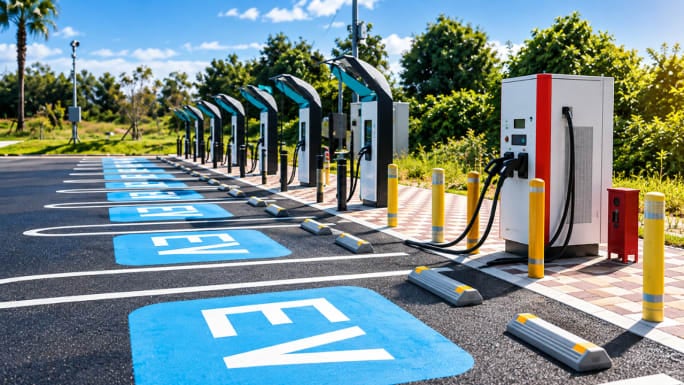
When charging equipment goes down, fleet managers may need to adjust charging schedules, find alternate charging locations, or reassign vehicles to keep daily operations on track.
Charged Fleet
For a fleet with multiple chargers, losing one charging port may be manageable. For a small depot with only one or two chargers, the same failure could create an immediate scheduling problem.
Know how many vehicles still need to charge, how much energy they need, and whether your remaining chargers can handle the workload.
Depending on the operation, possible alternatives include:
Public charging may be an option for some light-duty vehicles, but it isn't always practical for commercial operations. Larger trucks and vans may face access limitations, and charging away from the depot can add travel time and labor costs.
Your backup plan should also identify who has authority to change vehicle assignments, approve off-site charging, and communicate schedule changes to drivers.
A charger being out of service doesn't automatically mean every vehicle assigned to it is unavailable. The operational impact depends on how much battery charge those vehicles already have, when they're needed next, and whether another charging option exists.
Consider a depot with 10 electric vehicles and five dual-port chargers, each capable of charging two vehicles at once. If one charger goes offline, the depot loses two charging ports, leaving eight available.
That doesn't necessarily mean two vehicles will miss their next assignments. However, the fleet may need to change its charging schedule to accommodate the same number of vehicles with fewer available ports.
Things get trickier when vehicles return at different times, some need more charging than others, and the next shift is already approaching. To get a better handle on how charger problems are affecting your operation, track:
The U.S. Department of Energy's Alternative Fuels Data Center recommends tracking charger uptime and utilization. For fleets, it's worth keeping an eye on how often charging problems actually affect vehicle schedules, not just how often a charger goes down.
Whether you own your charging equipment or use a managed charging service, it's important to know who's responsible when something breaks. Depending on your setup, repairs may fall to the equipment manufacturer, installer, network provider, or maintenance contractor.
The Department of Energy recommends establishing responsibility for maintenance costs and determining whether the site host, charging network, or installer is responsible for service.
Fleet managers should review their contracts to answer several questions:
The answers should be documented and accessible to the people managing daily fleet operations. Make sure you also review whether maintenance agreements include measurable uptime requirements and procedures for recurring failures.
When planning new charging installations, think beyond how many vehicles you need to charge today. Can the depot still keep up if one charger goes down? How quickly can equipment be repaired, and are replacement parts and qualified technicians available?
The Joint Office of Energy and Transportation offers resources on reliable EV charging that can help fleets evaluate their infrastructure needs.
Don't overlook basic charger maintenance, either. Regular inspections, proper cable storage, cleaning, and following the manufacturer's maintenance recommendations can help catch problems before a charger goes down.
And don't forget to plan for growth. A depot that can handle one charger being offline today may not have that same flexibility once more EVs enter service.
You can't prevent every charger failure, but one broken charger shouldn't throw off an entire day's work. Know who to call, have a backup plan, and make sure your team isn't trying to figure it all out when trucks are supposed to be heading out the door.
A failed EV charger can disrupt routes, delay vehicles, and incur unexpected costs, affecting the overall efficiency and scheduling of fleet operations.
*Summarized by AI
Loading data...

Charging
A failed EV charger can disrupt routes, delay vehicles, and create unexpected costs. Here's how fleets can troubleshoot problems, arrange backup charging, and minimize downtime.
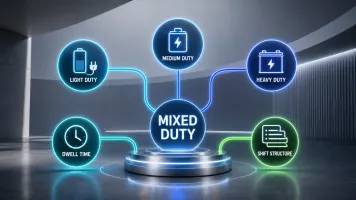
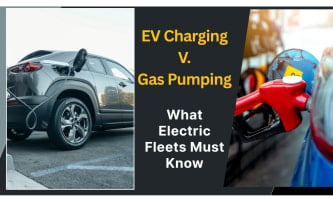
Fleet operators who manage a mix of light-, medium-, and heavy-duty vehicles can’t treat charging as an add-on to fueling. Here’s how to develop a specific strategy.
Charging
A seamless charge depends on a string of independent companies getting it right together, every time. How can electric fleets navigate the challenges to create a successful charging plan?
Charging
Getting boots on the ground quickly is not enough. Fleets must now master charging management, one of the newest capabilities, the most critical of all the new skills the transition to EVs demands.
Charging
As more fleets transition to EVs, those that embed telematics deeply into their workflows will expand deployments with fewer surprises and more predictable economics.
Charging
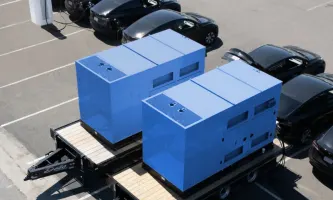
Off-grid charging assets have proven to be much more than stopgaps. Fleets can use those tools to hedge against grid delays, capacity bottlenecks, and other uncertainties.
Charging
Here's why the EV transition stopped being centered on ideology and started focusing on operational benchmarks.
Electric Vehicles
Follow these three concepts to get the most value when cycling out your electric fleet vehicles.
Operations
Successful electrification means reimagining fleet operations by building a system in which every vehicle is optimized for its role.