


Honda Develops In-Motion Wireless EV Charging Technology for Commercial Vehicles
Honda, Taisei and Taisei Rotec are developing a road-embedded wireless charging system capable of transferring up to 150 kW, with public-road testing planned in Japan beginning in fiscal 2027.

Honda is developing road-embedded wireless charging technology that could supply power to commercial EVs while they are moving, with testing planned at power levels of up to 150 kW and public-road demonstrations beginning in Japan in fiscal 2027.
Charged Fleet
- Honda is collaborating with Taisei and Taisei Rotec to create a road-embedded wireless charging system for electric vehicles.
- The innovative charging technology aims to deliver up to 150 kW of power to commercial vehicles.
- Public-road testing of this system is scheduled to begin in Japan by fiscal year 2027.
*Summarized by AI
Honda R&D, Taisei Corporation and Taisei Rotec Corporation have developed underlying technology for a wireless power transfer road system that can supply electricity to EVs while they are moving.
The companies are initially targeting logistics and transportation applications, including large commercial EVs, where charging time and vehicle utilization can present challenges for fleet operators. Public-road demonstration testing is planned in Japan beginning in fiscal 2027, which starts April 1, 2027.
Honda has been developing dynamic wireless power transfer, or DWPT, technology since 2021. The concept uses transmitter units embedded in the roadway and a receiver installed on the vehicle to transfer electricity without requiring the vehicle to stop and plug into a charger.
How In-Motion Charging Works
The system consists of three primary components: a ground-based DC power supply, multiple power transmitter units embedded in the roadway and a receiver installed on the vehicle.
Honda is responsible for developing the road-embedded transmitter system and vehicle receiver. Taisei is developing the DC power supply system, while Taisei Rotec is developing construction methods for installing the equipment in roadways.
The companies have been conducting research together since 2025 and have tested the technology on a dedicated roadway at Taisei Group's T-FIELD/SATTE facility.
For commercial applications, the system must be able to withstand repeated traffic from large vehicles while transferring significant amounts of power to vehicles traveling at speed.
Testing has included pavement structures designed to accommodate vehicles with a gross vehicle weight of approximately 20 tons. The transmitter units are also designed so they can be milled and embedded into existing pavement, potentially allowing the technology to be installed during road construction or resurfacing. Honda Global
Testing Up to 150 kW for Commercial EVs
Beginning in late 2026, Honda and its partners plan to construct another test roadway at T-FIELD/TAMRA.
Testing there will include a durability evaluation equivalent to 1 million wheel loads, wireless power transfer performance testing and evaluations of measures intended to limit electromagnetic field leakage.
The companies also plan to verify the system at power levels of up to 150 kW for potential use with large commercial vehicles, along with testing wireless power transfer performance for vehicles traveling at higher speeds.
The technology will then move onto public roads through the Tateyama Project, a demonstration led by East Nippon Expressway Company on the Tateyama Expressway in Chiba, Japan. Testing is scheduled to begin in fiscal 2027.
Honda said it intends to initially pursue practical applications of the technology in logistics and transportation, where supplying power while vehicles are operating could reduce reliance on stationary charging and support vehicles with high utilization and longer routes.
More Charging
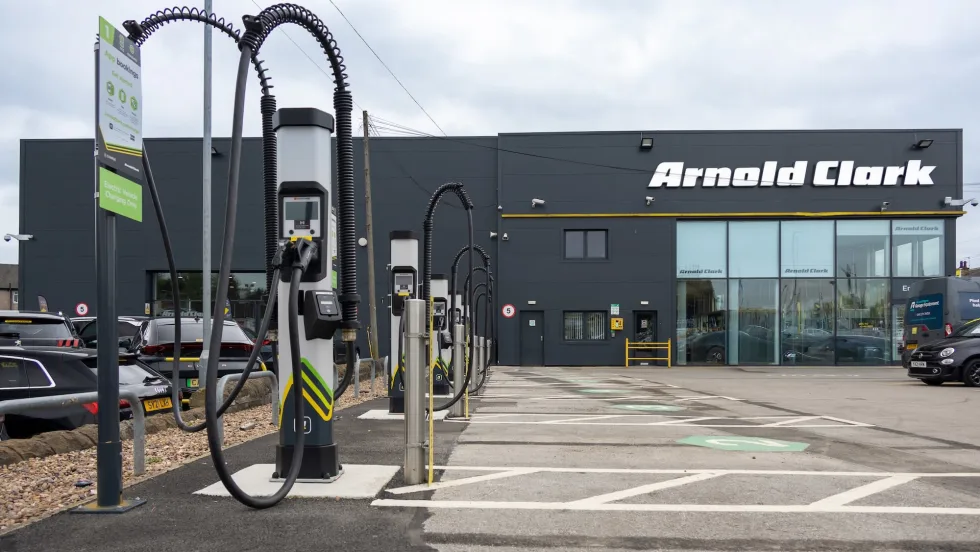
Arnold Clark Charge Opens Six Ultra-Rapid EV Chargers in Huddersfield
The new public charging site brings the Arnold Clark Charge network to 63 locations across the U.K., with charging priced at 55 pence per kWh.
Read More →
ChargerHelp Report Finds EV Charger Recovery Delays Can Stretch Beyond a Month
An analysis of approximately 500 million data points found charging issues requiring multiple work orders took a median of 32 days to resolve, highlighting the operational impact of diagnostics and repair coordination.
Read More →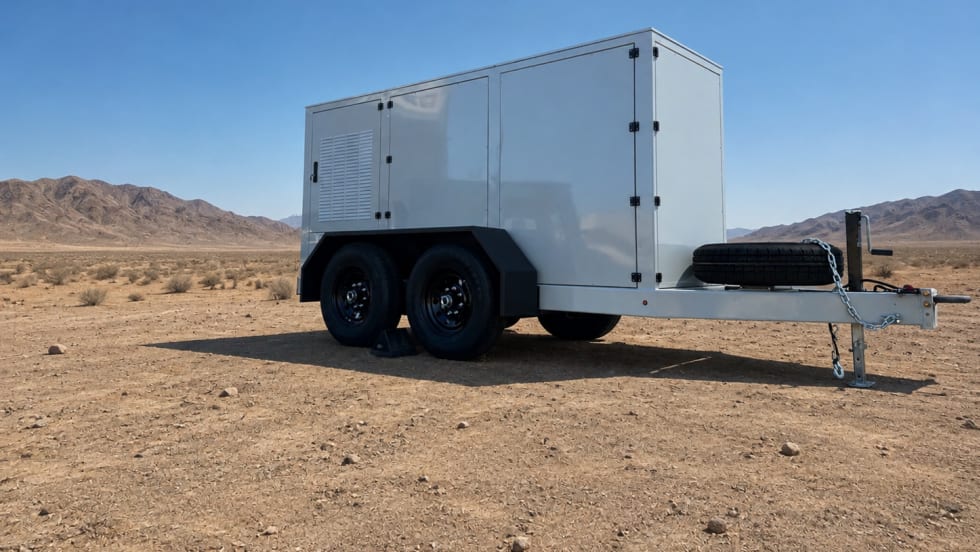
Xos Mobile Charging Hub Surpasses 1 GWh of Energy Delivered
As fleets electrify, charging capacity does not always arrive on the same timeline as the vehicles. Operating data from one Xos Hub shows how mobile, grid-independent charging can support vehicles when permanent infrastructure or utility upgrades aren't available.
Read More →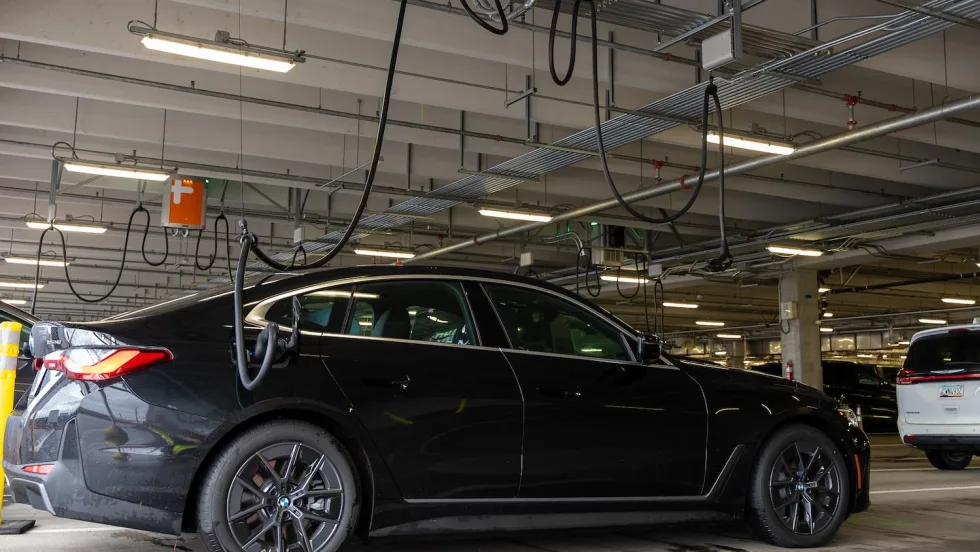
ChargePoint Adds Overhead EV Fast Charging at Portland International Airport
The installation can charge up to 20 rental vehicles simultaneously and uses overhead equipment to preserve ground-level space at the airport's Quick Turnaround Facility.
Read More →
Octopus Energy Launches Public EV Charging App in U.S.
Octopus Charge allows EV drivers to locate and access public charging stations through a single app, building on the company's Electroverse platform in Europe.
Read More →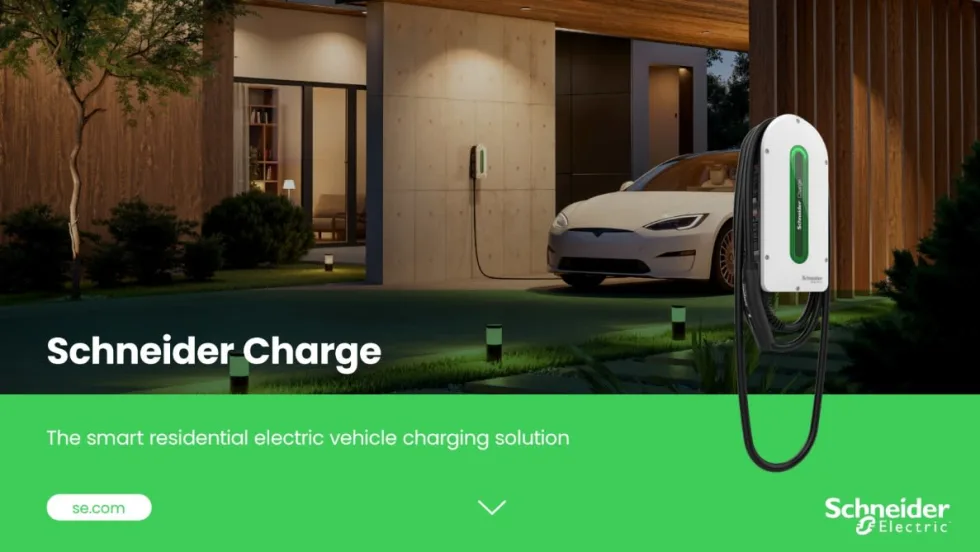
Schneider Electric Launches Level 2 Home EV Charger With Integrated Load Management
Schneider Charge uses integrated SmartAmp technology to adjust charging output based on household electrical demand and is available with NACS or J1772 connectors.
Read More →
Why EV Charging Reliability Is More Complicated Than It Looks
GridLink CEO Josh Silets explains what causes EV chargers to fail, why fleet operators often struggle to identify the source, and what questions they should ask charging vendors.
Read More →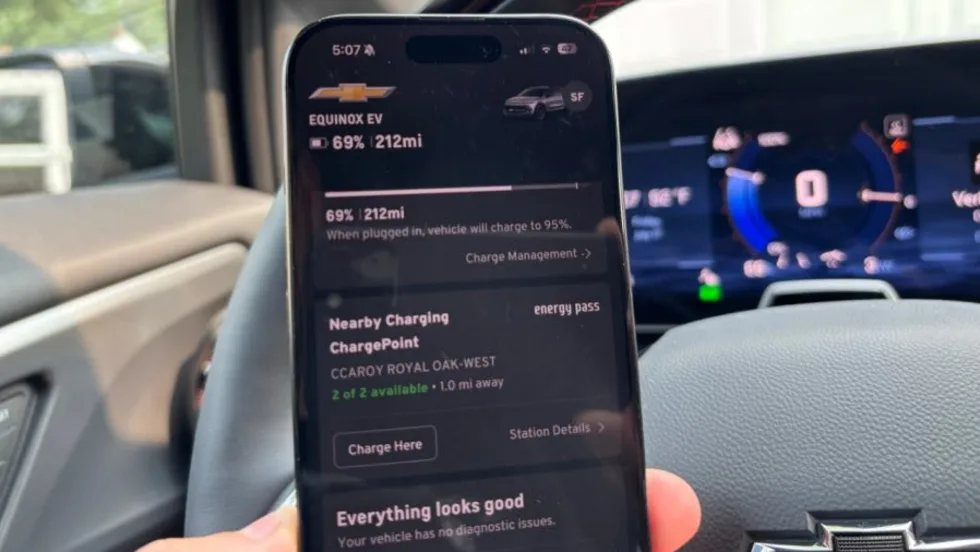
GM Adds ChargePoint Network to Energy Pass Platform
The integration gives GM EV drivers access to additional DC fast chargers and Level 2 stations through a single app while expanding the automaker's public charging ecosystem.
Read More →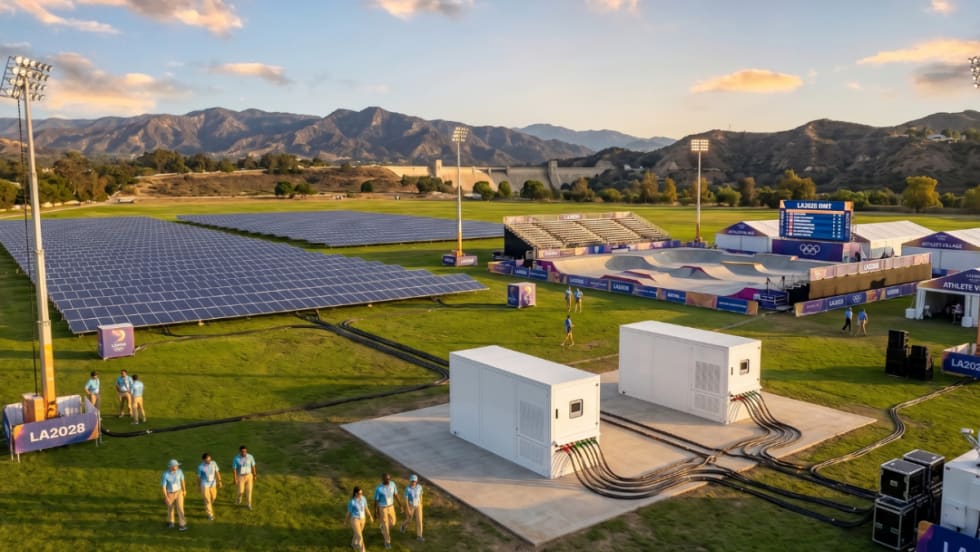
Xos White Paper Asserts LA Olympics Will Lack Enough EV Chargers
The commercial EV fleet company recommends some faster and more flexible remedies to relieve the anticipated shortfall.
Read More →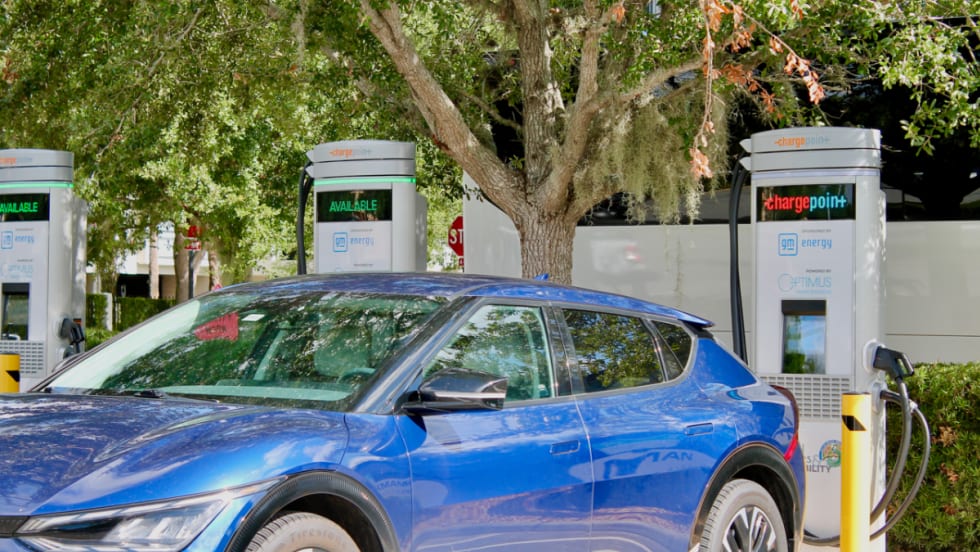
ChargePoint, Optimus Expand Fast-Charging Network Across Southeastern U.S.
ChargePoint will serve as the exclusive solutions provider, delivering hardware, software, and services to support Optimus’ growing charging network.
Read More →