


California Opens $28 Million in EV Fast-Charging Incentives
The Fast Charge California Project offers up to $100,000 per charging port for eligible, ready-to-build public charging projects, with applications open through Jan. 14, 2027.

California is offering at least $28 million in incentives for publicly accessible DC fast chargers, with funding of up to $100,000 per port available for eligible projects that have completed permitting and utility planning.
Charged Fleet
- California has launched the Fast Charge California Project with $28 million allocated for electric vehicle fast-charging incentives.
- The project provides up to $100,000 per charging port for eligible public charging projects that are ready to build.
- Applications for these incentives are open until January 14, 2027.
*Summarized by AI
California has opened a new funding round offering at least $28 million in incentives for publicly accessible DC fast-charging infrastructure, with eligible applicants able to receive up to $100,000 per charging port.
The funding is available through the California Energy Commission's Fast Charge California Project, part of the California Electric Vehicle Infrastructure Project (CALeVIP). Businesses, nonprofits, public agencies and property owners can apply for incentives covering up to 100% of eligible project costs.
Applications opened Oct. 7, 2026, and will be accepted through Jan. 14, 2027. After the application period closes, funding will be reserved in the order eligible applications were received.
Funding Prioritizes Ready-to-Build Charging Projects
To qualify, projects must be ready for construction, including having an issued permit and a final utility service design.
The program also prioritizes charging projects in disadvantaged, low-income and tribal communities.
“California needs reliable fast charging in communities across the state to support the growing number of electric vehicles on the road,” said Spencer Reeder, director of the California Energy Commission's Fuels and Transportation Division. “This next round of Fast Charge California Project funding will help move ready-to-build projects forward, expand access to public charging and put state investments to work in communities that have historically had fewer charging options.”
Eligible charging locations may include businesses, public facilities, high-traffic destinations and sites along major travel routes. Charging stations must be publicly accessible and meet the program's requirements.
For businesses and fleet operators considering public charging installations, the program's permitting and utility requirements underscore the importance of completing site planning before applying for funding.
“We've learned through CALeVIP that successful charging projects start with thoughtful site planning and early coordination,” said Scott Shepard, senior director of transportation programs at the Center for Sustainable Energy (CSE), which administers CALeVIP for the Energy Commission.
“Incentives can help move viable projects forward, while early permitting and utility coordination reduce delays and help ensure investments deliver meaningful public and environmental benefits.”
Previous Funding Round Supported More Than 1,200 Charging Ports
The new application period follows the program's spring 2026 funding round, which awarded $56.9 million in charging incentives.
According to the California Energy Commission, that funding supported more than 1,266 ready-to-build fast-charging ports across all 58 California counties.
More than 67% of the funded chargers were installed or planned in disadvantaged, low-income and tribal communities.
Another application window is scheduled for Feb. 24 through May 27, 2027, offering up to $55,000 per port for eligible ready-to-build fast chargers.
Since launching in 2017, CALeVIP has supported 10,200 charger installations across California, according to the program. The state has more than 2.2 million light-duty EVs.
Resources for Charging Site Selection
CALeVIP also offers an interactive EV Charging Opportunity Finder that combines information on existing charging locations, local EV registrations and community characteristics.
The tool is intended to help applicants identify locations where additional fast-charging infrastructure may be needed.
Funding for CALeVIP comes from the California Energy Commission's Clean Transportation Program and the state's Greenhouse Gas Reduction Fund.
Additional eligibility information and application details are available at calevip.org, while the charging site planning tool can be accessed at calevip.org/chargefinder.
More Charging
Honda Develops In-Motion Wireless EV Charging Technology for Commercial Vehicles
Honda, Taisei and Taisei Rotec are developing a road-embedded wireless charging system capable of transferring up to 150 kW, with public-road testing planned in Japan beginning in fiscal 2027.
Read More →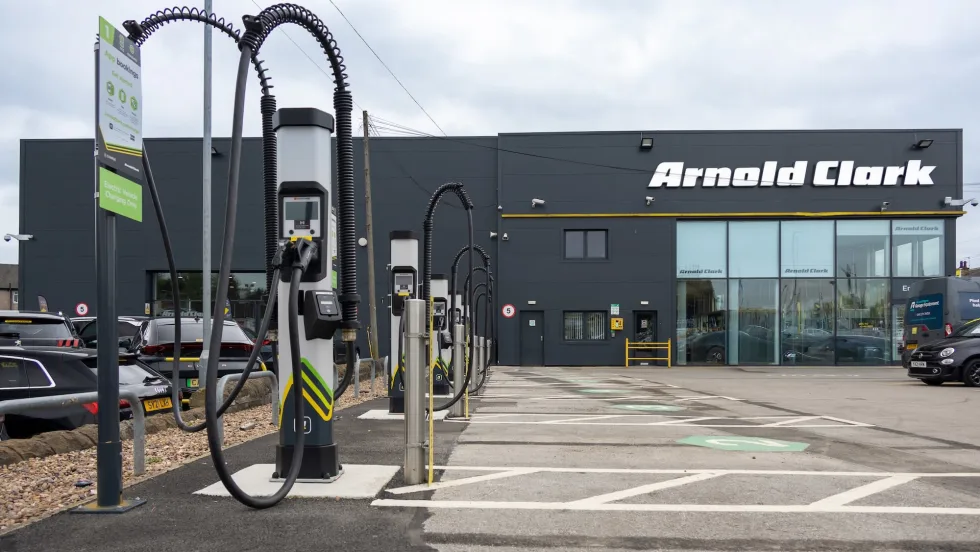
Arnold Clark Charge Opens Six Ultra-Rapid EV Chargers in Huddersfield
The new public charging site brings the Arnold Clark Charge network to 63 locations across the U.K., with charging priced at 55 pence per kWh.
Read More →
ChargerHelp Report Finds EV Charger Recovery Delays Can Stretch Beyond a Month
An analysis of approximately 500 million data points found charging issues requiring multiple work orders took a median of 32 days to resolve, highlighting the operational impact of diagnostics and repair coordination.
Read More →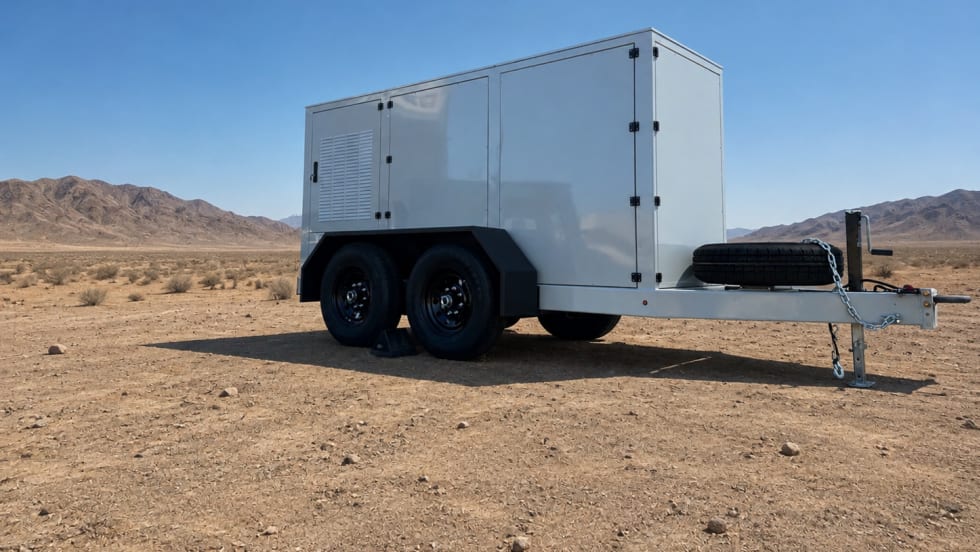
Xos Mobile Charging Hub Surpasses 1 GWh of Energy Delivered
As fleets electrify, charging capacity does not always arrive on the same timeline as the vehicles. Operating data from one Xos Hub shows how mobile, grid-independent charging can support vehicles when permanent infrastructure or utility upgrades aren't available.
Read More →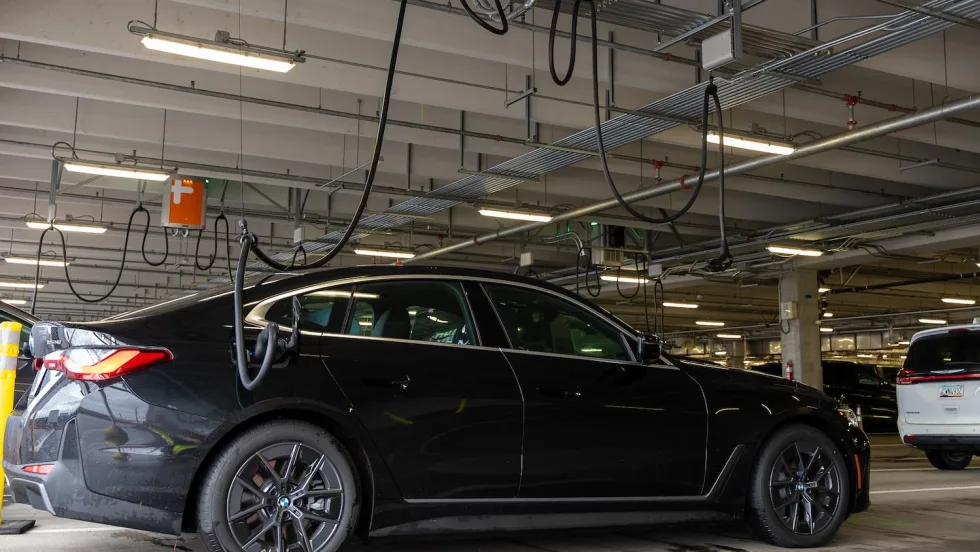
ChargePoint Adds Overhead EV Fast Charging at Portland International Airport
The installation can charge up to 20 rental vehicles simultaneously and uses overhead equipment to preserve ground-level space at the airport's Quick Turnaround Facility.
Read More →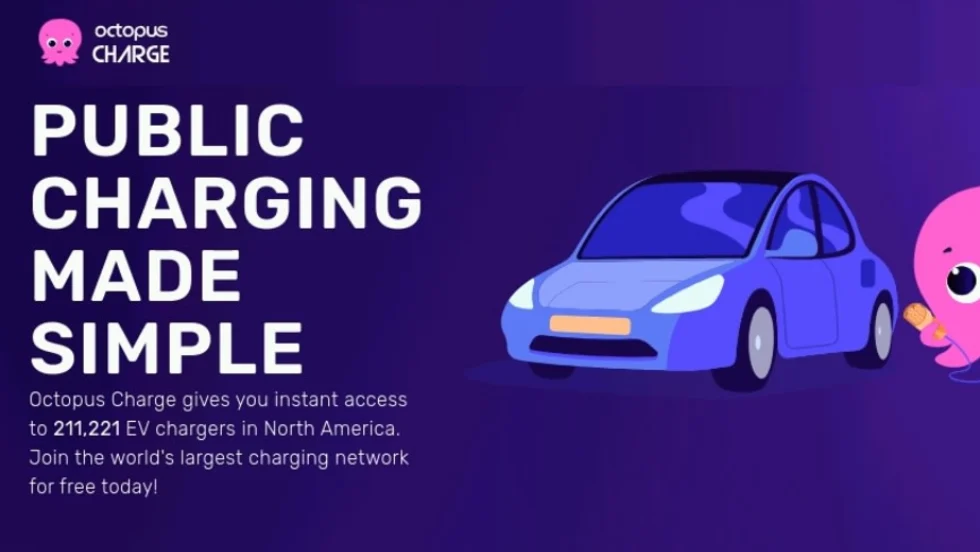
Octopus Energy Launches Public EV Charging App in U.S.
Octopus Charge allows EV drivers to locate and access public charging stations through a single app, building on the company's Electroverse platform in Europe.
Read More →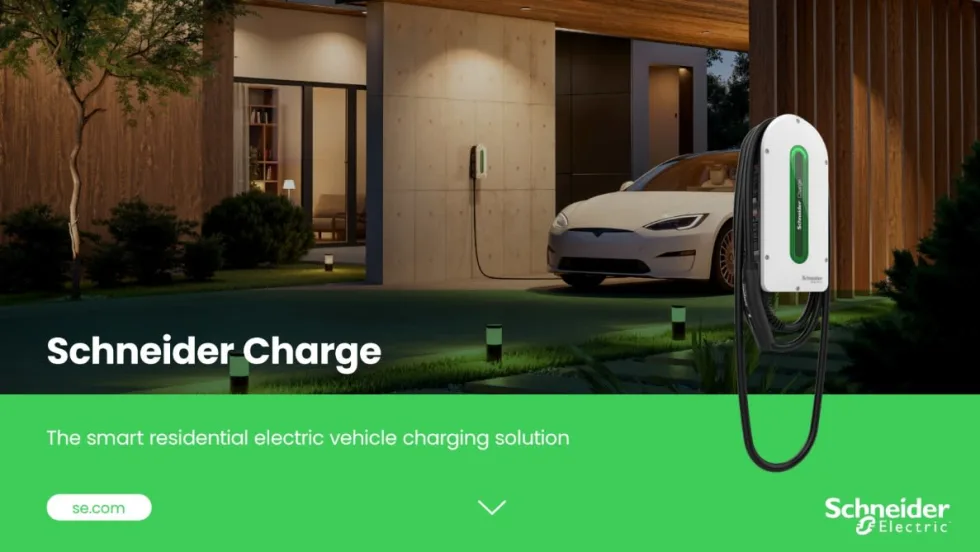
Schneider Electric Launches Level 2 Home EV Charger With Integrated Load Management
Schneider Charge uses integrated SmartAmp technology to adjust charging output based on household electrical demand and is available with NACS or J1772 connectors.
Read More →
Why EV Charging Reliability Is More Complicated Than It Looks
GridLink CEO Josh Silets explains what causes EV chargers to fail, why fleet operators often struggle to identify the source, and what questions they should ask charging vendors.
Read More →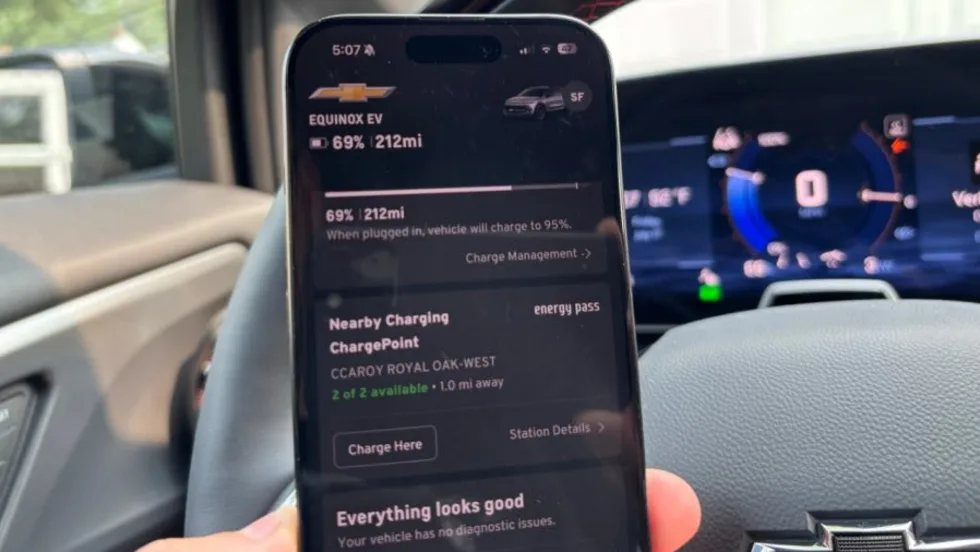
GM Adds ChargePoint Network to Energy Pass Platform
The integration gives GM EV drivers access to additional DC fast chargers and Level 2 stations through a single app while expanding the automaker's public charging ecosystem.
Read More →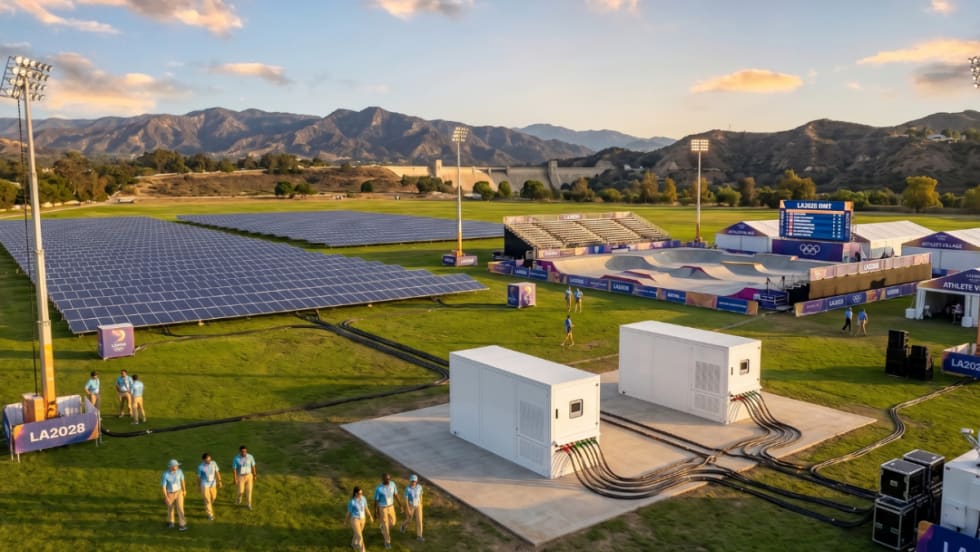
Xos White Paper Asserts LA Olympics Will Lack Enough EV Chargers
The commercial EV fleet company recommends some faster and more flexible remedies to relieve the anticipated shortfall.
Read More →