


Up Next: California District Commits to Electrify 25% of School Bus Fleet by 2028
Merchants Fleet Reports 290M EV Miles as Fleets Navigate Changing Electrification Market
From millions in operating savings to hundreds of millions of EV miles, Merchants Fleet’s latest report reveals what’s working and what’s changing in fleet electrification.
by Jeanny Abraham
August 13, 2026
“From supporting employee growth, giving back locally, and continuing to advance fleet electrification, we’re focused on creating measurable impact that delivers long-term value for our clients, employees and communities,” said Alicia Hart, senior vice president & chief people officer at Merchants Fleet.
Credit:
Automotive Fleet
3 min to read
Merchants Fleet-managed electric vehicles traveled more than 290 million miles in 2025 as commercial fleets continued deploying EVs despite a changing regulatory and incentive environment, according to their 2025 Impact Report.
This resulted in more than 117.5 million kilograms of avoided tailpipe CO2 emissions, according to Merchants.
Despite diminished federal support for electrification with the passing of the Big Beautiful Bill, demand for sustainability-related fleet strategies persists.
ESG-related questions appeared in 58% of the RFPs the company received during 2025.
The report highlights a transition in the electrification space.
Rather than treating electrification as a one-size-fits-all process, several client deployments demonstrate how fleets are using vehicle analysis, charging planning, incentives, and total cost of ownership calculations to determine where EVs fit their operations.
From Strategy to Practice
One of the report's largest examples involves a technology company working toward net-zero carbon emissions across its global operations by 2040. The company’s fleet is now 62% electric and managed by Merchants.
They also manage dozens of FleetShare stations, where vehicles are maintained and prepared for renters. Approximately 40% of those locations have charging infrastructure for the electric delivery vans, with additional charging locations expected.
Other fleets are starting at a smaller scale.
A residential-services provider worked with Merchants to introduce EVs into two business units while developing depot-charging capabilities.
Merchants evaluated available EVs based on vehicle specifications, upfit requirements, and cost while also assessing home and depot charging.
The resulting project put 18 EVs into operation and secured $380,000 in incentives, which covered 80% of the project's charging costs.
$3.5M in Annual Fleet Savings
A dental-supply company provides another example of the potential financial implications of fleet electrification.
This client had established a goal of reducing fleet fuel consumption and CO2 emissions by 40% by 2030.
Merchants analyzed the fleet, identified vehicles that were candidates for EV replacement, and developed an electrification roadmap designed around both environmental and cost objectives.
The program resulted in a 935,000-gallon reduction in fuel consumption and $3.5 million in annual fleet operating-cost savings.
For a national vegetation-management company, however, the process began with a pilot.
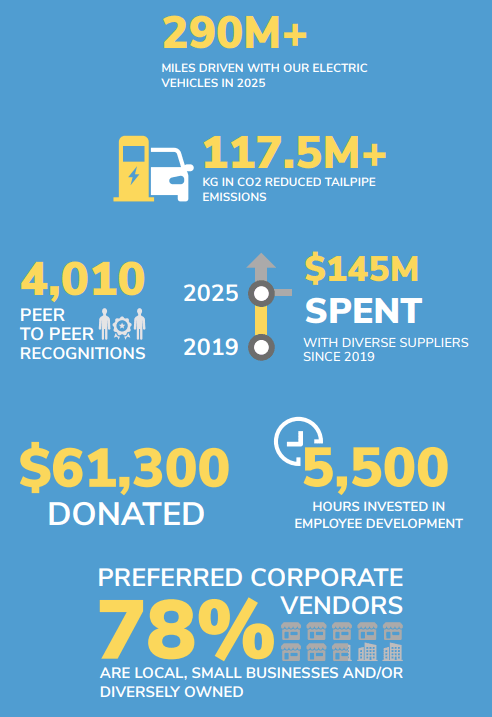
Merchants says 78% of preferred corporate-support vendors are local, small businesses and/or diversely owned.
Credit:
Merchants Fleet
Merchants provided information about EV availability and infrastructure, mapped charging locations and equipment options, performed total cost of ownership modeling, and developed an adoption plan. The fleet subsequently launched a 40-vehicle EV pilot.
These examples point toward an increasingly application-specific approach to electrification in which vehicle duty cycles, charging access, upfit requirements, available incentives, and TCO determine which fleet vehicles make suitable EV candidates.
Charging Moves Deeper into Fleet Operations
Charging infrastructure is also becoming a larger component of fleet management.
Merchants' ClearCharge program supports workplace and depot charging, employee home charging, and mobile or temporary charging applications.
ClearCharge Home is for fleets with take-home vehicles. The program coordinates charger compatibility and residential installation while collecting electricity-use data that fleet managers can use to reimburse employees for business charging.
ClearCharge Work combines infrastructure planning and deployment with Merchants' charging partners for workplace and depot operations.
Broader EV services include EV feasibility studies, infrastructure planning and project management, grant and incentive assistance, and EV and charging total cost of ownership analysis.
Fleet Electrification Continues to Evolve
Merchants' report arrives as fleet operators face a different EV market than they did only a few years ago.
Government incentives that helped improve EV acquisition economics have been reduced, while the direction of federal charging programs has faced uncertainty.
At the same time, fleets now have access to a wider selection of electric vehicles and a growing body of operational data from early deployments.
The result could be a shift away from broad electrification commitments toward more targeted deployments in applications where EVs can demonstrate an operational and financial case.
Fleets are still deploying EVs, but vehicle selection, charging infrastructure, incentives, and total cost of ownership are becoming increasingly important factors in determining where electrification makes sense.
Subscribe to Our Newsletter
More Electric Vehicles
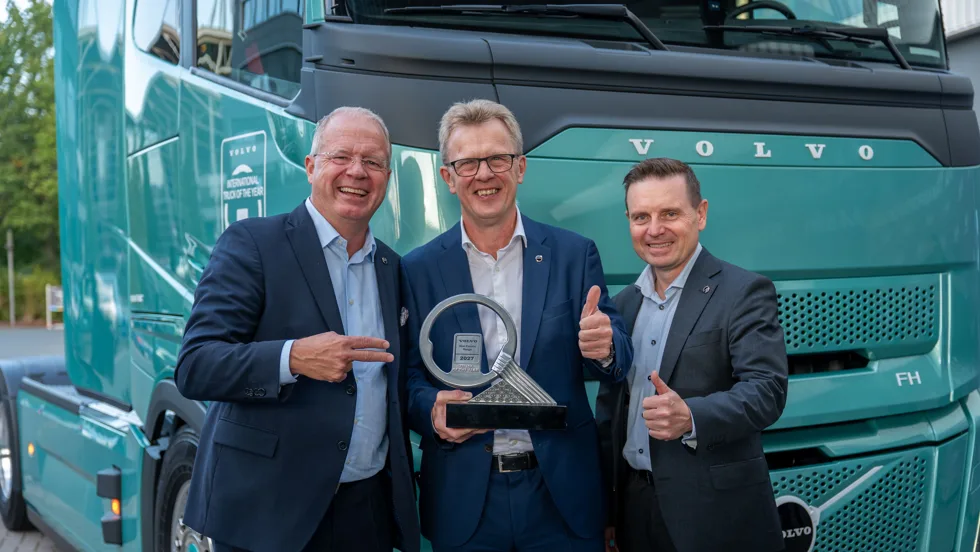
Volvo Trucks’ Electric Range Named International Truck of the Year 2027
The award recognizes Volvo’s global heavy-duty electric lineup, while more than 750 VNR Electric trucks have accumulated nearly 37 million miles in U.S. and Canadian fleet operations.
Read More →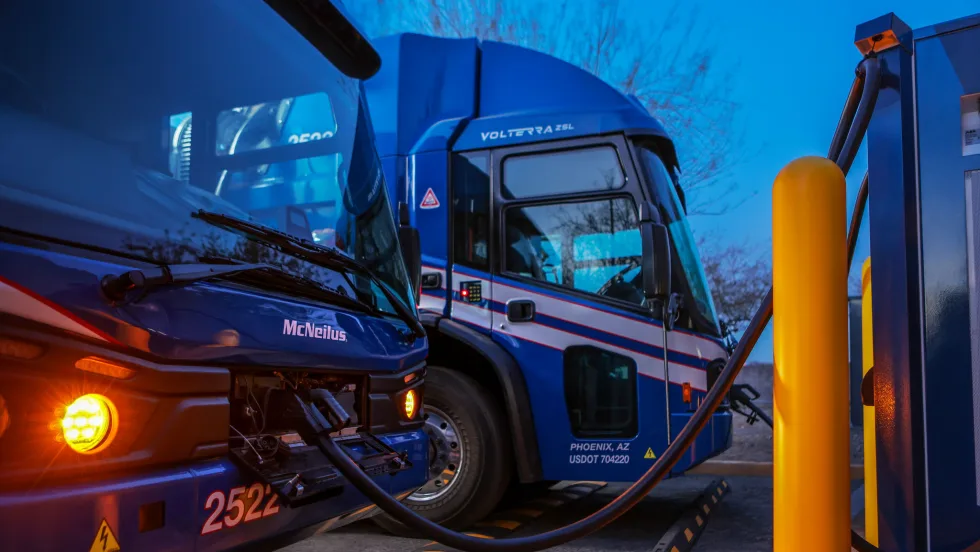
How Republic Services Decides Where Its Next Electric Trucks Can Go
With 250 electric collection trucks now in service, Republic Services is learning that scaling electrification depends less on proving the vehicle and more on whether each site can support what comes next.
Read More →
EV Charging Use Is Outpacing Infrastructure Growth
ChargePoint’s 2026 Charging Forward Report points to rising charger use, higher-powered charging, commercial vehicle electrification, and energy-management technology. Here’s what fleets should know.
Read More →
EV Realty Names Henrik Holland President as Charging Platform Expands
The former Prologis Mobility and Shell executive will help expand EV Realty’s truck charging business and move its power-first infrastructure model into autonomous vehicle depots and other fleet sectors.
Read More →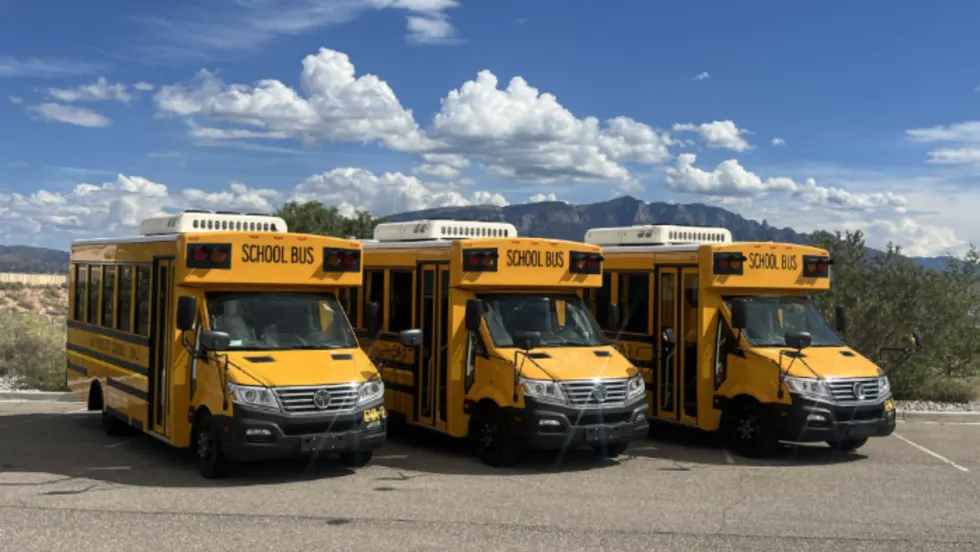
GreenPower Expands New Mexico EV Pilot With Larger Buses, V2G Testing
After logging more than 17,000 electric miles in the first year, New Mexico’s statewide pilot is moving into its second phase with larger vehicles, continued charging evaluations, and more.
Read More →
Can EV-as-a-Service Help Fleets Scale Electrification?
Sustainability Partners CEO Adam Cain explains how matching EVs, charging infrastructure, and duty cycles can help fleets scale electrification.
Read More →
How EV-as-a-Service Is Moving Fleets Beyond Pilots
Adam Cain, president and CEO of Sustainability Partners, explains how EV-as-a-service can help fleets scale deployments by addressing duty-cycle requirements and charging challenges.
Read More →
PowerFlex, The Mobility House Join Forces to Advance Fleet Electrification
Two EV charging providers are joining forces to deliver a broader portfolio of energy management and fleet electrification solutions.
Read More →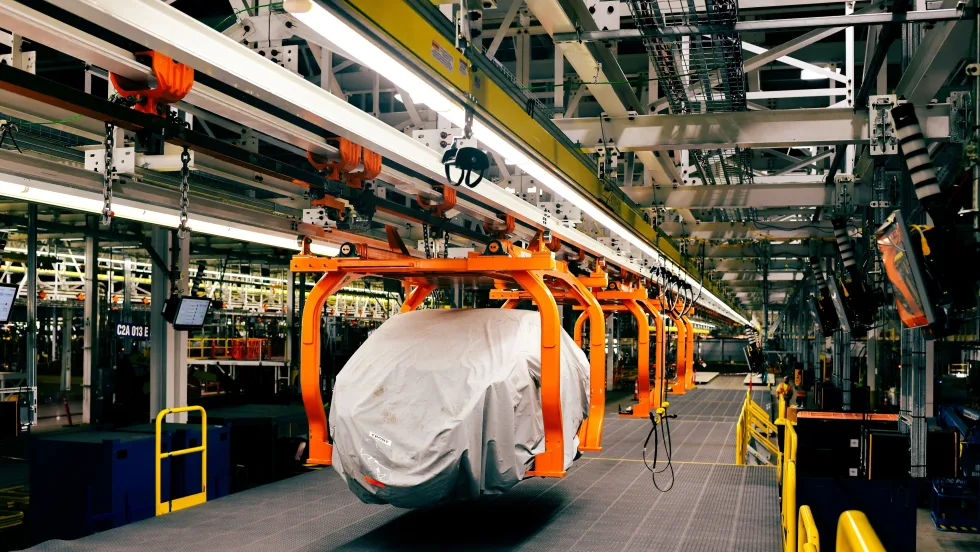
Ford Retools Louisville Plant for Fathom Electric Truck Production
Ford's $2 billion Louisville Assembly Plant overhaul introduces a three-part assembly process for the Fathom midsize electric truck, with production scheduled to begin in 2027.
Read More →
California District Commits to Electrify 25% of School Bus Fleet by 2028
One of the nation's largest school bus electrification projects to date demonstrates how grants, charging infrastructure, and public-private partnerships can help fleets transition to EVs at scale.
Read More →