


Slate’s Electric Vehicle Favors Distinctly American Consumer Tastes
The recent rollout of the manufacturer’s pickup and SUV models hits all the right preference buttons of today’s vehicle buyers in a free market.

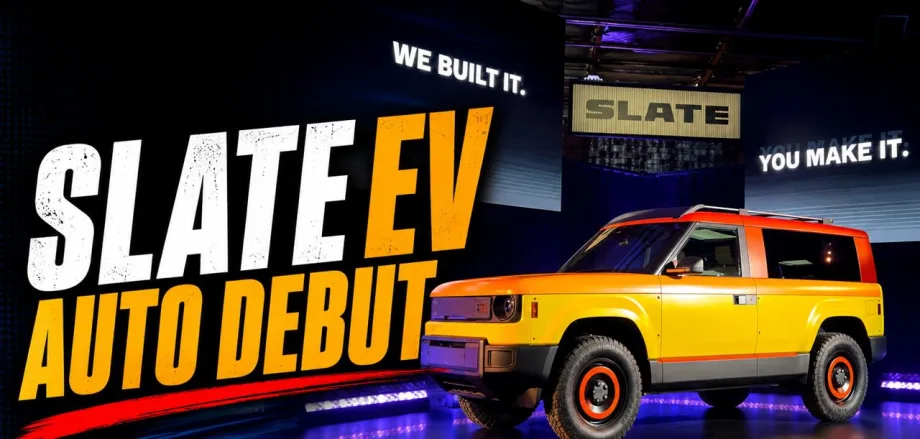
Slate has seen interest from vocational fleets and small businesses and expects some commercial fleets to begin taking delivery of vehicles this year.
Charged Fleet
- Pickups and SUVs are significant in the American market because they are highly preferred by consumers for their utility, size, and versatility.
- Slate addresses America's vehicle affordability challenges by offering a pickup priced at half the average cost of a new vehicle.
*Summarized by AI
Slate Auto officially debuted its flexible all-electric vehicle platform on June 24, just over two weeks before America’s 250th anniversary celebration weekend.
I attended and covered, on behalf of Automotive Fleet and Charged Fleet, the company’s red-carpet media event and showcase at a warehouse in Gardena, California, that featured the décor and took on the vibes of an interactive, curated museum.
While the scheduling of the event before the Big 250 likely was a coincidence, the marketing of the EV dovetails with the messaging of core American characteristics about freedom, creativity, and choices that define the nation’s legacy.
A More Inclusive, Democratic Posture
In a refreshing approach, Slate presented its simplified electric pickup truck and SUV as a counterintuitive challenge to the costly and elitist stereotypes of electric vehicles.
For one, executives stressed the affordability and appeal of an electric vehicle priced between $25,000 and $30,000 at a time when the average price of a new vehicle in the U.S. straddles $50,000, and about $27,000 for a used vehicle.
For a new EV, the average price is about $55,000.
With customer deliveries expected to begin in the fourth quarter, Slate said it has already received more than 180,000 purchase reservations, signaling strong demand ahead of production.
Buyers can order the Slate as a pickup or choose one of two SUV configurations, the Fastback or Squareback. They can also convert the vehicle after purchase, a modular approach that lets owners adapt it as their needs change.
"New cars didn't get expensive overnight," Slate CEO Peter Faricy told assembled media, industry vendors, and guests at the June 24 event. "It happened one feature, one package, one trim level at a time. But somewhere, millions of Americans got left behind. The one thing I can share with you today is that Slate is here to change that."
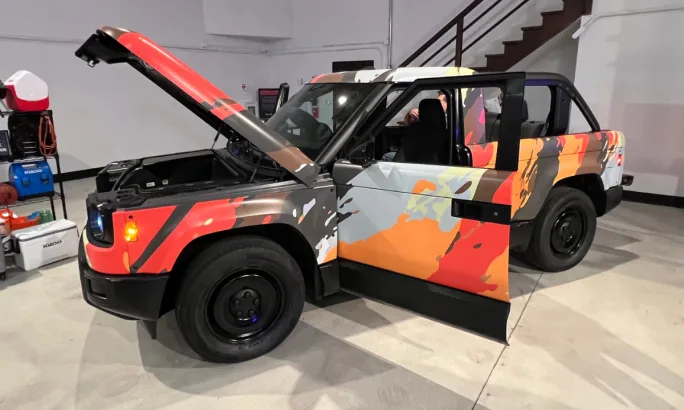
Slate is offering more than 100 exterior wrap colors, allowing owners to personalize their pickup trucks or SUVs like a tattooed limb or torso.
Martin Romjue / Charged Fleet
Respecting Customers As Unique Individuals
A second attribute Slate promotes is flexibility in custom options, another major selling point. Slate plans more than 200 accessories and over 100 wrap colors, allowing owners to personalize everything from appearance to amenities.
Those accessories, wraps, and colors were on full display throughout the event, along with flat screens showing customized trucks that reflected owners' personalities.
Since the debut, Slate has started collaborating with Crayola to introduce five more wrap options featuring these colors from the crayon maker’s collection: Cerulean, Jersey Tomato, Fern, Razzmatazz, and Dandelion.
Ben Whitla, head of brand and marketing for Slate, said in a July 9 news release: “Two iconic brands are coming together to enable Slate drivers to make their mark with a Crayola color. Slate is creating more ways for owners to make a vehicle their own again and again over time, and Crayola has long celebrated creativity, color, and self-expression."
The Slate approach reminds me somewhat of the Swatch craze in the 1980s, when a Swiss watch company designed and sold low-priced, colorful, battery-powered, plastic-cased timepieces.
The variety of its designs and color combos turned them into highly sought collectibles that consumers either kept in the cases or wore on wristbands. Swatches only required 51 parts, and over four decades, more than 8,000 individual watch designs were sold to buyers.
In Slate’s situation, vehicle buyers can choose their wraps, designs, and exterior/interior colors across the three models, thereby empowering them to express their individuality as they would with a tattoo.
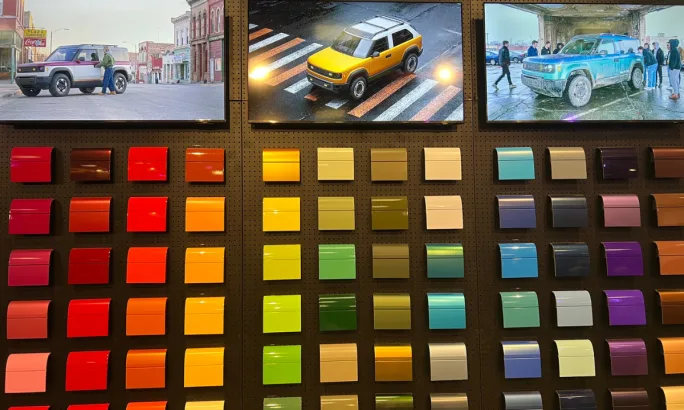
Customers can color their vehicles creative with the many options available. This display showcased color choice during the Slate vehicle debut on June 24, 2026, in Gardena, California.
Martin Romjue / Charged Fleet
American Ingenuity For 21st Century
Slate says the truck uses less than half the number of parts found in a conventional pickup. Physical switches replace a large touchscreen, focusing on direct controls and easier maintenance.
The Slate model now delivers an estimated 205 miles of driving range, a big bump over earlier estimates. Power comes from a single rear-mounted electric motor paired with a lithium iron phosphate battery. Fast charging can take the battery from 20 to 80% in about 30 minutes, while Level 2 charging can replenish it in about four hours.
For work shifts and fleet duty cycles, the truck now offers a payload rating of 1,550 pounds and can tow up to 2,000 pounds. A roomy pickup bed and front trunk add practical cargo space for everyday use.
Most new electric vehicles on the market since 2020 have been priced too high for average U.S. consumers, as purchases concentrate in high-earning, wealthier zip codes.
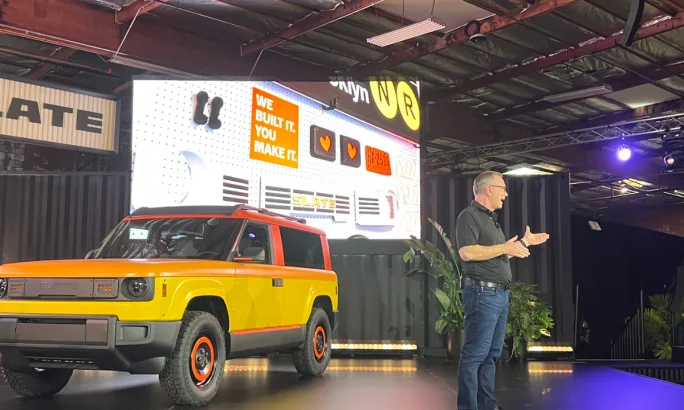
Slate CEO Peter Faricy told attendees during the vehicle debut stressed that the pickup truck can be converted into a rounded or squared SUV version, depending on the needs and purposes of the owners.
Martin Romjue / Charged Fleet
Liberty Begets Innovation
So, connecting this to the messaging and atmosphere of America’s 250th:
In a sense, Slate’s affordability focus democratizes and expands EV buying opportunities for the broader motorist market.
It also appeals to the more eclectic and highly specific demands of younger generations, steeped in social media and shaped by customized consumer tastes.
And for fleet operations that must adhere to strict TCO requirements and standards, Slate offers a broader path to profitable light-duty Class 1 electric fleets.
Clients such as government, commercial service, and vocational fleets can save money while advancing zero-emissions goals.
As production moves closer, the EV industry will be watching to see whether this startup can turn an affordable, practical, and minimal approach into lasting success.
Viewed through the lens of the nation’s historical legacy, Americans prefer to pick and choose products, express creativity, challenge conventions, and pursue happiness within a culture rooted in liberty.
Those are the values and traits last week’s 250 commemorations vividly evoked, and that the automotive industry can regularly follow for many productive years to come.
Now it’s time to test out a wrapped Slate on the Ventura Highway.
More Blog Posts

Why EV Rental Fleets Should Stay Limited And Find Their Niche
A fleet of electric rental cars can't simply be rented out to all customers. Know your neighborhoods and clients first.
Read More →
Fuel Price Spike Revives EV Appeal
Hints of renewed interest in electric vehicles evoke the diesel fever of the late 70s disco era. This one will end better.
Read More →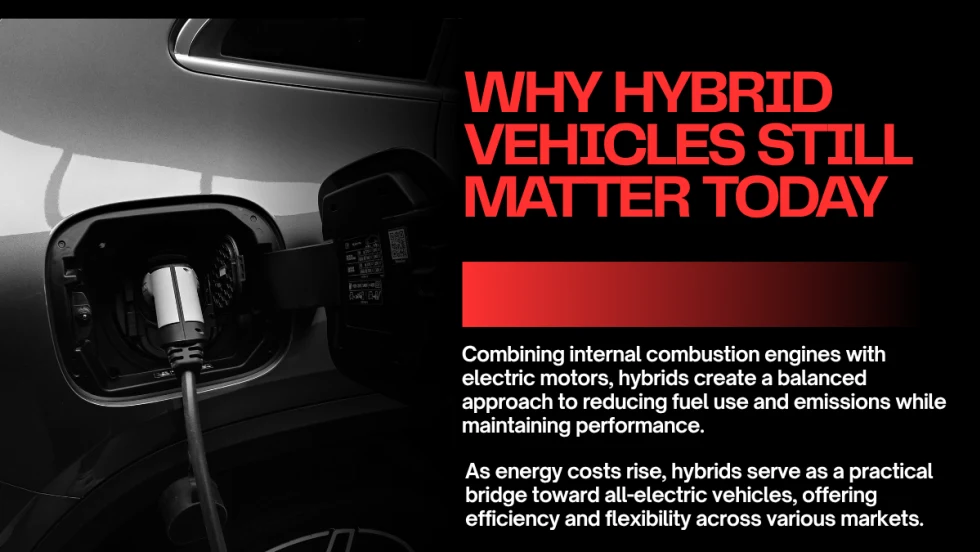
OEM Confessions About Electric Vehicles
The latest financial disclosures from Stellantis and Honda tell some hard truths about the hyped over-investing in electric vehicles.
Read More →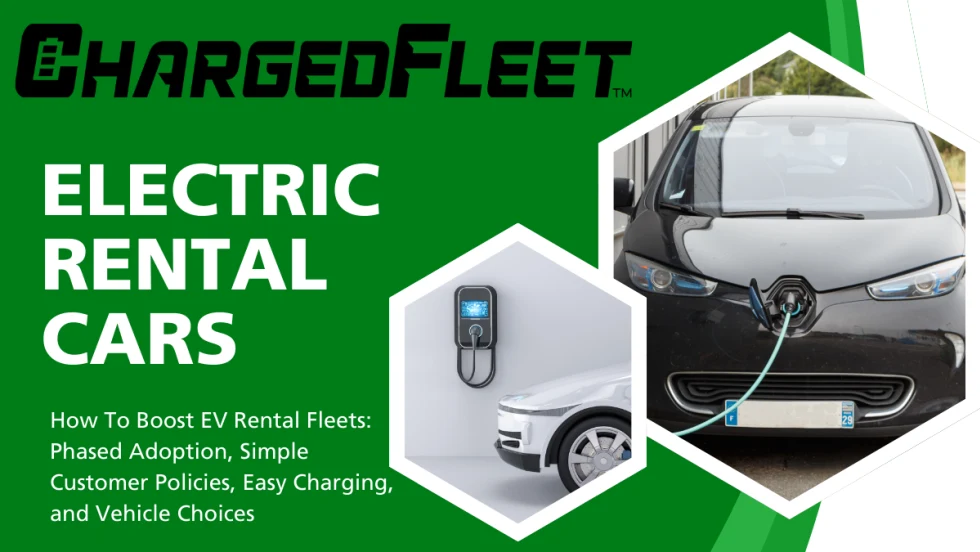
Why The EV Market Staggers Into Uncertainty
If electric vehicles are meant to succeed long-term, then they must move further into the automotive sector without the pressure and mandates.
Read More →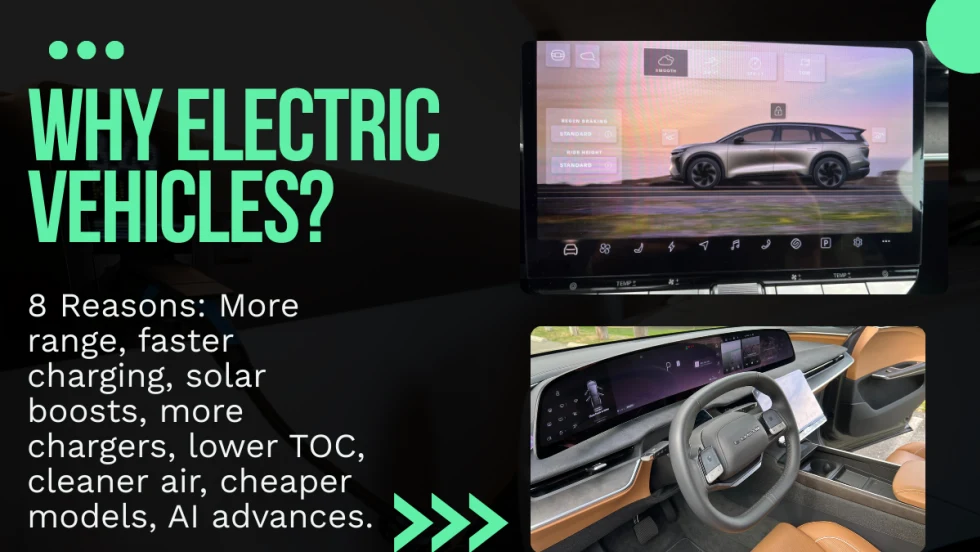
EV Test Drive Hints At ICE Parity — Someday Sooner
Electric vehicles already embody the advantages that will improve them in the long term and make them more competitive.
Read More →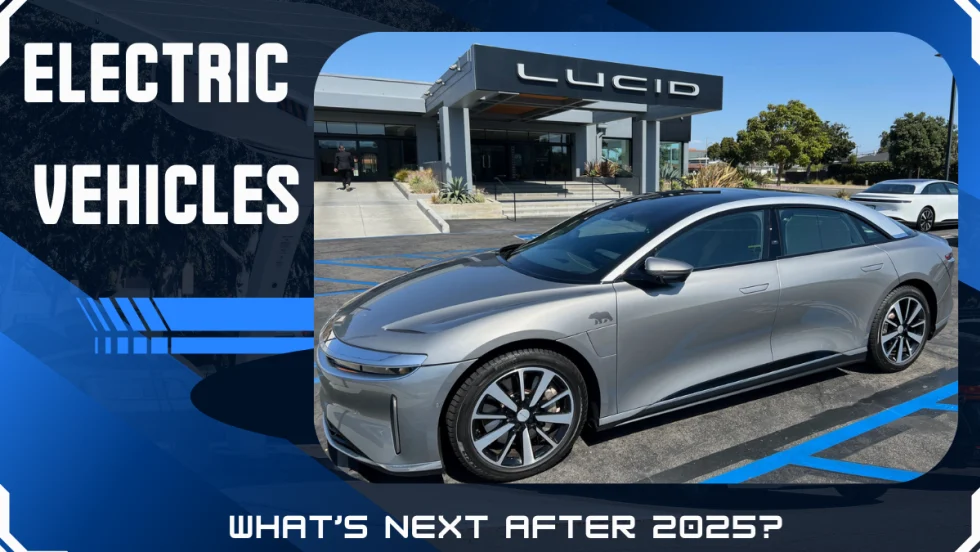
Welcome To The Rockin’ Free World, EVs
The world’s most subsidized and promoted vehicles in automotive history must now leave the safe space and go out on their own.
Read More →
Rental Car Industry Reaffirms the Hard Lessons of EVs
With OEMs pulling back on EVs and the sunset of federal incentives, the EV market must pivot to a more practical and measured state.
Read More →
Mobile Charging Could Reset Rental EV Usage
While EVs present challenges, technology keeps advancing to solve problems, such as flexible EV charging support for car renters.
Read More →
The Electric Vehicle Reality Checks Are Coming
The EV fleet industry is moving from a visionary period to one of practical choices and steps toward electrification.
Read More →
Lordstown Endurance Ready To Redefine Work Fleet Service
A recent visit by the alpha version of the electric pickup truck to Southern California points to a future of cleaner, efficient, and more affordable work truck fleets.
Read More →