



Blog Viewpoint: EV Test Drive Hints At ICE Parity, Sooner Rather Than Later
Fuel Price Spike Revives EV Appeal
Hints of renewed interest in electric vehicles evoke the diesel fever of the late 70s disco era. This one will end better.
April 29, 2026
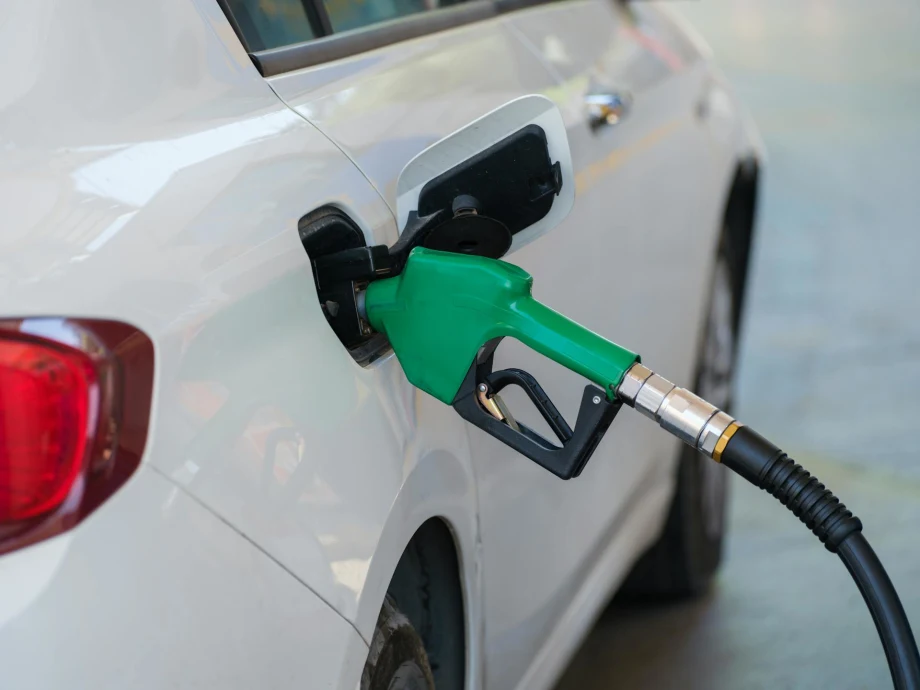
One of the most serious consequences of the oil and gas crisis was the drive toward diesel cars.
Credit: Engina Kyurt / Pexels
6 min to read
I remember the energy crisis of the late 1970s, when lines formed at gas stations nationwide and consumers gasped as the price of a gallon of gas headed toward the unthinkable $1 mark.
Aside from underscoring the foreign dependence on oil and the evils of OPEC, it triggered widespread fears among the American public. One of my elementary school teachers distributed a scholastic current events reader to us students that featured a cartoon of a U.S. citizen in the year 2000 driving a motorcycle to a gas station to get a 1-gallon ration.
Cultural and political elites, of course, pushed a pessimistic paradigm shift with their forecasts of forever shortages, claiming the world was running out of oil.
Consumer studies showed motorists would start the hunt for gas at around half a tank, just in case they needed more gas to find a station to fill up their tanks. Much of America drove around with a half-tank reserve, which only aggravated fuel shortages.
A Dirty, Loud Alternative
One of the most serious consequences of the oil and gas crisis was the drive toward diesel cars. I know about this firsthand because my parents bought one. Like many American households, they got fed up with rising gas prices eating at the family budget. They bought a VW Rabbit Diesel in 1979 that promised 52-54 mpg on the highway. (Although it only got 44 mpg).
Advocates reasoned America would always need diesel fuel for trucking, so why not encourage diesel vehicles for everyday Americans? Longer ranges per gallon meant lower fueling costs, less volume demand, and fewer fueling stations and stops.
Nearly every automaker, including Cadillac and Audi, rolled out diesel models that were louder, clunkier, and smoggier versions of their gas brethren. Our Rabbit could rocket from 0-60 mph in 17.4 seconds! Its speedometer only went up to 80 mph. Our neighbors always heard our comings and goings.
Diesels were virtuous; gas-guzzlers selfish.
I recall this experience because the automotive market is now seeing renewed interest in electric vehicles as the Iran War surges global oil prices per barrel and at the pump. As of April 27, the U.S. average was $4.11 per gallon, and in California it was $5.95 per gallon.
Media reports indicate consumer interest and inquiries are up. In a recent story, Edmunds said EV consideration on its site rose by two points in March to 11.6% from February, the highest since September 2025, the month the federal tax credit ended and spurred a last-minute buyer interest.
Whether this interest lasts depends on the duration of the Hormuz shipping straitjacket and the course of the U.S. war with Iran.

In the 1970s, nearly every automaker, including Cadillac and Audi, rolled out diesel models that were louder, clunkier, and smoggier versions of their gas brethren.
Credit: Aditya Bhatia / Pexels
Proof Will Be In EV Sales
March new EV sales totaled an estimated 82,629 vehicles, down 24.7% year over year but up 20.2% month over month, according to Cox Automotive. But the average transaction price for new EVs was $54,508 in March, down 6% year over year and 0.7% month over month. The EV premium over ICE vehicles narrowed to about $5,800.
Used EV sales totaled 42,924 vehicles in March, up 27.7% year over year and 53.9% month over month. Market share increased to 2.5%. The average listing price for used EVs was $34,653, down 6.1% year over year and 0.4% month over month. The price premium over ICE vehicles narrowed to $1,012.
With an expected increase in three-year-old off-lease EVs coming to market, EV prices are expected to decline.
According to Cox analysis, Higher gasoline prices are increasing consumer interest in EVs, though sustained price increases are typically needed to drive long-term shifts in adoption. Charging infrastructure and vehicle affordability remain key factors.
Cox Automotive also reported a 12% increase in used EV sales in Q1.
“What comes next will be driven less by policy and more by fundamentals: more affordable products, smarter pricing strategies, and continued investment in infrastructure,” Stephanie Valdez Streaty, director of insights at Cox Automotive, said in a recent statement. “Those longer-term fundamentals continue to support EV growth. The timeline has shifted, but the direction hasn’t.”
Fleets Should Focus On TOC
For fleets, which operate far more efficiently and predictably than everyday consumers, the question of whether to convert to electric vehicles or add EVs boils down to total cost of ownership:
If gas prices rise sustainably and electricity costs remain flat, that’s one signal that the TOC advantage is shifting in favor of EVs.
Fleet operators must weigh energy costs against the EV premium when compared to ICE vehicles. The narrower it gets, the greater the TOC appeal.
Another factor is depreciation: used EVs don’t lose as much value as newer EVs. With an expected increase in the supply of used EVs, prices could serve as the tipping point.
And then don’t forget EV battery quality and evaluations. Advances in battery assessment technology yield more accurate assessments, suggesting that EV batteries are lasting longer and degrading more slowly than anticipated five years ago. Turnover and timelines for EV fleets are longer than those for ICE vehicles.
Mobile charging is cheaper and more flexible than fixed charging and can fast-track an EV conversion. Gas pumps don’t come to your car.
Diesels in the History Dustbin
What I can safely predict is that diesel cars will never see a revival reminiscent of the 1970s. Aside from diesel prices being up 40% to 50% compared to pre-war levels, EVs are far cleaner, appealing, and more efficient alternatives to ICE vehicles.
Looking back, diesel cars were a transitional vehicle category. They enabled many motorists to travel at a lower cost, avoiding the worst of the high gas prices. The 1980s brought energy deregulation and more exploration, resulting in more supply that lowered gas prices.
Consumers regained confidence in buying conventional ICE vehicles, and automakers adjusted. It spurred an opposite trend in the automotive market for years to come: a shift in consumer preferences toward SUVs, pickup trucks, and minivans over sedans and compacts.
As for our family VW Rabbit Diesel, my parents kept it for a decade, with it serving us well on family trips and errands around town. It didn’t make us feel comfortable, but it kept us moving affordably. I learned how to drive a stick on the VW, with the roar and grind making me feel like a miniature truck driver.
Eventually, it became our third car as we grew up. By 1989, it looked and drove like a relic from another era. My parents got rid of it that year, after it was in a minor non-injury collision, not their fault.
Whether the latest gas price inflation sustains a broader recovery and EV market share, or serves as a temporary transition, cannot be accurately predicted.
At least EVs can now succeed on their own merits, absent incentives and mandates. Nothing drives EV adoption more than simple operating economics.
Subscribe to Our Newsletter
More Blog Posts

Slate’s Electric Vehicle Favors Distinctly American Consumer Tastes
The recent rollout of the manufacturer’s pickup and SUV models hits all the right preference buttons of today’s vehicle buyers in a free market.
Read More →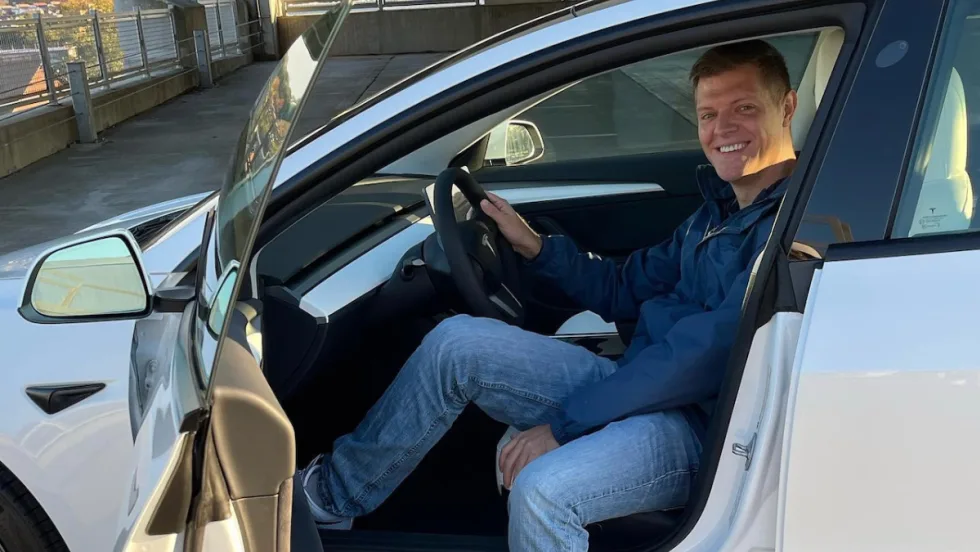
Why EV Rental Fleets Should Stay Limited And Find Their Niche
A fleet of electric rental cars can't simply be rented out to all customers. Know your neighborhoods and clients first.
Read More →
OEM Confessions About Electric Vehicles
The latest financial disclosures from Stellantis and Honda tell some hard truths about the hyped over-investing in electric vehicles.
Read More →
Why The EV Market Staggers Into Uncertainty
If electric vehicles are meant to succeed long-term, then they must move further into the automotive sector without the pressure and mandates.
Read More →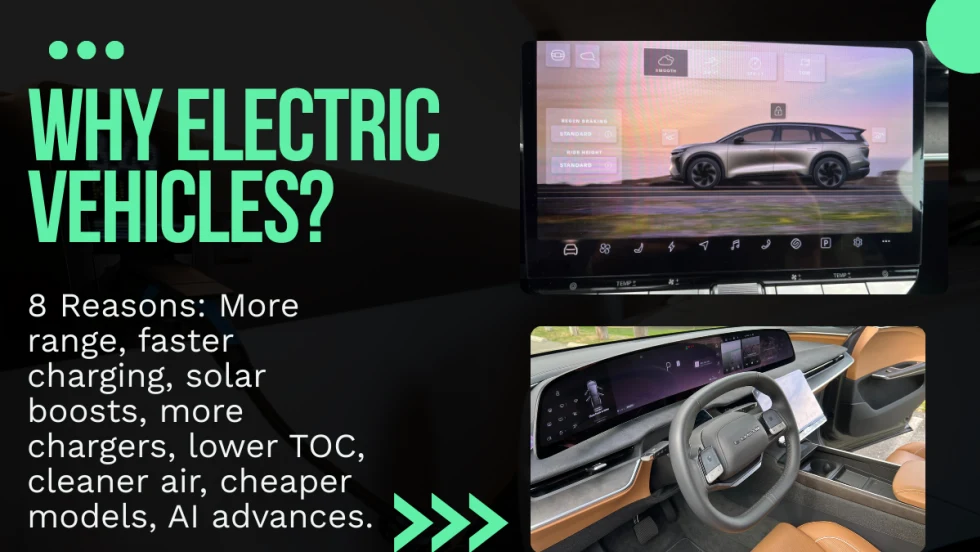
EV Test Drive Hints At ICE Parity — Someday Sooner
Electric vehicles already embody the advantages that will improve them in the long term and make them more competitive.
Read More →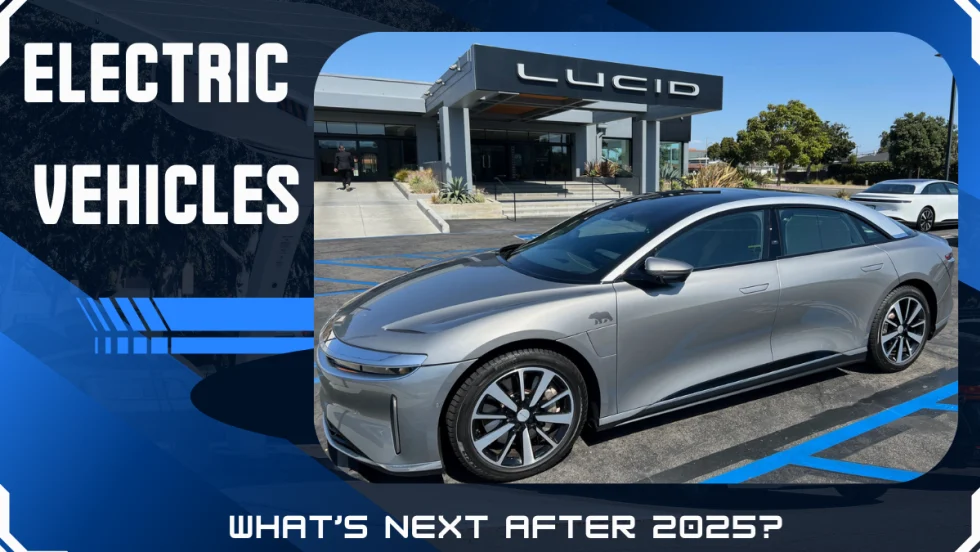
Welcome To The Rockin’ Free World, EVs
The world’s most subsidized and promoted vehicles in automotive history must now leave the safe space and go out on their own.
Read More →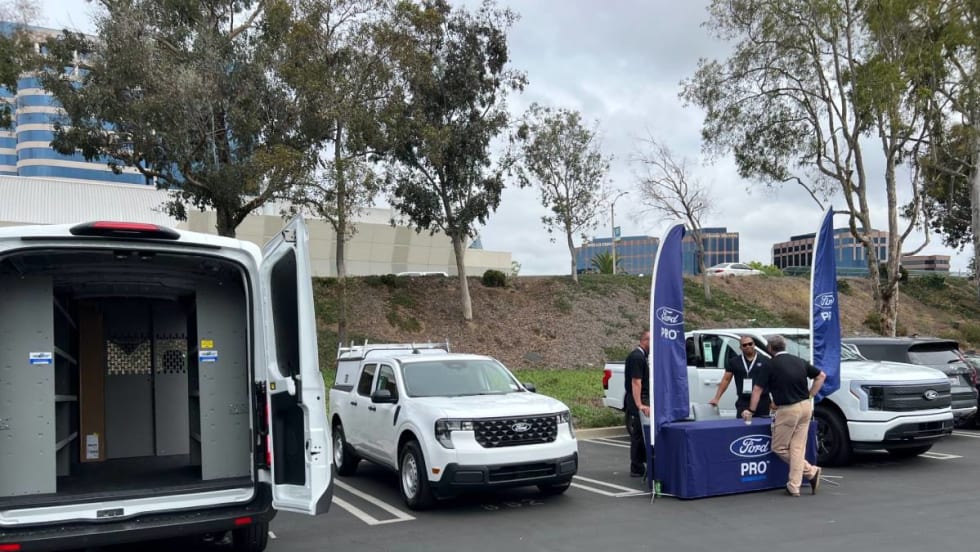
Rental Car Industry Reaffirms the Hard Lessons of EVs
With OEMs pulling back on EVs and the sunset of federal incentives, the EV market must pivot to a more practical and measured state.
Read More →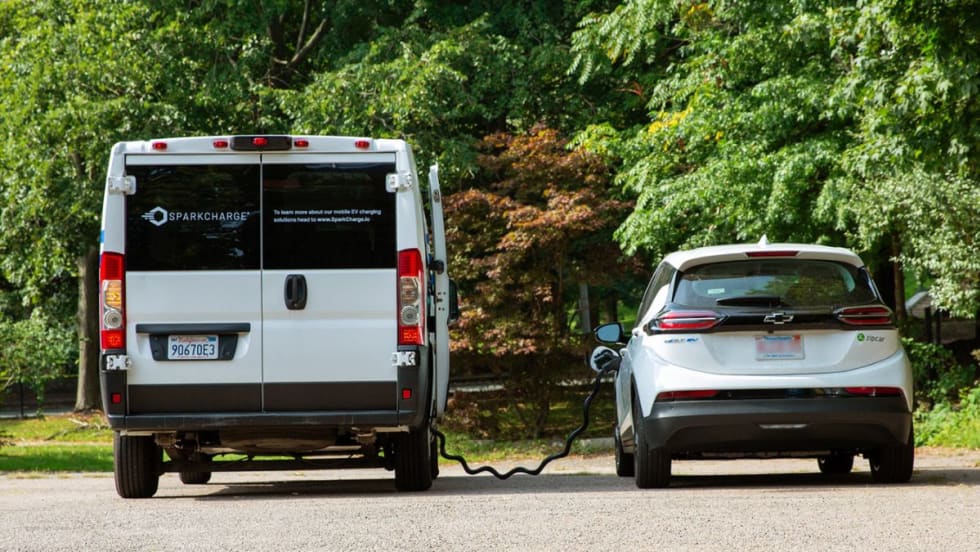
Mobile Charging Could Reset Rental EV Usage
While EVs present challenges, technology keeps advancing to solve problems, such as flexible EV charging support for car renters.
Read More →
The Electric Vehicle Reality Checks Are Coming
The EV fleet industry is moving from a visionary period to one of practical choices and steps toward electrification.
Read More →
Lordstown Endurance Ready To Redefine Work Fleet Service
A recent visit by the alpha version of the electric pickup truck to Southern California points to a future of cleaner, efficient, and more affordable work truck fleets.
Read More →