


OEM Confessions About Electric Vehicles
The latest financial disclosures from Stellantis and Honda tell some hard truths about the hyped over-investing in electric vehicles.

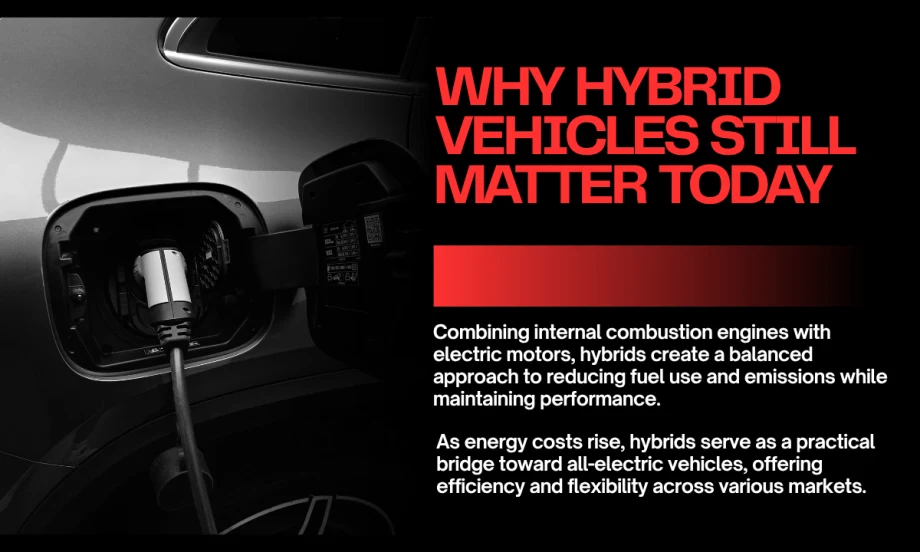
As energy costs rise, hybrids serve as a practical bridge toward all-electric vehicles, offering efficiency and flexibility across various markets.
Credit: Charged Fleet
Shortly after posting my previous blog on EV market interferences, I saw two OEM news releases reporting EV-related losses with unusual candor.
News releases, overall, are typically the most carefully crafted communications in the business world, designed to spin, divert, sugarcoat, and impress with newspeak jargon.
EV Truths Slip Out
But no one avoided the lead here:
A Stellantis news release from Feb. 6 states Stellantis' five-year EV "journey continues at a pace that needs to be governed by demand rather than command. Stellantis is committed to being a beacon for freedom of choice, including those customers whose lifestyles and working requirements make the company’s growing range of hybrid and advanced internal combustion engine vehicles the right solution for them."
Stellantis CEO Antonio Filosa commented that the "reset" is part of the "decisive process we started in 2025, to once again make our customers and their preferences our guiding star. The charges announced today largely reflect the cost of overestimating the pace of the energy transition that distanced us from many car buyers’ real-world needs, means, and desires. They also reflect the impact of previous poor operational execution, the effects of which are being progressively addressed by our new Team.”
Meanwhile, Honda issued another jaw-dropper in its March 12 financial results news release headlined: “Honda Announces Losses Associated with Reassessment of Automobile Electrification Strategy”.
The release states: Honda “has decided to cancel the development and market launch of three EV (electric vehicle) models planned for production in North America. This decision was made as part of the company's reassessment of its automobile electrification strategy, driven by various factors, including recent changes in the business environment. Consequently, Honda now expects to record losses in its consolidated financial results for the fiscal year ending March 2026.”
The release cites the sunset of the EV federal tax credit on Sept. 30, 2025, tariff-related costs, and competition from Chinese EVs as partial reasons for its losses. “Honda pursued EV adoption with strong determination that striving for carbon neutrality is a responsibility Honda, as a manufacturer of mobility products, must fulfill for the future. . . Honda will establish a fixed-cost structure appropriate for the scale,” the release states further down. “Initiatives toward the future introduction of EV models will be implemented flexibly from a long-term perspective, while monitoring the balance between profitability and market trends."
That pursuit has now resulted in $15.7 billion in EV-related losses and in the restructuring of the EV business. Honda’s losses can be added to the $50 billion in collective losses among Stellantis, Ford, and GM, from the previous round of financial quarterly reports.
Receiving Words of Wisdom
Let’s dissect some red-flag phrases here: “Demand rather than command,” “freedom of choice,” “long-term perspective,” and “balance between profitability and market trends.”
Therein lies the cause of the distorted EV market, where the federal government essentially subsidized wealthy early adopters of EVs with its credits, while governments at all levels issued environmental and carbon-neutrality mandates with timelines not rooted in any specific science: 2035? 2050? Did they just push out the dates long enough so all the original authorities and policymakers will be comfortably retired?
Early on, OEM executives didn’t want to miss the gravy train of incentives and pursued a FOMO-driven electrification strategy. They justified it in idealistic terms. GM CEO Mary Barra, from 2021 media reports: “General Motors is joining governments and companies around the globe working to establish a safer, greener, and better world. We encourage others to follow suit and make a significant impact on our industry and the economy as a whole.”
Forced good intentions of making the world a better place often end badly, with losses, failures, and misallocated money, time, and labor. Hence, Barra’s turnaround in 2026 on EVs: GM would be “pragmatic” and “flexible” in pursuing EVs as a “north star” for an “all-EV future.” No timelines or dates attached.
Reality Bites With Questions
The EV market fiasco of the last five years should baffle the automotive industry with a core question: How could so many corporate leaders, investors, and prognosticators ignore such basic economic and business 101 lessons? Groupthink does not lead to wisdom, judgment, or measured R&D capable of assessing and keeping pace with “demand.”
Now, the EV market must course-correct. Fleet operations that slowly test or adopt EVs rather than buy them in bulk are better suited to assess fleet electrification using market-based calculations and applying free-market psychology.
As hindsight brings clarity, the recent downturn in EV sales and reputation should trigger more questions and revised plans:
Why weren’t hybrids good enough for the environmentalists and climate activists pushing for lower carbon emissions? They certainly praised the Toyota Prius in the late 2000s as an emissions savior. And Americans have since learned more about hybrids, boosting sales.
Will hybrids suffice as the bridge between ICE vehicles and EVs, or rather, remain one of the energy choices for transportation and mobility? EV technology and charging access will become more competitive, but must do so at their own unhurried pace.
Where were the skeptics and analysts who could discern that most American motorists and consumers weren’t ready for EVs in the early 2020s, given higher costs, insufficient charging, range anxiety, and uncertainty about resale values? Did anyone speak up and urge the EV enthusiasts to slow down, tone down, and calm down?
Is the planet really on the brink of extinction absent immediate electrification instead of measuring and lasting adoption?
The hype and hubris of dubious mandates will forever define the first phase of American EV adoption, which led to inflated momentum, a distorted bubble market, and now, a painful reset.
Left alone, EVs will survive if we let buyer demand, freedom of choice, and profit potential create the space for success.
ICE, hybrid, or all-electric vehicles. Demand, not command.
More Blog Posts
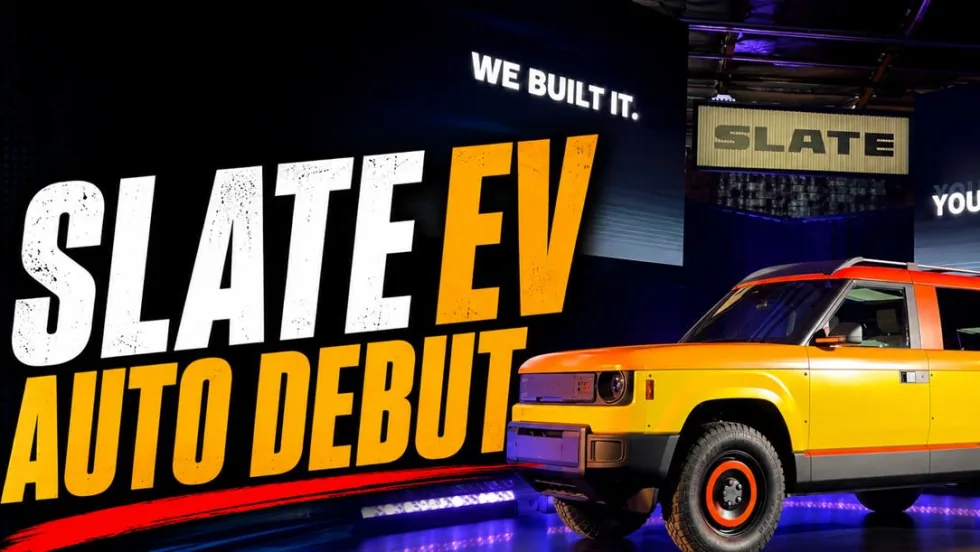
Slate’s Electric Vehicle Favors Distinctly American Consumer Tastes
The recent rollout of the manufacturer’s pickup and SUV models hits all the right preference buttons of today’s vehicle buyers in a free market.
Read More →
Why EV Rental Fleets Should Stay Limited And Find Their Niche
A fleet of electric rental cars can't simply be rented out to all customers. Know your neighborhoods and clients first.
Read More →
Fuel Price Spike Revives EV Appeal
Hints of renewed interest in electric vehicles evoke the diesel fever of the late 70s disco era. This one will end better.
Read More →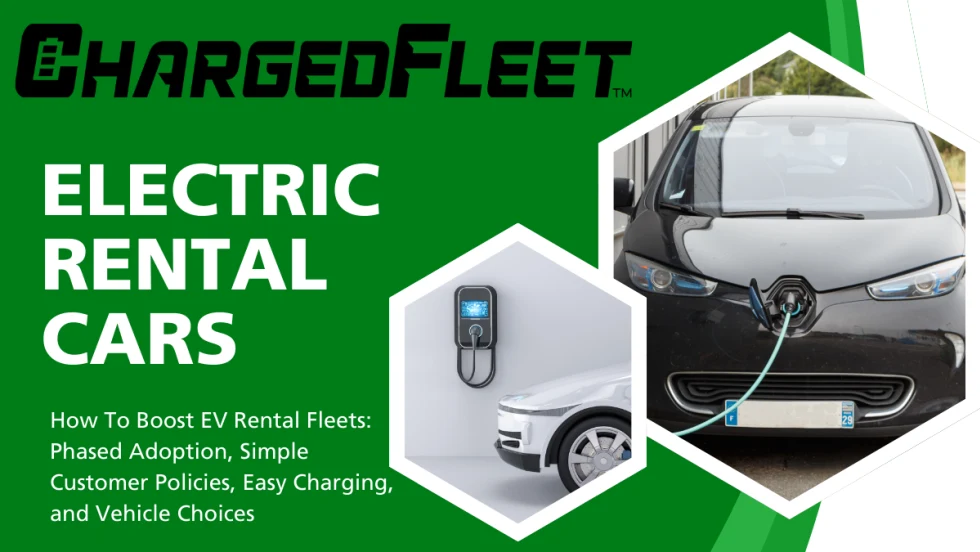
Why The EV Market Staggers Into Uncertainty
If electric vehicles are meant to succeed long-term, then they must move further into the automotive sector without the pressure and mandates.
Read More →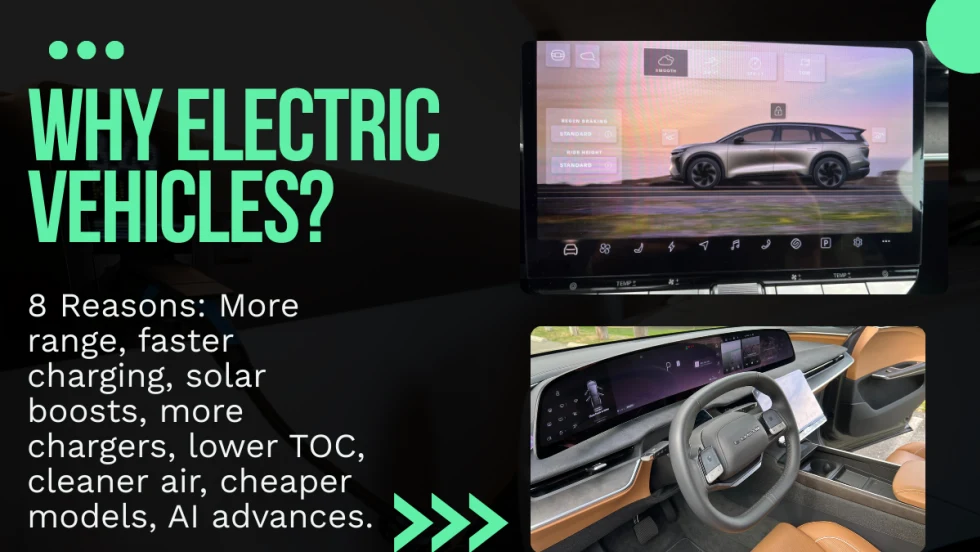
EV Test Drive Hints At ICE Parity — Someday Sooner
Electric vehicles already embody the advantages that will improve them in the long term and make them more competitive.
Read More →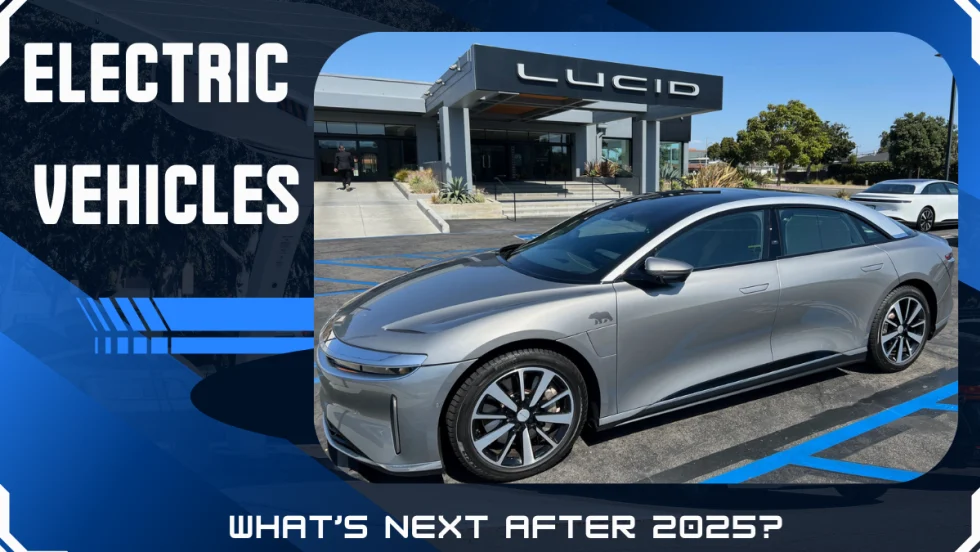
Welcome To The Rockin’ Free World, EVs
The world’s most subsidized and promoted vehicles in automotive history must now leave the safe space and go out on their own.
Read More →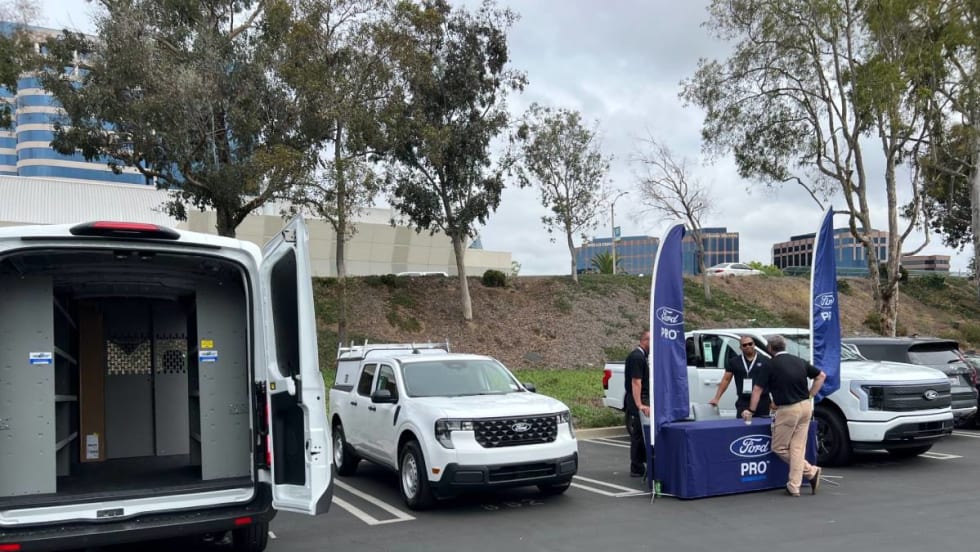
Rental Car Industry Reaffirms the Hard Lessons of EVs
With OEMs pulling back on EVs and the sunset of federal incentives, the EV market must pivot to a more practical and measured state.
Read More →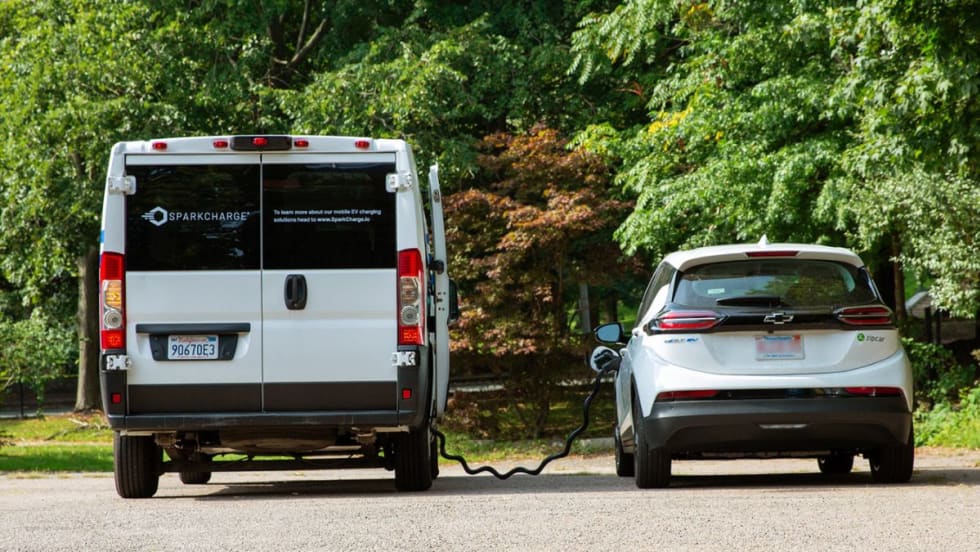
Mobile Charging Could Reset Rental EV Usage
While EVs present challenges, technology keeps advancing to solve problems, such as flexible EV charging support for car renters.
Read More →
The Electric Vehicle Reality Checks Are Coming
The EV fleet industry is moving from a visionary period to one of practical choices and steps toward electrification.
Read More →
Lordstown Endurance Ready To Redefine Work Fleet Service
A recent visit by the alpha version of the electric pickup truck to Southern California points to a future of cleaner, efficient, and more affordable work truck fleets.
Read More →