


Rental Car Industry Reaffirms the Hard Lessons of EVs
With OEMs pulling back on EVs and the sunset of federal incentives, the EV market must pivot to a more practical and measured state.

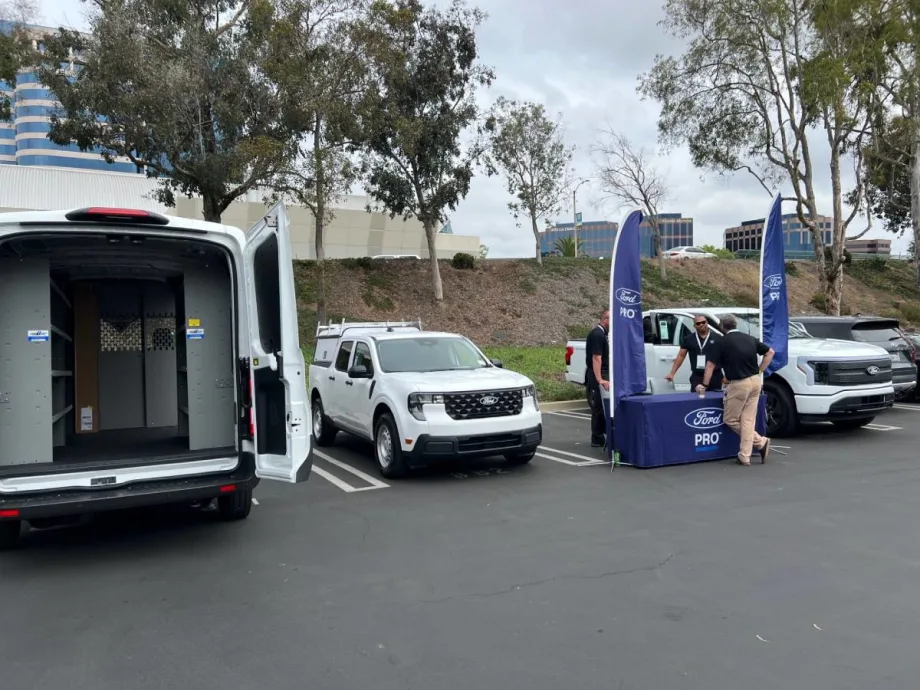
In the new EV market environment, fleet operations should carefully analyze the projected ROI, TCO, and wholesale/resale values before buying new fleet EVs.
Photo: Martin Romjue / Charged Fleet
The EV market enters another phase this year, one that suggests a possible middle way between the initial burst of adoption hype and rosy scenarios of 2020-2022 and a politicized period of enthusiasm versus pushback that followed.
Most notable this year are the lack of independent profitability for EV manufacturers and divisions, and the Presidential Administration’s pullback from federal EV support and numerous green programs.
During a recent roundtable on the state of the car rental industry, participants assessed the impact of expiring EV credits and the value of EV assets on the car rental industry.
As Charged Fleet and Auto Rental News and other media outlets previously reported, Hertz sustained a major setback when it unloaded most of the 30,000 EVs from its fleet since 2023. Aside from customers resisting the electric rental cars, installing infrastructure proved costly and vehicle ranges were not long enough to give car renters confidence with long distances.
In one example cited during the discussion, a typical car renter at the Denver International Airport will likely head to destinations in the Rocky Mountain ranges with fewer and more dispersed EV chargers than in urban areas. In Denver, the average miles per transaction is 500, which means most car renters will worry about running out of juice in a remote location.
At most, rental EVs are more suited to urban areas where the average mileage per rental transaction is fewer than 300 miles, which matches the maximum ranges of most EVs.
Participants concluded rental EVs will be relegated to smaller, independent operators serving niche customer markets.
Hertz serves as a worst-case warning about pursuing too many fleet EVs too soon. It was a bad investment that battered company finances and led to an executive shakeup in 2024. Fortunately, they got out of EVs before the financial consequences irreparably damaged the company.
Rental car companies must balance their fleet mix of ICE vehicles and EVs and adjust pricing to remain profitable. If an EV doesn’t earn its keep, then it’s time to get rid of it.
Expiring EV credits and major losses from EV OEMs are reconfiguring the entire electric vehicle market, while spurring fleets to reevaluate their EV positions.
The end of the federal subsidies brings some much-needed clarity. Even during the period of the $7,500 per EV federal credit, EVs proved more expensive than ICE vehicles overall and depended on partially unreliable and scattered charging networks.
It’s also fueling more strident calls for pragmatism on the route to electrification. Among the latest widely reported developments in the media:
GM is taking a $1.6 billion charge on its EV segment amid sinking demand and production cuts. It concedes most consumers are not ready to switch from ICE vehicles.
GM CEO Mary Barra, after vowing and wowing for an all-electric vehicle future by 2035, is now reaffirming the profitable truck and SUV business that earns GM its profits and has floated the money losing EVs.
Nissan Americas Chairman Christian Meunier has stated publicly that EVs are on a long-term track but should not be forced on auto consumers.
European automakers are lobbying to ease emissions reduction mandate, as VW cuts 35,000 jobs amid high electrification costs.
The European head of Stellantis said the auto industry cannot realistically achieve the European Union’s emissions targets for 2030 and 2035.
Canada and the U.K. have either paused or delayed its EV targets and timetables as economic and market realities take hold.
Toyota’s promotion of its hybrids over EVs is looking wiser now, given it has escaped much of the fallout from over-optimistic EV production.
Beyond the mainstream OEMs, upstart independent EV manufacturers have tangled with bankruptcy, huge financial losses, production costs, downsizing, and increased leverage to survive.
Even the Chinese EV market, which has the largest and most aggressive EV industry, displays some wobbles weakness as lower profitability becomes the price for a higher market share.
What does a less subsidized and incentivized EV market mean for fleets?
EV manufacturers must now maneuver with fewer props in the free market, just like ICE vehicles. States still vary in their credits and incentives, but the foundational federal credit is likely gone for the duration of this Presidential administration.
Just as OEMs and rental car companies must make practical choices about EV production and purchasing, fleets must re-evaluate their total costs of ownership and usage logistics in weighing whether to reduce EV fleet, maintain the same, delay future purchases, or keep their momentum.
Fleet managers should consider the following variables:
What is the total out-the-door costs of fleet EVs given the expired federal incentives? Is there enough pricing flexibility to retain pricing that reflects the credit amount?
With used EVs flooding the wholesale and retail markets, what is the outlook for depreciation, resale values, and remarketing options? Will a purchase today likely retain its expected value as before?
If buying higher-priced EVs, does the TCO over the lifecycle and duty-cycles of the fleet EV still favor a feasible ratio of capital costs to operating costs?
Bottom line: Is a fleet operation saving money by running EVs? In the current “freer market” environment for EVs, that should be the only criteria on whether to invest in EVs.
Since the EV market took off post-2020, the automotive industry has factored in the many government regulations, mandates, and incentives that nudge or distort the EV market. Government EV policies could always return in some form depending on the future political winds.
For now, decisions on EV fleeting should be made with a harder nose and a shrewder strategy.
More Blog Posts

Slate’s Electric Vehicle Favors Distinctly American Consumer Tastes
The recent rollout of the manufacturer’s pickup and SUV models hits all the right preference buttons of today’s vehicle buyers in a free market.
Read More →
Why EV Rental Fleets Should Stay Limited And Find Their Niche
A fleet of electric rental cars can't simply be rented out to all customers. Know your neighborhoods and clients first.
Read More →
Fuel Price Spike Revives EV Appeal
Hints of renewed interest in electric vehicles evoke the diesel fever of the late 70s disco era. This one will end better.
Read More →
OEM Confessions About Electric Vehicles
The latest financial disclosures from Stellantis and Honda tell some hard truths about the hyped over-investing in electric vehicles.
Read More →
Why The EV Market Staggers Into Uncertainty
If electric vehicles are meant to succeed long-term, then they must move further into the automotive sector without the pressure and mandates.
Read More →
EV Test Drive Hints At ICE Parity — Someday Sooner
Electric vehicles already embody the advantages that will improve them in the long term and make them more competitive.
Read More →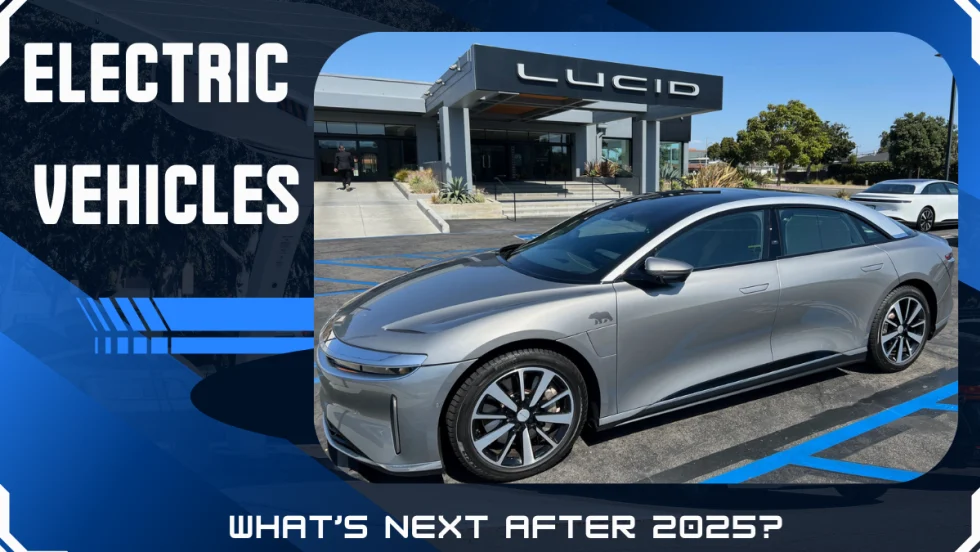
Welcome To The Rockin’ Free World, EVs
The world’s most subsidized and promoted vehicles in automotive history must now leave the safe space and go out on their own.
Read More →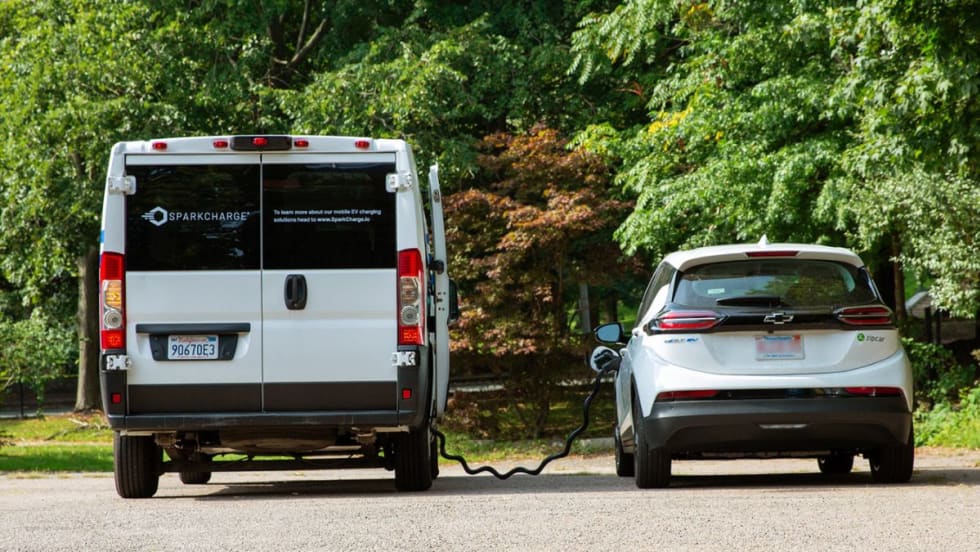
Mobile Charging Could Reset Rental EV Usage
While EVs present challenges, technology keeps advancing to solve problems, such as flexible EV charging support for car renters.
Read More →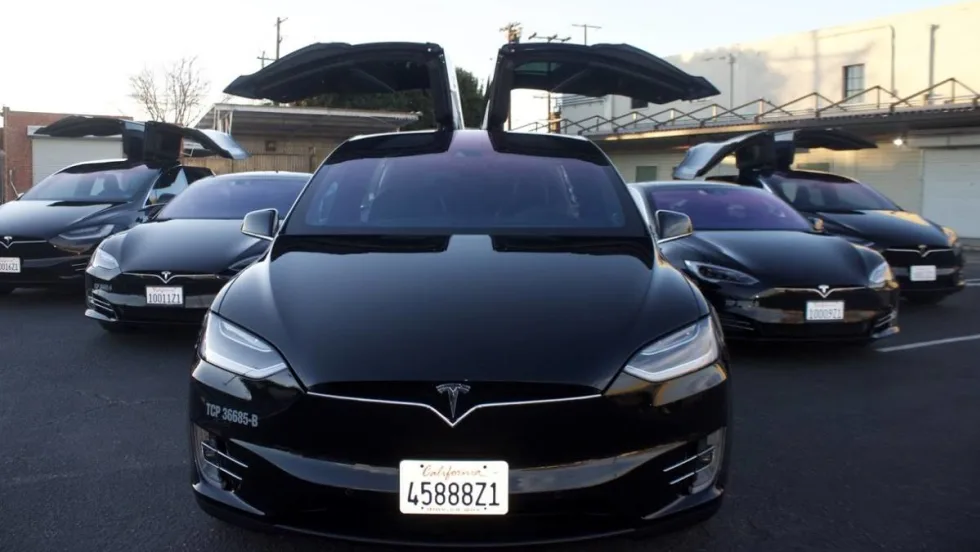
The Electric Vehicle Reality Checks Are Coming
The EV fleet industry is moving from a visionary period to one of practical choices and steps toward electrification.
Read More →
Lordstown Endurance Ready To Redefine Work Fleet Service
A recent visit by the alpha version of the electric pickup truck to Southern California points to a future of cleaner, efficient, and more affordable work truck fleets.
Read More →