


Mobile Charging Could Reset Rental EV Usage
While EVs present challenges, technology keeps advancing to solve problems, such as flexible EV charging support for car renters.

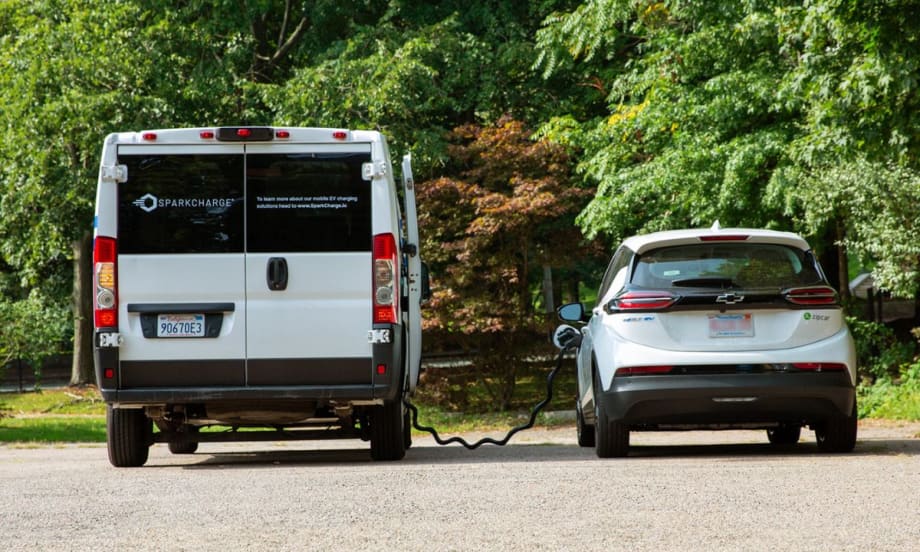
For EV clients such as Zipcar, SparkCharge sets up mobile chargers in different locations and then dispatches chargers that can be easily recharged and serviced at field or outlying locations.
Photo: SparkCharge
The car rental industry saw a major setback in fleet electrification last year when Hertz had to de-fleet most of its electric vehicle rentals due to diminished interest from car renters.
Many customers find EVs complicated when renting them in unfamiliar cities or locations while traveling. They had to figure out how to drive them while finding the right charging stations, which only aggravates the range anxiety. Knowing what mileage interval to charge and for how long comes with practice but can't be learned over the course of one rental.
Some rental car operators have told me they plan to wait years before taking in EVs due to customer resistance.
Mobile Charging Connects To Convenience
Enter mobile charging equipment, deployed across movable networks that can stay for as long as needed.
I spoke recently with Yves Toussaint, the vice president of operations for SparkCharge, one of the world’s largest mobile EV fleet charging networks and a creator of one of the first portable, off-grid chargers.
The company offers a mobile, modular, and scalable EV charging network, unlike traditional stationary installers. Fleet operators get a complete onsite team to manage charging, eliminating the need for heavy infrastructure or additional staffing, delivering energy when and where it’s needed.
The company works with rental car, car sharing, and last-mile delivery fleets, in addition to commercial, school bus, and municipal government fleets. SparkCharge has worked with fleets nationwide, including major rental fleet companies in states such as California, Texas, and Massachusetts.
“We work with different clients who have different needs,” Toussaint told me. “Sometimes they want a solution that's more mobile because of how the vehicles are positioned in their yards. Some of them want more, such as semi-fixed infrastructure. We can come with the equipment and deliver the solution without trenching or digging or long delays to get them electrified.”
SparkCharge can provide a 60-kilowatt-hour battery or ramp up to something as large as a 300-plus-kilowatt-hour battery delivered onsite. Fleets can use power hubs of containers and trailers to recharge vehicles, as well as microgrids.
For those operations with 480-volt power available, SparkCharge can install connections for DC fast charging.
The company uses proprietary recharging processes and equipment to recharge its mobile battery units and outlets as needed at client sites.
“We work alongside their teams to understand the forecast of how many electric vehicles will return daily," Toussaint said. SparkCharge often provides mobile battery-powered units onsite that match the turnover volume of EVs cycling through the rental operation.
Decentralized Fleet Plan For Customers
The area of service I found with the most potential for rental cars is what Toussaint refers to as decentralized fleets.
"People may be scattered around in different areas," he said, referring to car-sharing companies like Zipcar. In such scenarios, SparkCharge sets up mobile chargers in different locations and then dispatches chargers that can be easily recharged and serviced at field or outlying locations.
Another client segment is special events, such as the Masters Tournament and other high-end sports and entertainment events that require a more "white glove" high-touch approach to charging luxury vehicles and making sure they are ready for multiple stops and trips.
Celebrities, A-listers, and sponsors are often shuttled or driven to various stops in electric vehicles that must be kept powered throughout the event or the day.
Recently, SparkCharge handled mobile onsite charging for hundreds of EVs for players, VIPs, and staff at the U.S. Open. Its mobile charging units, which don’t require grid connection, could provide “charging as a service” to fleet owners and event planners.
Broadening EV Mobility
Considering the flexible and reliable charging options available for the fleet side, why not extend them to the rental car customer side? Why couldn’t rental car companies provide a variation of this to their car renters?
In addition to charging EVs at rental car locations, rental companies could set up mobile charging stations and power hubs at popular customer destinations.
This would eliminate the constant need for rental car users to search for available charging and visit locations set up exclusively for that business or brand.
No more concerns about checking into a hotel with only a handful of chargers that are occupied for the night. Or, given the high percentages of chargers not functioning at any given time, the search for reliable public or compatible private network chargers is sought by everyone else.
In Southern California, for example, a rental car agency could set up mobile chargers near clusters of commonly used hotels, theme parks, entertainment venues, beaches, museum districts, Hollywood, and state and national parks, where you are apt to find a constant flow of tourists and leisure travelers with rental cars. Neighborhood rental car locations could also host mobile chargers.
EV renters could be sent a link to a digital map of all rental car-branded charging locations and live access information. As an added incentive, rental providers could cover the first few, or first and last, charges.
Encouraging EV Rentals
Finding easier charging solutions may spur more customers to try out EVs. Most drivers are likely to experience an EV for the first time through a rental car company since it's one of the best ways to sample any vehicle.
Despite setbacks for electric vehicles and production cutbacks, they are likely to remain part of American ground transportation and fleet operations. The more consumers buy EVs and adapt to them, the wider the pool of travelers willing to rent them.
Until the day comes when EV chargers are as accessible, convenient, and timely as gas pumps, rental fleet operations can bridge the gap to more EV business through a network of mobile chargers, conveniently located for car renters and able to move where they do.
If you want to bring rental customers to electric vehicles, then bring the charging to them.
More Blog Posts

Slate’s Electric Vehicle Favors Distinctly American Consumer Tastes
The recent rollout of the manufacturer’s pickup and SUV models hits all the right preference buttons of today’s vehicle buyers in a free market.
Read More →
Why EV Rental Fleets Should Stay Limited And Find Their Niche
A fleet of electric rental cars can't simply be rented out to all customers. Know your neighborhoods and clients first.
Read More →
Fuel Price Spike Revives EV Appeal
Hints of renewed interest in electric vehicles evoke the diesel fever of the late 70s disco era. This one will end better.
Read More →
OEM Confessions About Electric Vehicles
The latest financial disclosures from Stellantis and Honda tell some hard truths about the hyped over-investing in electric vehicles.
Read More →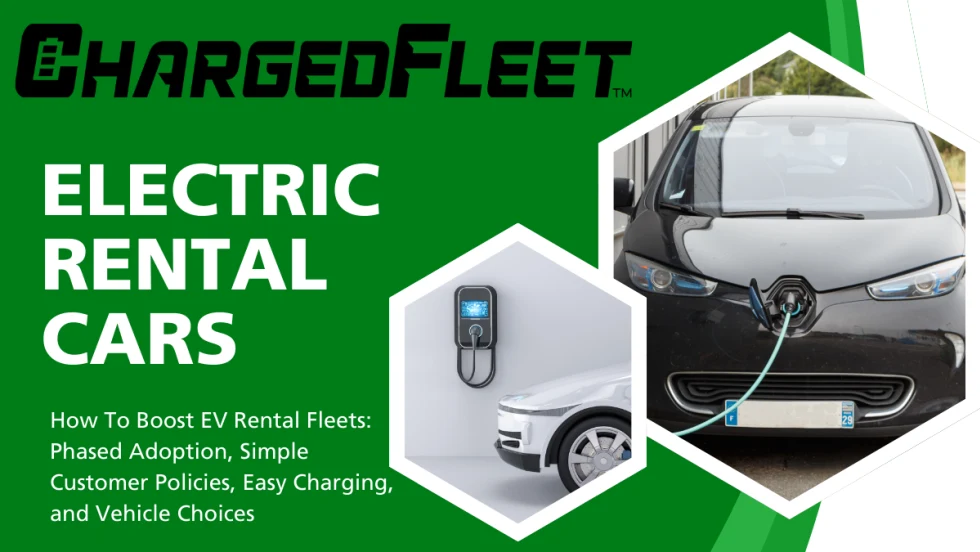
Why The EV Market Staggers Into Uncertainty
If electric vehicles are meant to succeed long-term, then they must move further into the automotive sector without the pressure and mandates.
Read More →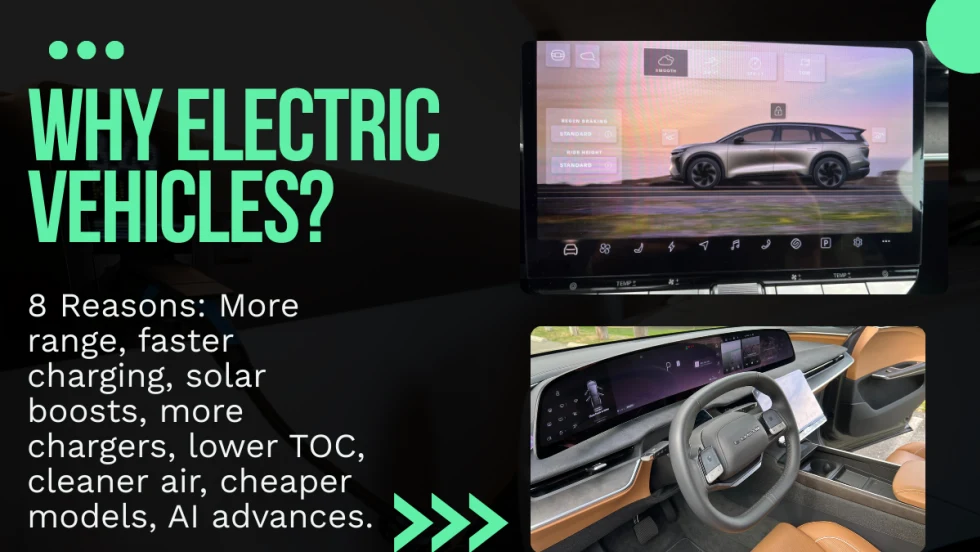
EV Test Drive Hints At ICE Parity — Someday Sooner
Electric vehicles already embody the advantages that will improve them in the long term and make them more competitive.
Read More →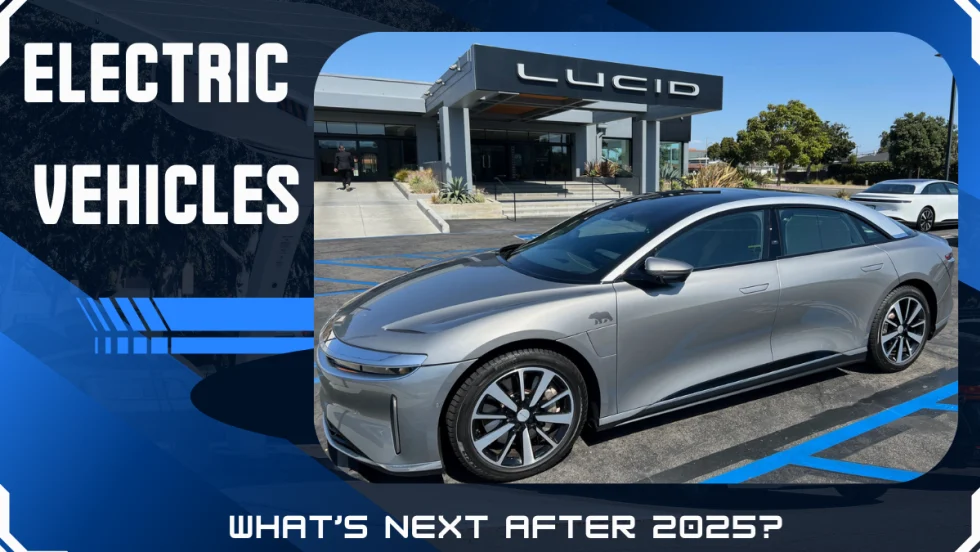
Welcome To The Rockin’ Free World, EVs
The world’s most subsidized and promoted vehicles in automotive history must now leave the safe space and go out on their own.
Read More →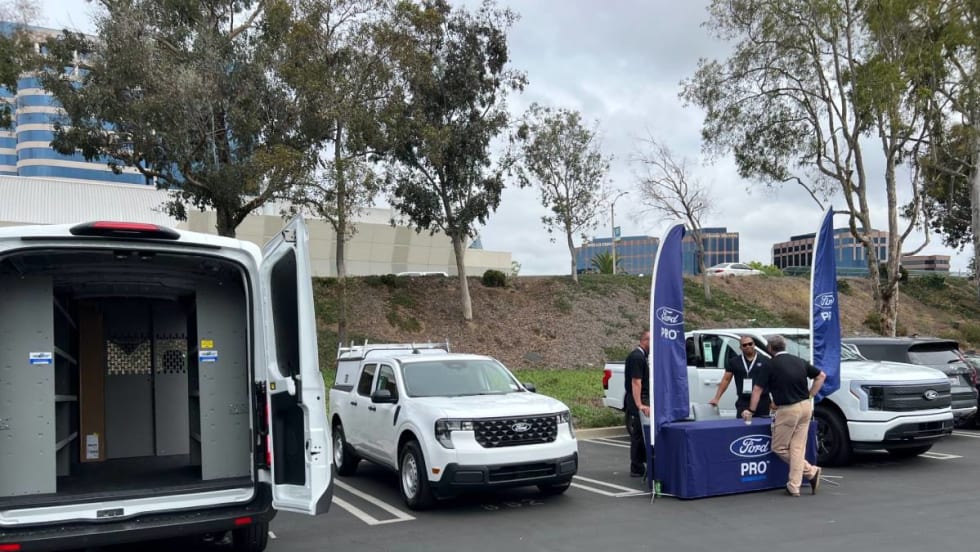
Rental Car Industry Reaffirms the Hard Lessons of EVs
With OEMs pulling back on EVs and the sunset of federal incentives, the EV market must pivot to a more practical and measured state.
Read More →
The Electric Vehicle Reality Checks Are Coming
The EV fleet industry is moving from a visionary period to one of practical choices and steps toward electrification.
Read More →
Lordstown Endurance Ready To Redefine Work Fleet Service
A recent visit by the alpha version of the electric pickup truck to Southern California points to a future of cleaner, efficient, and more affordable work truck fleets.
Read More →