


Welcome To The Rockin’ Free World, EVs
The world’s most subsidized and promoted vehicles in automotive history must now leave the safe space and go out on their own.

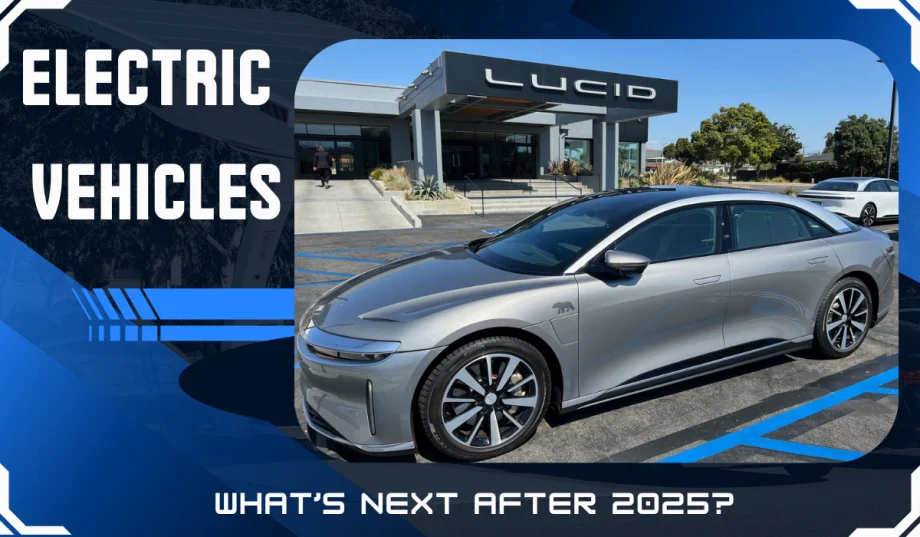
To succeed, the EV market now must draw on patience and practical approaches.
Photo: Martin Romjue / Charged Fleet
When the historical epic of electric vehicles is written years or decades from now, the end of production for the Ford F-150 Lightning pickup truck will rank among the most pivotal events on the timeline.
This golden kid fleet vehicle, an electric version of America’s top-seller, the Ford F-150 pickup truck, over four years caused the automaker to lose billions and brought flagging sales. It was intended to be the highest-profile electric work truck, destined to transform fleets that offer the greatest potential for affordable electrification.
Ford must now shift to more profitable hybrid models and reintroduce more popular gasoline-powered vehicles, particularly SUVs and pickup trucks. It will still offer an extended range of all-electric F-150 in 2027, but that only keeps the model afloat amid hope for a better future.
OEMs are reducing production and/or EV models due to low demand and staggering losses in their EV divisions. Other startups vanished amid competition and high costs.
As Hertz painfully learned in 2023 when it fire-sold off thousands of electric rental cars, furious renters roundly rejected the complexity and unfamiliar charging access of EVs.
The number one lesson: If customers won’t rent one, they are unlikely to buy one.
In a nutshell, Toyota was right: Double down on hybrids, tread carefully with EVs.
Federal tax credits and incentives served as enablers of a massive miscalculation among EV manufacturers.
Near and Long-Term Outlooks for EVs
So, what comes next for EVs?
In the near term, EV sales will fall and flatten as the market absorbs the shock of yanked incentives, and many buyers nix the idea. Political skirmishes will continue to distract the EV market.
In the long term, EVs could prove their worth unencumbered by government incentives and interference and emerge as a stronger, more desirable alternative to ICE vehicles.
As we've seen over the last five years, EV batteries, range, technology, charging, and performance will only improve as advances accelerate. EV quality has gained faster than expected.
What we cannot ignore is buyer psychology. Beyond early adopters who want to appear trendy or virtuous, most commercial and consumer buyers make a rational decision to purchase the vehicle with the most cost-benefit in their price range.
If EV manufacturers in the U.S. can develop more affordable models and abundant rapid charging, then they won’t need the boost from incentives and subsidies.
They can build something, and the buyers will come.
For fleets, the threshold for adopting electrification will always be lower than that for retail consumers. For one, fleet vehicles operate on defined routes and follow set duty cycles. They don’t travel anywhere in any direction 24/7 as all-purpose vehicles driven by individual owners.
Even without incentives, the economies of scale and energy savings remain for fleet operations. Delivery, rideshare, municipal, and other lighter-duty fleets will only become stronger candidates for electrification as EVs inevitably improve.
New EV Challenges For Fleets
The challenge for fleets now lies in navigating the new market environment. If consumer purchases decline, then unsold EV inventory becomes more attractive to the fleet market as manufacturers cut prices to move sales.
The main principle for fleets to understand is that they don't have to transition all at once. Start with a few vehicles at a time and evaluate them using Charging as a Service (CaaS) or Electric Vehicle as a Service (EVaaS) models. Mobile charging also provides an option. Such programs eliminate the intimidation, labor, and cost burdens associated with purchasing and installing a complete electric fleet infrastructure.
To succeed, the EV market now must draw on patience and practical approaches. Manufacturer investments in R&D, new technologies and batteries, and streamlined production will underpin the future EV market.
Stronger messaging and education about EV advantages can cut through the politics of climate change hysteria and mandates, as well as the EV-trashing rooted in distortions and misleading claims.
Common Sense Will Prevail On EVs
Vehicle buyers, both business and consumer, ultimately pursue their self-interest when choosing vehicles. If they see something that works for them, they exercise their free-market freedoms to get it. It’s up to the builders and providers to get it right, not a government subsidy program.
After all, when has the government ever had to incentivize or rebate consumers to buy overpriced handcrafted coffees at Starbucks?
Why don’t governments subsidize purchases of aspirational luxury goods, like purses, watches, and shoes?
Do politicians clamor to provide taxpayer-funded support for iPhones?
EVs can now enjoy the same unfettered opportunities in the free market. Build it so they will find you and line up with money in hand.
More Blog Posts
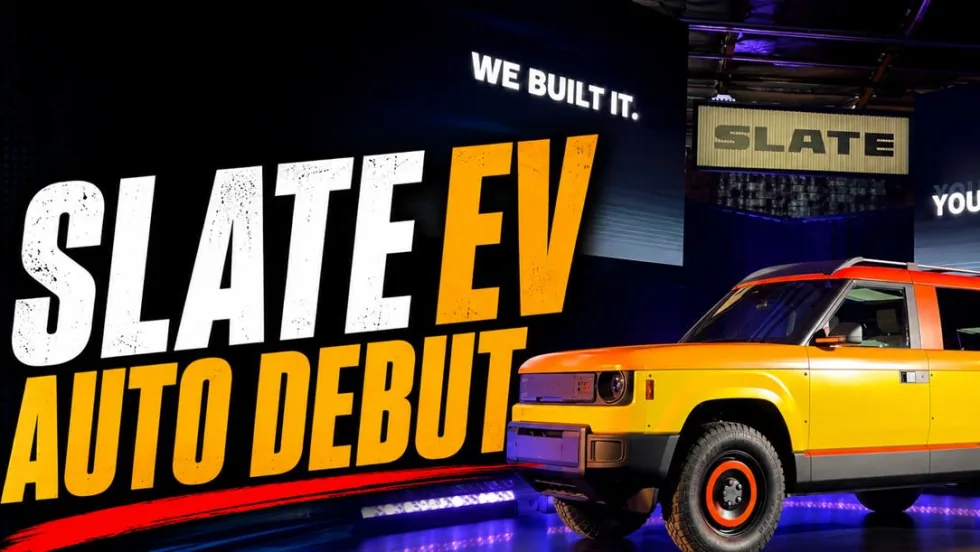
Slate’s Electric Vehicle Favors Distinctly American Consumer Tastes
The recent rollout of the manufacturer’s pickup and SUV models hits all the right preference buttons of today’s vehicle buyers in a free market.
Read More →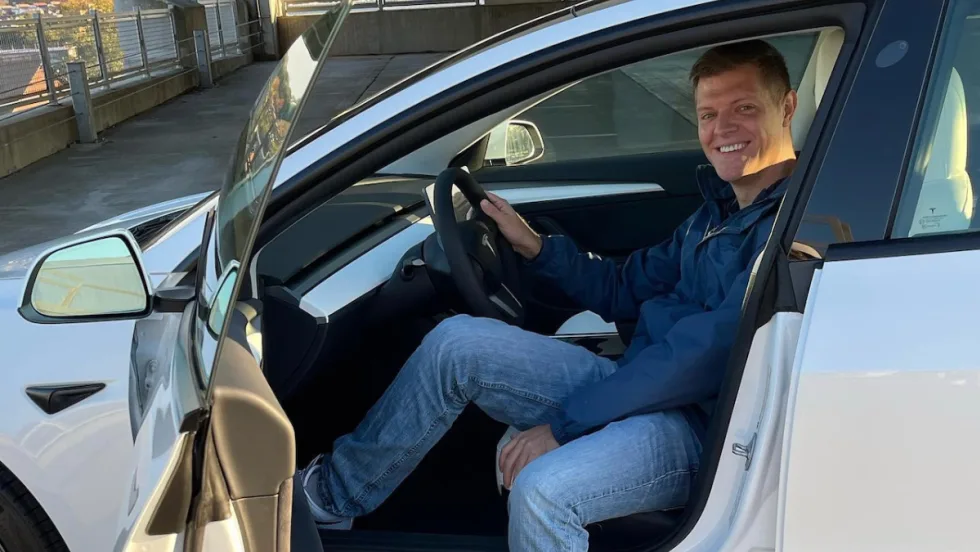
Why EV Rental Fleets Should Stay Limited And Find Their Niche
A fleet of electric rental cars can't simply be rented out to all customers. Know your neighborhoods and clients first.
Read More →
Fuel Price Spike Revives EV Appeal
Hints of renewed interest in electric vehicles evoke the diesel fever of the late 70s disco era. This one will end better.
Read More →
OEM Confessions About Electric Vehicles
The latest financial disclosures from Stellantis and Honda tell some hard truths about the hyped over-investing in electric vehicles.
Read More →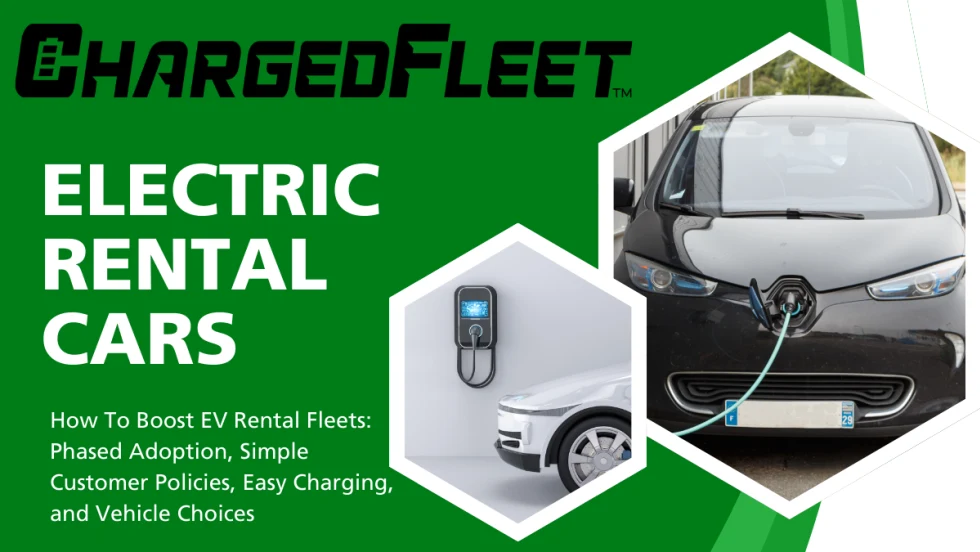
Why The EV Market Staggers Into Uncertainty
If electric vehicles are meant to succeed long-term, then they must move further into the automotive sector without the pressure and mandates.
Read More →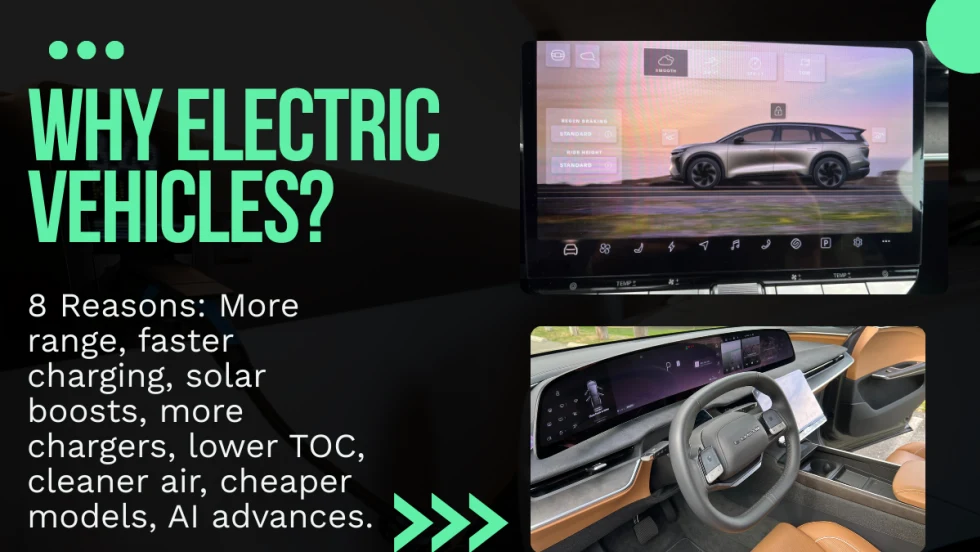
EV Test Drive Hints At ICE Parity — Someday Sooner
Electric vehicles already embody the advantages that will improve them in the long term and make them more competitive.
Read More →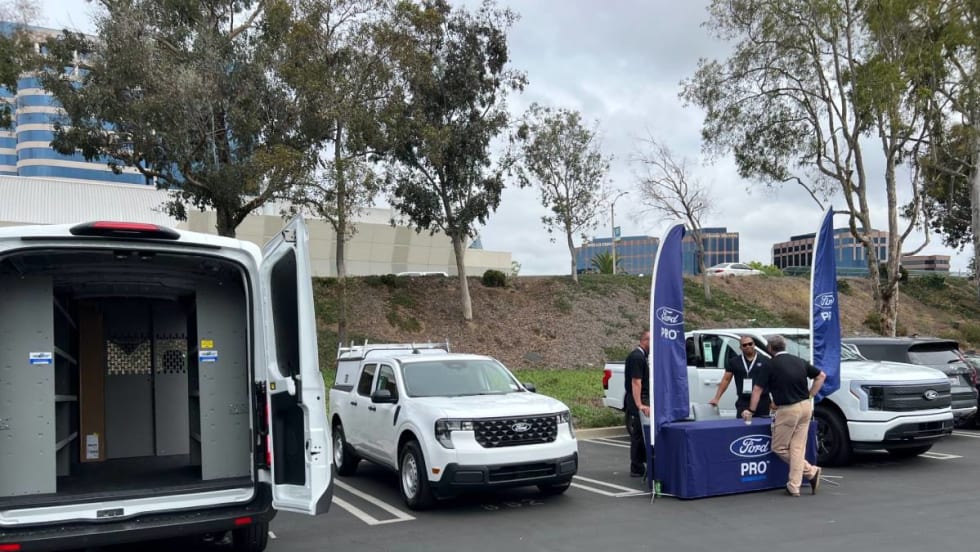
Rental Car Industry Reaffirms the Hard Lessons of EVs
With OEMs pulling back on EVs and the sunset of federal incentives, the EV market must pivot to a more practical and measured state.
Read More →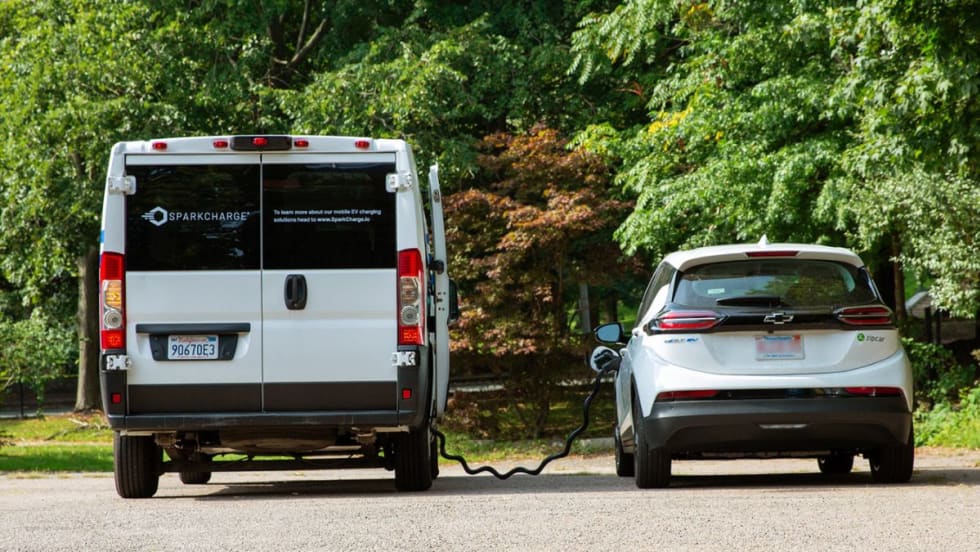
Mobile Charging Could Reset Rental EV Usage
While EVs present challenges, technology keeps advancing to solve problems, such as flexible EV charging support for car renters.
Read More →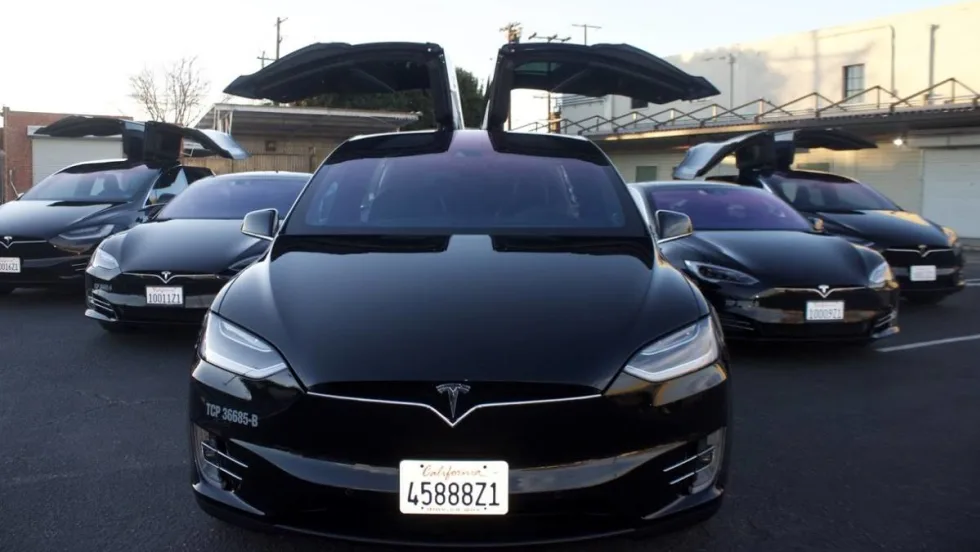
The Electric Vehicle Reality Checks Are Coming
The EV fleet industry is moving from a visionary period to one of practical choices and steps toward electrification.
Read More →
Lordstown Endurance Ready To Redefine Work Fleet Service
A recent visit by the alpha version of the electric pickup truck to Southern California points to a future of cleaner, efficient, and more affordable work truck fleets.
Read More →