


EV Test Drive Hints At ICE Parity — Someday Sooner
Electric vehicles already embody the advantages that will improve them in the long term and make them more competitive.

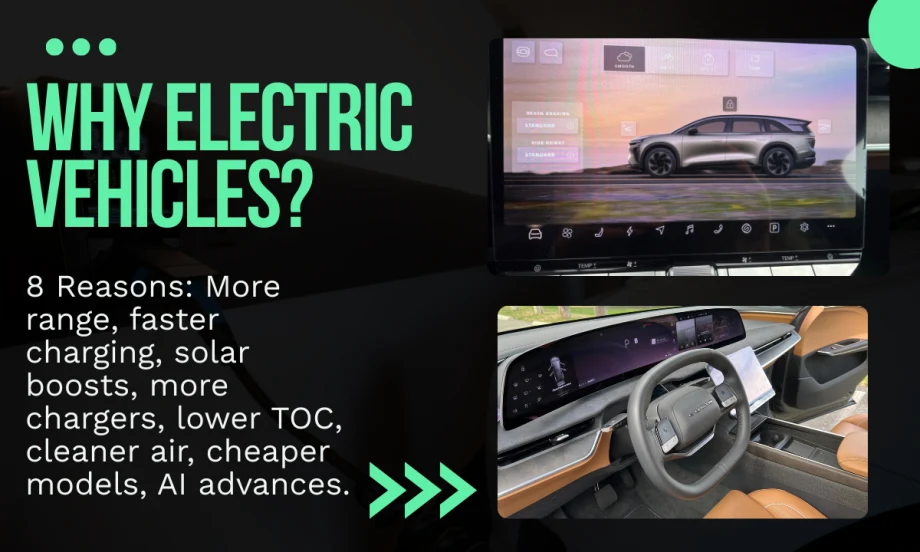
When you look at all the potential and progress of EVs, no one should doubt they are headed for a competitive automotive future.
Credit: Martin Romjue / Charged Fleet
Let’s just say I had a lucid experience last week.
While test-driving the new Lucid Gravity SUV, this electric vehicle clearly reaffirmed more than any others I’ve sampled that EVs are on the way to equal and even surpass internal combustion engine vehicles.
It was my smoothest interaction with an EV so far (my Charged Fleet vehicle review is in the works).
The EV industry now faces a period of setbacks and uncertainty, with some backlash brewing over costs after federal tax credits expired last year, which led to plunging sales. Meanwhile, range anxiety, long charging times, and charger shortages continue to spur consumer resistance.
But technology never slacks off as it pushes relentlessly forward.
The Gravity underscores that ongoing advances need to reach their full potential before more buyers feel confident buying EVs.
Here are some successes and pending breakthroughs for EVs likely to boost their appeal against ICE vehicles:
More Range, Faster Charging Times
New models like the high-range Lucid EVs and the 2027 Volvo EX60, which offers 400 miles of range even with all-wheel drive, will reduce range anxiety. Ultra-fast charging is becoming more common, with some systems adding up to 170 miles of range in 10 minutes. While ICE vehicles can refuel faster, newer chargers are closing the gap in speed. By 2030, an EV driver could pull up to a charging station and be fully filled up and paid within 10 minutes.
Solar Powered Self-Charging
New tech can enable EVs to generate solar-enhanced power to complement range, at least when the sun is shining. This can reduce the frequency of charging sessions. Wireless charging ports in parking lots and along highways could also prolong charging intervals.
TOC Brings More Value
The total cost of ownership now still favors EVs, but over a longer period, given the higher purchase cost. The fact remains that most electricity is cheaper than gasoline, and EVs require fewer parts and maintenance. The concept of an “old car” will shift now that batteries endure longer than expected.
And when you consider how Chinese-built BYD EVs are advancing, and their lower prices, the TOC for EVs will gain value.
Long-Term Emissions Cut
Even when factoring in emissions from electricity generation, EVs tend to emit less carbon dioxide over their lifetimes than ICE vehicles. As grids also become greener, zero-tailpipe-emission EVs will increasingly contribute to cleaner air.
Charging Infrastructure Will Expand
While charging infrastructure remains tight and/or sparsely available in some regions, the number of EV chargers is rapidly growing, enabling more convenient charging in urban areas.
Chargers can now also electronically recognize a customer vehicle and credit card, ensuring seamless insertion and charging without the use of apps, credit cards, or charger-station commands.
That is already a step ahead of accessing most ICE vehicle fuel pumps.
Future EV and charger designs are moving toward “gas-pump-like” speeds within the next several years under the right conditions.
Newer, More Affordable EV Models
More OEMs are bringing cheaper all-electric compacts and crossovers to market to create an affordable tier for more buyers. Many new EVs include advanced infotainment, connectivity, and driver-assist tech that rival or exceed equipment typical in ICE vehicles.
Smarter AI-Driven Features
AI interfaces and functions will improve usability, convenience, customization, and comfort, thereby boosting the appeal of owning an EV. EV platforms are well-suited to integrating cutting-edge smart systems.
For all the naysayers on EVs and media figures declaring them dead, the technology, ingenuity, and creativity behind EVs will win the cost-efficiency race.
Consumers never need any incentives or influencers to size up which products and options are best for them.
More Blog Posts
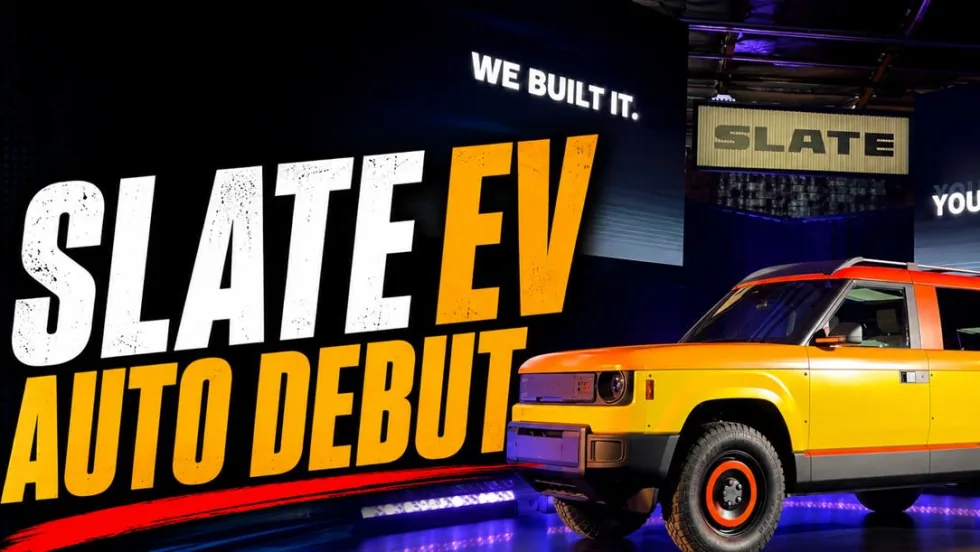
Slate’s Electric Vehicle Favors Distinctly American Consumer Tastes
The recent rollout of the manufacturer’s pickup and SUV models hits all the right preference buttons of today’s vehicle buyers in a free market.
Read More →
Why EV Rental Fleets Should Stay Limited And Find Their Niche
A fleet of electric rental cars can't simply be rented out to all customers. Know your neighborhoods and clients first.
Read More →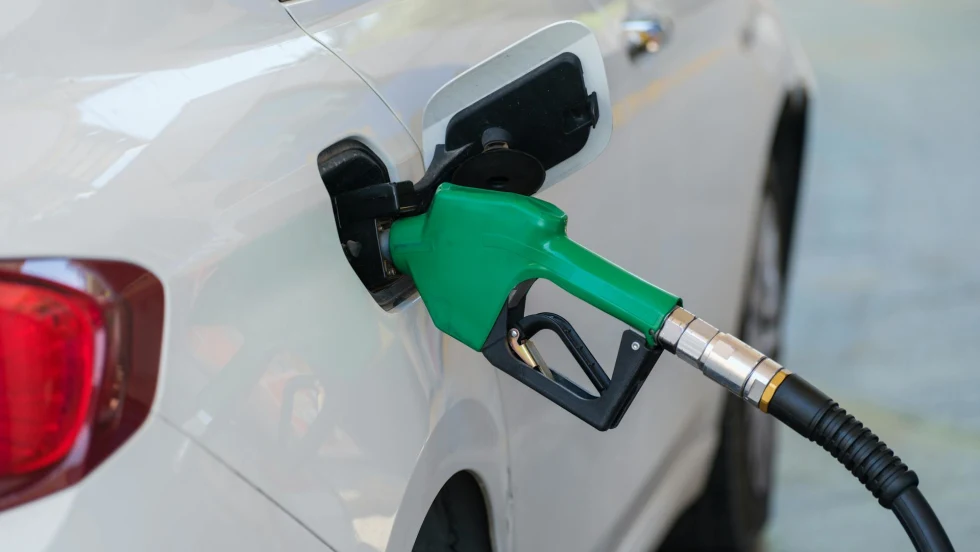
Fuel Price Spike Revives EV Appeal
Hints of renewed interest in electric vehicles evoke the diesel fever of the late 70s disco era. This one will end better.
Read More →
OEM Confessions About Electric Vehicles
The latest financial disclosures from Stellantis and Honda tell some hard truths about the hyped over-investing in electric vehicles.
Read More →
Why The EV Market Staggers Into Uncertainty
If electric vehicles are meant to succeed long-term, then they must move further into the automotive sector without the pressure and mandates.
Read More →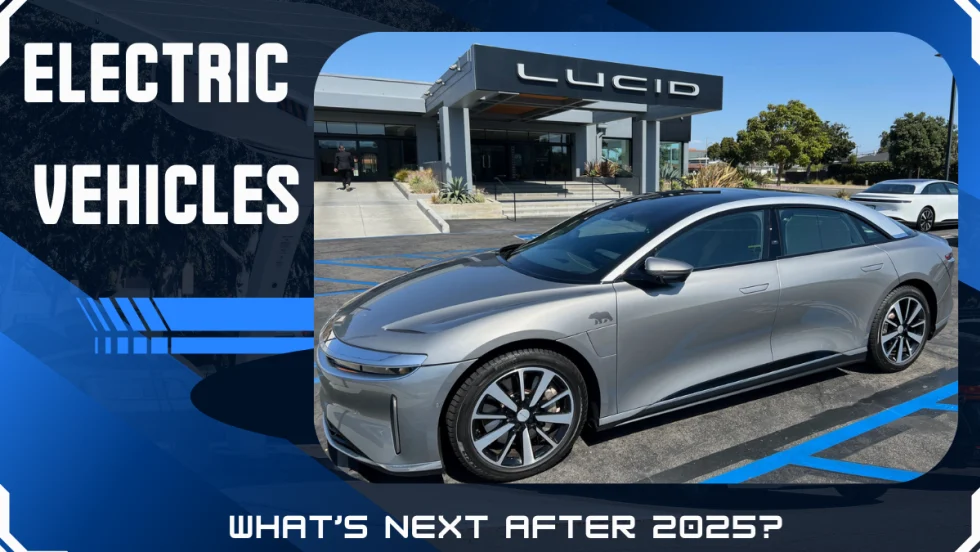
Welcome To The Rockin’ Free World, EVs
The world’s most subsidized and promoted vehicles in automotive history must now leave the safe space and go out on their own.
Read More →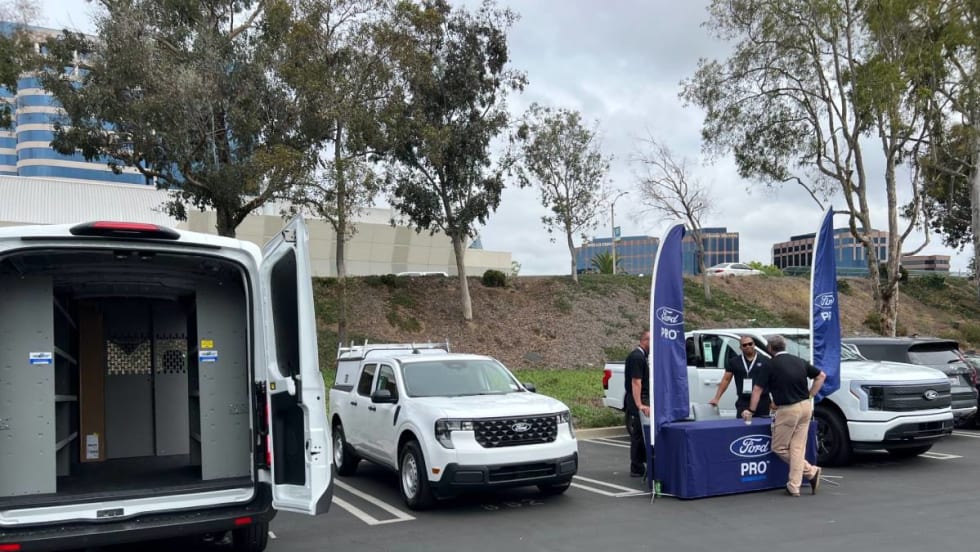
Rental Car Industry Reaffirms the Hard Lessons of EVs
With OEMs pulling back on EVs and the sunset of federal incentives, the EV market must pivot to a more practical and measured state.
Read More →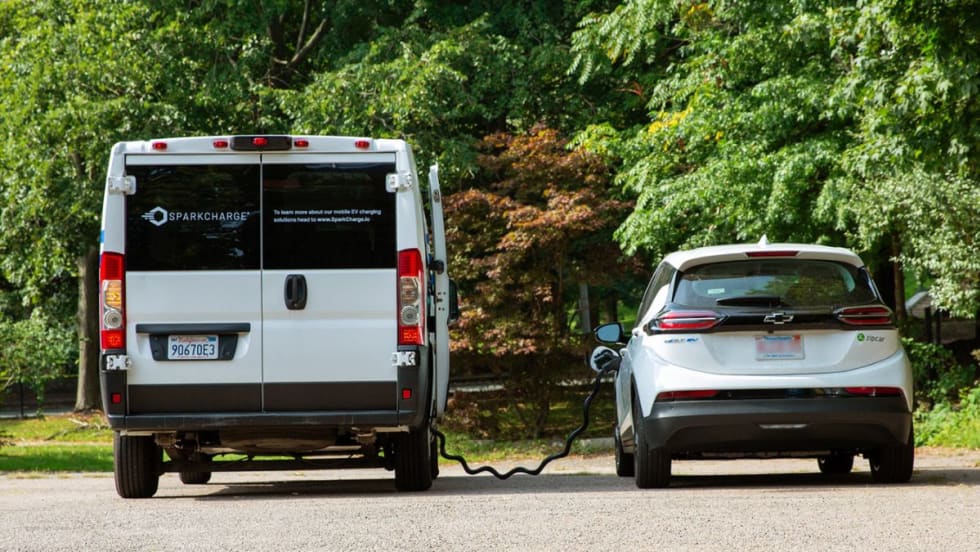
Mobile Charging Could Reset Rental EV Usage
While EVs present challenges, technology keeps advancing to solve problems, such as flexible EV charging support for car renters.
Read More →
The Electric Vehicle Reality Checks Are Coming
The EV fleet industry is moving from a visionary period to one of practical choices and steps toward electrification.
Read More →
Lordstown Endurance Ready To Redefine Work Fleet Service
A recent visit by the alpha version of the electric pickup truck to Southern California points to a future of cleaner, efficient, and more affordable work truck fleets.
Read More →