


Why The EV Market Staggers Into Uncertainty
If electric vehicles are meant to succeed long-term, then they must move further into the automotive sector without the pressure and mandates.

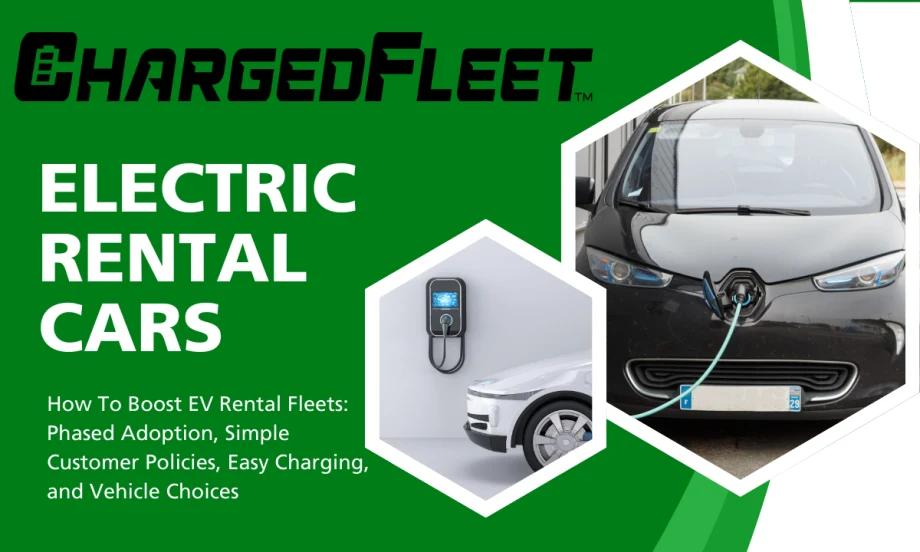
The EV industry is ready for a pivot, informed by the trials and errors of electrification during the past few years.
Credit: Charged Fleet
If you had to sum up the U.S. electric vehicle market since 2020, it could center on a slogan: Too much, too fast, too soon.
That's why EV manufacturers and suppliers are now suffering huge losses and a downturn in sales, amid sniping and doomsday predictions in the political and media realms.
Two rental car giants, Hertz and Avis, miscalculated customer demand and acceptance rates, resulting in write-downs and financial losses.
It all points to how many EV advocates forgot one basic lesson of economics: The more you interfere with a product market, the more you distort the results.
Positivity Pushes EV Market Ahead
The EV market took off after the COVID pandemic, when a chorus of government, media, and industry voices resorted to urgency and inevitability to push EV sales.
First red flag: When someone talks in “inevitable” and “settled” terms, it’s a signal to be suspicious and skeptical. In the business sector, zeal does not appeal.
Politicians heralded an existential climate crisis while EV special interests hyped immediate mass electrification, despite a lack of deeper evidence from measured adoption. Out came the government mandates and a rush to subsidize EVs through a range of incentives, rebates, and credits at the federal, state, and local utility levels.
These spurred mandates and timelines not rooted in any respect for facts whatsoever. No more gasoline vehicle sales by 2035 in California? Based on what? 65% U.S. reduction in carbon emissions by 2030 and net-zero by 2050? Determined who with what scientific conclusion beyond a reasonable doubt?
Put enough free money on the table and bang it with a heavy hand, you’ll get a lot of eager obedience driven by FOMO (fear of missing out). The President Biden-era Inflation Reduction Act of 2022 offered about $47 billion in direct incentives and investments for electric vehicles and manufacturing. The estimated cumulative EV losses among Detroit’s Big 3 total about $50 billion.
The freebies were supposed to usher in a rising wave of EV adoption and popularity. Wealthy buyers bought up EVs at high prices to signal virtue and place themselves on the cusp of big change. Many of them could afford to install Level 2 chargers in their single-family homes.
The experts excitedly told us it's like the transition from horse-and-buggy to Model T.
The EV overreach now raises the question: had the government not spent $47 billion on an EV push, would the three automakers have lost $50 billion from over-projected production and demand?
When forced or induced outcomes implode, resentment and blame proliferate; hence the now-feverish anti-EV lobby and media myths about EV failure.
Electrification Lessons Learned
So, let’s play a game of coulda-shoulda-woulda, except this round is not wistful thinking but recognizes past economic realities about state-directed versus free enterprises.
Instead of throwing money at EVs like fistfuls of birdseed, the federal and state governments could have offered structured R&D credits or loans to complement the efforts of private EV companies and manufacturers. No mandates, no nudging, no timelines.
What was apparent during the last five years was the technological potential of electric vehicles, from longer-lasting batteries to new charging standards and equipment.
EV manufacturers and industries are in the best position, with the most knowledge, to accurately assess the viability of evolving products and realistic timelines to bring them to market.
They could have researched and developed EVs at their own pace, more spurred by competition from non-U.S. manufacturers than by government mandates. That would have led to more targeted market studies and surveys, identifying which local automotive markets could be good first-wave test regions.
Meanwhile, related advertising and social media messaging could have creatively promoted first-wave electric vehicles and gauge buyer appetites.
Because of government mandates and funding, that entire process did not unfold organically, on its own merits.
Instead, America’s first major foray into electric vehicles was a rushed effort that yielded too many EV models, not enough working public chargers, and plenty of bankruptcies and missed targets. Most consumers also couldn’t afford them, even if they could muster trust in EV reliability.
Fleet operations, which have fared better given set duty cycles and controlled usage, also fell under mandates, hiring more employees and consultants, and funding the resources to electrify fleets as fast as possible. Some tried and retreated, while others succeeded at a scaled-back level, and many sat it out, waiting for more information.
Tech Determines Pace Of EV Adoption
Despite the excesses of the last five years, EVs are salvageable for the long term. Technology improves at its own speed, leading to breakthroughs that commercial and retail customers cannot resist. Look no further than the iPhone, flat screen TVs, and premium streaming.
I spoke with a rental fleet operator recently who runs 40 EVs, or about 3% of his fleet. His profitability generally matches that of ICE rental cars. His insights evoke a more realistic approach to EV adoption:
The EV landscape is still evolving, and EV adoption will likely increase over time. But fleet operators must understand local trends and customer demand.
Research your EV fleet marketplace and ensure EVs are a good fit.
EVs accumulate fewer miles per year because of lower usage and shorter trip distances.
As a result, EVs last longer in a fleet, helping depreciation even out over time and align with that of comparable ICE vehicles.
EVs are not short-term hold vehicles due to higher upfront costs, but they have very low maintenance costs.
For fleets that park vehicles overnight at a business location, having infrastructure in place makes EVs highly viable.
Infrastructure requires significant upfront investment, but if owners make it available to public EV users, they can offset costs. DC fast chargers should be available to the public because they serve the community, drive traffic to your location, and generate additional revenue.
Choose EVs with at least 300 miles of range, since that appears to be the threshold for relieving range anxiety.
Rent out EVs with a 100% charge for peace of mind. Allow customers to return EVs without recharging for a small fee. Pre-qualifying customers based on trip distance prevents service failures.
Contact your local utilities to explore pilot or grant programs that can offset infrastructure costs.
Many drivers who try EVs prefer not to return to ICE vehicles due to convenience, lower maintenance, no oil changes, and the ability to charge at home. Increased awareness helps people make informed decisions.
Notice in his analysis, there's no pressure, no deadlines, and no propaganda, which means no drama.
His points underscore the problem and solution of first-wave electrification for fleets and consumers:
The government groupthink approach disfigured the EV market, leading to confusion, controversy, and miscalculation.
The individual, local, and market-driven approach, with each manufacturer and commercial customer making their own decisions, is more likely to produce lasting electrification.
More Blog Posts

Slate’s Electric Vehicle Favors Distinctly American Consumer Tastes
The recent rollout of the manufacturer’s pickup and SUV models hits all the right preference buttons of today’s vehicle buyers in a free market.
Read More →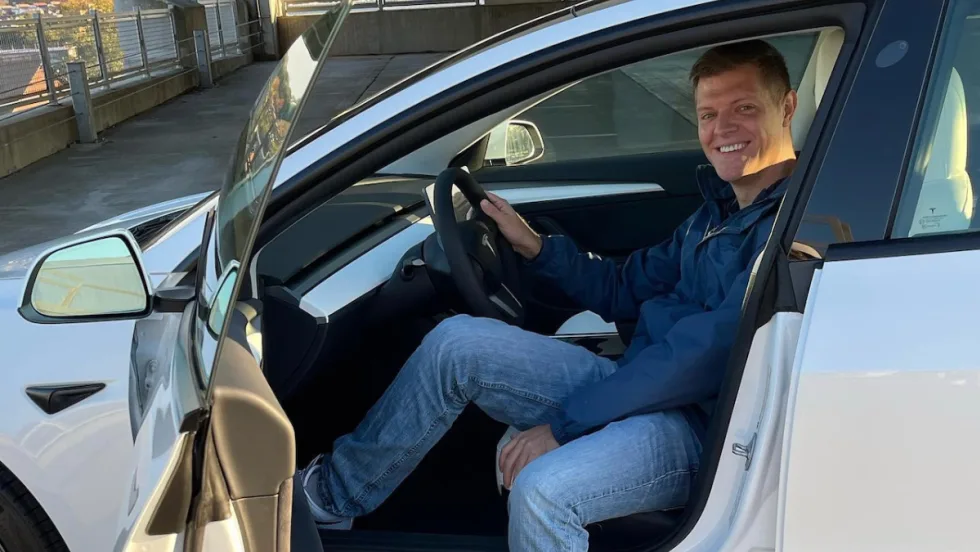
Why EV Rental Fleets Should Stay Limited And Find Their Niche
A fleet of electric rental cars can't simply be rented out to all customers. Know your neighborhoods and clients first.
Read More →
Fuel Price Spike Revives EV Appeal
Hints of renewed interest in electric vehicles evoke the diesel fever of the late 70s disco era. This one will end better.
Read More →
OEM Confessions About Electric Vehicles
The latest financial disclosures from Stellantis and Honda tell some hard truths about the hyped over-investing in electric vehicles.
Read More →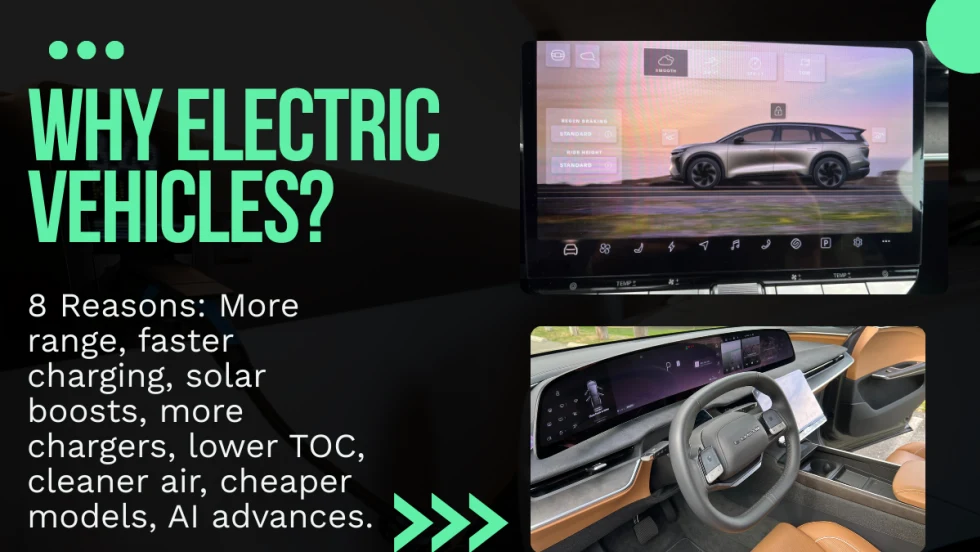
EV Test Drive Hints At ICE Parity — Someday Sooner
Electric vehicles already embody the advantages that will improve them in the long term and make them more competitive.
Read More →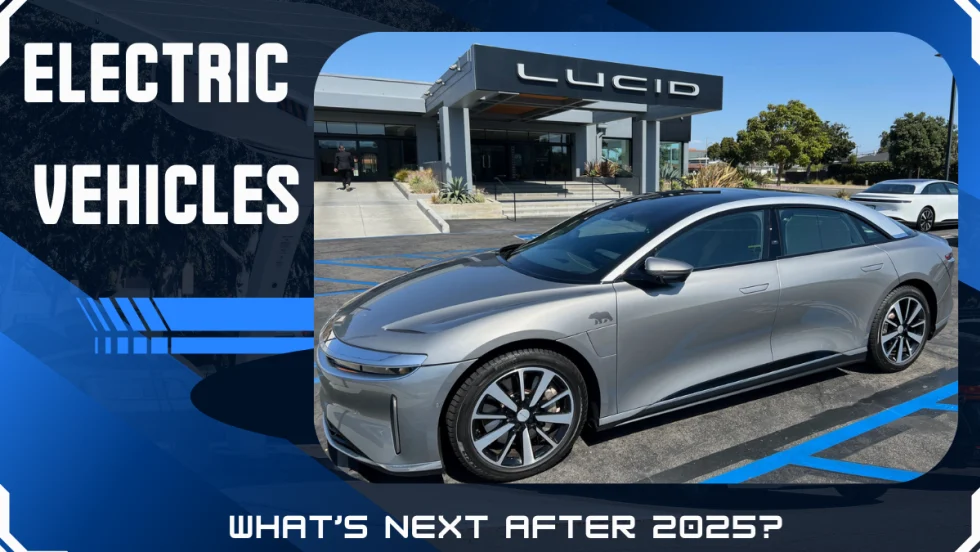
Welcome To The Rockin’ Free World, EVs
The world’s most subsidized and promoted vehicles in automotive history must now leave the safe space and go out on their own.
Read More →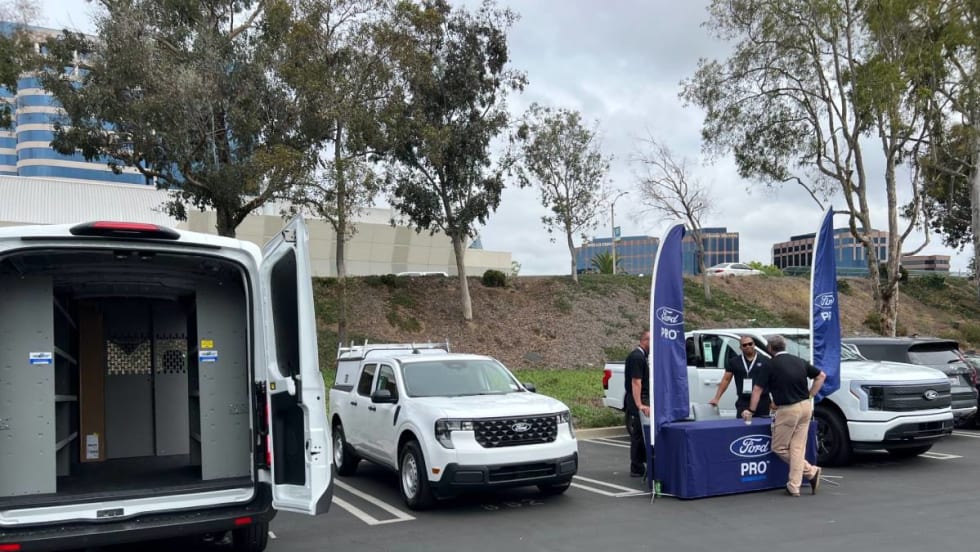
Rental Car Industry Reaffirms the Hard Lessons of EVs
With OEMs pulling back on EVs and the sunset of federal incentives, the EV market must pivot to a more practical and measured state.
Read More →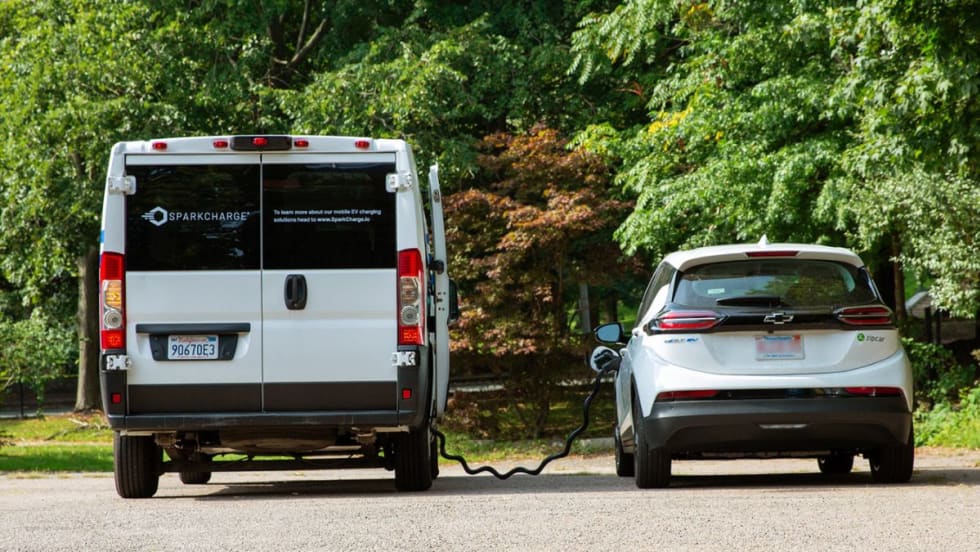
Mobile Charging Could Reset Rental EV Usage
While EVs present challenges, technology keeps advancing to solve problems, such as flexible EV charging support for car renters.
Read More →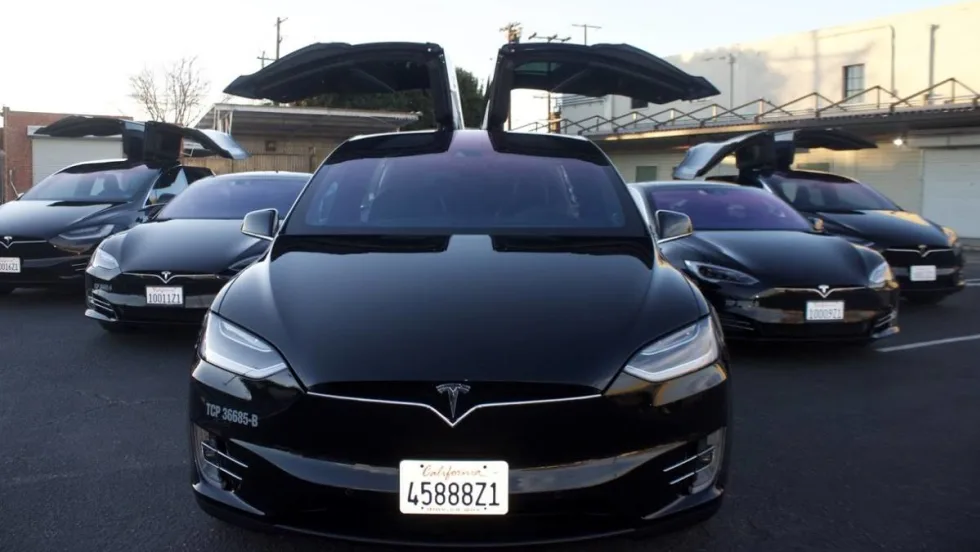
The Electric Vehicle Reality Checks Are Coming
The EV fleet industry is moving from a visionary period to one of practical choices and steps toward electrification.
Read More →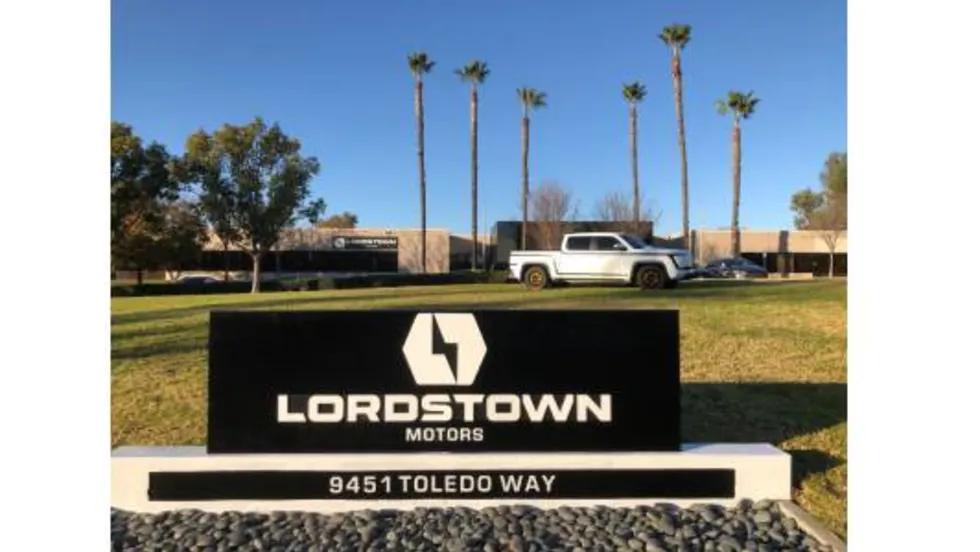
Lordstown Endurance Ready To Redefine Work Fleet Service
A recent visit by the alpha version of the electric pickup truck to Southern California points to a future of cleaner, efficient, and more affordable work truck fleets.
Read More →