


Plan Early for Electric-Vehicle Charging Infrastructure
Interested in electric trucks? You might want to research the related charging infrastructure long before they roll off an assembly line.

With electric trucks, “it’s not only about the vehicle anymore,” stressed Alex Voets, Daimler’s sales and marketing manager – eMobility. “Which ones are the right routes? Which ones are the right depots? Which ones are the right loads?”
Photo: Daimler Trucks North America
Electric trucks promise benefits as diverse as lower emissions and a quiet ride. But fleets looking at the equipment might want to research the related charging infrastructure long before trucks roll off an assembly line, said speakers during an online panel discussion hosted by the American Trucking Associations during its virtual annual meeting.
“You can’t say ‘get started early’ enough,” said Jim O’Leary, vice president of fleet services for NFI, which has been working with both Freightliner and Volvo in electric-truck pilot programs.
He admits that he took charging needs for granted when first exploring electric trucks a couple of years ago.
Unlike the choice of traditional diesel-powered equipment, this work involves fleet personnel who traditionally deal with real estate issues, and contracts that refer to everything from load management to smart charging strategies.
“There’s quite a few considerations when it comes to bringing power to the truck,” said Nathan Hill, Daimler Trucks North America’s manager – charging infrastructure.
With its test fleet, established to gather real-world experience around electric vehicles, Daimler has seen charger installation projects take anywhere from two weeks to more than a year, he said. “Not all construction companies out there have experience installing charging equipment. There are some nuances they need to be aware of.”
There are several pieces to the charging equation, including the need for switch panels and meters, the power cabinets loaded with inverters and rectifiers to transform AC power into a DC charge, and enough underground conduit to support future wiring needs. Not every charger is compatible with every truck, either.
“If you’re waiting to do that (research), you’re going to fall behind,” said Paul Rosa, Penske’s senior vice-president – procurement and fleet planning.
Besides, the permits for charging stations could take two months alone.
“Don’t wait for the trucks to be here to start your infrastructure discussion,” he said.
Vehicle charging strategies
To compound matters, charging strategies can be influenced by everything from charging station locations, to the time of day or season.
Plugging an electric vehicle in to a charger at 4 p.m. could be costly, Hill said as an example. Demand charges on utility bills also tend to be based on the highest 15-minutes of demand in a month. Trying to meet all the power demands at once will be costly.
“It can be pretty significant,” he said.
Such high rates and charges are eased somewhat through smart charging software, which aligns charging times with the cheapest available electricity rates.
But those tools have also presented some of the early challenges for those testing electric trucks.
“Any software updates need to be coordinated,” said Craig Sieber, Penske’s manager – new products.
In some cases, electric vehicles didn’t recharge simply because the updated software failed to establish an electronic “handshake” with the charger. Teams also have to ensure that drivers establish the all-important charging connections before walking away.
“One of the biggest challenges right now from our side is still working through the charging,” he said.
A clear understanding of the times that trucks will be parked, however, could help to bring some costs under control. If equipment is parked eight to 12 hours at a time, a 20- or 50-kw charger might suffice, rather than requiring a 300-kw unit, Hill explained. Still, he warned, fleets could find themselves in a “bad spot” if the charging units are too small.
It's About More Than the Electric Trucks
“It’s not only about the vehicle anymore,” stressed Alex Voets, Daimler’s sales and marketing manager – eMobility. “Which ones are the right routes? Which ones are the right depots? Which ones are the right loads?”
When identifying regions primed to embrace electric trucks, the North American Council for Freight Efficiency considered factors like range, electricity pricing, regenerative braking, air quality, and available incentives.
The West Coast Clean Transit Corridor Initiative along Interstate 5, for example, envisions 27 charging sites spaced no more than 50 miles apart, and ideally no more than a mile away from the highway. Those are to be built by 2025.
“This is an ever-changing landscape,” Voets said. “Those considerations can change.”
Individual programs offered by utility providers can help lay some of the early groundwork, too.
“Definitely look at your local utility and ask about incentives that may be available for charging infrastructure in your area,” said Jed Procter, Daimler’s manager of eConsulting.
Other regional support can include incentives to reduce purchase prices or operate the vehicles.
Even with that in place, there is still much to learn.
“We can’t be naïve to some of the nuances and some of the shortcomings of the grid today,” Hill said as an example, referring to questions around grid capacity and distribution network.
“Not everything is already figured out yet,” Voets agreed. Questions include route assessments, analyzing economic feasibility, financing, deploying charging infrastructure, maintenance and operations needs, and what to do with the equipment at the end of life. “What happens to these vehicles when they’re not in their first operation anymore?”
“This is about learning,” Rosa said, referring to the early exposure to electric trucks. “We’re going to learn.”
John G. Smith is the editorial director of Today's Trucking, where this article originally appeared. This content was used with permission from Newcom Media as part of a cooperative editorial agreement.
More Vehicle Research
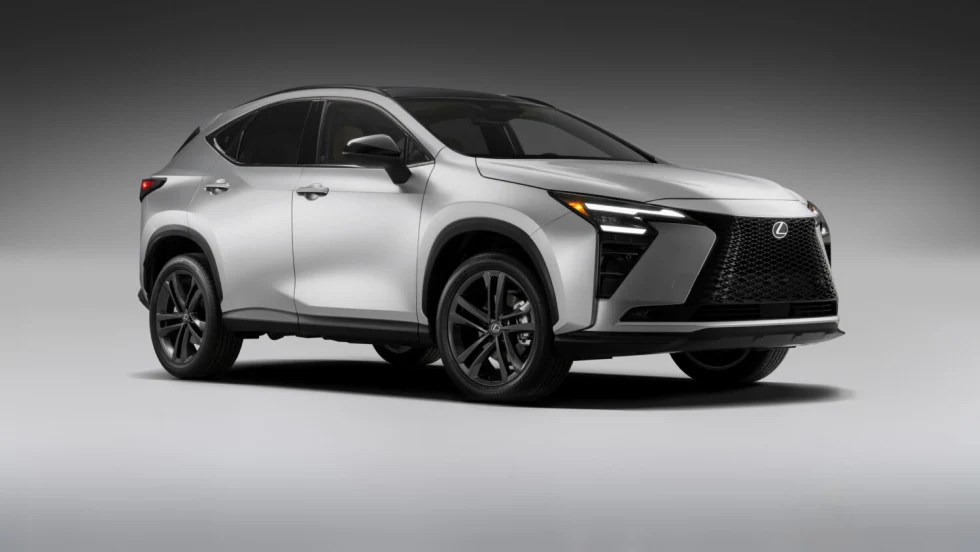
2027 Lexus NX Moves to Fully Electrified Lineup
For 2027, the NX moves to an entirely electrified lineup, with either hybrid or plug-in hybrid powertrains.
Read More →
2027 Mitsubishi Eclipse Sportback Named Green SUV of the Year
Green Car Journal recognized Mitsubishi’s new battery-electric crossover, which offers NACS compatibility and DC fast charging at up to 150 kW.
Read More →
Dave Carroll Named President of Ford Energy
Carroll succeeds Lisa Drake, who will remain with Ford through Dec. 31 to support the leadership transition.
Read More →
City of Long Beach Named No. 1 Green Fleet of 2026
NAFA's 2026 Green Fleet Awards recognized fleets for sustainability efforts spanning alternative fuels, technology, facilities, workplace culture and fleet operations.
Read More →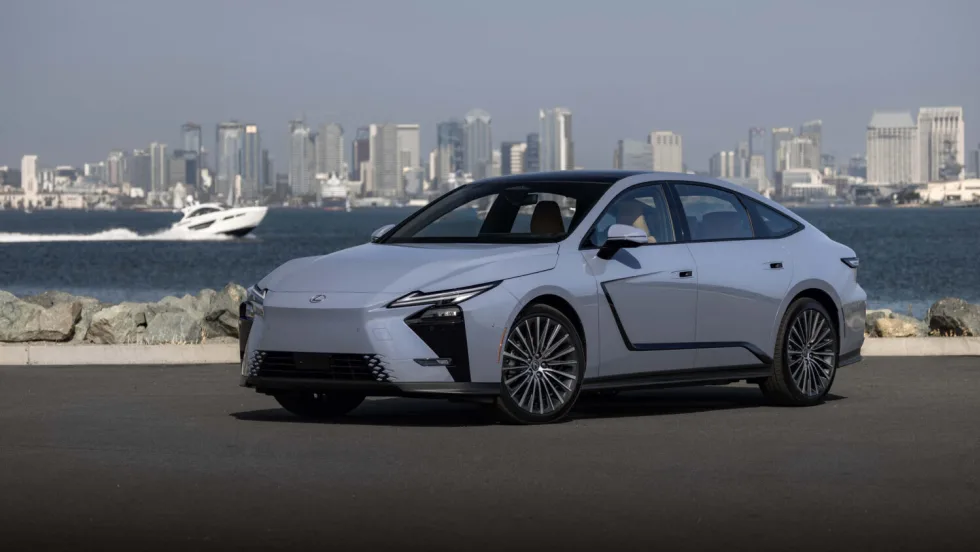
2027 Lexus ES Adds First Battery-Electric Models
The ES 350e and ES 500e join the hybrid ES lineup with up to 338 hp, an EPA-estimated 307 miles of range and standard NACS charging capability.
Read More →
EV Fleet Reality Check: What Operators Wish They Knew Before Electrifying Their Work Vans
Electric work truck upfits bring new compatibility questions. Learn how parts availability, OEM guidance, power demands, and route planning can affect fleet performance.
Read More →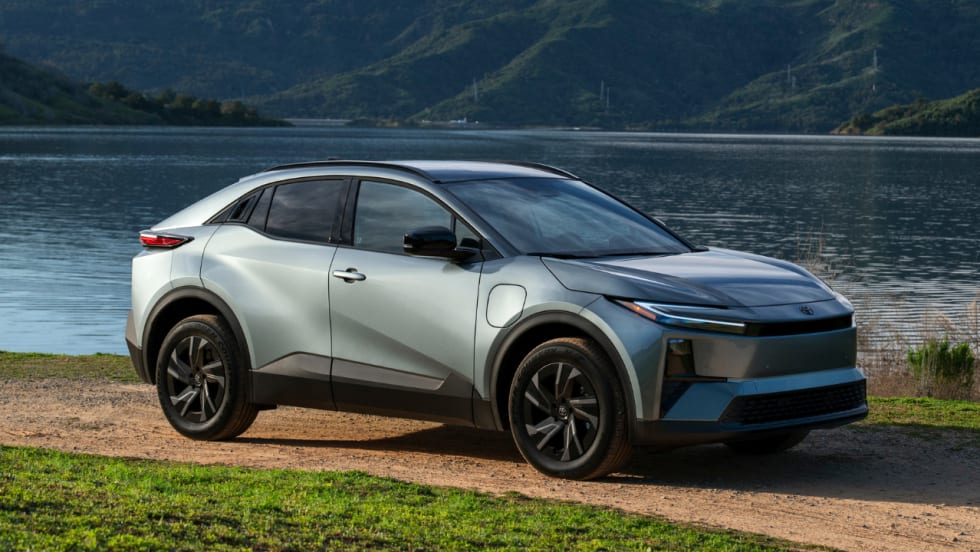
2027 Toyota C-HR Offers 287-Mile Range and Standard AWD
Toyota’s 2027 C-HR brings 287 miles of estimated range, standard all-wheel drive, and NACS fast-charging capability to the compact EV market. See what its mix of performance, cargo space, and everyday technology could offer business users.
Read More →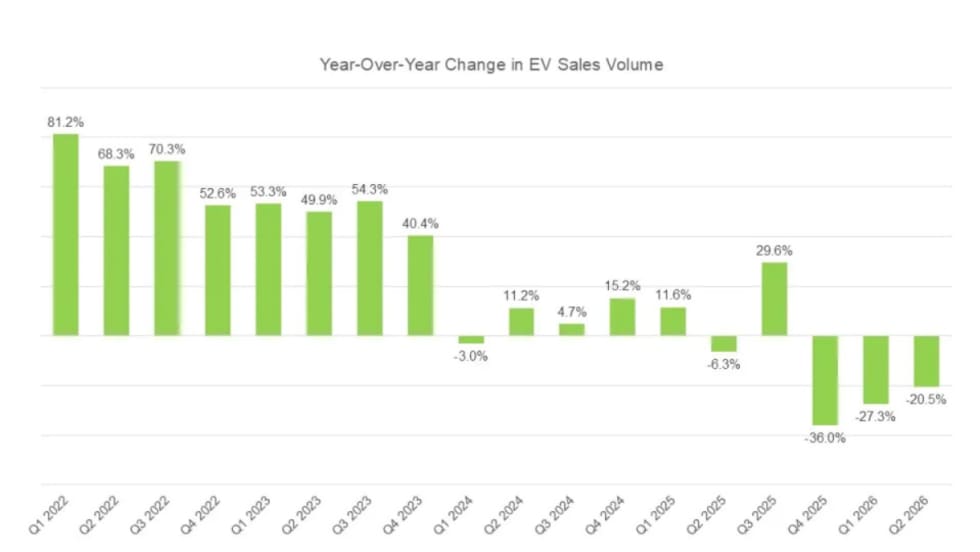
New Vehicle Models Stabilize Electrified Market In Q2
But more credit goes to hybrids than to all-electric vehicles, as more buyers look for fuel-efficient alternatives amid high gas prices.
Read More →
Slate Debuts Colorful, Unique EV Models
A recent media and client event, studded with electric vehicles dressed up on platforms, planted a new position for the manufacturer in the wider EV market. Fleets will find cost-saving advantages.
Read More →
Slate Electric SUV, Pickup Switchable Model Aims For Light-Duty Fleets
Everything about this EV is counterintuitive and understated, making it stand out from the crowd.
Read More →