



Related: Latest Hard Realities, Top Pressures For Electric Fleets
Will The Loss Of Incentives Kill Electric Vehicles?
As federal EV incentives near expiration, a new study shows demand has stalled, used supply is surging, and Tesla models top the list of vehicles losing the most value.
July 29, 2025
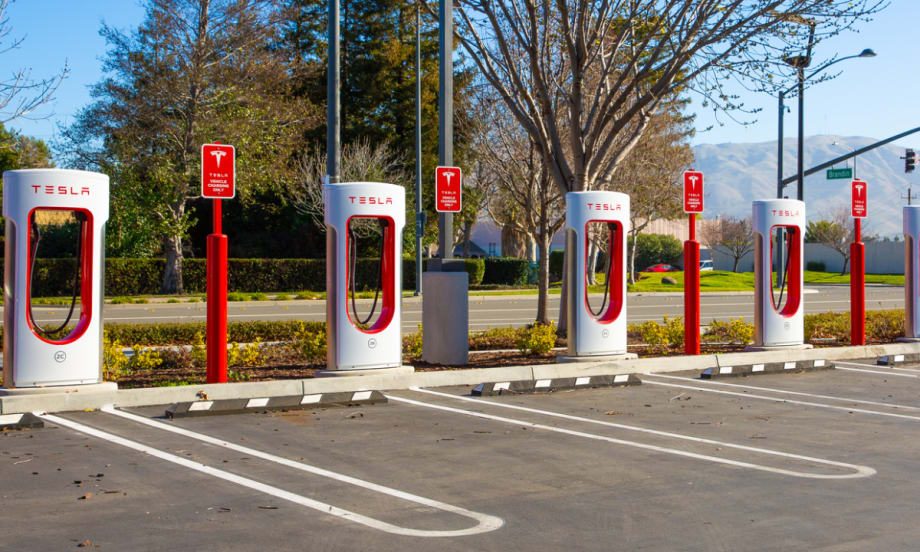
As federal EV incentives near expiration, a new study shows demand has stalled, used supply is surging, and Tesla models top the list of vehicles losing the most value.
Photo: iSeeCars
3 min to read
With the $7,500 federal incentive for new electric vehicles and the $4,000 incentive for used models set to expire on Sept. 30, analysts expect fewer new EV sales and further declines in used EV prices.
This comes as new EV market share plateaued in late 2024 and used EV values have dropped by a lot compared to gasoline models over the past year.
The latest iSeeCars study analyzed EV market share growth over the past six years and used EV supply and pricing compared to gasoline models. It also identified the used cars with the largest 12-month price drops. The findings point to slowing demand for electric vehicles even before the federal incentives expire.
“Electric vehicles have a role to play in the new and used car market,” said iSeeCars executive analyst Karl Brauer, in a news release. “But current market share and pricing trends suggest EV demand has peaked and may decline in the coming years.”
Has Electric Vehicle Demand Peaked?
Predictions that EVs would make up 20% to 50% of new vehicle sales by 2030 were common just a few years ago. However, new EV market share has stalled at 6.9%, with declines over the past 12 months, according to Cox Automotive. Many EVs remain more expensive than comparable gasoline models, even with the $7,500 incentive.
iSeeCars measured growth in the 1-to-5-year-old used car market since 2020. Between 2021 and 2024, EV share increased 60.5% to 97.3% annually. That growth slowed sharply in the past 12 months to just 14.2%.
“This is a lagging indicator, and of course it doesn’t include the impact of federal incentives being removed on Sept. 30,” Brauer said. “What will market share growth for 1- to 5-year-old used EVs be in June 2026? Will there even be growth? Or contraction?”
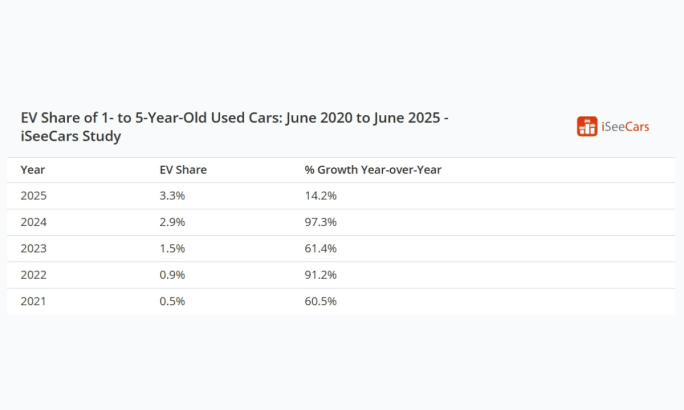
EV share in the 1- to 5-year-old used market slowed sharply in 2025, growing just 14.2% after years of rapid increases, according to an iSeeCars study.
Photo: iSeeCars
Used EVs: Gaining Volume, Losing Value
The number of used EVs for sale rose 61.8% between July 2024 and July 2025. By comparison, used gasoline vehicles increased 22.2% in the same period.
Demand has not kept pace with this supply, driving prices down. In June 2025, average used EV prices fell 4.8% compared to a year earlier, while gasoline vehicle prices rose 5.2%.
“Used car shoppers focus on value. Today, used EVs are about $1,200 less than gasoline vehicles, and the market reflects that,” Brauer said.
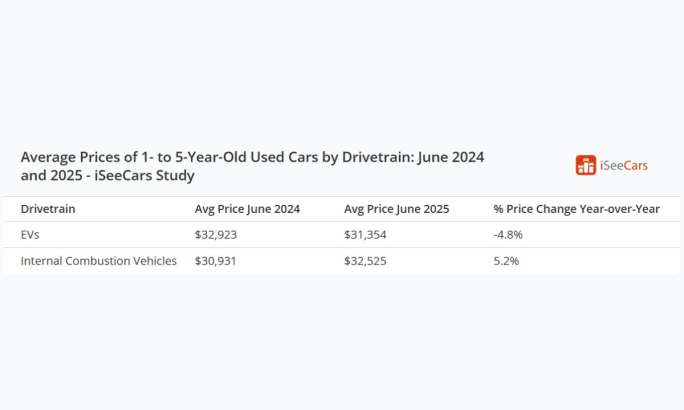
While average used car prices for internal combustion vehicles rose 5.2% year-over-year, EV prices fell 4.8%, widening the value gap between the two segments, iSeeCars data shows.
Photo: iSeeCars
EVs Lead the Charge on Depreciation
EVs account for only 3.3% of the 1- to 5-year-old used market but make up half of the 10 models with the biggest price drops. Tesla vehicles occupy the top three spots.
“It doesn’t help the EV value story when Tesla, which dominates the U.S. EV market, also leads the list of models losing the most value,” Brauer added.
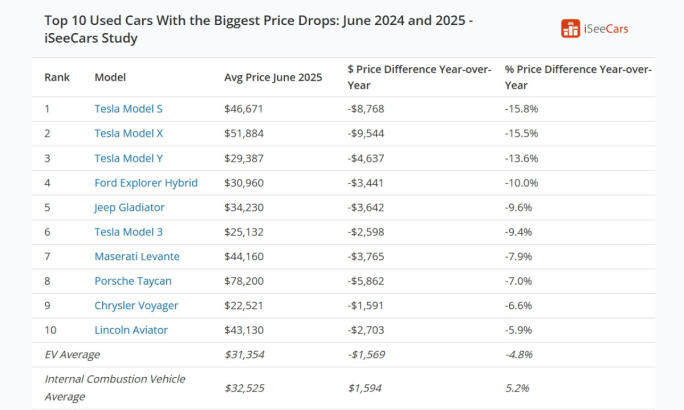
Half of the top 10 used cars with the steepest year-over-year price drops were EVs, with Tesla models leading the list, according to iSeeCars’ latest study.
Photo: iSeeCars
Consumer Considerations
With the Sept. 30 deadline approaching, consumers weighing EV purchases should note:
Buy soon if considering an EV: Incentives end after Sept. 30, and dealer stock is expected to decline.
Leasing may be an option: Leasing before the deadline allows use of the $7,500 credit and shields against rapid depreciation.
Consider plug-in hybrids: Many offer 30–60 miles of all-electric range, good fuel efficiency, and stronger resale values.
EVs remain available long term: While sales may dip post-incentives, automakers will continue offering EV options.
More Electric Vehicles
EV Charging Use Is Outpacing Infrastructure Growth
ChargePoint’s 2026 Charging Forward Report points to rising charger use, higher-powered charging, commercial vehicle electrification, and energy-management technology. Here’s what fleets should know.
Read More →
EV Realty Names Henrik Holland President as Charging Platform Expands
The former Prologis Mobility and Shell executive will help expand EV Realty’s truck charging business and move its power-first infrastructure model into autonomous vehicle depots and other fleet sectors.
Read More →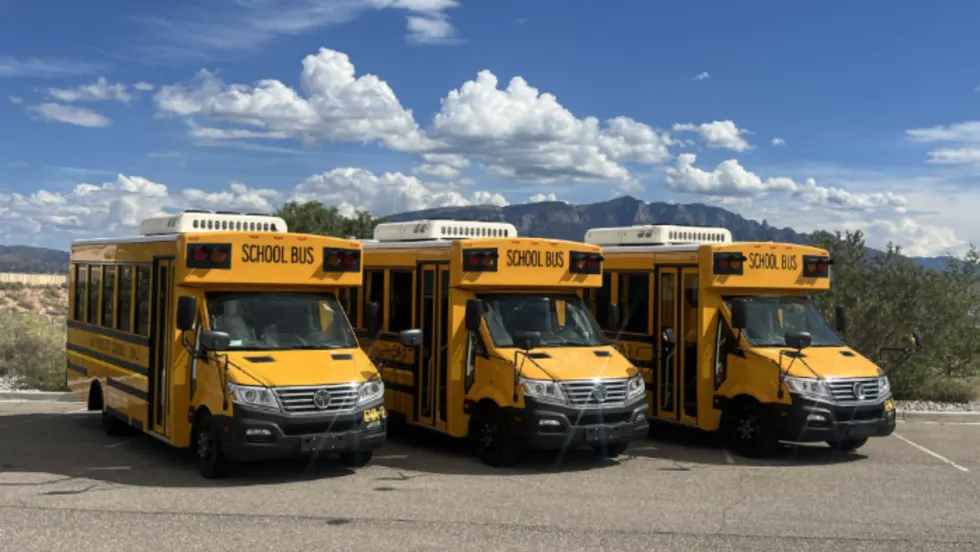
GreenPower Expands New Mexico EV Pilot With Larger Buses, V2G Testing
After logging more than 17,000 electric miles in the first year, New Mexico’s statewide pilot is moving into its second phase with larger vehicles, continued charging evaluations, and more.
Read More →
Can EV-as-a-Service Help Fleets Scale Electrification?
Sustainability Partners CEO Adam Cain explains how matching EVs, charging infrastructure, and duty cycles can help fleets scale electrification.
Read More →
How EV-as-a-Service Is Moving Fleets Beyond Pilots
Adam Cain, president and CEO of Sustainability Partners, explains how EV-as-a-service can help fleets scale deployments by addressing duty-cycle requirements and charging challenges.
Read More →
PowerFlex, The Mobility House Join Forces to Advance Fleet Electrification
Two EV charging providers are joining forces to deliver a broader portfolio of energy management and fleet electrification solutions.
Read More →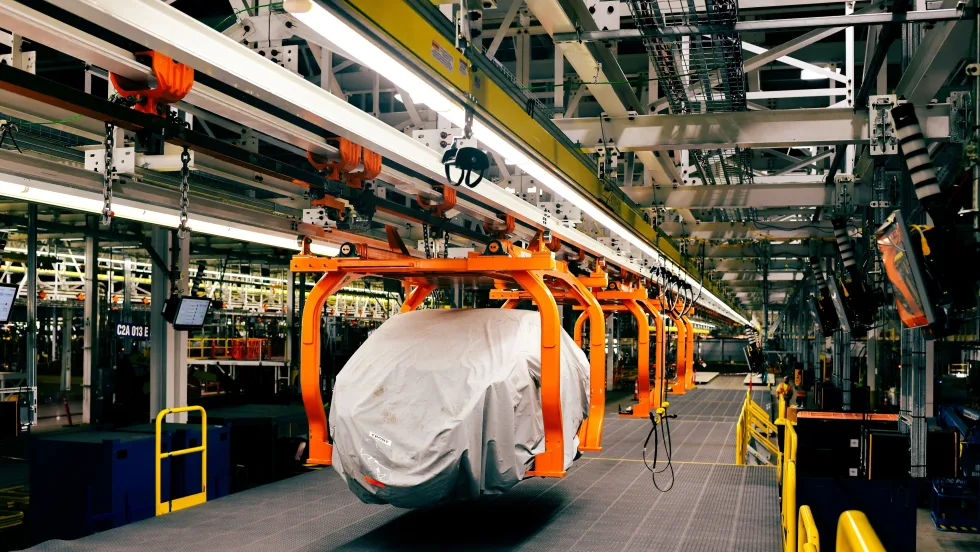
Ford Retools Louisville Plant for Fathom Electric Truck Production
Ford's $2 billion Louisville Assembly Plant overhaul introduces a three-part assembly process for the Fathom midsize electric truck, with production scheduled to begin in 2027.
Read More →
Merchants Fleet Reports 290M EV Miles as Fleets Navigate Changing Electrification Market
From millions in operating savings to hundreds of millions of EV miles, Merchants Fleet’s latest report reveals what’s working and what’s changing in fleet electrification.
Read More →
California District Commits to Electrify 25% of School Bus Fleet by 2028
One of the nation's largest school bus electrification projects to date demonstrates how grants, charging infrastructure, and public-private partnerships can help fleets transition to EVs at scale.
Read More →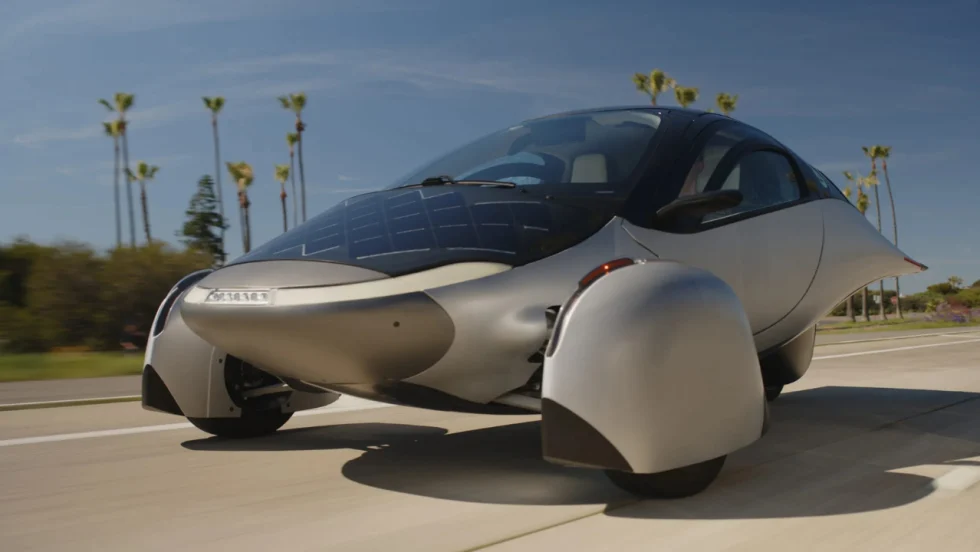
Aptera Orders Bodies and Chassis for Its First 40 Production Vehicles
Aptera Motors Corp. has issued purchase orders for the major structural components of its first 40 vehicles, and body and chassis components are expected to begin arriving in October.
Read More →