



Related: WEX Unveils Fleet Card Unifying Fueling and Public EV Charging Payments
WEX Launches Solution to Close EV At-Home Charging Visibility Gap
At NAFA I&E 2026, WEX debuted an EV solution that adds a layer of verification to help fleets track, validate, and trust every at-home charging dollar.
April 21, 2026
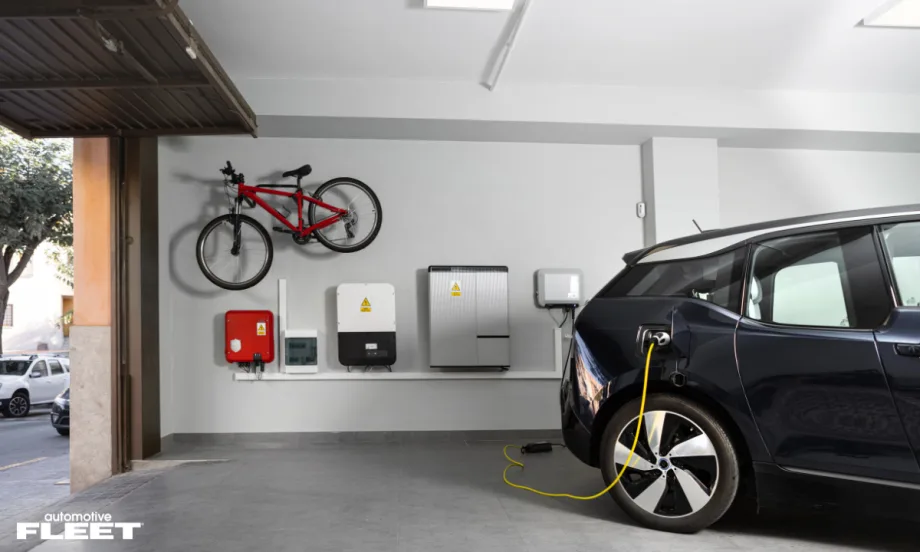
At-home EV charging meets fleet oversight as WEX’s new verification system brings visibility and control to reimbursement in the garage.
Credit: WEX
2 min to read
WEX announced the launch of EV At-Home with Vehicle Fraud Protection, a new capability within its WEX EV At-Home offering. Unveiled at the NAFA Institute & Expo 2026, the solution is designed to provide greater control and accuracy in fleet electrification efforts. The offering is designed to address challenges associated with verifying and managing reimbursement for at-home EV charging.
As businesses adopt electric vehicles, fleet managers may encounter challenges related to fragmented systems, manual reimbursement processes, and limited visibility into charging activity. EV At-Home with Vehicle Fraud Protection is designed to address these issues by verifying charging sessions using vehicle, charger, and utility data. The system compares vehicle data with submitted home charging sessions to validate reimbursement requests and identify potentially unauthorized or non-fleet-related charging activity prior to reimbursement.
“Home charging is one of the largest visibility gaps in fleet electrification today,” said Sarah Booth, senior director, Connected Fleet at WEX. “With EV At-Home with Vehicle Fraud Protection, we’re giving businesses a way to trust what they’re paying for without adding friction for drivers or extra work for their teams.”
The new capability is part of WEX’s broader EV ecosystem, which enables businesses to manage fuel and electric charging through a single account, invoice, and set of controls. EV At-Home with Vehicle Fraud Protection is designed to support residential energy rates for at-home charging while incorporating controls to reduce unauthorized or non-business-related expenses. The offering may also support improved cost visibility and more consistent budgeting.
The new offering is part of WEX’s broader approach to risk management and compliance, incorporating automated vehicle verification and transaction visibility intended to reduce reliance on manual audits and receipt collection. Fleet managers can access verification statuses within WEX Online, providing visibility into reimbursement activity and supporting more timely decision-making.
The solution is designed to be implemented without significant changes to existing workflows or driver processes. Through the WEX dashboard, fleets can connect vehicles and begin verifying home charging sessions. The offering supports integration with a range of automotive brands through WEX’s integration partners.
“Fleets don’t just need access to EV charging, they need accountability,” said Booth. “This solution brings together the data, controls, and simplicity required to scale EV adoption with confidence.”
Originally posted on Automotive Fleet
More Charging
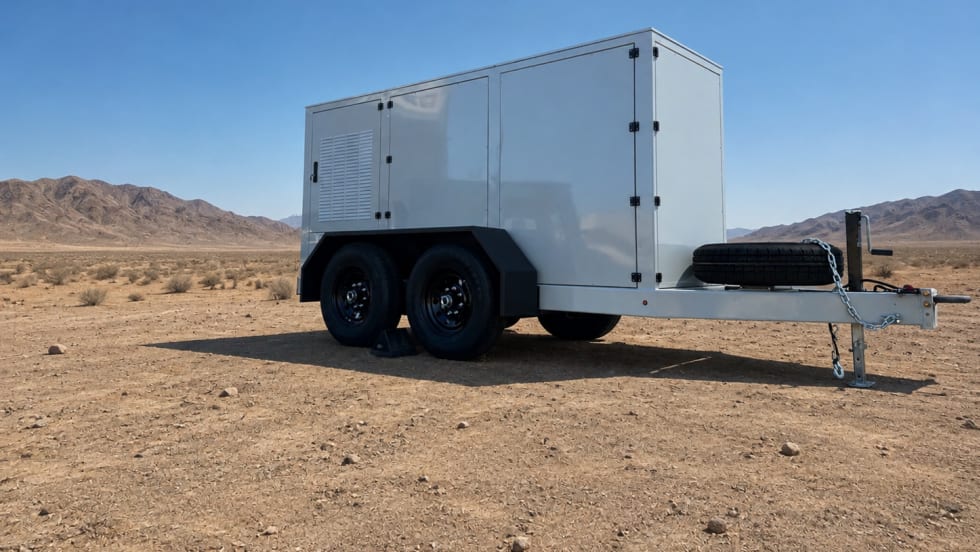
Xos Mobile Charging Hub Surpasses 1 GWh of Energy Delivered
As fleets electrify, charging capacity does not always arrive on the same timeline as the vehicles. Operating data from one Xos Hub shows how mobile, grid-independent charging can support vehicles when permanent infrastructure or utility upgrades aren't available.
Read More →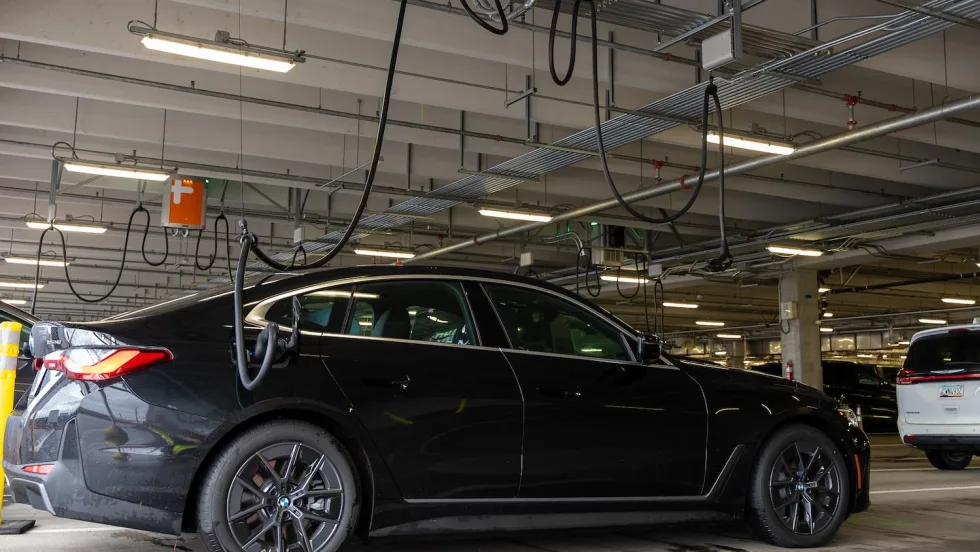
ChargePoint Adds Overhead EV Fast Charging at Portland International Airport
The installation can charge up to 20 rental vehicles simultaneously and uses overhead equipment to preserve ground-level space at the airport's Quick Turnaround Facility.
Read More →
Octopus Energy Launches Public EV Charging App in U.S.
Octopus Charge allows EV drivers to locate and access public charging stations through a single app, building on the company's Electroverse platform in Europe.
Read More →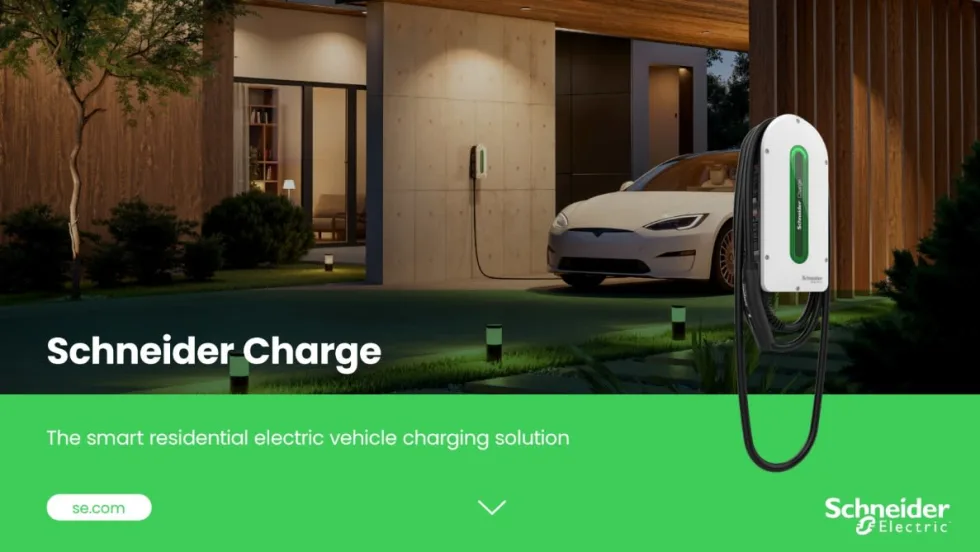
Schneider Electric Launches Level 2 Home EV Charger With Integrated Load Management
Schneider Charge uses integrated SmartAmp technology to adjust charging output based on household electrical demand and is available with NACS or J1772 connectors.
Read More →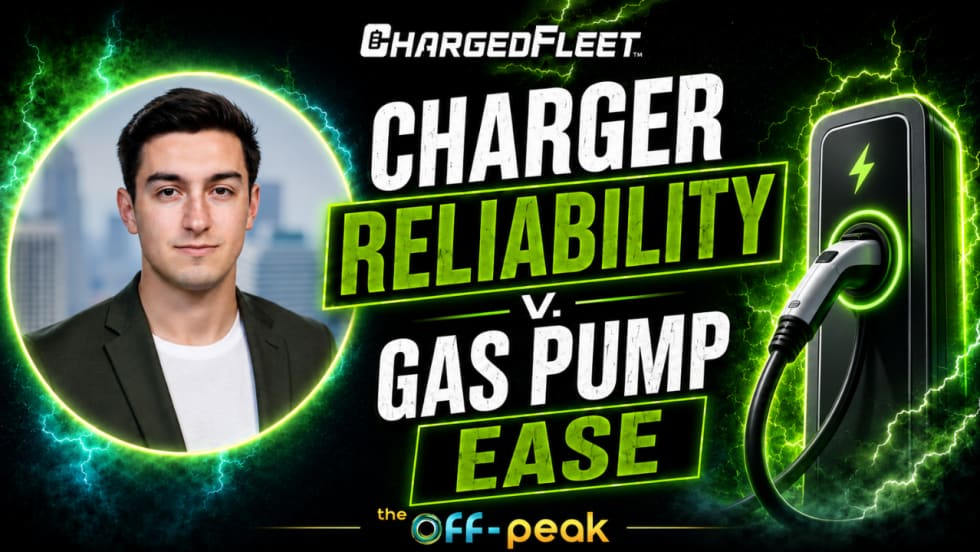
Why EV Charging Reliability Is More Complicated Than It Looks
GridLink CEO Josh Silets explains what causes EV chargers to fail, why fleet operators often struggle to identify the source, and what questions they should ask charging vendors.
Read More →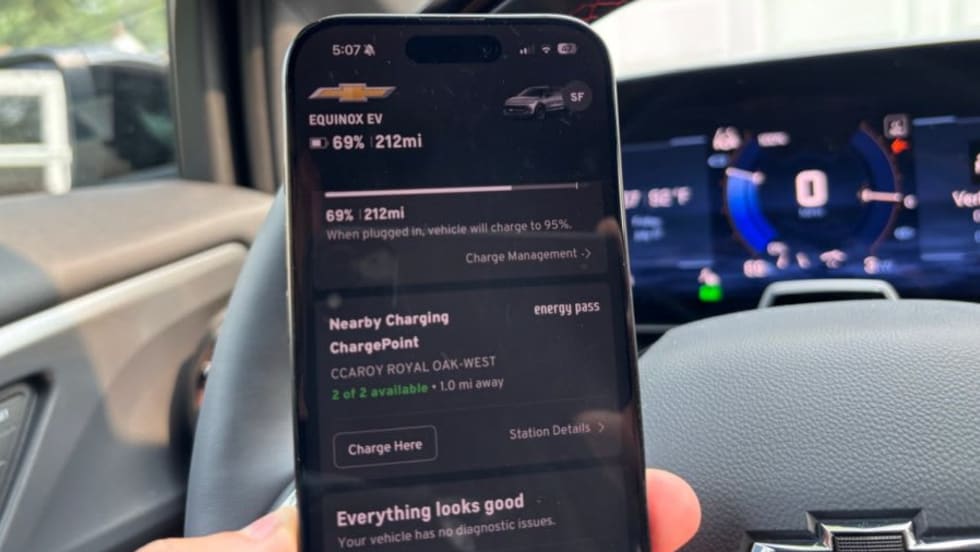
GM Adds ChargePoint Network to Energy Pass Platform
The integration gives GM EV drivers access to additional DC fast chargers and Level 2 stations through a single app while expanding the automaker's public charging ecosystem.
Read More →
Xos White Paper Asserts LA Olympics Will Lack Enough EV Chargers
The commercial EV fleet company recommends some faster and more flexible remedies to relieve the anticipated shortfall.
Read More →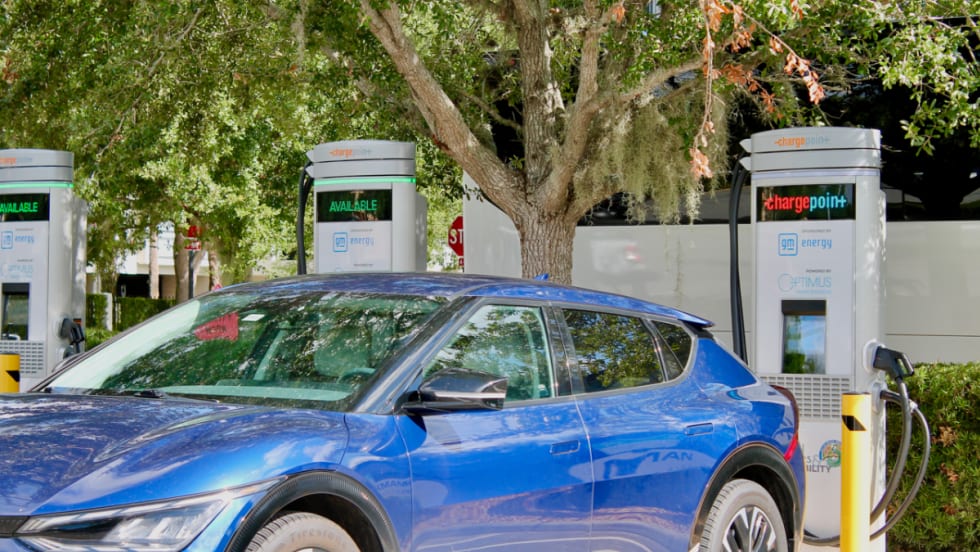
ChargePoint, Optimus Expand Fast-Charging Network Across Southeastern U.S.
ChargePoint will serve as the exclusive solutions provider, delivering hardware, software, and services to support Optimus’ growing charging network.
Read More →
Running A Profitable Electric Rental Fleet
How do you successfully operate an all-electric rental car fleet? Whether you manage a rental fleet or another commercial fleet, this conversation offers practical lessons on deploying, operating, and scaling electric vehicles.
Read More →
Why Charging May Never Be As Easy As Filling Up Gas
A seamless charge depends on a string of independent companies getting it right together, every time. How can electric fleets navigate the challenges to create a successful charging plan?
Read More →