


Utilimaster Designs Highly Specialized Walk-In Vans
At ICUEE 2019, Utilimaster showcased two customized walk-in vans. Here’s how those vans were designed to meet the needs of utility crews.

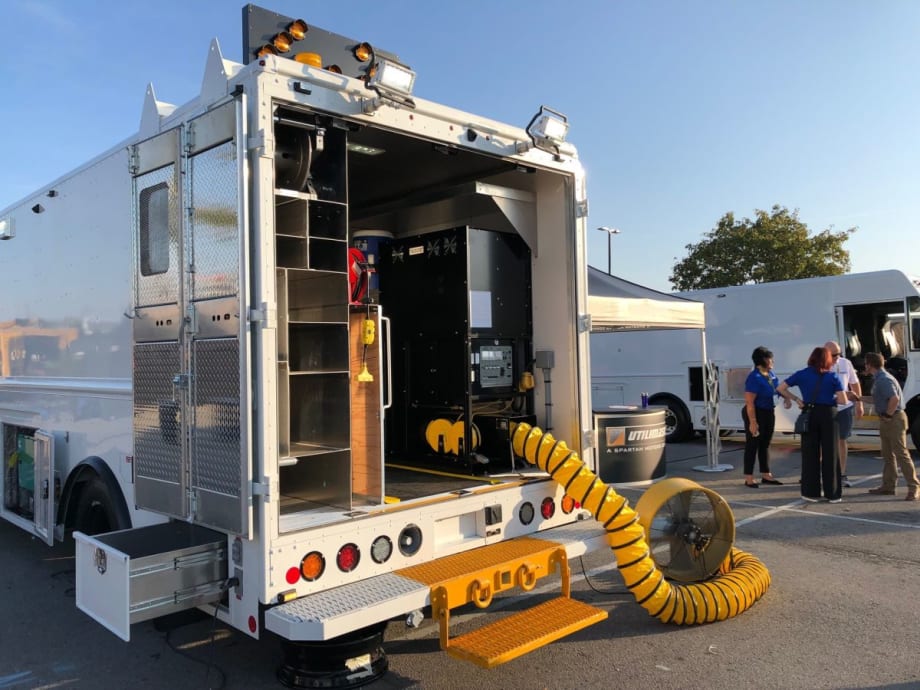
Each van is designed to the fleet's specific needs.
Photo courtesy of Utilimaster
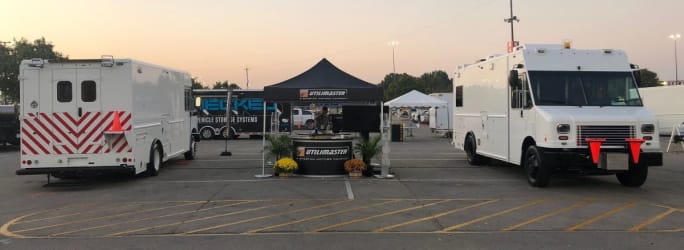
At the 2019 International Utility and Construction Equipment Exposition (ICUEE), Utilimaster displayed customized walk-in vans for DTE Energy (left) and Pepco (right).
Photo courtesy of Utilimaster
At the 2019 International Utility and Construction Equipment Exposition (ICUEE), Utilimaster showcased two customized walk-in vans for Pepco in Washington, D.C. and DTE Energy in Detroit. Here’s how those vans were designed to meet the needs of utility crews.
A Spartan Motors Company, Utilitimaster specializes in custom-built vocational vehicles created through its Work-Driven Design process. Both walk-in vans are built on a Freightliner MT55 chassis and designed to meet the company’s specific needs.
“Prior to creating the Pepco and DTE Energy vans, we conducted Utilimaster’s Work Driven Design process to understand the ins and outs of what the customers’ needed to conduct their business in the most efficient, effective manner. It is no coincidence that fleets designed to enhance driver efficiency are typically those that are most profitable,” Matthew Jarmuz, client development manager for Utilimaster told Work Truck.
Pepco’s van was designed to increase operator comfort and safety without losing efficiency. The 18-foot Utilimaster walk-in van body is upfitted with EZ Stak storage equipment inside, a 12kW diesel power generator, and technology to improve driver ergonomics and safety.
A 360-degree camera system gives drivers multi-view vantage points, while Mobileye technology offers collision mitigation and lane departure warnings to help avoid accidents. The Pepco van also features an underground electric unit that feeds air into underground worksites, providing heated or cooled air to increase worker health and comfort.
The DTE van features a 7000-watt generator and boss hydraulic system to power hydraulic tools.
Originally posted on Work Truck Online
More Charging
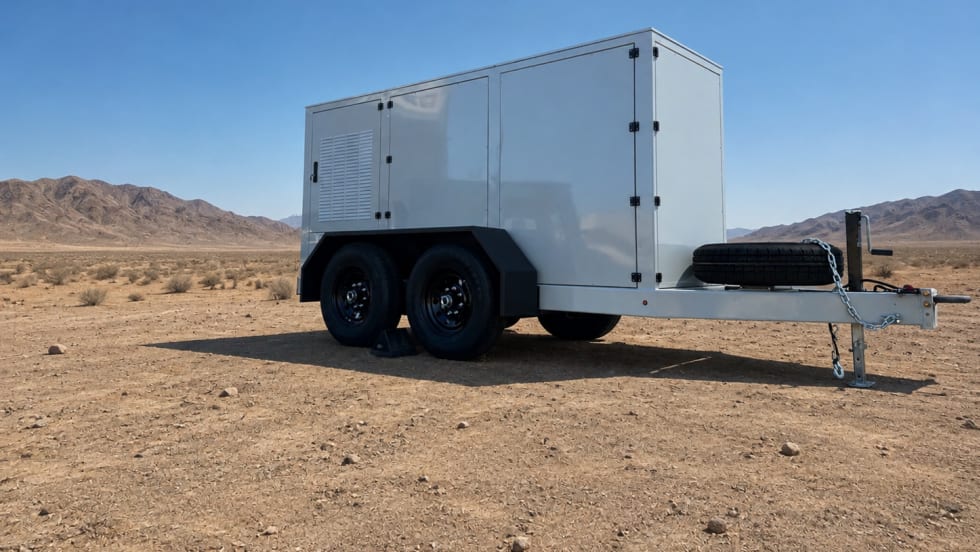
Xos Mobile Charging Hub Surpasses 1 GWh of Energy Delivered
As fleets electrify, charging capacity does not always arrive on the same timeline as the vehicles. Operating data from one Xos Hub shows how mobile, grid-independent charging can support vehicles when permanent infrastructure or utility upgrades aren't available.
Read More →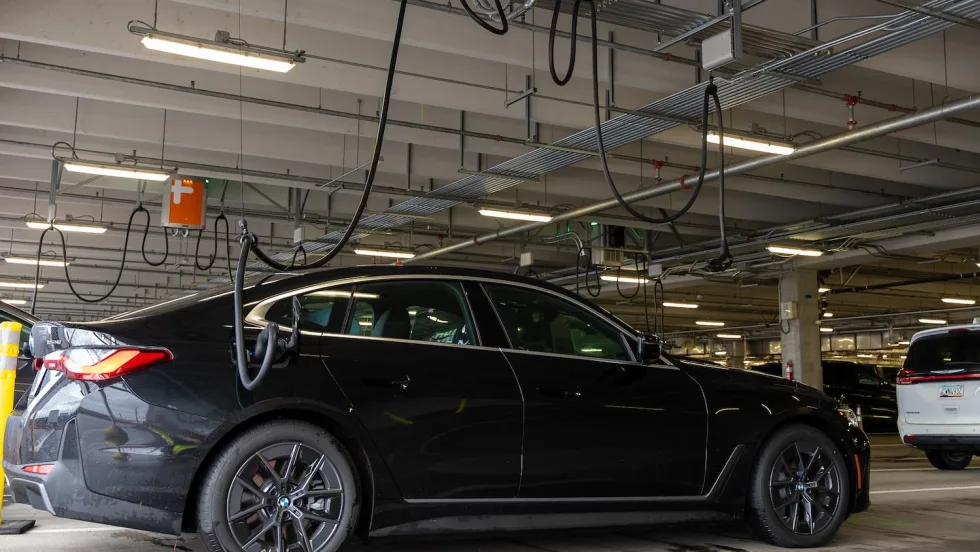
ChargePoint Adds Overhead EV Fast Charging at Portland International Airport
The installation can charge up to 20 rental vehicles simultaneously and uses overhead equipment to preserve ground-level space at the airport's Quick Turnaround Facility.
Read More →
Octopus Energy Launches Public EV Charging App in U.S.
Octopus Charge allows EV drivers to locate and access public charging stations through a single app, building on the company's Electroverse platform in Europe.
Read More →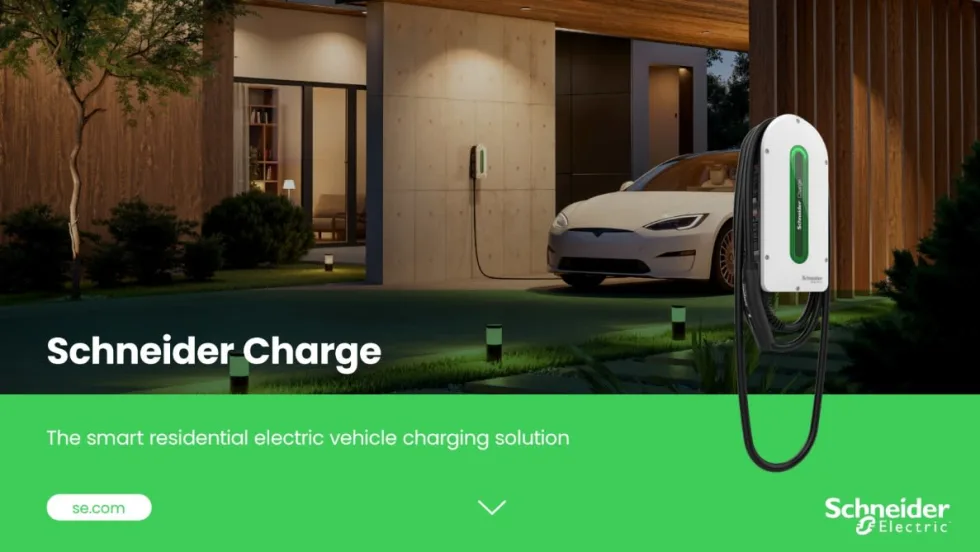
Schneider Electric Launches Level 2 Home EV Charger With Integrated Load Management
Schneider Charge uses integrated SmartAmp technology to adjust charging output based on household electrical demand and is available with NACS or J1772 connectors.
Read More →
Why EV Charging Reliability Is More Complicated Than It Looks
GridLink CEO Josh Silets explains what causes EV chargers to fail, why fleet operators often struggle to identify the source, and what questions they should ask charging vendors.
Read More →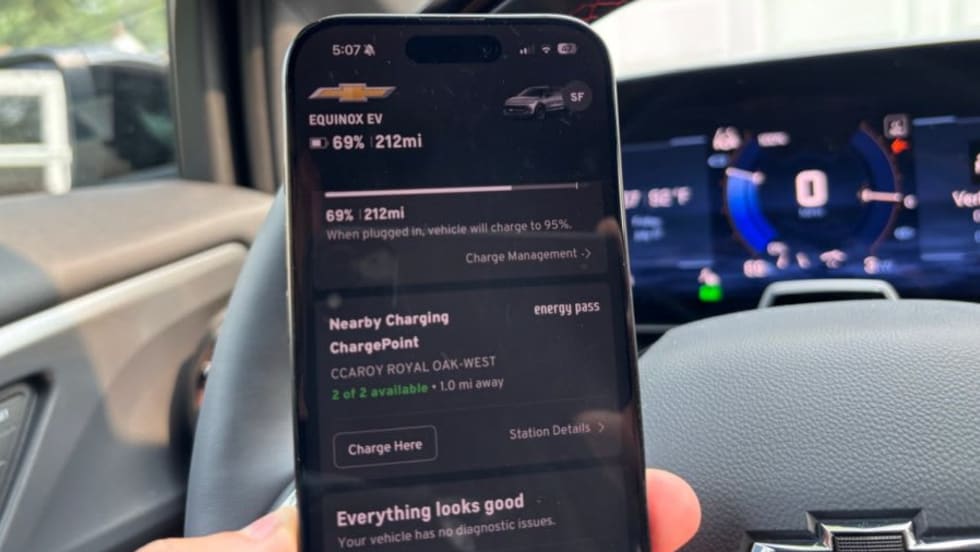
GM Adds ChargePoint Network to Energy Pass Platform
The integration gives GM EV drivers access to additional DC fast chargers and Level 2 stations through a single app while expanding the automaker's public charging ecosystem.
Read More →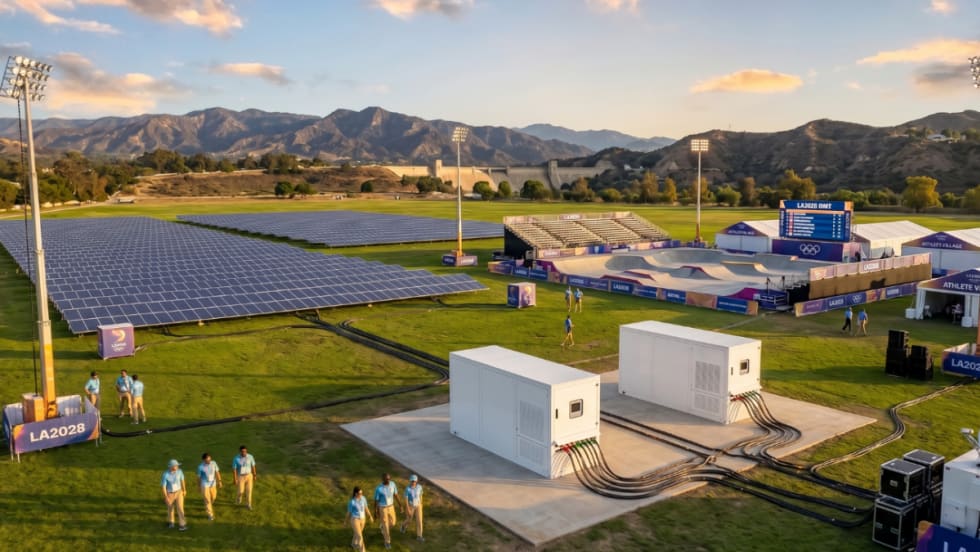
Xos White Paper Asserts LA Olympics Will Lack Enough EV Chargers
The commercial EV fleet company recommends some faster and more flexible remedies to relieve the anticipated shortfall.
Read More →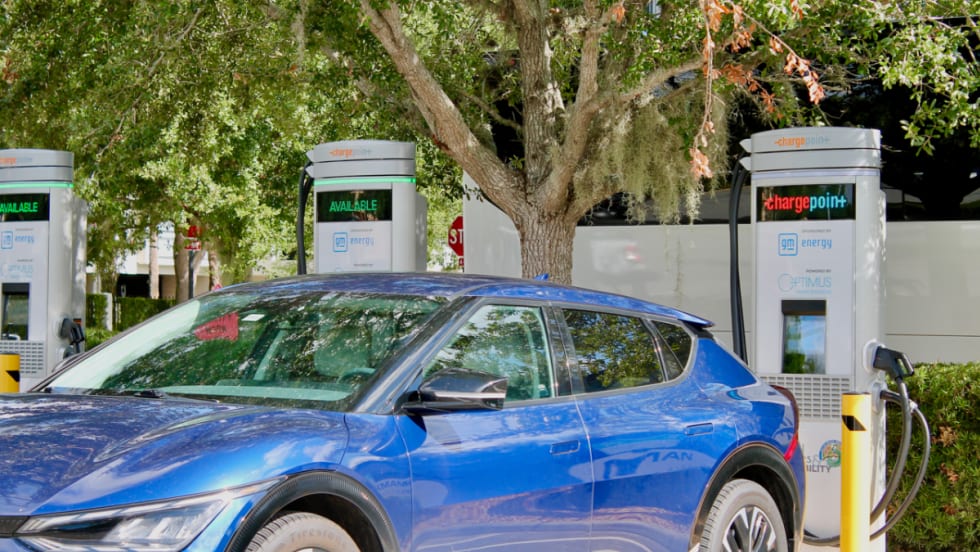
ChargePoint, Optimus Expand Fast-Charging Network Across Southeastern U.S.
ChargePoint will serve as the exclusive solutions provider, delivering hardware, software, and services to support Optimus’ growing charging network.
Read More →
Running A Profitable Electric Rental Fleet
How do you successfully operate an all-electric rental car fleet? Whether you manage a rental fleet or another commercial fleet, this conversation offers practical lessons on deploying, operating, and scaling electric vehicles.
Read More →
Why Charging May Never Be As Easy As Filling Up Gas
A seamless charge depends on a string of independent companies getting it right together, every time. How can electric fleets navigate the challenges to create a successful charging plan?
Read More →