



Learn More: Charging into Medium-Duty Electric Vehicles
PSEG Accelerates Net-Zero Climate Vision to 2030
Public Service Enterprise Group (PSEG) is launching a three-pronged 2030 climate vision that extends across its business.
June 28, 2021

4 min to read
Public Service Enterprise Group (PSEG) has accelerated its net-zero ambitions by launching a three-pronged 2030 climate vision that extends across its business. The PSEG climate vision marks one of the most aggressive net-zero 2030 visions set by a large utility and power generator and comprises three pillars:
Net-zero emissions for PSEG operations, including PSE&G's utility operations (scopes 1 and 2);
100% greenhouse gas- (GHG), carbon-free power generation; and
Significant contributions to regional economy-wide decarbonization.
"PSEG's climate vision for 2030 exemplifies the strategy we intend to pursue over the next decade – driving out harmful greenhouse gas emissions where they occur," PSEG Chairman, President and CEO Ralph Izzo said. "The federal goal of achieving a 100% carbon-free electric supply by 2035 is an ambitious one that will require technology innovation, new policy frameworks, and a commitment by businesses and consumers across the economy. With our new comprehensive vision for net-zero by 2030, we've set an ambitious goal to reduce or eliminate greenhouse gas emissions across our business – including our facilities and vehicles – in less than a decade, doing our part to support state and national objectives."
Net-zero Emissions for PSEG Operations
PSEG's regulated electric and gas utility, Public Service Electric & Gas, already has reduced GHG emissions by more than 50%, from 2005 levels. It now aims to achieve net-zero GHG emissions for its electric and gas utility operations, referred to as scope 1 and 2 emissions, by 2030. As it transitions to zero-carbon electricity generation and drives down the emissions from operations, it will also focus on reducing GHG emissions associated with the use of natural gas.
To accomplish this goal in less than 10 years, PSEG will leverage a suite of strategies – from modernizing its existing natural gas and electric transmission and distribution networks to investing in new technologies that support greater electrification and improve energy efficiency. PSE&G's successful Gas System Modernization Program, which replaces old cast-iron and unprotected steel gas mains, helps to achieve the methane goal of a 21.7% reduction of absolute methane emissions from 2018 to the end of 2023 and would allow a significant reduction in methane emissions by 2030. PSEG's strategy to address emissions also includes evaluating alternatives to natural gas. These strategies target reducing methane and other emissions, such as sulfur hexafluoride (SF6), that contribute to global warming and climate change, often more than carbon emissions.
In PSEG buildings and facilities, the company will look to achieve savings through energy efficiency solutions. For its vehicles, PSEG has committed to electrify a large portion of its fleet over a ten-year period. For any residual emissions, PSEG will explore high-quality carbon offsets.
100% GHG-free Power Generation
Decarbonizing power generation is the foundation for achieving the national- and state-level broader clean energy goals, including electrification of buildings and transportation, and ensuring the electricity it uses is clean and reliable. PSEG is committed to building on its existing decarbonization success, having achieved a 60% reduction in PSEG Power's annual CO2 emissions since 2005.
Looking ahead, PSEG will direct half of its current 2021-to-2025 capital spending program of approximately $14-$16 billion toward decarbonization, emission reduction, methane reduction, clean energy transition and climate/storm adaptation.
By 2030, PSEG plans to transition its power generation portfolio to 100% GHG-free resources by aiming to preserve carbon-free nuclear generation and investing in utility-scale renewables. In 2020, PSEG announced it is exploring strategic alternatives to divest its non-nuclear generating fleet, including 6,750 megawatts (MW) of fossil generation. PSEG continues to advocate for support to maintain the economic viability of its carbon-free nuclear generation fleet, totaling 3,766 MW, while also exploring investments in regional offshore wind.
New Jersey has a target of obtaining 7,500 MW of offshore wind energy by 2035, and the mid-Atlantic region broadly is well situated to capitalize on the economic benefits of developing this new industry. PSEG is excited to be partnering with Ørsted on 25% of the 1,100 MW Ocean Wind project.
Significant Contributions to Regional and Economy-Wide Decarbonization
Beyond its own operations, PSEG continues to promote and enable decarbonization across the industries and regions where it operates through its Clean Energy Future programs, supporting businesses and residential customers as they aim to reduce their carbon footprints and help mitigate the long-term impacts of climate change. PSEG also will continue to align and advocate for state and federal programs to support the transition to 100% clean energy, including an economy-wide price on carbon. PSEG supports New Jersey's ambitious clean energy and climate change goals. PSEG will enable the low-carbon energy transition for customers through programs that promote wide adoption of energy efficiency and the switch to electric vehicles.
To further advance economy-wide decarbonization, PSEG continues to advocate for federal climate policy, including measures such as a national Clean Energy Standard and a federal production tax credit for existing merchant nuclear generation to support these critical resources and facilitate achievement of a national standard. PSEG also supports federal research and development funding for new technologies that can further reduce GHG emissions, as well as federal, state, and local policies that encourage emission-reductions across all sectors of the economy.
Additional details on PSEG's net-zero 2030 climate vision will be available in its forthcoming Climate and Sustainability Report, which will launch in the third quarter of 2021.
Topics:Battery-Electric Vehiclesclimate changeReducing Emissionscharging infrastructureChargingLegal/LegislativeVehicle Research
Originally posted on Work Truck Online
More Charging

Xos Mobile Charging Hub Surpasses 1 GWh of Energy Delivered
As fleets electrify, charging capacity does not always arrive on the same timeline as the vehicles. Operating data from one Xos Hub shows how mobile, grid-independent charging can support vehicles when permanent infrastructure or utility upgrades aren't available.
Read More →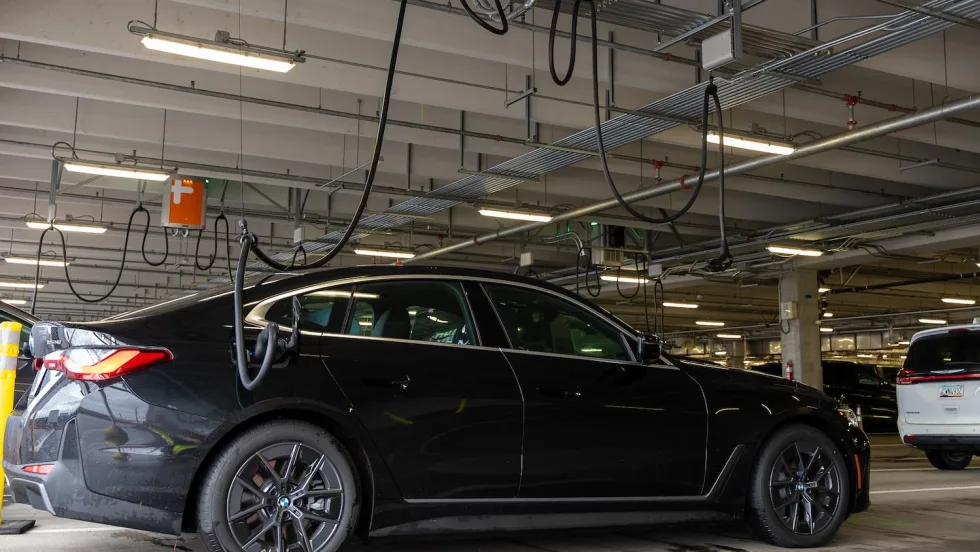
ChargePoint Adds Overhead EV Fast Charging at Portland International Airport
The installation can charge up to 20 rental vehicles simultaneously and uses overhead equipment to preserve ground-level space at the airport's Quick Turnaround Facility.
Read More →
Octopus Energy Launches Public EV Charging App in U.S.
Octopus Charge allows EV drivers to locate and access public charging stations through a single app, building on the company's Electroverse platform in Europe.
Read More →
Schneider Electric Launches Level 2 Home EV Charger With Integrated Load Management
Schneider Charge uses integrated SmartAmp technology to adjust charging output based on household electrical demand and is available with NACS or J1772 connectors.
Read More →
Why EV Charging Reliability Is More Complicated Than It Looks
GridLink CEO Josh Silets explains what causes EV chargers to fail, why fleet operators often struggle to identify the source, and what questions they should ask charging vendors.
Read More →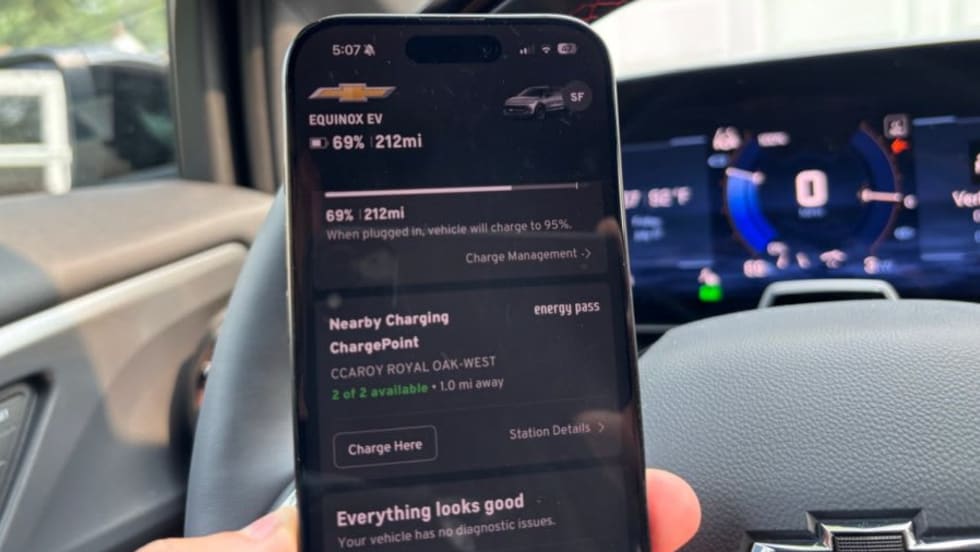
GM Adds ChargePoint Network to Energy Pass Platform
The integration gives GM EV drivers access to additional DC fast chargers and Level 2 stations through a single app while expanding the automaker's public charging ecosystem.
Read More →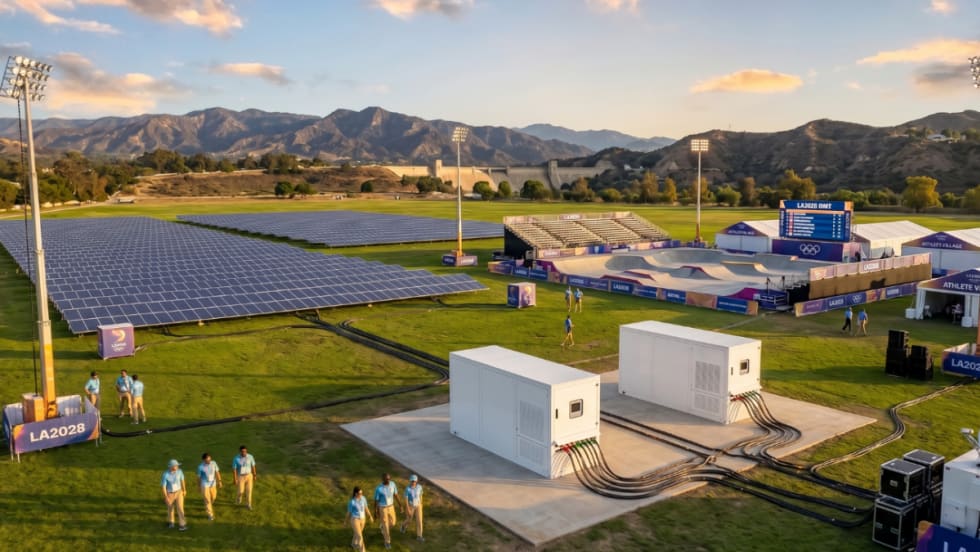
Xos White Paper Asserts LA Olympics Will Lack Enough EV Chargers
The commercial EV fleet company recommends some faster and more flexible remedies to relieve the anticipated shortfall.
Read More →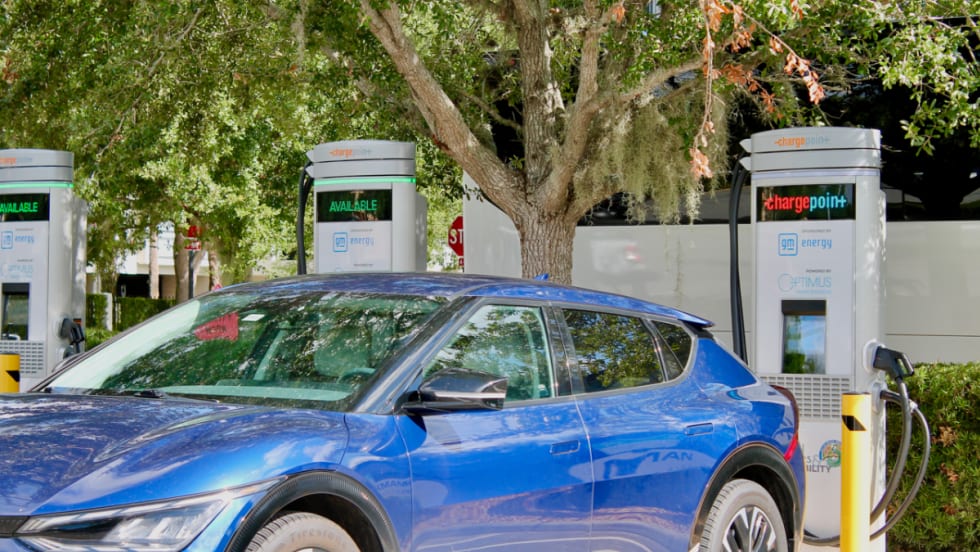
ChargePoint, Optimus Expand Fast-Charging Network Across Southeastern U.S.
ChargePoint will serve as the exclusive solutions provider, delivering hardware, software, and services to support Optimus’ growing charging network.
Read More →
Running A Profitable Electric Rental Fleet
How do you successfully operate an all-electric rental car fleet? Whether you manage a rental fleet or another commercial fleet, this conversation offers practical lessons on deploying, operating, and scaling electric vehicles.
Read More →
Why Charging May Never Be As Easy As Filling Up Gas
A seamless charge depends on a string of independent companies getting it right together, every time. How can electric fleets navigate the challenges to create a successful charging plan?
Read More →