



Related: GM & Hyundai to Partner on Consumer, Commercial Vehicles
GM Ends Production of BrightDrop Electric Delivery Van
General Motors is ending production of the BrightDrop electric delivery van at its CAMI Assembly plant in Ontario, signaling a shift in the company’s EV strategy amid slower fleet demand.
October 28, 2025
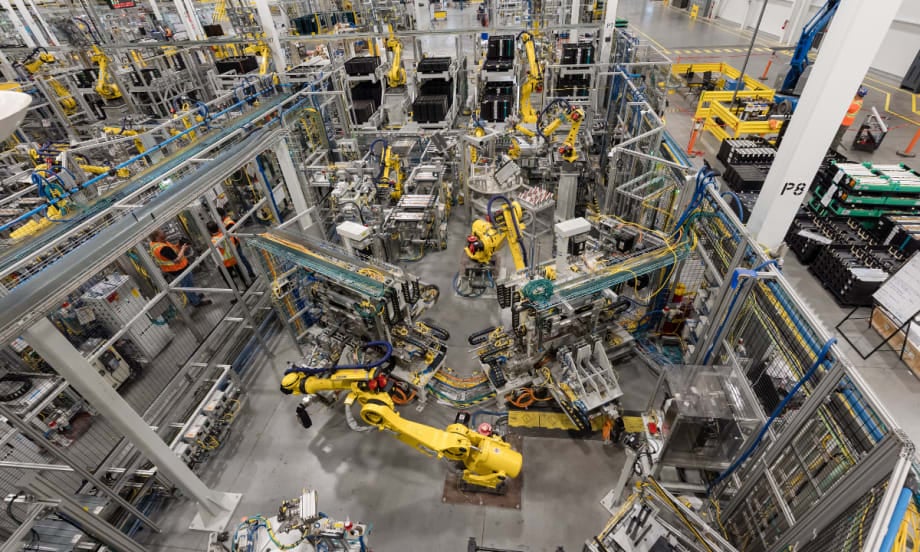
Automated machinery operates inside General Motors’ CAMI Assembly plant in Ingersoll, Ontario. The facility, which built the BrightDrop Zevo electric delivery vans, will cease production as GM adjusts its EV manufacturing capacity and responds to changing fleet demand.
Photo: GM
2 min to read
General Motors has confirmed that production of the BrightDrop electric delivery van has ended at the CAMI Assembly plant in Ingersoll, Ontario. The company will not move production to another facility.
The decision follows slower-than-expected demand for electric delivery vehicles, leaving the CAMI plant operating below capacity. Production has been on pause since May 2025. GM cited changes in EV incentives and regulations, including the removal of U.S. tax credits for certain vehicles, as additional challenges to the BrightDrop business model.
The move comes as GM adjusts its overall electric vehicle manufacturing capacity across North America.
Impact on Fleet Customers
BrightDrop, a GM subsidiary, was launched in 2021 to provide fully electric delivery vans and fleet management technology to commercial operators such as FedEx, Ryder, and Merchants Fleet. The BrightDrop Zevo 600 and Zevo 400 models were designed to support last-mile and regional delivery operations with zero-emission performance and connected services.
While GM has not detailed what will happen to existing BrightDrop assets and support infrastructure, fleet customers are expected to continue receiving parts and service for vehicles already in operation.
GM Canada Addresses Workforce and Future Plans
“The decision to end production of the BrightDrop electric delivery van is driven by market demand and in no way reflects the commitment and skill of our workforce at CAMI,” said Kristian Aquilina, president and managing director of GM Canada. “This continues to be an uncertain time for our workforce at CAMI, and we are committed to working closely with our employees, Unifor, and the Canadian and Ontario governments as we evaluate next steps for the future of CAMI.”
GM said it will follow collective bargaining provisions with Unifor. Hourly employees will receive six months of salary, along with the potential for lump-sum payments and other benefits.
Continuing Commitment to Canadian Operations
GM emphasized that its Canadian operations remain an important part of its North American business strategy, including manufacturing, software development, and parts distribution.
“Our Canadian operations continue to be a critical part of GM and our North America business,” Aquilina said. “We employ thousands of Canadians across our manufacturing facilities, tech centers, parts distribution network, and corporate offices. For more than a century, GM has been designing, engineering, and building vehicles in Canada, and we intend to continue that tradition.”
Topics:Electric Delivery VehicleAlternative Fuels & HybridsGeneral MotorsCommercial Electric VehiclesBrightDropCanadaElectric VehiclesSuppliers
Originally posted on Automotive Fleet
More Electric Vehicles
EV Charging Use Is Outpacing Infrastructure Growth
ChargePoint’s 2026 Charging Forward Report points to rising charger use, higher-powered charging, commercial vehicle electrification, and energy-management technology. Here’s what fleets should know.
Read More →
EV Realty Names Henrik Holland President as Charging Platform Expands
The former Prologis Mobility and Shell executive will help expand EV Realty’s truck charging business and move its power-first infrastructure model into autonomous vehicle depots and other fleet sectors.
Read More →
GreenPower Expands New Mexico EV Pilot With Larger Buses, V2G Testing
After logging more than 17,000 electric miles in the first year, New Mexico’s statewide pilot is moving into its second phase with larger vehicles, continued charging evaluations, and more.
Read More →
Can EV-as-a-Service Help Fleets Scale Electrification?
Sustainability Partners CEO Adam Cain explains how matching EVs, charging infrastructure, and duty cycles can help fleets scale electrification.
Read More →
How EV-as-a-Service Is Moving Fleets Beyond Pilots
Adam Cain, president and CEO of Sustainability Partners, explains how EV-as-a-service can help fleets scale deployments by addressing duty-cycle requirements and charging challenges.
Read More →
PowerFlex, The Mobility House Join Forces to Advance Fleet Electrification
Two EV charging providers are joining forces to deliver a broader portfolio of energy management and fleet electrification solutions.
Read More →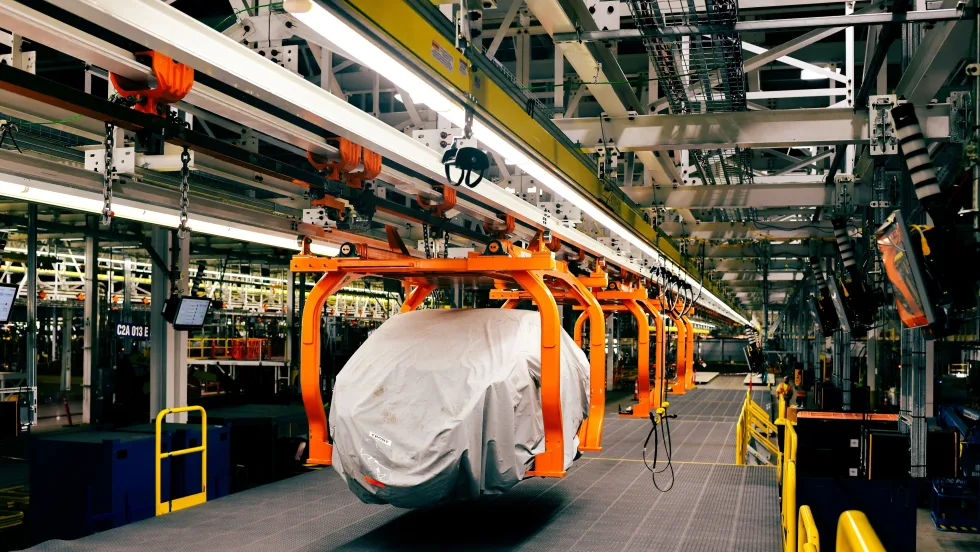
Ford Retools Louisville Plant for Fathom Electric Truck Production
Ford's $2 billion Louisville Assembly Plant overhaul introduces a three-part assembly process for the Fathom midsize electric truck, with production scheduled to begin in 2027.
Read More →
Merchants Fleet Reports 290M EV Miles as Fleets Navigate Changing Electrification Market
From millions in operating savings to hundreds of millions of EV miles, Merchants Fleet’s latest report reveals what’s working and what’s changing in fleet electrification.
Read More →
California District Commits to Electrify 25% of School Bus Fleet by 2028
One of the nation's largest school bus electrification projects to date demonstrates how grants, charging infrastructure, and public-private partnerships can help fleets transition to EVs at scale.
Read More →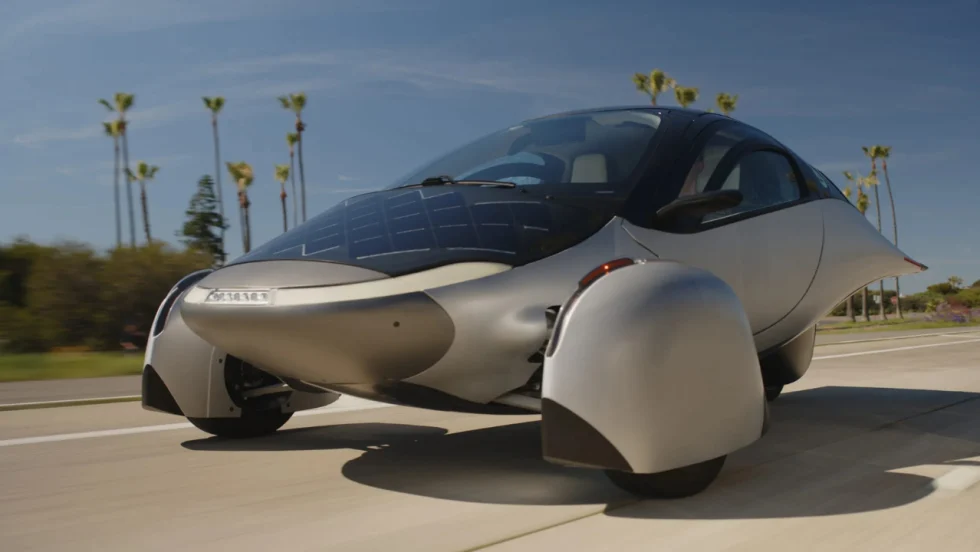
Aptera Orders Bodies and Chassis for Its First 40 Production Vehicles
Aptera Motors Corp. has issued purchase orders for the major structural components of its first 40 vehicles, and body and chassis components are expected to begin arriving in October.
Read More →