



Related: Drive App Update Displays Fleet Chargers For EV Operators
Ford Pro: Fleets Gear Up for EVs, but Barriers Persist
As fleets move toward electrification, research from The Futurum Group shows that policy gaps remain, especially around workplace and home charging. Clear guidelines are becoming as important as chargers themselves.
August 20, 2025
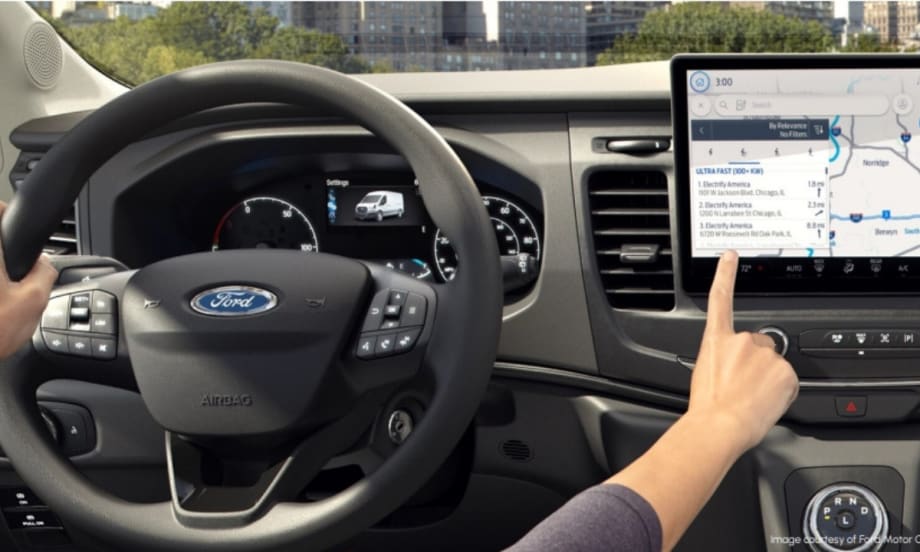
Policy gaps, home charging challenges, and cost concerns remain top hurdles as work truck fleets plan rapid EV expansion by 2027.
Photo: Ford
2 min to read
U.S. work truck fleets are moving toward large-scale electrification by 2027, though many organizations are still developing workplace policies governing vehicle use and charging, according to new research from The Futurum Group. The findings are based on a survey of 165 large enterprises in the U.S., each with revenues exceeding $100 million.
Workplace Policies Lag Behind Technical Readiness
While many fleets are preparing for EV adoption, operational policies remain a gap. These missing policies are not slowing adoption but do raise concerns about risk management and consistency:
Only 5% of organizations have comprehensive, up-to-date guidelines for take-home EV use and at-home charging.
41% of companies lack policies covering workplace or residential charging.
More than a third of enterprise leaders currently prevent employees from taking home company EVs, often due to financial or operational concerns.
Home Charging Seen as a Key Enabler
Survey respondents pointed to home charging as one of the most effective ways to accelerate EV adoption:
Over half said residential charging is the simplest step to remove barriers.
About a quarter of organizations are moving ahead with home charging programs, with some covering installation and reimbursing electricity costs.
Best Practices Emerging for EV Charging
Fleet leaders highlighted several practices that can help organizations prepare for wider EV adoption:
Home charging access and installation: Conduct site assessments to confirm electrical capacity and obtain approvals.
Driver education and guidance: Establish expectations for vehicle use and charging behavior.
Workplace charging policies: Define rules for charger access, sharing, and reimbursement.
Reimbursement models: Use stipends, per-mile rates, or tracked kWh usage to fairly cover home charging.
Telematics integration: Leverage data to monitor charging and support reimbursement.
Policy and Planning Will Drive Next Phase
The research shows that electrification is more than just adding EVs to the fleet. It requires policy frameworks, infrastructure planning, and clear driver guidance.
“As home charging becomes a central part of EV adoption, it’s essential for fleets to implement policies that are both fair and practical,” said Carly Dobbins-Bucklad, strategy and infrastructure senior manager at Ford Pro Charging.
With nearly all surveyed fleets planning to adopt EVs by 2027, the next phase of progress will require companies to strengthen workplace policies and operational frameworks to support consistent, low-risk integration.
More Electric Vehicles

EV Charging Use Is Outpacing Infrastructure Growth
ChargePoint’s 2026 Charging Forward Report points to rising charger use, higher-powered charging, commercial vehicle electrification, and energy-management technology. Here’s what fleets should know.
Read More →
EV Realty Names Henrik Holland President as Charging Platform Expands
The former Prologis Mobility and Shell executive will help expand EV Realty’s truck charging business and move its power-first infrastructure model into autonomous vehicle depots and other fleet sectors.
Read More →
GreenPower Expands New Mexico EV Pilot With Larger Buses, V2G Testing
After logging more than 17,000 electric miles in the first year, New Mexico’s statewide pilot is moving into its second phase with larger vehicles, continued charging evaluations, and more.
Read More →
Can EV-as-a-Service Help Fleets Scale Electrification?
Sustainability Partners CEO Adam Cain explains how matching EVs, charging infrastructure, and duty cycles can help fleets scale electrification.
Read More →
How EV-as-a-Service Is Moving Fleets Beyond Pilots
Adam Cain, president and CEO of Sustainability Partners, explains how EV-as-a-service can help fleets scale deployments by addressing duty-cycle requirements and charging challenges.
Read More →
PowerFlex, The Mobility House Join Forces to Advance Fleet Electrification
Two EV charging providers are joining forces to deliver a broader portfolio of energy management and fleet electrification solutions.
Read More →
Ford Retools Louisville Plant for Fathom Electric Truck Production
Ford's $2 billion Louisville Assembly Plant overhaul introduces a three-part assembly process for the Fathom midsize electric truck, with production scheduled to begin in 2027.
Read More →
Merchants Fleet Reports 290M EV Miles as Fleets Navigate Changing Electrification Market
From millions in operating savings to hundreds of millions of EV miles, Merchants Fleet’s latest report reveals what’s working and what’s changing in fleet electrification.
Read More →
California District Commits to Electrify 25% of School Bus Fleet by 2028
One of the nation's largest school bus electrification projects to date demonstrates how grants, charging infrastructure, and public-private partnerships can help fleets transition to EVs at scale.
Read More →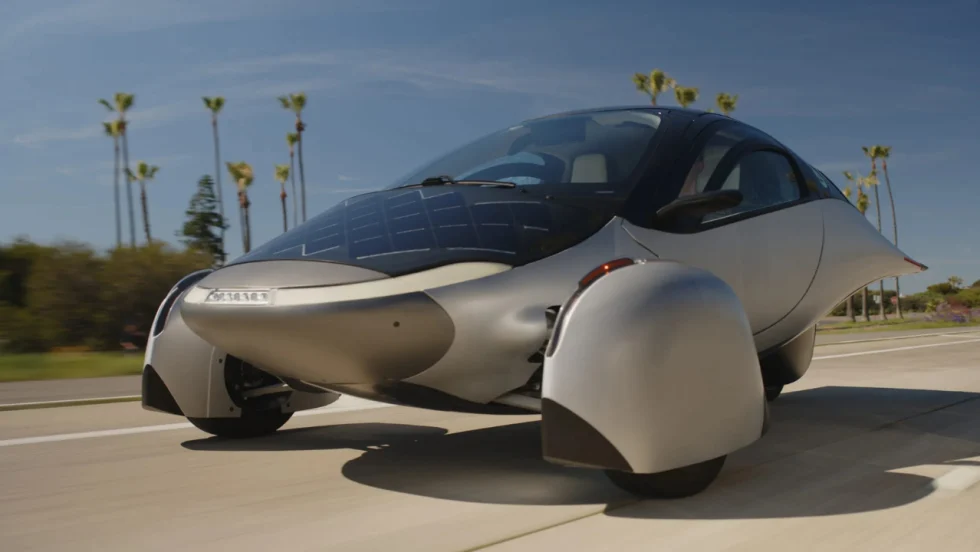
Aptera Orders Bodies and Chassis for Its First 40 Production Vehicles
Aptera Motors Corp. has issued purchase orders for the major structural components of its first 40 vehicles, and body and chassis components are expected to begin arriving in October.
Read More →