



Related News: How Long Do EV Batteries Really Last?
Cox Automotive Amasses EV Battery Minerals
The company has processed more than 10 million pounds of EV battery black mass, highlighting growing demand for recycling and lifecycle management as more electric vehicles enter the used market.
March 17, 2026
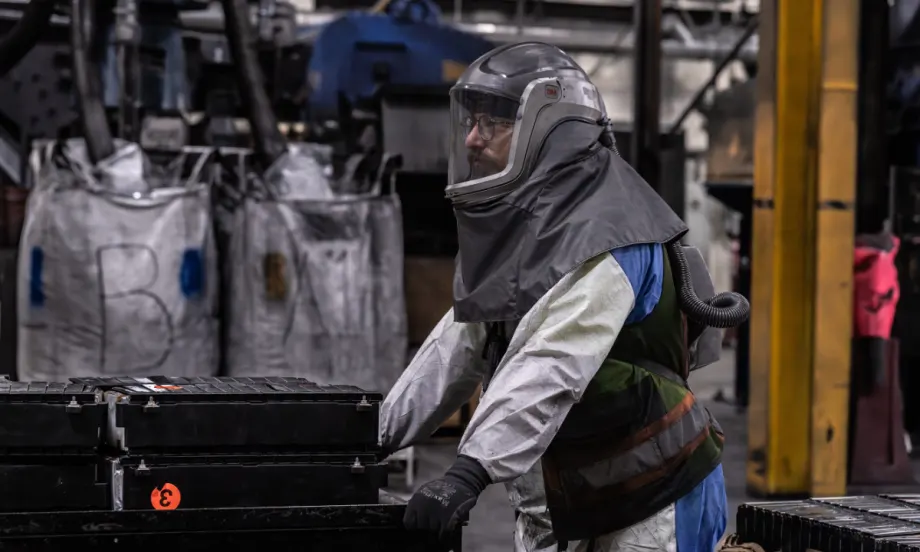
Cox Automotive reached a milestone in EV battery recycling, processing more than 10 million pounds of material as part of its broader battery lifecycle management strategy.
Credit: Cox Automotive
2 min to read
Cox Automotive's EV Battery Solutions business has processed more than 10 million pounds of black mass, a material containing minerals that can be refined and reused in new battery production, the company said March 12.
The milestone reflects Cox's role in managing EV battery lifecycles, including handling, logistics, repair, remanufacturing, and recycling.
Why This Matters
As more electric vehicles enter the used market, demand for battery service, reuse, and recycling is increasing.
EVs accounted for about 5% of lease maturities in 2025 and are expected to exceed 12% in 2026, with projections reaching about 23% by 2028.
More batteries will require service, second-life applications, and end-of-life recycling.
Recycling helps keep materials in use and supports battery supply chains.
Battery lifecycle management is becoming a growing operational need as EV adoption increases.
Battery Lifecycle Approach
Cox Automotive said recycling is part of a broader strategy to extend battery life through repair, refurbishment, and remanufacturing, with recycling used when necessary.
The company uses depowering and dry-shredding technologies designed to reduce fire risk and support safer battery processing.
“This milestone reflects progress in scaling EV battery recycling,” said Brian Skalovsky, director of battery recycling for EV Battery Solutions at Cox Automotive, in a March 12 news release. “Recovered materials can be reused as more EVs enter the market.”
Lea Malloy, vice president of EV Battery Solutions, said the company’s approach focuses on extending battery life and supporting end-of-life recovery.
Battery Recycling Process
At Cox Automotive’s battery recycling facility in Oklahoma City, technicians use a dry recycling process that avoids water and chemical treatments.
The process includes mechanical disassembly, shredding, and air-based separation to recover materials. The company reports recovery rates of up to 94%.
Black Mass and Material Recovery
Black mass is a powder-like material created during battery recycling that contains metals such as lithium, nickel, cobalt, and manganese. These materials can be refined and reused in new battery production, reducing reliance on newly mined resources.
Sustainability and Operations
The milestone supports Cox Enterprises’ sustainability program, Cox Conserves, which focuses on reducing waste, conserving resources, and supporting environmental initiatives.
Cox Automotive’s EV battery services include storage, logistics, diagnostics, repair, and remanufacturing, along with recycling operations at facilities in:
Oklahoma City
Belleville, Michigan
Las Vegas
Conyers, Georgia
Ede, Netherlands
Rugby, United Kingdom
The company also supports battery services through select Manheim locations.
More Batteries/Tech
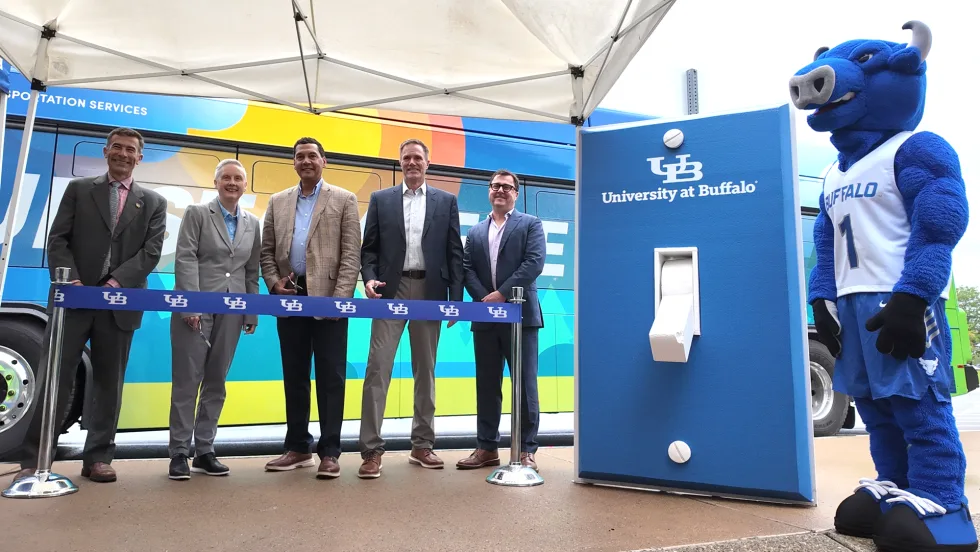
University at Buffalo Deploys 8 Electric Buses, 10 Chargers
The university, WeDriveU, and Zenobē welcomed the first electric buses to the school’s fleet under its zero-emissions roadmap.
Read More →
Samsung SDI Takes Full Control of GM Battery JV as Indiana Plant Pivots to Energy Storage
Samsung SDI is taking full control of its Indiana battery plant with GM, marking a major shift from the EV-focused joint venture Charged Fleet first covered in 2023.
Read More →
Xos White Paper Asserts LA Olympics Will Lack Enough EV Chargers
The commercial EV fleet company recommends some faster and more flexible remedies to relieve the anticipated shortfall.
Read More →
New EV and Hybrid Training Available For Auto Technicians
The curriculum covers those skill sets highly sought by electric fleet operations.
Read More →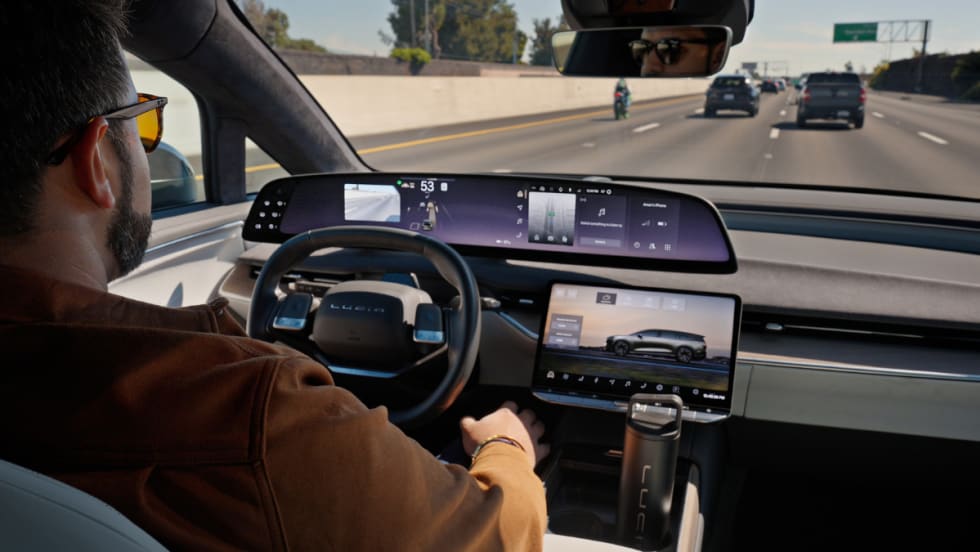
Lucid Adds Hands-Free Highway Driving, Software Updates To Gravity SUV
Hands-free drive assist makes highway driving more comfortable while keeping drivers attentive to the road.
Read More →
California Adopts Sweeping New Autonomous Vehicle Regulations
Updated DMV rules open the door for heavy-duty AV testing and deployment while strengthening safety standards, emergency response coordination, and manufacturer accountability.
Read More →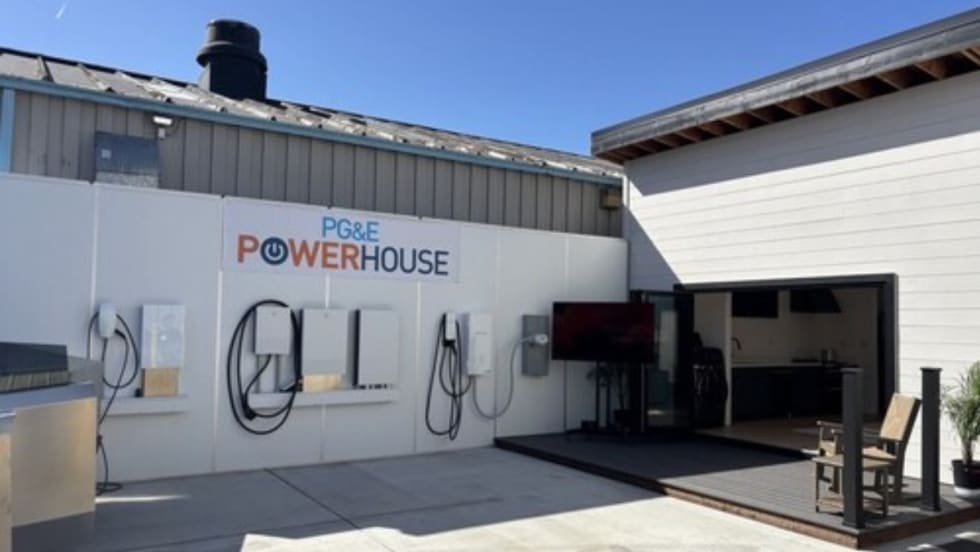
All Electric Test House Could Ease Path To EV Usage
An experimental model home shows how residential charging could enable electric fleet operations by allowing drivers to take EVs home.
Read More →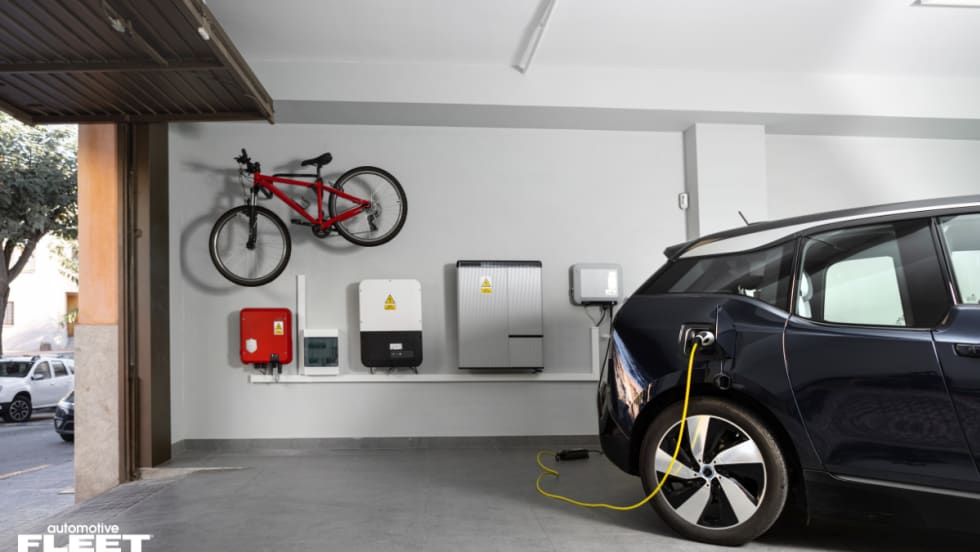
WEX Launches Solution to Close EV At-Home Charging Visibility Gap
At NAFA I&E 2026, WEX debuted an EV solution that adds a layer of verification to help fleets track, validate, and trust every at-home charging dollar.
Read More →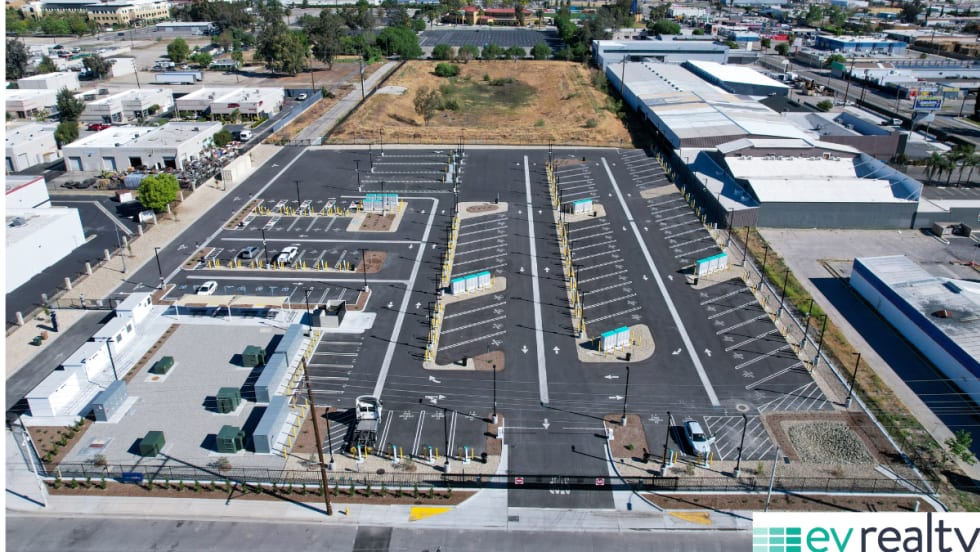
Major Truck Charging Hub Opens In Southern California
EV Realty opens a 76-port, 9 MW truck charging hub in San Bernardino, designed to support more than 200 medium- and heavy-duty vehicles per day with CCS and MCS capability.
Read More →
Software Speeds Up EV Fleet Charging
Learn about a new level of energy management that helps fleets control costs while maintaining service reliability. [VIDEO]
Read More →