


EV Charging Advances Toward More Options
Data and smarter management systems are easing the transition to fleet electrification, giving fleet managers more flexibility with electric fleets.

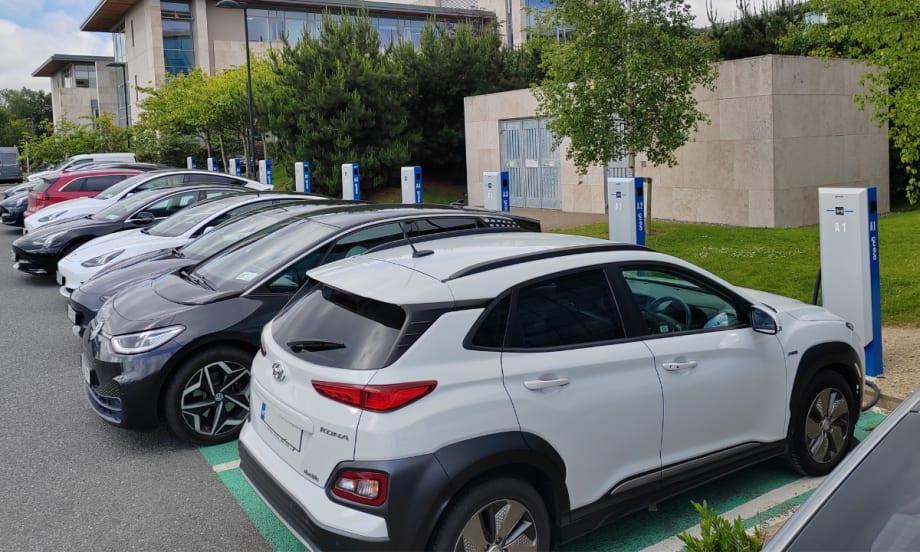
Go Eve's DockChain EV charging technology at work on a parking lot in Dublin, Ireland.
Credit: The Merlin Group
- Advancements in electric vehicle (EV) charging technology are being driven by data and intelligent management systems.
- These developments facilitate the process of fleet electrification for fleet managers, offering enhanced operational options.
- Fleet managers now have increased flexibility in managing electric fleets due to improved charging solutions.
*Summarized by AI
Fleet operations can now tap more advantages in pursuing electric vehicles compared to five years ago when electrification buzzed the industry but hadn’t proven its bona fides.
A combination of data, software, AI, power management technology, and a deeper charging network are easing the transition to an electric fleet. Bottom line: It’s not as costly or cumbersome as it was five years ago during the anticipatory adoption period for electric vehicles.
In this digital version of a recent episode of The Off-Peak video series, The Merlin Group senior associate Ryan Kerzner outlines progress in scaling charging infrastructure to EV fleet-specific needs.
Q: What technological advances have helped EV operations scale their fleet planning?
A: Fleet electrification has scaled mostly because software, data, and power electronics matured at the same time. The biggest advance is the modern fleet-management platform, which acts as a single decision layer. It integrates vehicle telematics, route planning, and energy forecasting, allowing operators to accurately model duty cycles, charging windows, and battery degradation before adding vehicles.
I've also seen huge gains in smart, charge management systems.
The CMS can dynamically balance load across dozens or hundreds of vehicles, reduce peak demand charges, and avoid costly utility upgrades.
At the vehicle level, improvements in battery energy density and DC fast-charging reliability have reduced operational risk, while cloud data analytics and AI-driven optimization enable more advances as fleets grow.
Q: What factors decide the question of infrastructure installation versus outsourcing charging access?
A: The decision typically comes down to three things: usage, control, and total cost of ownership.
Fleets with predictable routes, high vehicle dwell time, and dense operations — like last-mile delivery depots — almost always install their own charging. This guarantees availability, provides control over energy costs, and allows tight integration with their daily operations.
On the flip side, fleets with variable routes, lower usage, or those just running early pilots may choose to outsource to public or third-party networks. It reduces upfront capital expenditure and deployment risk. Beyond that, the key practical issues are local utility timelines, available incentives, real-estate constraints, and whether guaranteed charging is a mission-critical requirement.
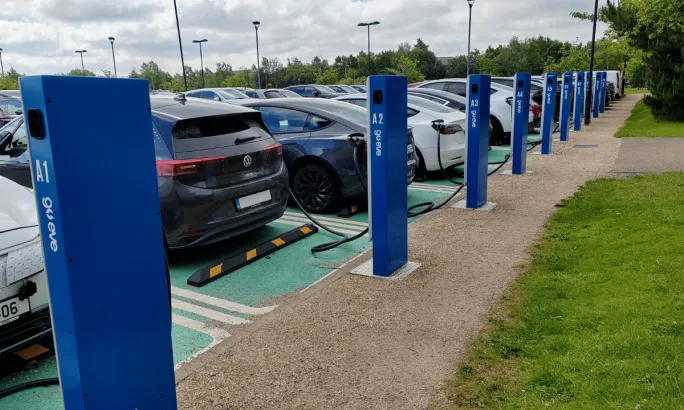
Key success factors on charging infrastructure projects include a phased rollout, early utility coordination, and standardized charger designs.
Credit: The Merlin Group
Q: What’s an example of a successful EV charging case study?
A: A common success story I share involves large delivery operators and EV infrastructure installation, where I work with them on-site operations and with the OEMs. Their success follows a clear pattern: deploying depot-based charging aligned with fixed routes and overnight dwell time, typically multiple level 2 chargers.
In these rollouts, centralized charging, paired with the right CMS to manage energy, enabled hundreds of electric delivery vans to operate on predictable schedules while keeping energy costs low and site operations smooth.
Key success factors on those projects included a phased rollout, early utility coordination, and standardized charger designs. It was something duplicatable, and again, the software that linked vehicle dispatch with charging status.
It clearly demonstrates that electrification can scale when infrastructure and operations are planned together, with necessary changes made along the way.
Q: How do charging and electrification costs compare now versus five years ago?
A: Compared to five years ago, total electrification costs have declined materially on a per-vehicle basis. Hardware prices for chargers have fallen, installation is more standardized, and competition has tightened the margins. Meanwhile, batteries now deliver more usable range per dollar, meaning fewer chargers are required to support the same operational output.
Yes, grid upgrades and labor costs remain significant, and in some regions, they have even risen. However, the combination of available incentives, smarter energy management systems, and new battery-energy storage options has reduced the effective lifecycle cost.
For many fleets, deploying EVs is now cost-competitive, or even cheaper, than sticking with ICE alternatives. You need to get the hardware and infrastructure done right.
Q: How does the current EV regulatory and political climate affect the pace of electrification?
A: I think it creates a mixed but generally supportive signal for fleet electrification. Federal and state incentives, along with clean-air mandates and zero-emission fleet requirements, continue to drive adoption, particularly in states with aggressive policies.

Ryan Kerzner, a senior associate at The Merlin Group, previously worked in the rental car industry.
Credit: The Merlin Group
The challenge, however, is policy uncertainty, shifting political priorities, and uneven utility readiness across the country. These factors can slow projects and complicate long-term planning.
This means electrification is increasingly driven by the fundamental business case — economics, customer expectations, and operational resilience — rather than by policy alone.
Regulation accelerates adoption when stable, but a strong, disciplined business case remains the primary driver of scale.
More Charging
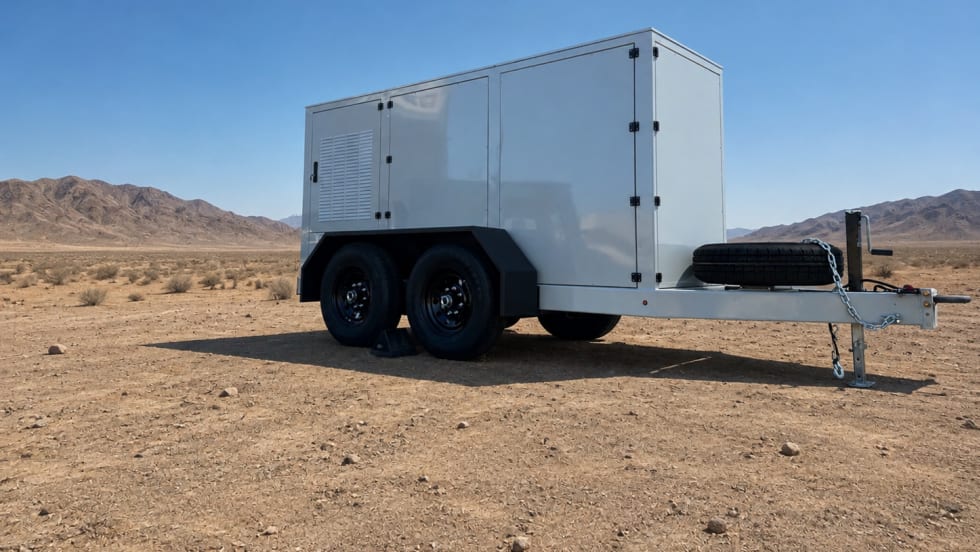
Xos Mobile Charging Hub Surpasses 1 GWh of Energy Delivered
As fleets electrify, charging capacity does not always arrive on the same timeline as the vehicles. Operating data from one Xos Hub shows how mobile, grid-independent charging can support vehicles when permanent infrastructure or utility upgrades aren't available.
Read More →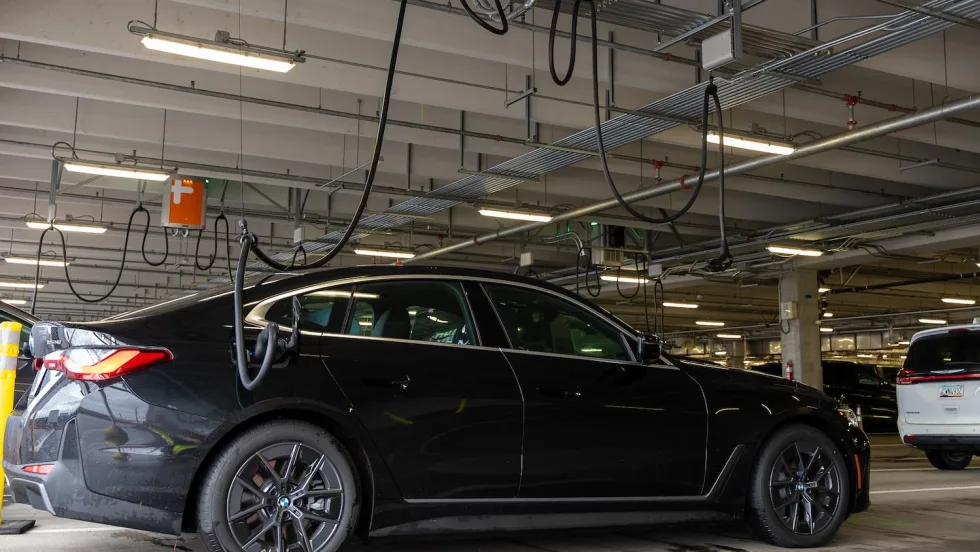
ChargePoint Adds Overhead EV Fast Charging at Portland International Airport
The installation can charge up to 20 rental vehicles simultaneously and uses overhead equipment to preserve ground-level space at the airport's Quick Turnaround Facility.
Read More →
Octopus Energy Launches Public EV Charging App in U.S.
Octopus Charge allows EV drivers to locate and access public charging stations through a single app, building on the company's Electroverse platform in Europe.
Read More →
Schneider Electric Launches Level 2 Home EV Charger With Integrated Load Management
Schneider Charge uses integrated SmartAmp technology to adjust charging output based on household electrical demand and is available with NACS or J1772 connectors.
Read More →
Why EV Charging Reliability Is More Complicated Than It Looks
GridLink CEO Josh Silets explains what causes EV chargers to fail, why fleet operators often struggle to identify the source, and what questions they should ask charging vendors.
Read More →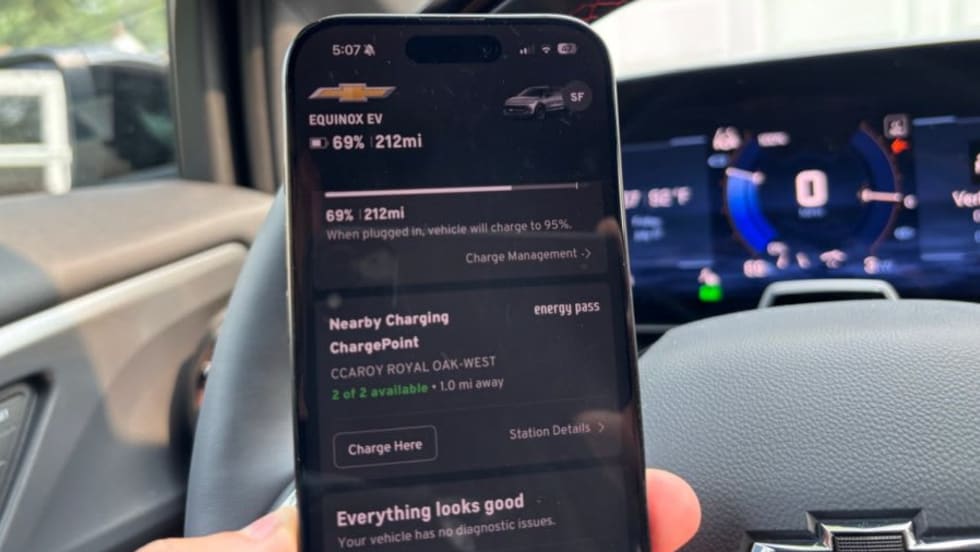
GM Adds ChargePoint Network to Energy Pass Platform
The integration gives GM EV drivers access to additional DC fast chargers and Level 2 stations through a single app while expanding the automaker's public charging ecosystem.
Read More →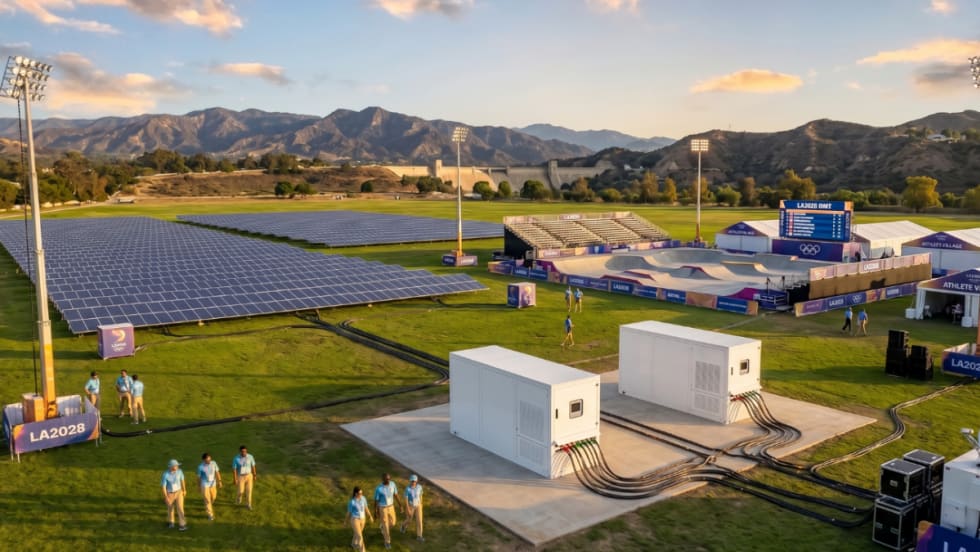
Xos White Paper Asserts LA Olympics Will Lack Enough EV Chargers
The commercial EV fleet company recommends some faster and more flexible remedies to relieve the anticipated shortfall.
Read More →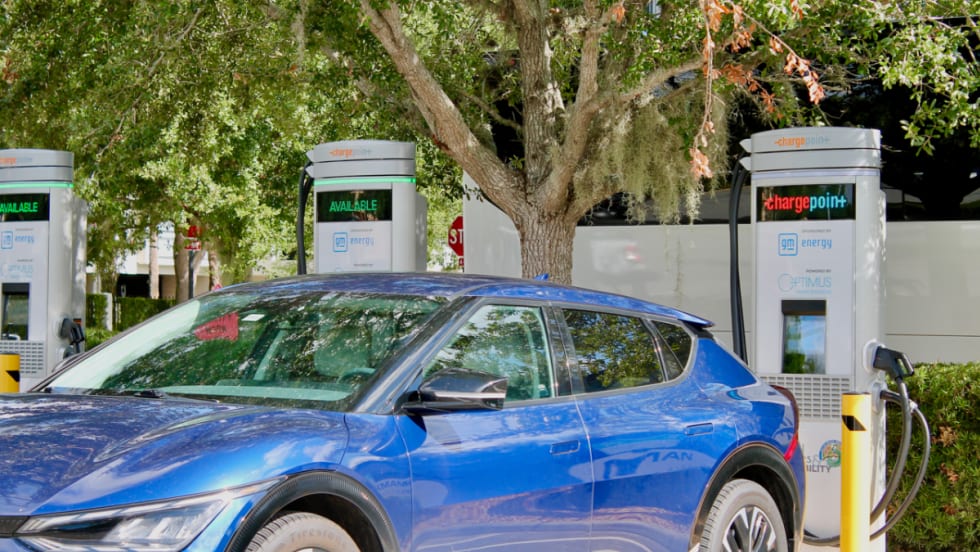
ChargePoint, Optimus Expand Fast-Charging Network Across Southeastern U.S.
ChargePoint will serve as the exclusive solutions provider, delivering hardware, software, and services to support Optimus’ growing charging network.
Read More →
Running A Profitable Electric Rental Fleet
How do you successfully operate an all-electric rental car fleet? Whether you manage a rental fleet or another commercial fleet, this conversation offers practical lessons on deploying, operating, and scaling electric vehicles.
Read More →
Why Charging May Never Be As Easy As Filling Up Gas
A seamless charge depends on a string of independent companies getting it right together, every time. How can electric fleets navigate the challenges to create a successful charging plan?
Read More →