


How Long Do EV Batteries Really Last?
A recent Geotab study reveals some of the factors affecting EV battery lifespan and performance.

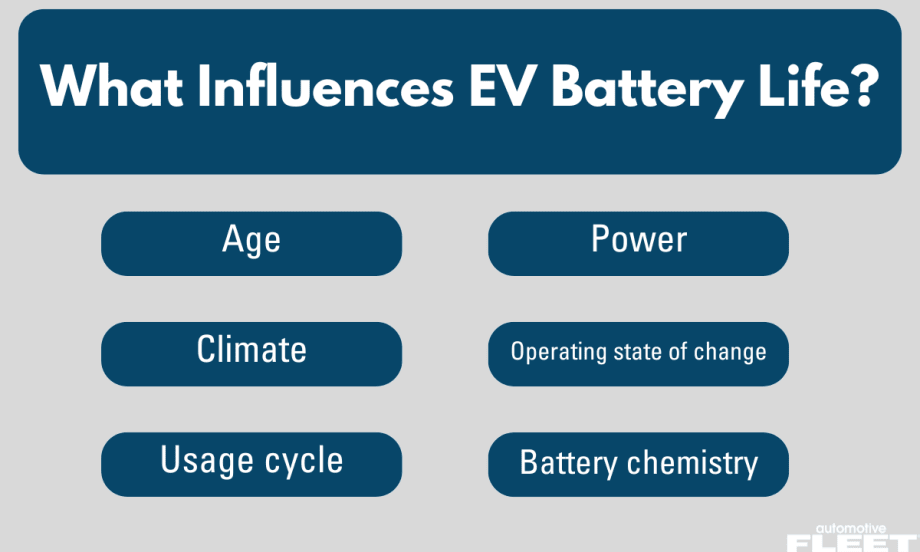
Geotab conducted several extensive studies using telematics data to see how quickly EV batteries degrade. The 2025 analysis covered over 22,700 vehicles and 21 different models.
Image: Automotive Fleet
Updated electric vehicle (EV) battery health data from Geotab shows that modern EV batteries continue to perform strongly through their operational lifespan, even as fast charging becomes more common.
In its updated EV battery health study, Geotab analyzed real-world battery health data from more than 22,700 electric vehicles across 21 makes and models, drawing on several years of aggregated telematics information. The updated analysis shows an average annual battery degradation rate of 2.3%, compared to 1.8% in Geotab’s 2024 findings.
The increase reflects changes in how EVs are used, notably a growing reliance on high-power DC fast charging. EV lifespan can be a concern for both individual drivers and fleet operators, particularly as adoption accelerates across commercial and public-sector fleets. By understanding how batteries age under different charging, climate, and usage conditions, operators can better manage EV performance, protect battery health, and make more informed decisions about vehicle deployment and charging strategy throughout the vehicle's life.
“EV battery health remains strong, even as vehicles are charged faster and deployed more intensively,” said Charlotte Argue, senior manager of Sustainable Mobility at Geotab. “Our latest data shows that batteries are still lasting well beyond the replacement cycles most fleets plan for. What has changed is that charging behavior now plays a much bigger role in how quickly batteries age, giving operators an opportunity to manage long-term risk through smart charging strategies.”
Charging Power as a Dominant Factor
The analysis shows that charging power is now the strongest operational influence on EV battery health. Vehicles that relied heavily on DC fast charging above 100 kW experienced faster degradation, averaging up to 3.0% per year, compared with around 1.5% for vehicles that primarily used AC or lower-power charging.
Other factors, such as climate, showed a smaller independent effect. Vehicles operating in hotter regions degraded at a rate of around 0.4% per year faster than those in mild climates.
Strict Charging Rules Aren't as Critical
The data also challenge the need for strict day-to-day charging constraints. Vehicles that regularly used a wider state-of-charge range did not show higher degradation unless they spent prolonged, habitual periods near full or near empty charge levels.
Higher-use vehicles showed slightly faster degradation, increasing by around 0.8% per year compared to the lowest-use group, but this is an acceptable trade-off relative to the operational and cost benefits of keeping vehicles in service. For many fleets, these productivity gains directly translate into a lower cost per mile over the vehicle’s life.
“For fleets, the focus should be balance,” Argue added. “Using the lowest charging power that still meets operational needs can make a measurable difference to long-term battery health without limiting vehicle availability.”
EV Battery Degradation, Explained
Battery degradation is a natural process that reduces a battery's storage capacity over time.
Battery condition is measured as state of health (SOH). Batteries begin their life at 100% SOH and deteriorate gradually. For example, a 60-kWh battery operating at 80% SOH effectively behaves like a 48-kWh battery.
Geotab’s data shows that, while degradation rates vary by model, charging behavior, and usage patterns, the majority of modern EV batteries remain fit for purpose well beyond typical ownership and fleet-replacement timelines.
Pay Attention to EV Battery Data
Accurate state-of-health information, enabled by comprehensive telematics data, is key to helping people make the most of electric vehicles. Telematics data insights, available in Geotab’s EV Battery Health report, enable fleets to determine the true battery capacity of their EVs, understand degradation rates, and maximize value throughout their life cycle.
Originally posted on Automotive Fleet
More Electric Vehicles
EV Charging Use Is Outpacing Infrastructure Growth
ChargePoint’s 2026 Charging Forward Report points to rising charger use, higher-powered charging, commercial vehicle electrification, and energy-management technology. Here’s what fleets should know.
Read More →
EV Realty Names Henrik Holland President as Charging Platform Expands
The former Prologis Mobility and Shell executive will help expand EV Realty’s truck charging business and move its power-first infrastructure model into autonomous vehicle depots and other fleet sectors.
Read More →
GreenPower Expands New Mexico EV Pilot With Larger Buses, V2G Testing
After logging more than 17,000 electric miles in the first year, New Mexico’s statewide pilot is moving into its second phase with larger vehicles, continued charging evaluations, and more.
Read More →
Can EV-as-a-Service Help Fleets Scale Electrification?
Sustainability Partners CEO Adam Cain explains how matching EVs, charging infrastructure, and duty cycles can help fleets scale electrification.
Read More →
How EV-as-a-Service Is Moving Fleets Beyond Pilots
Adam Cain, president and CEO of Sustainability Partners, explains how EV-as-a-service can help fleets scale deployments by addressing duty-cycle requirements and charging challenges.
Read More →
PowerFlex, The Mobility House Join Forces to Advance Fleet Electrification
Two EV charging providers are joining forces to deliver a broader portfolio of energy management and fleet electrification solutions.
Read More →
Ford Retools Louisville Plant for Fathom Electric Truck Production
Ford's $2 billion Louisville Assembly Plant overhaul introduces a three-part assembly process for the Fathom midsize electric truck, with production scheduled to begin in 2027.
Read More →
Merchants Fleet Reports 290M EV Miles as Fleets Navigate Changing Electrification Market
From millions in operating savings to hundreds of millions of EV miles, Merchants Fleet’s latest report reveals what’s working and what’s changing in fleet electrification.
Read More →
California District Commits to Electrify 25% of School Bus Fleet by 2028
One of the nation's largest school bus electrification projects to date demonstrates how grants, charging infrastructure, and public-private partnerships can help fleets transition to EVs at scale.
Read More →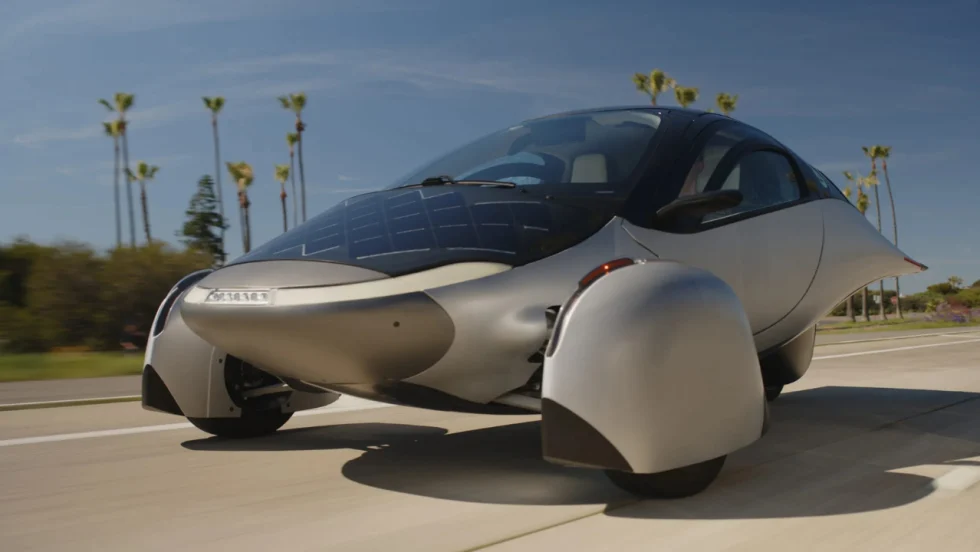
Aptera Orders Bodies and Chassis for Its First 40 Production Vehicles
Aptera Motors Corp. has issued purchase orders for the major structural components of its first 40 vehicles, and body and chassis components are expected to begin arriving in October.
Read More →