



Related: Investing in EV Battery Minerals
What If An EV Were Made Without Metals Or Minerals?
Sandvik’s new eNimon installation offers a striking look at what the world of electric vehicles would be like without mined materials — transparent, motionless, and impossible to move forward.
October 29, 2025
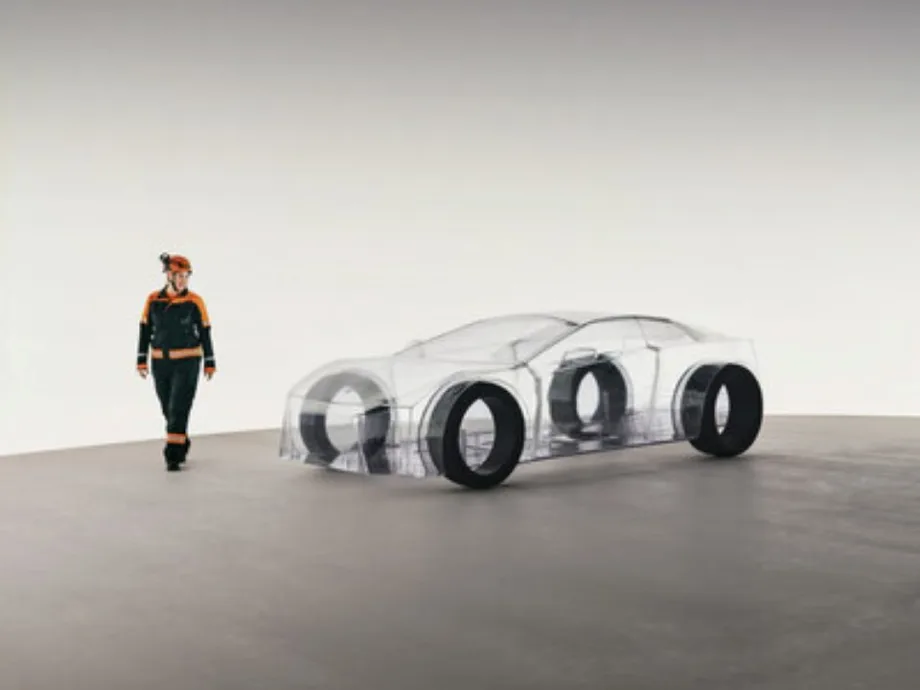
The Sandvik eNimon installation — the world’s first electric car made without metals or minerals — highlights the essential role of sustainable mining in advancing electric mobility.
Photo: Sandvik Group
2 min to read
More than 90% of the materials in a typical electric car come from mining. Sandvik’s new installation, the eNimon, strips those resources away to highlight what the world would look like without them.
Completely transparent and immobile, the “Nomine car” illustrates the reliance of EV production—and the broader clean energy transition—on sustainably sourced metals and minerals.
A Visual Reminder of Mining’s Role in Electrification
The eNimon installation, described as the first electric car ever built without metals or minerals, is designed to make a point: without mining, electric mobility doesn’t exist. The transparent vehicle symbolizes what happens when critical materials like lithium, copper, and nickel are unavailable.
“Without mining, there are no EVs, no wind turbines, no solar panels,” said Mats Eriksson, president of Business Area Mining at Sandvik. “Sustainable mining is the backbone of the green transition and fundamental to achieving global sustainability goals.”
Rising Demand for Critical Materials
As the world moves toward net-zero emissions, demand for the minerals that power clean technologies continues to surge. Yet current mining output is not keeping pace.
An EV requires six times more mineral input than a conventional vehicle.
An onshore wind plant uses roughly nine times more mineral resources than a gas-fired plant.
Meeting global net-zero targets by 2050 could require up to five times more lithium, nickel, and cobalt production than today.
Without expanding sustainable mining practices, these shortages could slow progress toward electrification and emissions reduction goals.
Mining as a Foundation of the Green Transition
Sandvik’s eNimon installation aims to challenge public perception of mining and emphasize its connection to the technologies shaping a cleaner future.
“eNimon symbolizes what’s at stake if we fail to recognize mining’s essential role in sustainable development,” Eriksson said. “This installation reminds us that mining is not a relic of the past — it’s a high-tech, innovative industry enabling the energy transition.”
On Display in Stockholm
The eNimon is on display at the National Museum of Science and Technology in Stockholm, Sweden. The installation encourages discussion about responsible sourcing, sustainable production, and the materials needed to support the world’s growing electric vehicle market.
More Electric Vehicles

EV Charging Use Is Outpacing Infrastructure Growth
ChargePoint’s 2026 Charging Forward Report points to rising charger use, higher-powered charging, commercial vehicle electrification, and energy-management technology. Here’s what fleets should know.
Read More →
EV Realty Names Henrik Holland President as Charging Platform Expands
The former Prologis Mobility and Shell executive will help expand EV Realty’s truck charging business and move its power-first infrastructure model into autonomous vehicle depots and other fleet sectors.
Read More →
GreenPower Expands New Mexico EV Pilot With Larger Buses, V2G Testing
After logging more than 17,000 electric miles in the first year, New Mexico’s statewide pilot is moving into its second phase with larger vehicles, continued charging evaluations, and more.
Read More →
Can EV-as-a-Service Help Fleets Scale Electrification?
Sustainability Partners CEO Adam Cain explains how matching EVs, charging infrastructure, and duty cycles can help fleets scale electrification.
Read More →
How EV-as-a-Service Is Moving Fleets Beyond Pilots
Adam Cain, president and CEO of Sustainability Partners, explains how EV-as-a-service can help fleets scale deployments by addressing duty-cycle requirements and charging challenges.
Read More →
PowerFlex, The Mobility House Join Forces to Advance Fleet Electrification
Two EV charging providers are joining forces to deliver a broader portfolio of energy management and fleet electrification solutions.
Read More →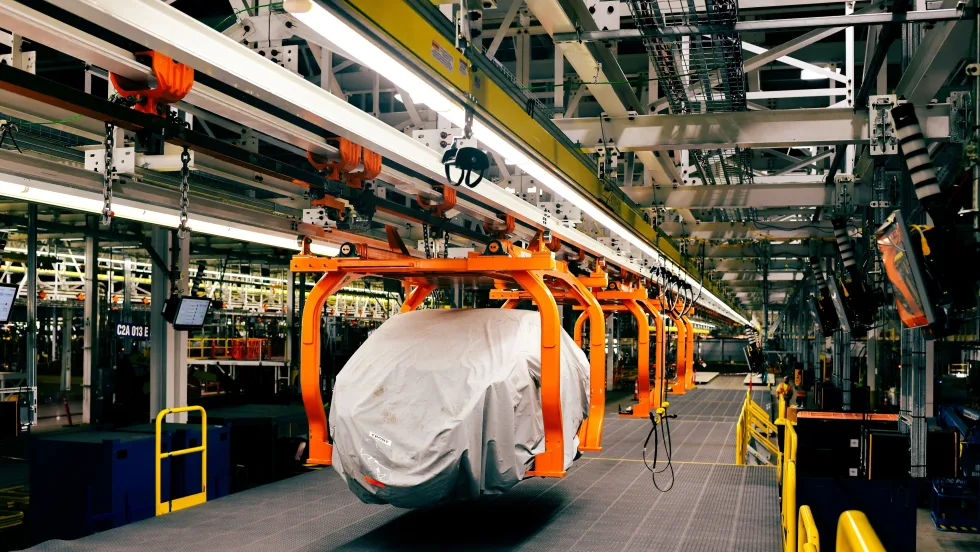
Ford Retools Louisville Plant for Fathom Electric Truck Production
Ford's $2 billion Louisville Assembly Plant overhaul introduces a three-part assembly process for the Fathom midsize electric truck, with production scheduled to begin in 2027.
Read More →
Merchants Fleet Reports 290M EV Miles as Fleets Navigate Changing Electrification Market
From millions in operating savings to hundreds of millions of EV miles, Merchants Fleet’s latest report reveals what’s working and what’s changing in fleet electrification.
Read More →
California District Commits to Electrify 25% of School Bus Fleet by 2028
One of the nation's largest school bus electrification projects to date demonstrates how grants, charging infrastructure, and public-private partnerships can help fleets transition to EVs at scale.
Read More →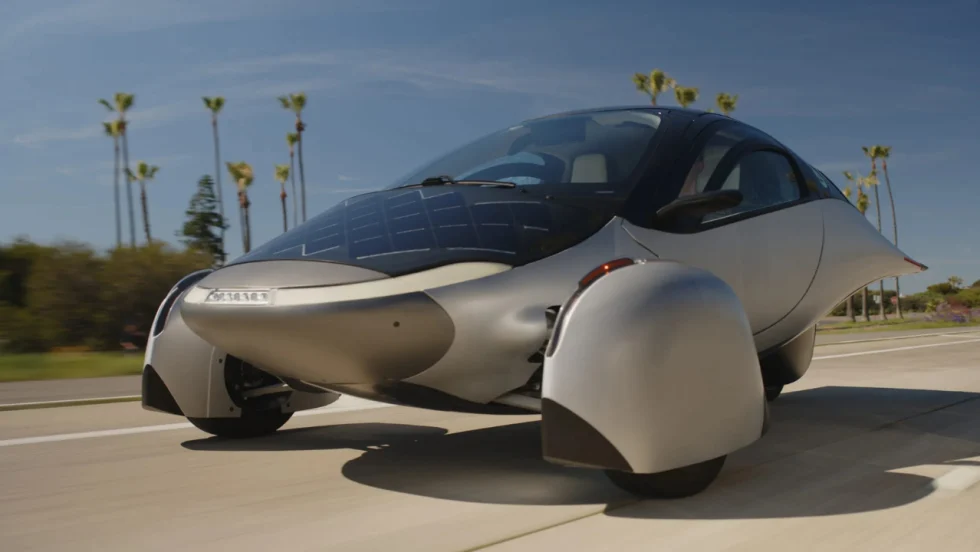
Aptera Orders Bodies and Chassis for Its First 40 Production Vehicles
Aptera Motors Corp. has issued purchase orders for the major structural components of its first 40 vehicles, and body and chassis components are expected to begin arriving in October.
Read More →