



Further Reading: New Head of BMW Group UK Corporate Sales Appointed
Corporates Want Sustainability as well as Electric Vehicles
Ralph Morton interviews Dr. Thomas Becker, vice president of sustainability and mobility at BMW Group.
March 10, 2022
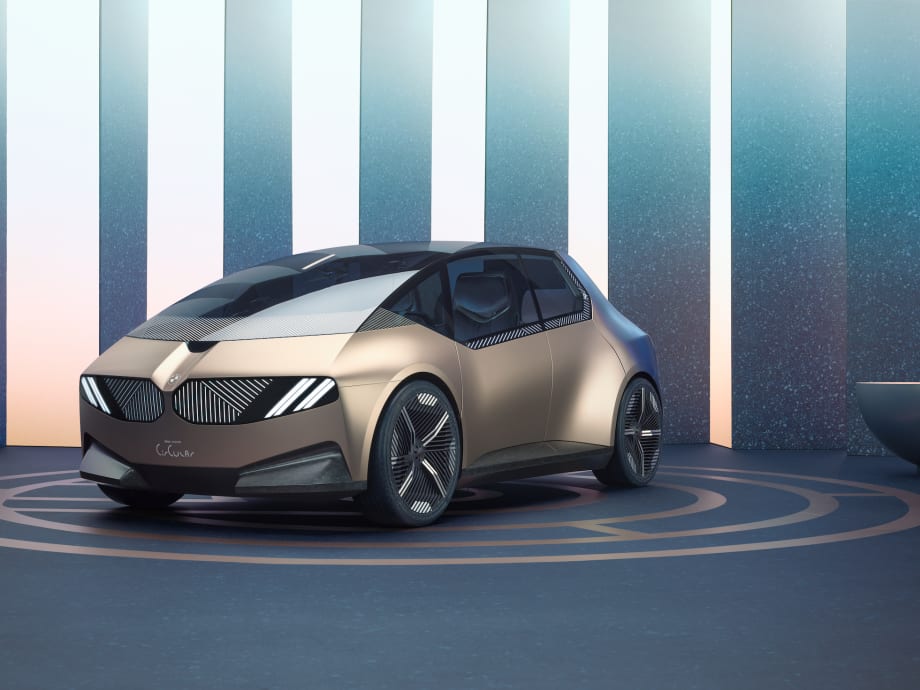
BMW iVision Circular
Photo: BMW Group
3 min to read
Corporate companies want more than just a supply of electric vehicles for their fleets. With an eye on environmental and social and governance (ESG) considerations, corporate fleets want to understand the sustainability of the company producing the fleet cars, whether they are buying or leasing.

Photo: Ralph Morton
“Do we really believe that in five years from now, when the share of electric vehicles in major markets such as the U.K. will be very high, will people really say, ‘Hey, the zero grams of CO2 emitted by a Tesla is exactly the same as from a Jeep, a VW, a BMW, a Mercedes—they are all the same?’ No, they are not, and we are going to be challenged by different aspects,” says Dr. Thomas Becker, vice president of sustainability and mobility at BMW Group. He says that corporates are now digging deeper into the provenance of the OEM’s manufacturing process.
“Some of our corporate customers are already starting to ask: What is the overall footprint of what you are trying to sell? How much is in your value chain? How much electricity will you use? How much weight, how much resources do you use? So we need, and we want to be part of the conversation around these issues.”
Becker says that there also needs to be a reappraisal of material use in car manufacture.
“We need to demonstrate that luxury does not mean waste. How can we reuse resources and make it premium? I don’t think anyone objects to recycled aluminum, so why can’t we recycle any material? Some are more challenging than others, such as wood, while recycled textiles using plastic must have an absolute premium look and feel. But I think using secondary material blends into the notion of what premium means and creates greater brand credibility.”
Becker reckons that using recycled material is now going to the heart of making BMWs. In the R&D department using primary materials might be the de facto default position, but Becker says that the research teams are required to use secondary materials first.
It’s what BMW calls the circular economy: a greater number of electric vehicles on the road with a focus on reduced use of primary materials and a lessened dependence on environmentally harmful exploitation of resources and their often CO2-intensive processing—especially when it comes to car manufacturing, one of the most resource-intensive industries.
As part of this holistic approach to sustainability, the BMW Group aims to significantly increase the percentage of secondary materials in its vehicles.
“On average, current vehicles are manufactured using almost 30% recycled and reusable materials. With the ‘Secondary First’ approach, we plan to successively raise this figure to 50%,” adds Becker.
To demonstrate its approach to making sustainable fleet vehicles, Becker points to the BMW i Vision Circular, first shown at the 2021 IAA Mobility in Frankfurt, Germany.
He says: “The overall design goal was to create a vehicle optimized for closed material cycles. And it does this with a 100% use of recycled materials that can also be recycled.” Even the car’s solid-state battery is made from recycled materials.
He also says that company car fleets are the quickest route to rolling out such new technology to demonstrate to a wider audience that sustainable tech does work.
“If you look at the markets which are moving quickly on sustainability, it is those with a strong corporate car sales share. So this is why demonstrating that sustainability can be moved forward is absolutely crucial to BMW.”
Originally posted on Automotive Fleet
More Electric Vehicles
EV Charging Use Is Outpacing Infrastructure Growth
ChargePoint’s 2026 Charging Forward Report points to rising charger use, higher-powered charging, commercial vehicle electrification, and energy-management technology. Here’s what fleets should know.
Read More →
EV Realty Names Henrik Holland President as Charging Platform Expands
The former Prologis Mobility and Shell executive will help expand EV Realty’s truck charging business and move its power-first infrastructure model into autonomous vehicle depots and other fleet sectors.
Read More →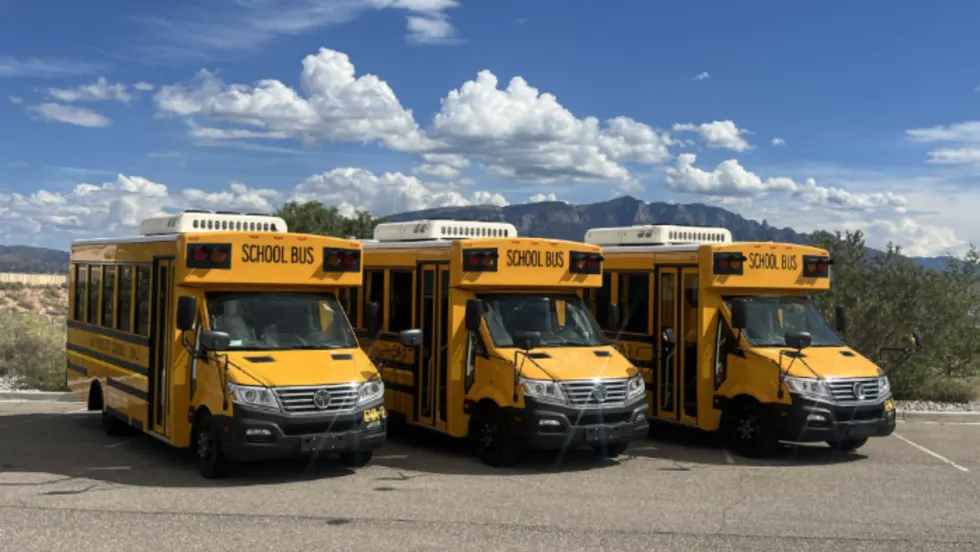
GreenPower Expands New Mexico EV Pilot With Larger Buses, V2G Testing
After logging more than 17,000 electric miles in the first year, New Mexico’s statewide pilot is moving into its second phase with larger vehicles, continued charging evaluations, and more.
Read More →
Can EV-as-a-Service Help Fleets Scale Electrification?
Sustainability Partners CEO Adam Cain explains how matching EVs, charging infrastructure, and duty cycles can help fleets scale electrification.
Read More →
How EV-as-a-Service Is Moving Fleets Beyond Pilots
Adam Cain, president and CEO of Sustainability Partners, explains how EV-as-a-service can help fleets scale deployments by addressing duty-cycle requirements and charging challenges.
Read More →
PowerFlex, The Mobility House Join Forces to Advance Fleet Electrification
Two EV charging providers are joining forces to deliver a broader portfolio of energy management and fleet electrification solutions.
Read More →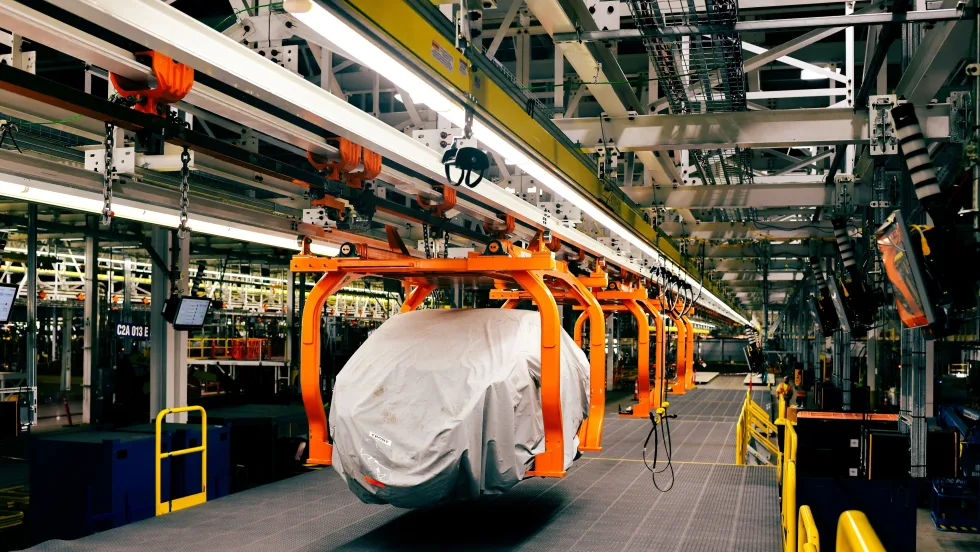
Ford Retools Louisville Plant for Fathom Electric Truck Production
Ford's $2 billion Louisville Assembly Plant overhaul introduces a three-part assembly process for the Fathom midsize electric truck, with production scheduled to begin in 2027.
Read More →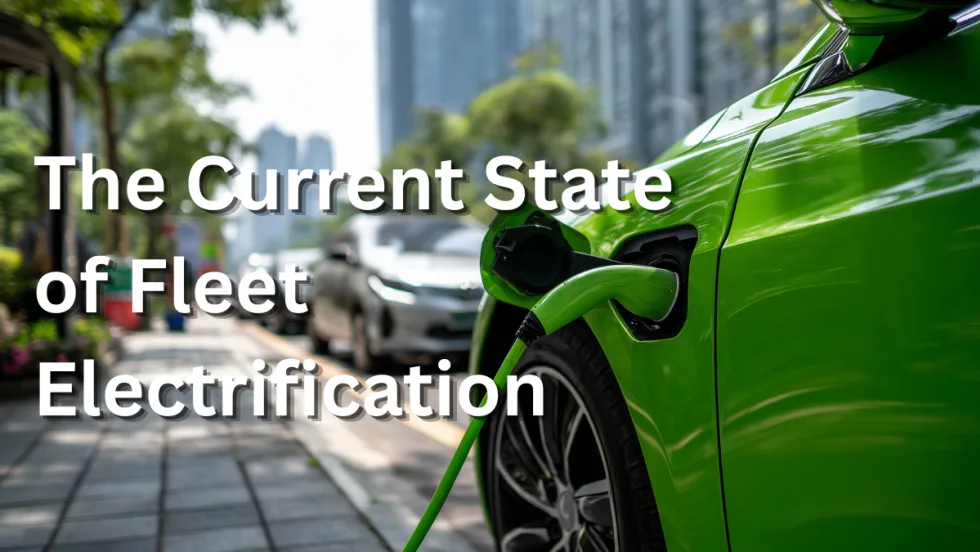
Merchants Fleet Reports 290M EV Miles as Fleets Navigate Changing Electrification Market
From millions in operating savings to hundreds of millions of EV miles, Merchants Fleet’s latest report reveals what’s working and what’s changing in fleet electrification.
Read More →
California District Commits to Electrify 25% of School Bus Fleet by 2028
One of the nation's largest school bus electrification projects to date demonstrates how grants, charging infrastructure, and public-private partnerships can help fleets transition to EVs at scale.
Read More →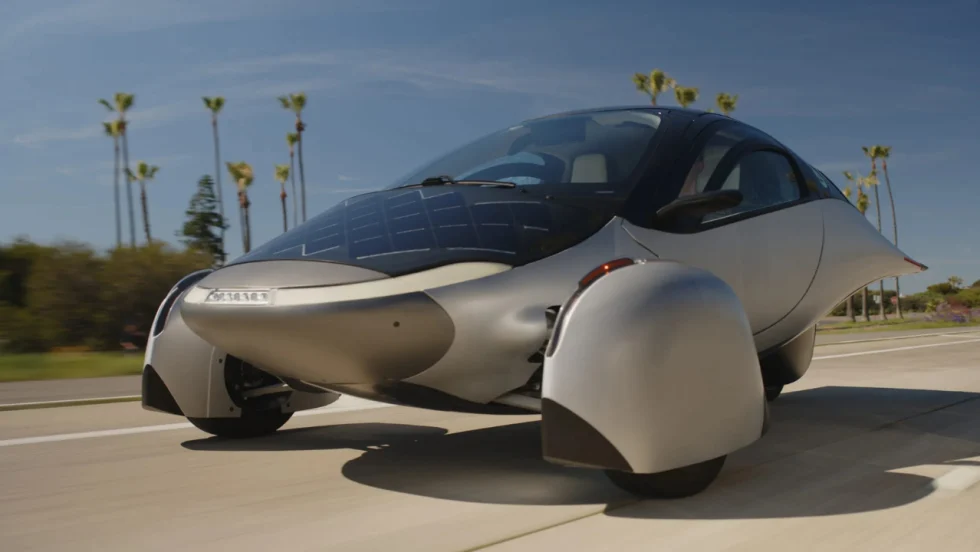
Aptera Orders Bodies and Chassis for Its First 40 Production Vehicles
Aptera Motors Corp. has issued purchase orders for the major structural components of its first 40 vehicles, and body and chassis components are expected to begin arriving in October.
Read More →