



See Also: Addressing the EV Learning Gap
Cenntro, Nuvve Partner on Charging for Fleets
Fleet customers of Cenntro's Class 4 LS 400 will be able to access bundled charging packages from Nuvve.
May 10, 2022

In the future, Cenntro and Nuvve plan to work together towards a V2G solution with Nuvve’s DC fast chargers. Here, attendees to Fleet Forward: The Tour stop in metro Atlanta got to test drive the Cenntro Class 4 LS 400 urban delivery van.
Photo: Robb Cohen
3 min to read
Global cleantech company Nuvve Holding Corp. and Cenntro Electric Group, designer and manufacturer of electric light- and medium-duty commercial vehicles, announced at the Advanced Clean Transportation Expo an alliance to offer an all-in-one electrification solution for commercial fleets. The collaboration between these companies provides electric vehicle fleet solutions to shared and non-shared clients, and reflects their strategy to onboard more EVs to the electric grid.
"This alliance is designed to support fleets to seamlessly transition to electric by removing hurdles often associated with acquisition," said Peter Wang, chairman and CEO of Cenntro Electric Group in a statement. "The opportunity to align with Nuvve's charging and infrastructure solutions advances the integration of Cenntro products into our target EV markets."
As part of the alliance, Cenntro will begin to offer bundled Nuvve charging packages to commercial fleets with their U.S. product lineup, including the Class 4 LS 400. Additionally, Nuvve will begin to integrate Cenntro vehicles into its Electric Vehicle Charging Infrastructure Hub platform concept, which combines charging with renewable energy integration solutions. In the future, Cenntro and Nuvve plan to work together toward a V2G solution with Nuvve’s DC fast chargers (DCFCs), which would allow Cenntro vehicles to charge and discharge energy, further stabilizing the electric grid.
“By offering Nuvve charging solutions to fleets, Cenntro is able to be a one-stop shop for customers looking to electrify,” added Nick Casas, vice president of commercial sales at Nuvve. “This alliance is crucial when building Nuvve hubs globally, giving fleets access to OEMs like Cenntro. We are well-known for our intelligent charging solutions for commercial fleets, and this is one of the ways we are helping customers electrify in a smart, easy way.”
Nuvve’s Level 2 AC charging stations (PowerPorts) introduce speed and ease of adoption of EVs, helping to remove funding obstacles fleets face in building out their EV infrastructure. The Nuvve PowerPort provides fast, high-powered charging for commercial vehicles, and is controlled through Nuvve’s energy management software platform. Commercial fleets can offset electricity bills by optimizing charging rates and charge times to coincide with non-peak hours when utility rates are low. Fleet managers can use Nuvve’s FleetBox app to plan trips, set minimum charge levels, and trigger emergency charging when needed.
The alliance emphasizes cooperation between companies like Cenntro and Nuvve to make the addition of EVs more feasible for fleets and working toward V2G compatibility to accelerate the decarbonization of the grid and lower the cost of fleet operations.
As announced in a press release about Nuvve’s collaboration with the Department of Energy, the intelligent electrification of vehicle fleets is being recognized as a critical component in order to maintain a healthy, more resilient electric grid as more EVs are introduced into the market, increasing power demand.
Originally posted on Automotive Fleet
More Charging
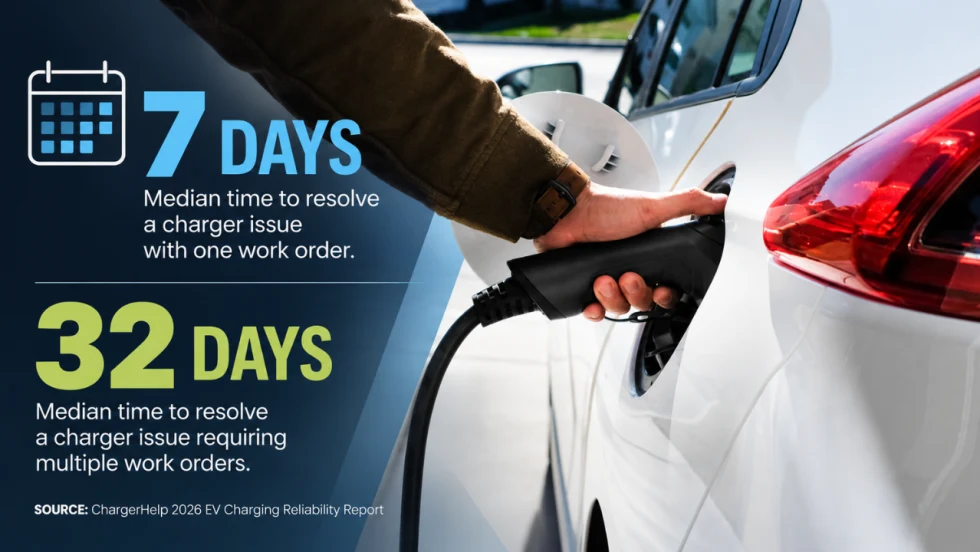
What Happens When an EV Charger Goes Down at Your Fleet Depot?
A failed EV charger can disrupt routes, delay vehicles, and create unexpected costs. Here's how fleets can troubleshoot problems, arrange backup charging, and minimize downtime.
Read More →
California Opens $28 Million in EV Fast-Charging Incentives
The Fast Charge California Project offers up to $100,000 per charging port for eligible, ready-to-build public charging projects, with applications open through Jan. 14, 2027.
Read More →
Honda Develops In-Motion Wireless EV Charging Technology for Commercial Vehicles
Honda, Taisei and Taisei Rotec are developing a road-embedded wireless charging system capable of transferring up to 150 kW, with public-road testing planned in Japan beginning in fiscal 2027.
Read More →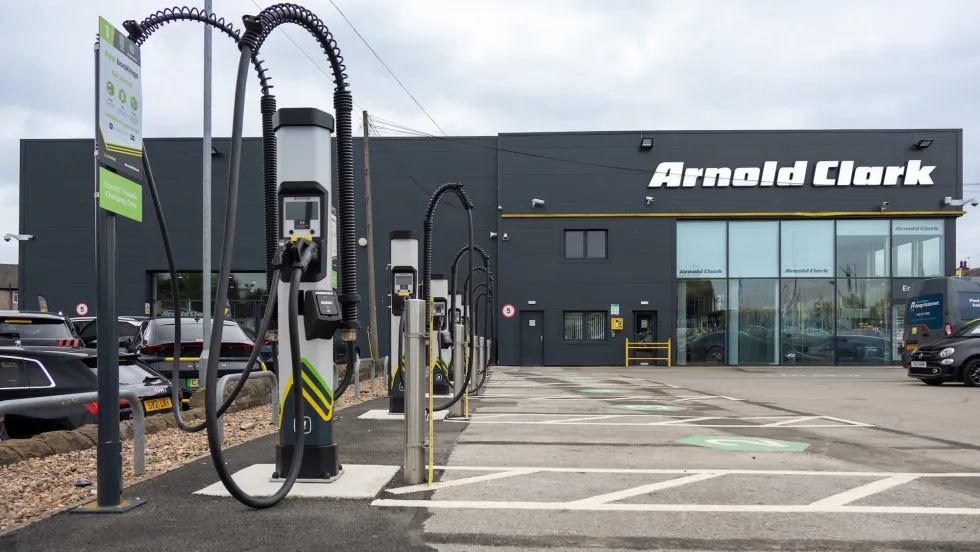
Arnold Clark Charge Opens Six Ultra-Rapid EV Chargers in Huddersfield
The new public charging site brings the Arnold Clark Charge network to 63 locations across the U.K., with charging priced at 55 pence per kWh.
Read More →
ChargerHelp Report Finds EV Charger Recovery Delays Can Stretch Beyond a Month
An analysis of approximately 500 million data points found charging issues requiring multiple work orders took a median of 32 days to resolve, highlighting the operational impact of diagnostics and repair coordination.
Read More →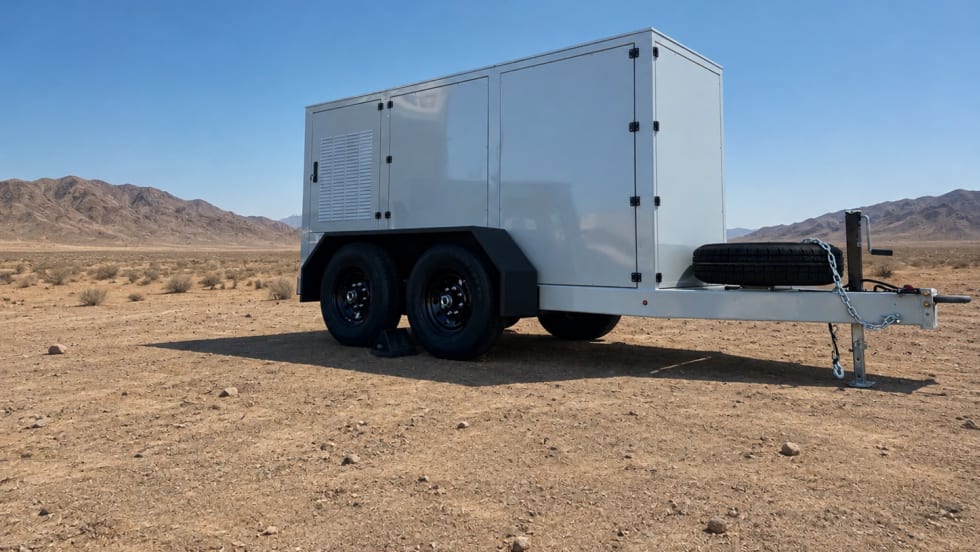
Xos Mobile Charging Hub Surpasses 1 GWh of Energy Delivered
As fleets electrify, charging capacity does not always arrive on the same timeline as the vehicles. Operating data from one Xos Hub shows how mobile, grid-independent charging can support vehicles when permanent infrastructure or utility upgrades aren't available.
Read More →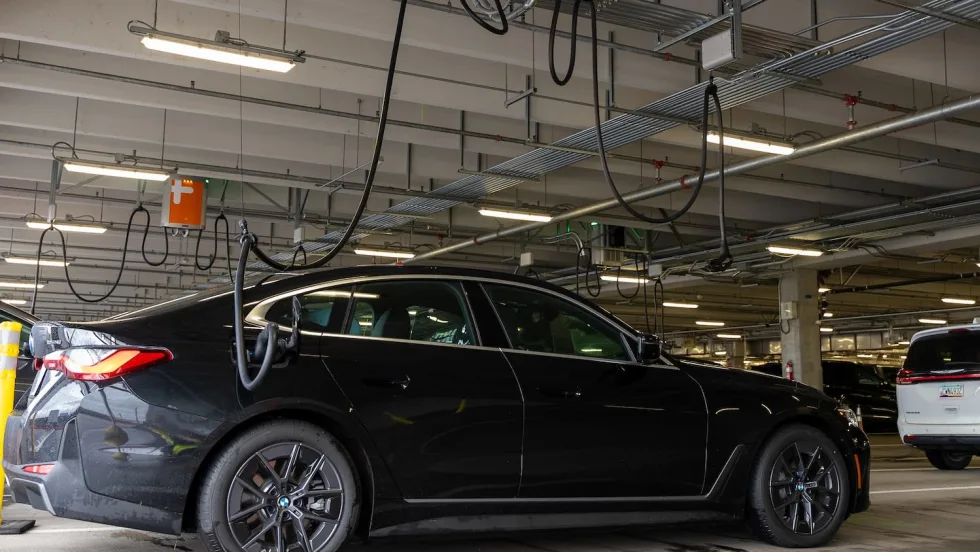
ChargePoint Adds Overhead EV Fast Charging at Portland International Airport
The installation can charge up to 20 rental vehicles simultaneously and uses overhead equipment to preserve ground-level space at the airport's Quick Turnaround Facility.
Read More →
Octopus Energy Launches Public EV Charging App in U.S.
Octopus Charge allows EV drivers to locate and access public charging stations through a single app, building on the company's Electroverse platform in Europe.
Read More →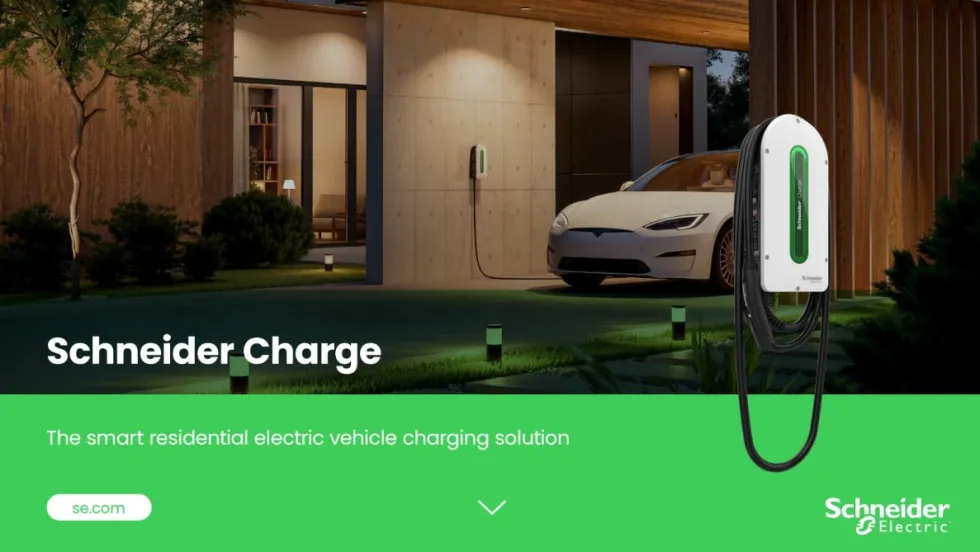
Schneider Electric Launches Level 2 Home EV Charger With Integrated Load Management
Schneider Charge uses integrated SmartAmp technology to adjust charging output based on household electrical demand and is available with NACS or J1772 connectors.
Read More →
Why EV Charging Reliability Is More Complicated Than It Looks
GridLink CEO Josh Silets explains what causes EV chargers to fail, why fleet operators often struggle to identify the source, and what questions they should ask charging vendors.
Read More →