



Learn More: California Reaches 200,000+ Chargers Last Year
California Energy Commission Funds More Public EV Fast Charging
As EV adoption grows across California, public fast charging is becoming essential infrastructure for drivers, communities, and businesses.
May 28, 2026
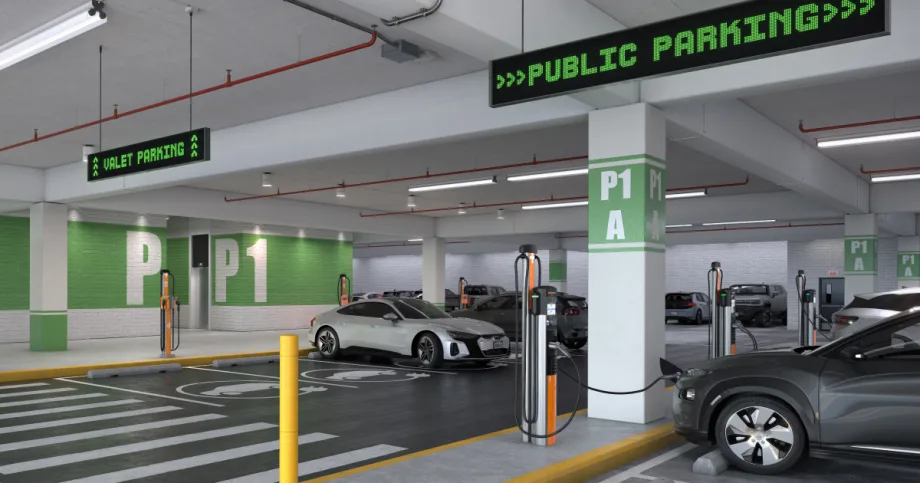
The funds are aimed at helping site owners and project developers move ready-to-build charging projects from planning to installation.
Credit:
ChargePoint
2 min to read
- The growth in electric vehicles in California is driving the need for accessible fast chargers.
- Enhanced EV charging infrastructure is crucial for supporting EV drivers and communities statewide.
*Summarized by AI
The California Energy Commission said May 28 it will make more than $55 million available to expand publicly accessible EV fast charging infrastructure statewide through the California Electric Vehicle Infrastructure Project.
The $55.2 million in funding will be offered through two incentive windows under CALeVIP’s Fast Charge California Project, aimed at helping site owners and project developers move ready-to-build charging projects from planning to installation.
- The first funding window, scheduled for Oct. 7, 2026, through Jan. 14, 2027, will offer incentives covering up to 100% of eligible installation costs for DC fast chargers, up to $100,000 per charging port.
- A second funding window, running from Feb. 24, 2027, through May 27, 2027, will offer incentives covering up to 100% of eligible installation costs for DC fast chargers, up to $55,000 per port regardless of power level, with a minimum output of 150 kilowatts.
“Expanding access to reliable and convenient fast charging is essential to support California’s growing number of EV drivers and keep the state on track toward its clean transportation goals,” said Spencer Reeder, director of the CEC’s Fuels Transportation Division, in a news release.
The new funding builds on the first incentive window under the Fast Charge California Project, which has awarded $54 million to date for more than 1,200 ready-to-build fast-charging ports in 35 counties, according to the CEC. More than 60% of those chargers are in underserved communities.
CALeVIP has supported more than 10,500 charger installations statewide, according to the Center for Sustainable Energy, which administers the program. California has more than 2.2 million light-duty EVs.
“As EV adoption continues to grow across California, public fast charging is becoming essential infrastructure for drivers, communities and businesses,” said Scott Shepard, senior director of transportation programs at the Center for Sustainable Energy, in the release.
To qualify for the upcoming incentives, charging sites must be publicly accessible and meet program requirements. Priority will be given to projects in tribal areas, disadvantaged communities, and low-income areas.
Eligible locations include businesses, public facilities, high-traffic destinations, and sites along key travel routes. Applicants must have ready-to-build projects before applying, including a final utility service design and all required permits.
Funding for CALeVIP comes from the CEC’s Clean Transportation Program and California’s Greenhouse Gas Reduction Fund.
More Charging
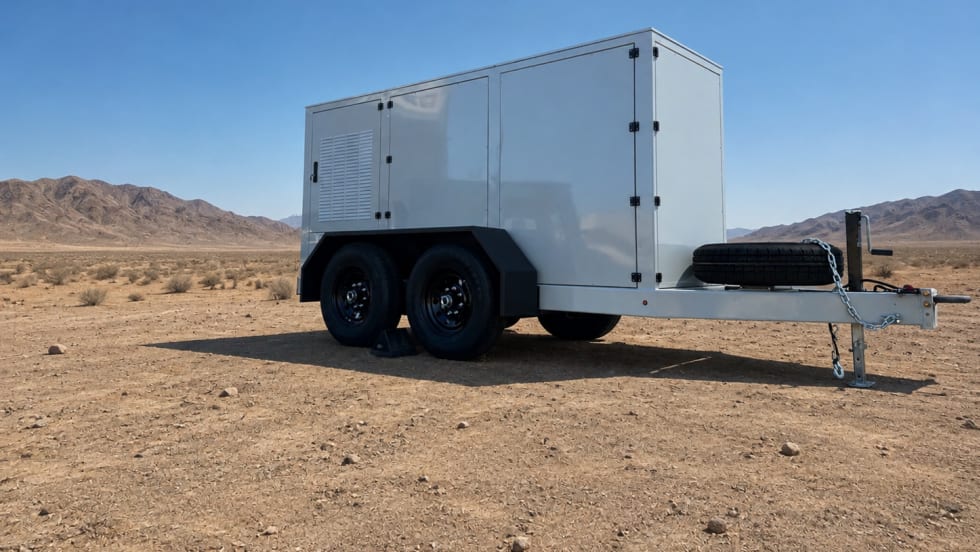
Xos Mobile Charging Hub Surpasses 1 GWh of Energy Delivered
As fleets electrify, charging capacity does not always arrive on the same timeline as the vehicles. Operating data from one Xos Hub shows how mobile, grid-independent charging can support vehicles when permanent infrastructure or utility upgrades aren't available.
Read More →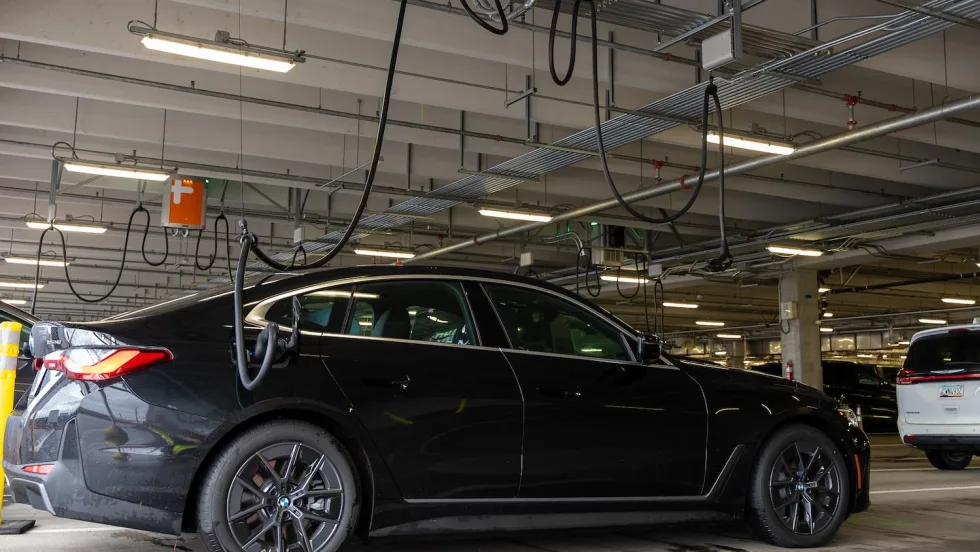
ChargePoint Adds Overhead EV Fast Charging at Portland International Airport
The installation can charge up to 20 rental vehicles simultaneously and uses overhead equipment to preserve ground-level space at the airport's Quick Turnaround Facility.
Read More →
Octopus Energy Launches Public EV Charging App in U.S.
Octopus Charge allows EV drivers to locate and access public charging stations through a single app, building on the company's Electroverse platform in Europe.
Read More →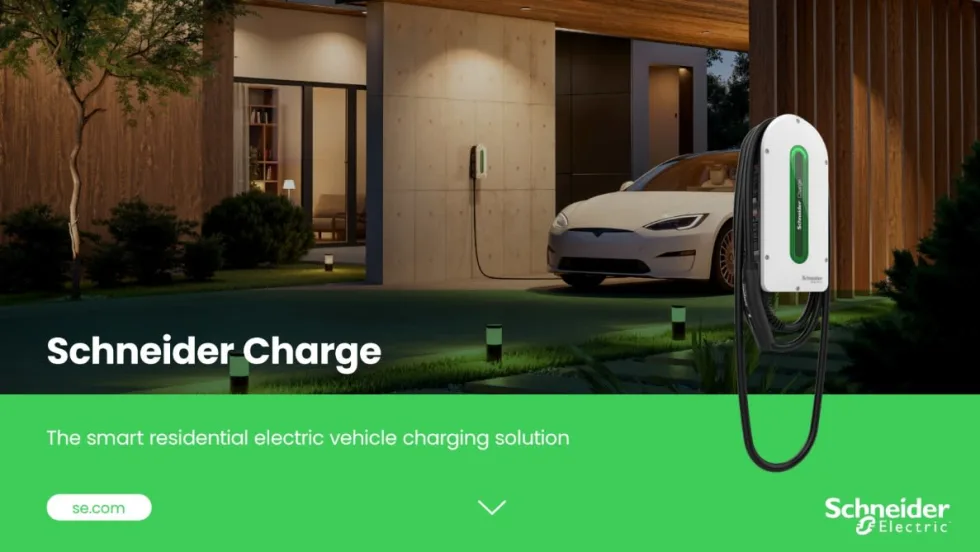
Schneider Electric Launches Level 2 Home EV Charger With Integrated Load Management
Schneider Charge uses integrated SmartAmp technology to adjust charging output based on household electrical demand and is available with NACS or J1772 connectors.
Read More →
Why EV Charging Reliability Is More Complicated Than It Looks
GridLink CEO Josh Silets explains what causes EV chargers to fail, why fleet operators often struggle to identify the source, and what questions they should ask charging vendors.
Read More →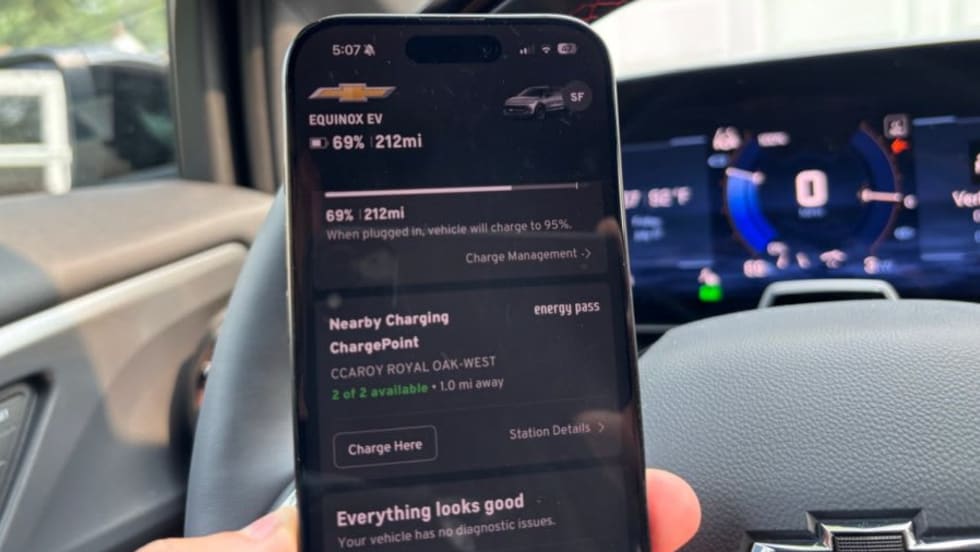
GM Adds ChargePoint Network to Energy Pass Platform
The integration gives GM EV drivers access to additional DC fast chargers and Level 2 stations through a single app while expanding the automaker's public charging ecosystem.
Read More →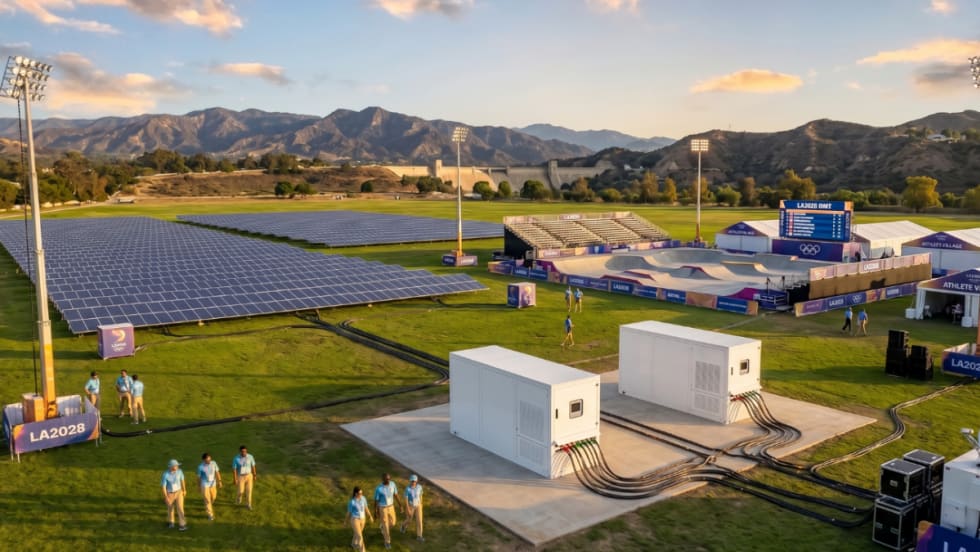
Xos White Paper Asserts LA Olympics Will Lack Enough EV Chargers
The commercial EV fleet company recommends some faster and more flexible remedies to relieve the anticipated shortfall.
Read More →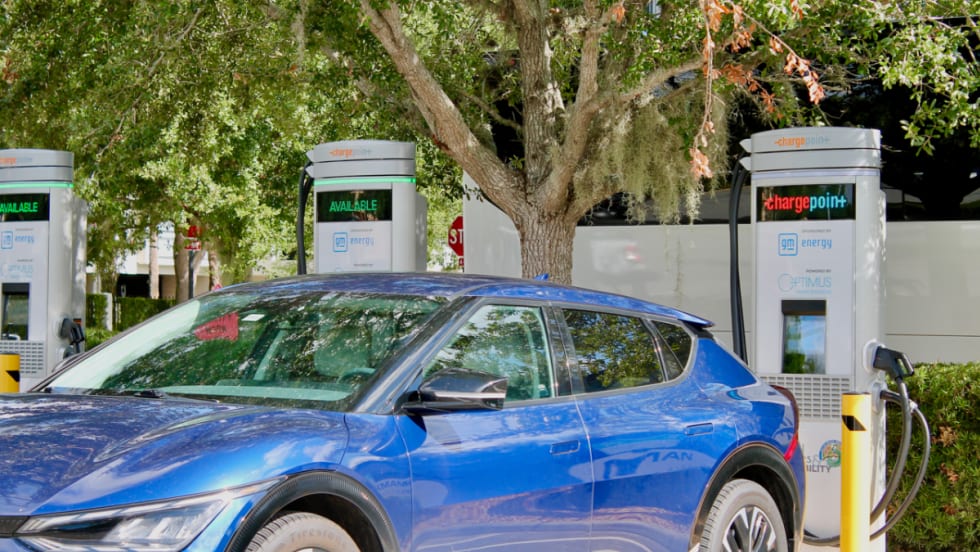
ChargePoint, Optimus Expand Fast-Charging Network Across Southeastern U.S.
ChargePoint will serve as the exclusive solutions provider, delivering hardware, software, and services to support Optimus’ growing charging network.
Read More →
Running A Profitable Electric Rental Fleet
How do you successfully operate an all-electric rental car fleet? Whether you manage a rental fleet or another commercial fleet, this conversation offers practical lessons on deploying, operating, and scaling electric vehicles.
Read More →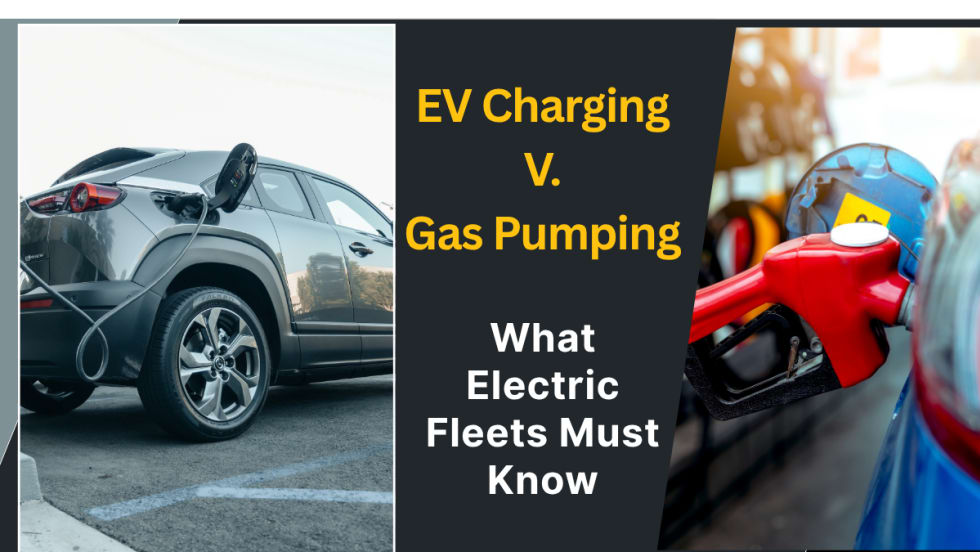
Why Charging May Never Be As Easy As Filling Up Gas
A seamless charge depends on a string of independent companies getting it right together, every time. How can electric fleets navigate the challenges to create a successful charging plan?
Read More →