



Related News: EV Incentives Outlook by State
California Reaches 200,000+ EV Chargers
California now has enough public and shared EV chargers, outpacing the number of gasoline nozzles statewide.
October 2, 2025
The state’s expanding charging network ensures 94% of Californians live within 10 minutes of an EV charger.
Photo: Charged Fleet
2 min to read
California now has 201,180 fully public and shared electric vehicle (EV) charging ports, according to the California Energy Commission (CEC). This is 68% more than the number of gasoline nozzles statewide.
Public chargers are located at places like grocery stores, park-and-ride lots, and gas stations. Shared chargers are available in apartments, workplaces, medical offices, and other restricted-access sites. This total doesn't include the estimated 800,000 residential chargers.
“With this expanding public network, EV chargers are becoming ubiquitous in California,” CEC Commissioner Nancy Skinner said. “Our goal is to make driving an EV a simple choice for Californians.”
Federal Incentives Ended Sept. 30
Federal incentives of up to $7,500 for new EVs were available through Sept. 30, along with up to $4,000 for qualifying used models. Incentives also covered home charging equipment and storage, up to $1,000.
94% of Californians now live within 10 minutes of an EV charger.
Charging Network Growth
Most of California’s chargers are Level 2, adding 25-35 miles of range per hour. Direct current fast chargers (DCFC), which provide a near-full charge in 15-45 minutes, are also expanding. Since the last CEC update, Level 2 ports increased 25%, while DCFC ports are up 14%.
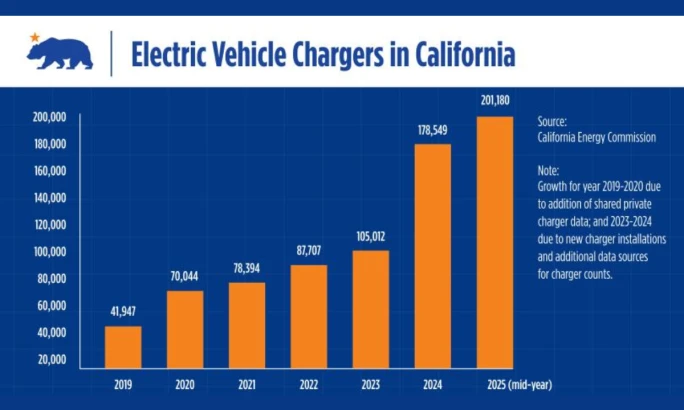
California’s public and shared EV charging network has grown to over 201,000 ports, making them more convenient than ever to EV drivers.
Photo: California Energy Commission
State Planning and Infrastructure
California agencies continue to advance EV infrastructure by:
Providing grants for public, workplace, and at-home charging, including in multi-family complexes.
Prioritizing shovel-ready DCFC installations.
Developing the Zero-Emission Vehicle Infrastructure Plan to guide deployment.
Establishing reliability standards for chargers.
State leaders reaffirmed their commitment to expanding charging access, including in rural and low-income areas.
Medium- and Heavy-Duty Sector Progress
The CEC also reported 20,093 charging and hydrogen fueling points for medium- and heavy-duty (MDHD) zero-emission vehicles statewide, a 23% increase since February 2025.
Trucks make up just 6% of vehicles on California roads, but produce more than 35% of transportation-related emissions. Officials emphasized that accelerating MDHD ZEV deployment will cut pollution and improve public health in communities near major corridors.
More Charging
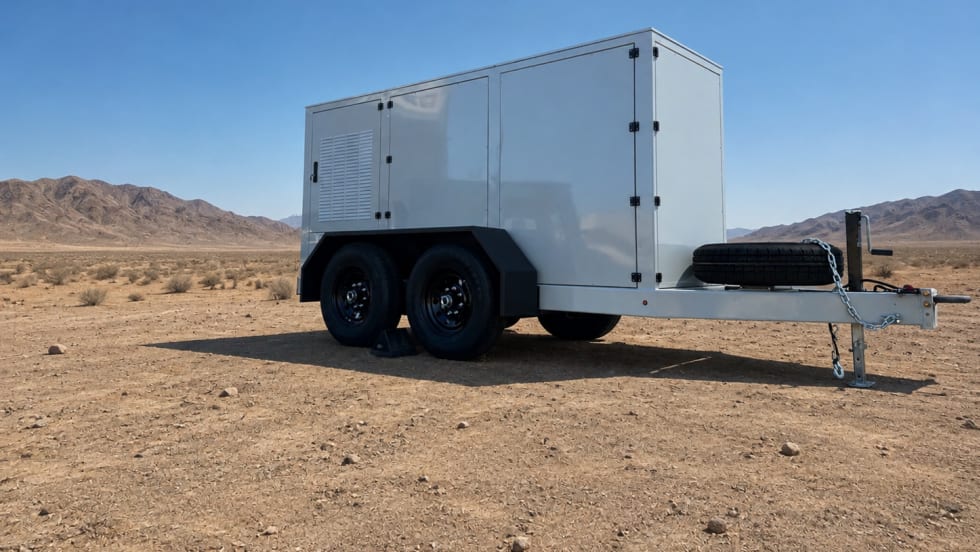
Xos Mobile Charging Hub Surpasses 1 GWh of Energy Delivered
As fleets electrify, charging capacity does not always arrive on the same timeline as the vehicles. Operating data from one Xos Hub shows how mobile, grid-independent charging can support vehicles when permanent infrastructure or utility upgrades aren't available.
Read More →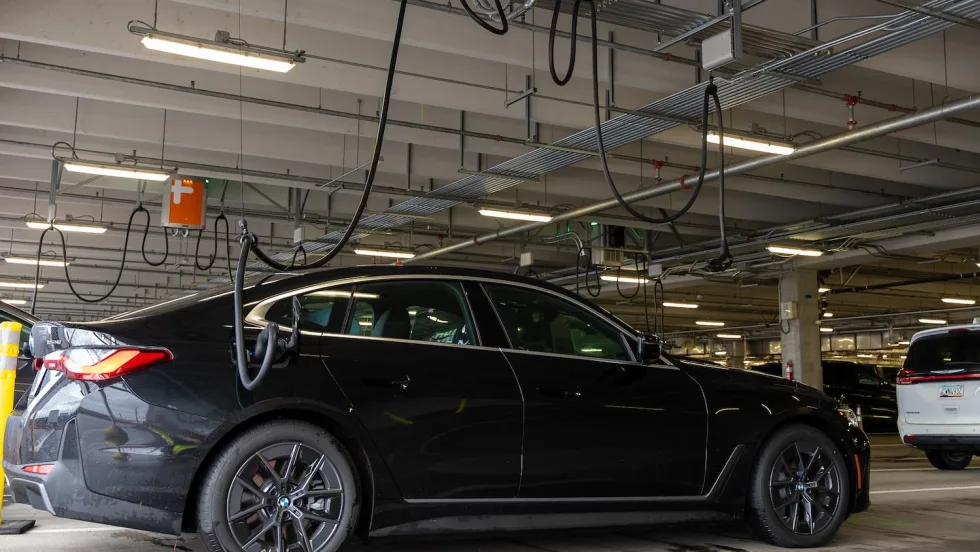
ChargePoint Adds Overhead EV Fast Charging at Portland International Airport
The installation can charge up to 20 rental vehicles simultaneously and uses overhead equipment to preserve ground-level space at the airport's Quick Turnaround Facility.
Read More →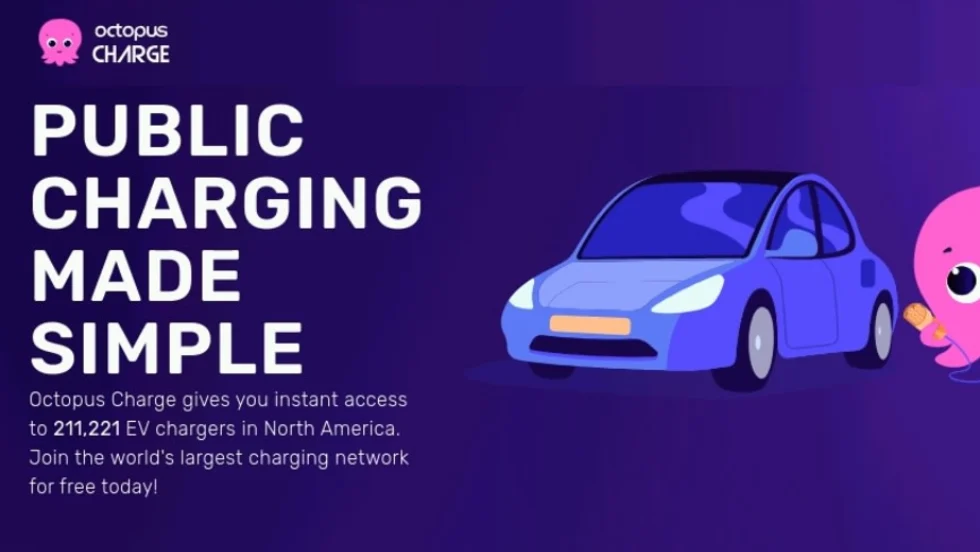
Octopus Energy Launches Public EV Charging App in U.S.
Octopus Charge allows EV drivers to locate and access public charging stations through a single app, building on the company's Electroverse platform in Europe.
Read More →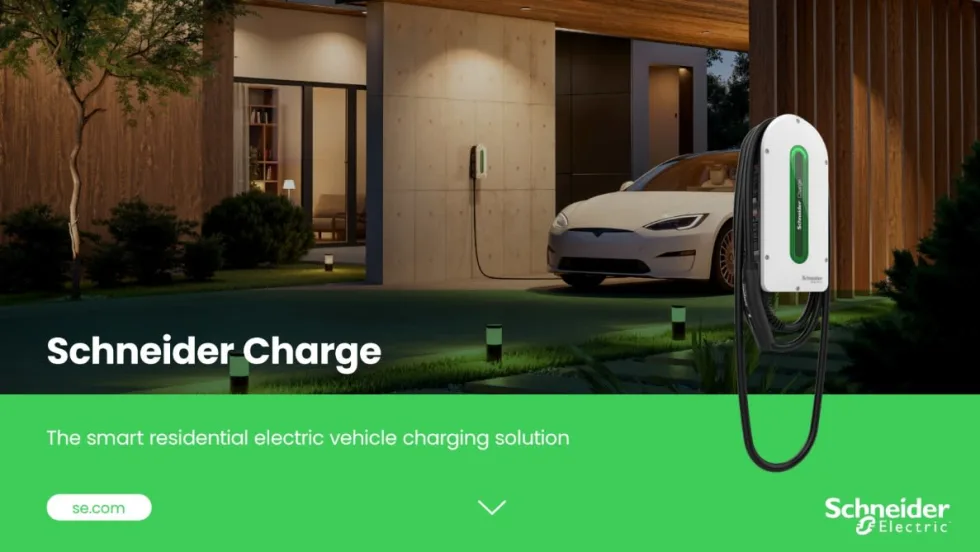
Schneider Electric Launches Level 2 Home EV Charger With Integrated Load Management
Schneider Charge uses integrated SmartAmp technology to adjust charging output based on household electrical demand and is available with NACS or J1772 connectors.
Read More →
Why EV Charging Reliability Is More Complicated Than It Looks
GridLink CEO Josh Silets explains what causes EV chargers to fail, why fleet operators often struggle to identify the source, and what questions they should ask charging vendors.
Read More →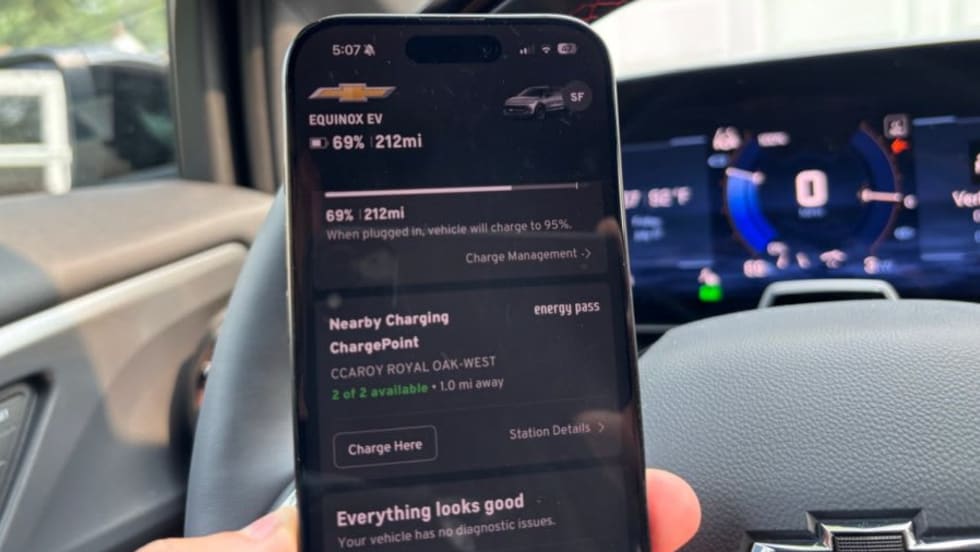
GM Adds ChargePoint Network to Energy Pass Platform
The integration gives GM EV drivers access to additional DC fast chargers and Level 2 stations through a single app while expanding the automaker's public charging ecosystem.
Read More →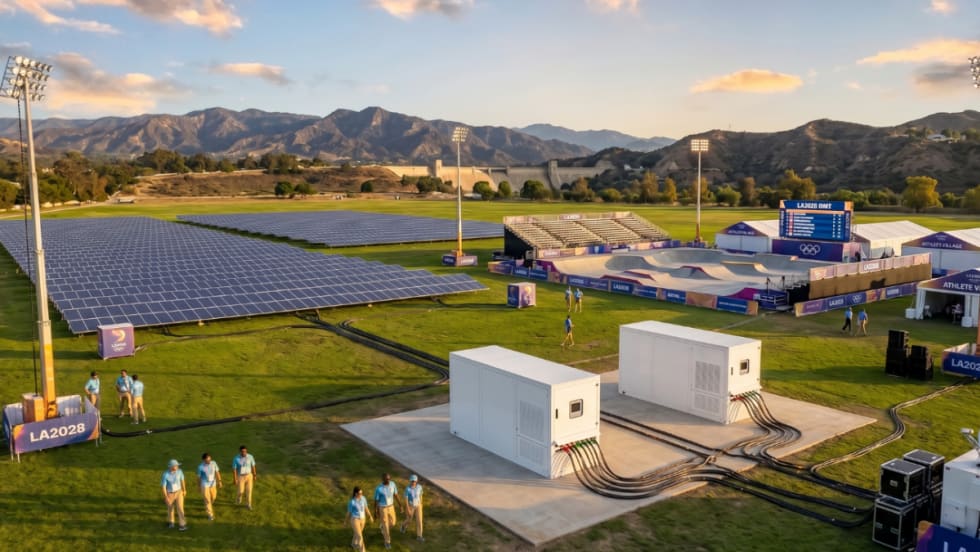
Xos White Paper Asserts LA Olympics Will Lack Enough EV Chargers
The commercial EV fleet company recommends some faster and more flexible remedies to relieve the anticipated shortfall.
Read More →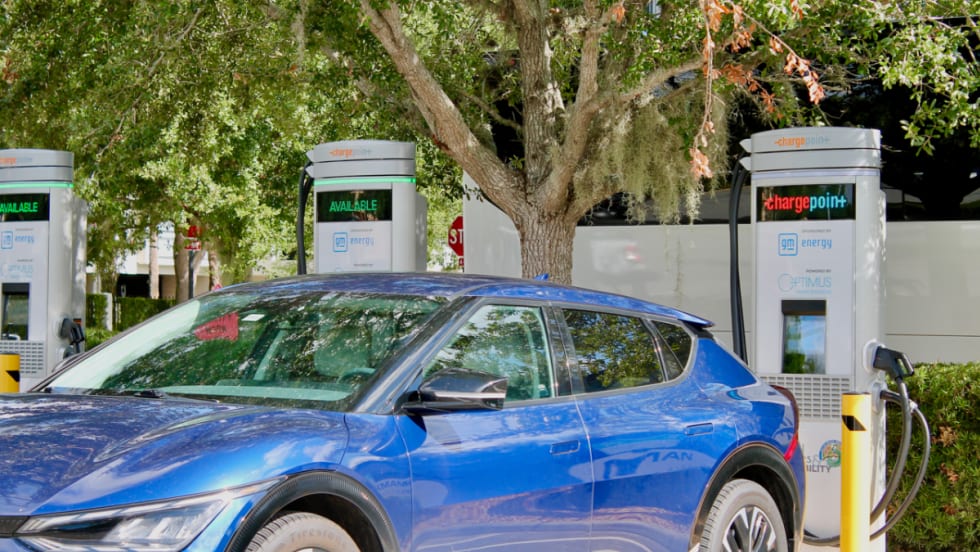
ChargePoint, Optimus Expand Fast-Charging Network Across Southeastern U.S.
ChargePoint will serve as the exclusive solutions provider, delivering hardware, software, and services to support Optimus’ growing charging network.
Read More →
Running A Profitable Electric Rental Fleet
How do you successfully operate an all-electric rental car fleet? Whether you manage a rental fleet or another commercial fleet, this conversation offers practical lessons on deploying, operating, and scaling electric vehicles.
Read More →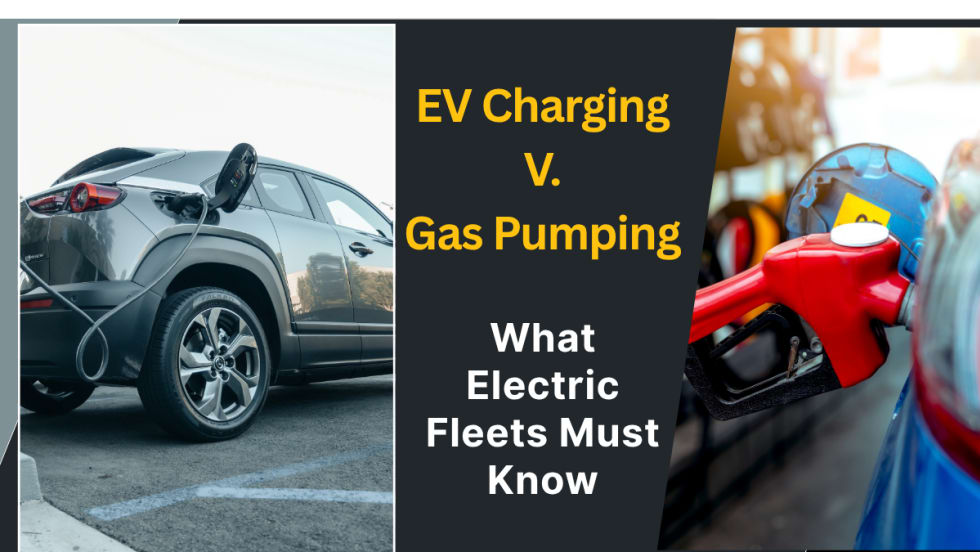
Why Charging May Never Be As Easy As Filling Up Gas
A seamless charge depends on a string of independent companies getting it right together, every time. How can electric fleets navigate the challenges to create a successful charging plan?
Read More →