


Further Reading: The Path to Rental Fleet Electrification
Is the Push for EVs Forced?
The industry started with a reasonable solution by developing hybrids, which increased the fuel economy on similar-size vehicles from the low 30 mpg to the mid-50s mpg. Hybrids also reduce CO2 emissions without the range anxiety.
by Joe Pelehach
June 30, 2022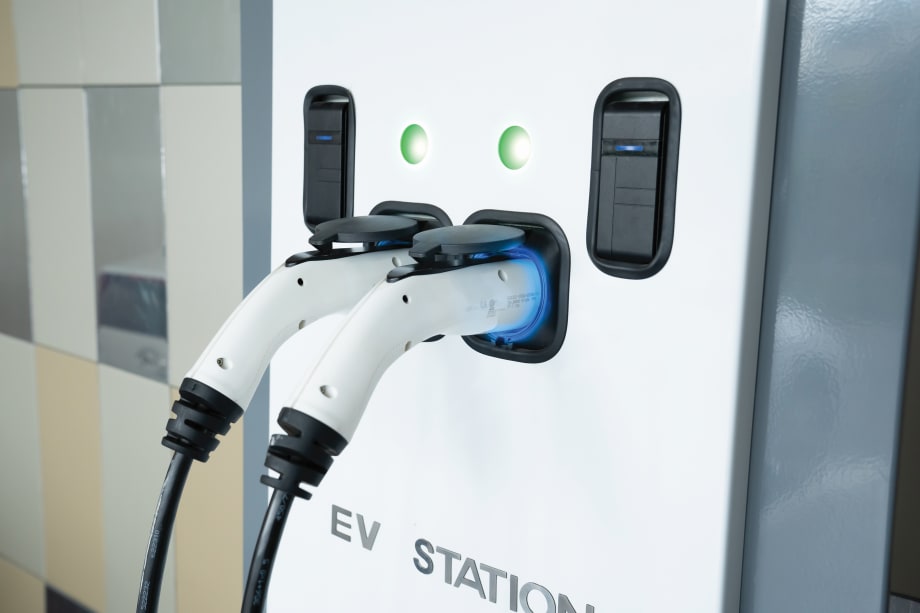
Many employees live in apartment complexes or condos where they do not have their own parking spot to install a charger. One alternative option is public charging, but few people move their cars when fully charged. They treat these spots like parking spaces.
Photo: Gettyimages.com/CSnooprock
4 min to read
I feel like I need a reality check when it comes to auto manufacturers’ plans for fully electric vehicles in the relatively near term. Let me say that I love many things about EVs: the mechanical simplicity, the flexibility of design, and the torque – oh, my heavens – the torque!
But an EV requires electricity, and while you can plug into a 110-volt socket, a toddler can crawl at about the same pace as the batteries will charge – one to three miles of range added per charging hour.
The answer for home users is a Level 2 Charger – now we’re talking. In just about six or so hours you can fully charge your vehicle. (What does it take to fill an 18-gallon tank? Two to four minutes?) Oh. And that charger will cost you about $500 - $2,000 to buy and another roughly $1,000 for the install. But what do the tens of millions of people who live in apartment complexes or condos do when they don’t have their own parking spot to install a charger?
The answer we tend to hear is a Level 3 or “super” charger that can provide about an 80% charge in about 30 minutes. That time commitment is one that becomes more palatable. Level 3 chargers, however, cost around $50,000 each!
Let’s say we have Super Chargers available at apartment complexes, train stations, or malls that allow a vehicle to charges in 45 minutes. Guess what? Few people are running to move their car when it is fully charged. They treat these spots like parking spaces! I saw one at a train station, and it had been there so long it had began collecting dust.

Joe Pelehach is VP for Motorlease, a fleet management company headquartered in Farmington, Connecticut.
Photo: Pelehach
The next obstacle in this push for EVs is that manufacturers advertise their max range at, say, 250 miles. But what they fail to adequately disclose is that they recommend charging batteries to only 80-90% of their max capacity. So, your 250 is immediately cut to 200 and then it gets further reduced by cold or hot weather when using options such as heated seats, air conditioning, etc. Soon you discover your effective range at 50 miles per hour is about three hours of driving.
But EVs are good for the environment. Maybe. I don’t know about that one. Do we really think that the electricity that powers those EVs is “clean?” A statistic from the U.S. Energy Information Administration states approximately 60% of the U.S. electricity comes from coal and natural gas. Combined, they account for 98% of the C02 (1.4 billion metric tons) emitted annually in the production of electricity. By comparison, passenger vehicles only emitted about half of that amount in 2019.
Let’s talk about the presumptive shortage of licensed electricians to get the tens of millions of Level 2 and Level 3 charging stations deployed throughout the nation (not just on the coasts).
Are EVs the solution? I don’t know. Companies such as Volvo and Jaguar say they will be all EVs by 2030 and GM says it will be all EVs by 2035. They certainly seem to believe that they are the solution. They seemingly are betting the company’s future that a holistic solution for a grid to support all of those vehicles in the next 10 or so years is inevitable. They obviously believe that consumers will be willing to live with the current limitations of EVs (or that there will be massive advances in battery and charging technology). I have full faith in the innovative brilliance that pervades our world for our best and brightest to overcome many of the EV challenges.
It seems to me that we started down the road of a reasonable hybrid solution. Hybrids have taken fuel economy on similar-size vehicles from the low 30 mpg range to the mid-50s, CO2 emissions are drastically reduced, there is no range anxiety, and you have the ability to plug and charge in certain models. Consider the brilliance of the Chevy Volt, which used old WWII submarine technology to run on electricity with a small gasoline engine that would recharge the batteries right on board.
Hmmm. It seems pretty smart.
Originally posted on Automotive Fleet
Subscribe to Our Newsletter
More Electric Vehicles
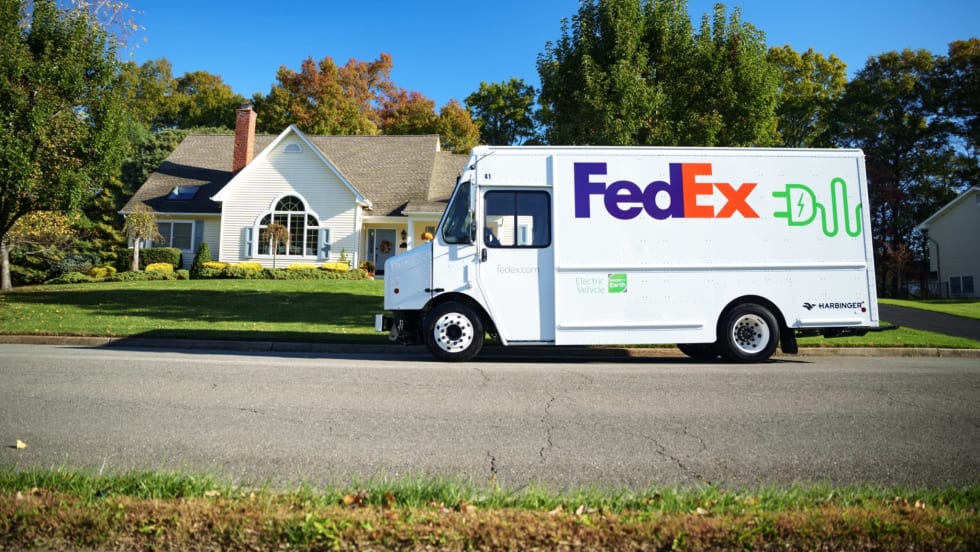
FedEx Orders 2,000 Harbinger Electric Trucks in $300 Million Deal
The Class 5 and 6 electric trucks are planned for delivery by the end of 2027 and will be deployed in FedEx pickup and delivery operations across the U.S. and Canada.
Read More →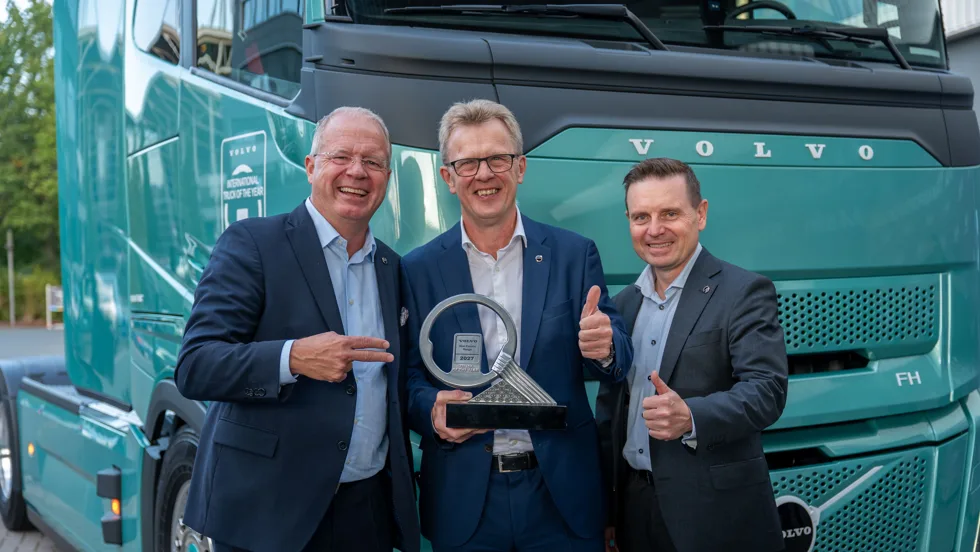
Volvo Trucks’ Electric Range Named International Truck of the Year 2027
The award recognizes Volvo’s global heavy-duty electric lineup, while more than 750 VNR Electric trucks have accumulated nearly 37 million miles in U.S. and Canadian fleet operations.
Read More →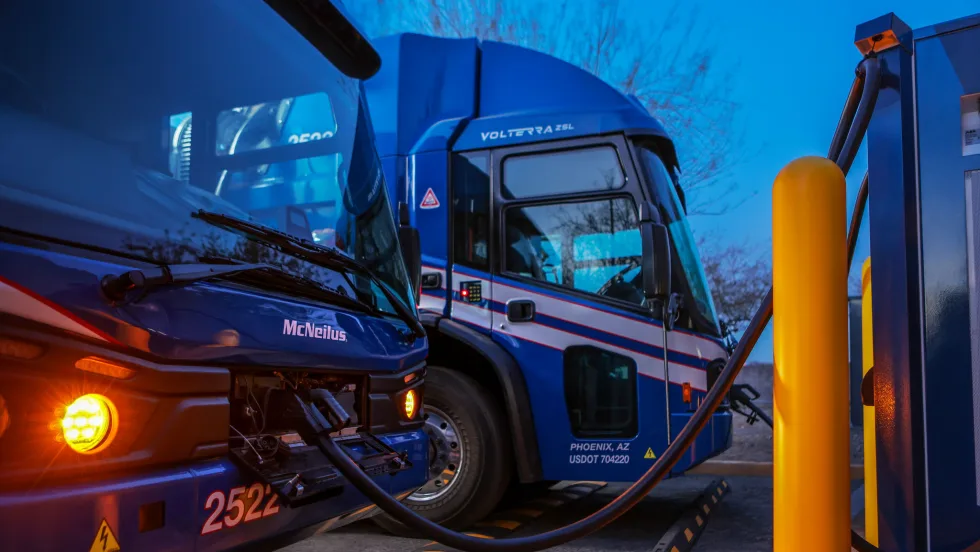
How Republic Services Decides Where Its Next Electric Trucks Can Go
With 250 electric collection trucks now in service, Republic Services is learning that scaling electrification depends less on proving the vehicle and more on whether each site can support what comes next.
Read More →
EV Charging Use Is Outpacing Infrastructure Growth
ChargePoint’s 2026 Charging Forward Report points to rising charger use, higher-powered charging, commercial vehicle electrification, and energy-management technology. Here’s what fleets should know.
Read More →
EV Realty Names Henrik Holland President as Charging Platform Expands
The former Prologis Mobility and Shell executive will help expand EV Realty’s truck charging business and move its power-first infrastructure model into autonomous vehicle depots and other fleet sectors.
Read More →
GreenPower Expands New Mexico EV Pilot With Larger Buses, V2G Testing
After logging more than 17,000 electric miles in the first year, New Mexico’s statewide pilot is moving into its second phase with larger vehicles, continued charging evaluations, and more.
Read More →
Can EV-as-a-Service Help Fleets Scale Electrification?
Sustainability Partners CEO Adam Cain explains how matching EVs, charging infrastructure, and duty cycles can help fleets scale electrification.
Read More →
How EV-as-a-Service Is Moving Fleets Beyond Pilots
Adam Cain, president and CEO of Sustainability Partners, explains how EV-as-a-service can help fleets scale deployments by addressing duty-cycle requirements and charging challenges.
Read More →
PowerFlex, The Mobility House Join Forces to Advance Fleet Electrification
Two EV charging providers are joining forces to deliver a broader portfolio of energy management and fleet electrification solutions.
Read More →
Ford Retools Louisville Plant for Fathom Electric Truck Production
Ford's $2 billion Louisville Assembly Plant overhaul introduces a three-part assembly process for the Fathom midsize electric truck, with production scheduled to begin in 2027.
Read More →