


Related: Part 1 - Tire PMs: Low-Tech Solutions for Cost Control
Electrical Systems: Proactive Measures for Protection
In part two of this six-part series, tips for maintaining electrical systems are shared, including helpful tools and best practices for battery maintenance and replacement.
by Bob Stanton, CPM, CPFP
March 6, 2017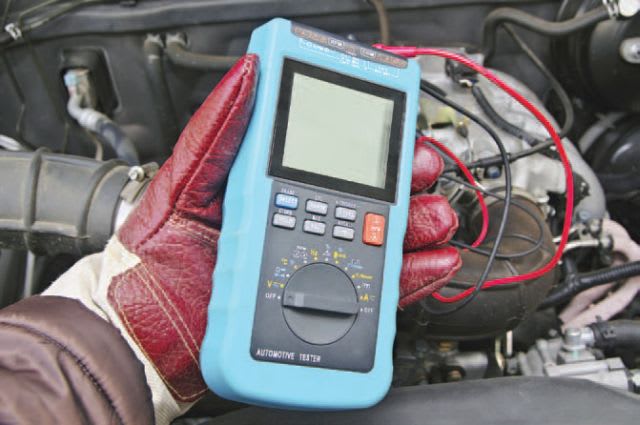
Using a voltmeter or
multimeter (pictured) is
necessary for checking
a battery’s charge. (Photo: iStockphoto.com)
5 min to read
Today’s truck is essentially a data engine. Part I of this series referenced OBD-II, telematics, electronic logging devices, and other data generators currently or soon to be on board. These tools — along with such others as two-way satellite communication common in road tractors, laptops, and onboard navigation systems — all have two things in common: Their reliability depends on the integrity of the truck’s electrical system and they all represent augmentation or added electrical loads not found on trucks five or 10 years ago. And yet, the capacity and characteristics of a truck’s electrical system has not changed in over 50 years!
In 1988, anticipating a technological revolution, the Society of Automotive Engineers (SAE) opened the dialogue on increasing the standard voltage on automotive and truck electrical systems. The dialogue continued throughout the 1990s and favored 42-volt systems. Fortunately for the benefit of our shop tools and employees, the industry engineered away the perceived need for higher voltage, leaving us with the 12-volt system we know and love. What has changed is the capacity, component efficiency, and engineering of a truck’s electrical system to accommodate higher load demands.
A further complication not often mentioned in discussions on electrical system maintenance and longevity is the high heat generated by engines equipped with selective catalytic reduction (SCR). Temperature (high heat or extreme cold) is among the most destructive elements jeopardizing electrical system integrity. Even when batteries are located outside of the engine compartment, several components, connectors, and wiring harnesses remain within that high heat space under the hood and can be subjected to the potentially damaging high temperatures routinely generated by SCR-equipped engines.
Of the many component systems inherent in trucks today, the electrical system is the most vulnerable, the most prone to breakdowns, and still the least understood. These facts all beg the question, have preventive maintenance (PM) procedures kept up? In spite of its 50-year-old architecture, the demands posed by today’s componentry have loaded the system like never before. Recognizing the importance, vulnerability, and necessity of electrical components, do our PM processes meet these challenges?
Electrical System Recognition
PM and routine maintenance processes that fail to recognize the interdependence of electrical system components are doomed. PM and routine maintenance processes that fail to incorporate the logical order of electrical component diagnosis are doomed. To many people, electricity is mysterious but in fact, electricity is logical, consistent, and even predictable.
The first step in updating electrical preventive maintenance processes is to recognize its components as one unified and interdependent system, rather than as individual components (e.g. battery, starter, and alternator). Even the National Institute for Automotive Service Excellence (ASE) exam recognizes this; the exam is called T6 Electrical/Electronic System (or A6 for automotive).
By approaching electrical as a system, the PM process can be tailored to check system componentry in a logical diagnostic order, thus avoiding component misdiagnosis and/or chasing the wrong problem.
Checking Batteries
Batteries are the heartbeat of the system; all checks begin here. Beyond cleaning terminals and connections, PMs should include the use of a voltmeter or at the very least a hydrometer to check the battery’s state of charge after the surface charge has been removed. Hopefully, the state of charge is 12.4-12.6 volts. If under that voltage, the battery should be charged to that state and rechecked. If overcharged, any number of causes is possible; all should be checked and corrected and the battery should be replaced. Do not simply replace the battery and expect the overcharge or undercharge condition to self-correct; it will not.
Testing Load
When the battery is fully charged, the next PM step is to perform a load test using a carbon pile or similarly capable testing device. Although many PMs don’t include this step, it’s really the only way to determine the true health of the battery because it does its work under load. The ATA’s Technology & Maintenance Council’s recommended PM practices include this step as do many trucking and transportation firms.
If a PM inspection checklist is utilized, adding the battery load test to the process and documenting it using a checklist will pay dividends in electrical system longevity and integrity.
Evaluating Voltage Drop
Another test, performed even less often, is a voltage drop test. This test is critically important in determining the health of the charging/starting system. Proficient and consistent utilization of this test performed on the starter and alternator will prevent premature and/or misdirected replacement of either component. Cable or connector resistance issues leading to decreases in voltage are often disguised and incorrectly diagnosed as alternator or starter failures. Adding “test cables” by truly testing them using a voltage drop test rather than relying on a cursory visual check will pay dividends in lower operational costs and breakdowns.
Replacing Batteries
A final word on battery replacements: technicians will often replace an entire battery set (two or four batteries) when the health of even one battery in that set is suspect. A best practice is for all removed batteries to be placed on a trickle charger for 24 hours and their state of charge rechecked. If the charge state recovers, those recovered batteries can be placed back in inventory at no charge and used as a new battery would be used. This practice will likely reduce new battery purchases by 30% or more.
Measuring Electrical System Maintenance
There is one place within any maintenance program where the relative effectiveness of the electrical system maintenance program can always be observed and evaluated. Whether there are concerns over electrical system maintenance costs, questions about the quality of the maintenance program, or questions about the rate of electrical system component replacement, do not inspect batteries currently installed. Instead, inspect the batteries, starters, and alternators located in the return/recovery/warranty areas of the shop or parts section for a visual reference of the program’s effectiveness.
Just as tire carcasses in the scrap pile will tell you all you need to know about your tire program, the batteries, starters, and alternators located in the return/rebuild/warranty or scrap areas will tell the story about the quality of the electrical system maintenance in any shop. They disclose replacement practices, maintenance quality, adherence to standards, warranty processes, battery age, etc. Further and perhaps in concert with your electrical parts supplier(s), these inspections, especially if done with a volt meter, can lead to program modifications that result in fewer replacements, greater component longevity, and lower costs overall.
The next installment in this series will cover suggested PM processes for aftertreatment systems.
About the Author:
Bob Stanton, CPM, CPFP is an independent fleet consultant and retired public sector fleet manager with 42 years of experience. He can be reached at victorybob@gmail.com.
Topics:BatteryOBD-II DeviceElectrical SystemsPreventive MaintenanceMaintenanceChargingBatteries/Tech
Originally posted on Work Truck Online
Subscribe to Our Newsletter
More Charging
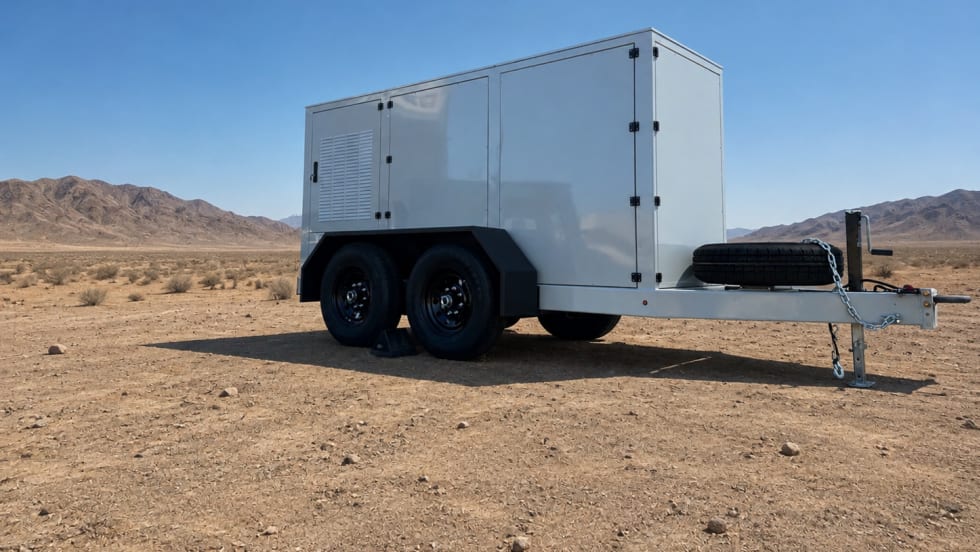
Xos Mobile Charging Hub Surpasses 1 GWh of Energy Delivered
As fleets electrify, charging capacity does not always arrive on the same timeline as the vehicles. Operating data from one Xos Hub shows how mobile, grid-independent charging can support vehicles when permanent infrastructure or utility upgrades aren't available.
Read More →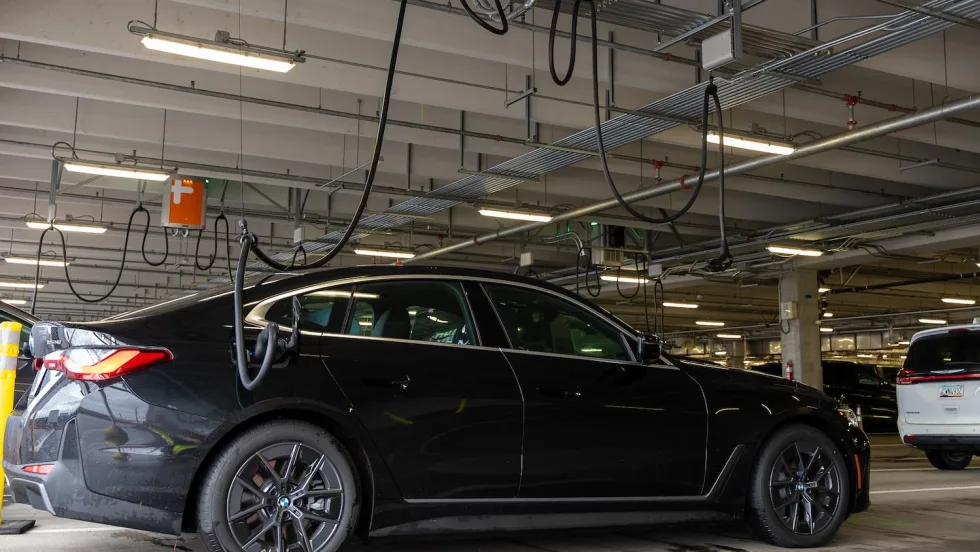
ChargePoint Adds Overhead EV Fast Charging at Portland International Airport
The installation can charge up to 20 rental vehicles simultaneously and uses overhead equipment to preserve ground-level space at the airport's Quick Turnaround Facility.
Read More →
Octopus Energy Launches Public EV Charging App in U.S.
Octopus Charge allows EV drivers to locate and access public charging stations through a single app, building on the company's Electroverse platform in Europe.
Read More →
Schneider Electric Launches Level 2 Home EV Charger With Integrated Load Management
Schneider Charge uses integrated SmartAmp technology to adjust charging output based on household electrical demand and is available with NACS or J1772 connectors.
Read More →
Why EV Charging Reliability Is More Complicated Than It Looks
GridLink CEO Josh Silets explains what causes EV chargers to fail, why fleet operators often struggle to identify the source, and what questions they should ask charging vendors.
Read More →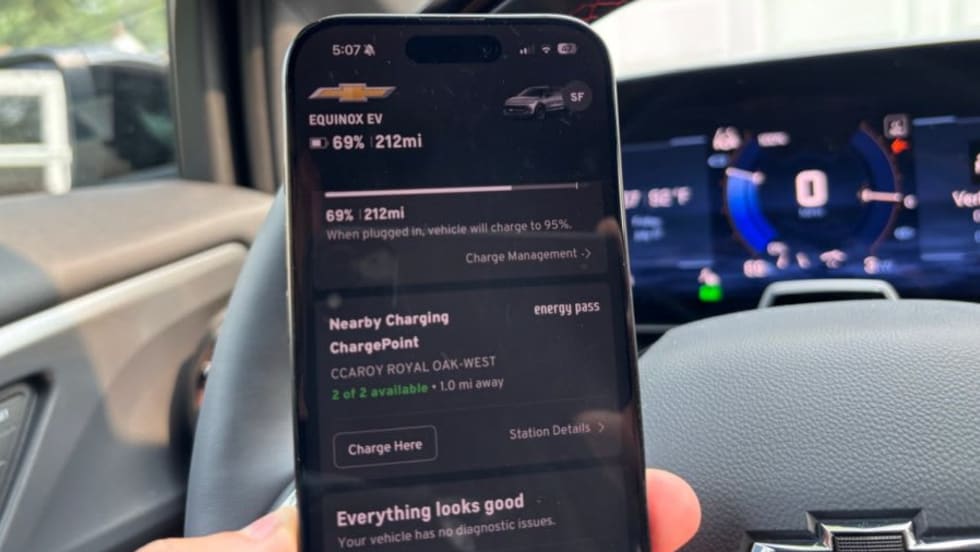
GM Adds ChargePoint Network to Energy Pass Platform
The integration gives GM EV drivers access to additional DC fast chargers and Level 2 stations through a single app while expanding the automaker's public charging ecosystem.
Read More →
Xos White Paper Asserts LA Olympics Will Lack Enough EV Chargers
The commercial EV fleet company recommends some faster and more flexible remedies to relieve the anticipated shortfall.
Read More →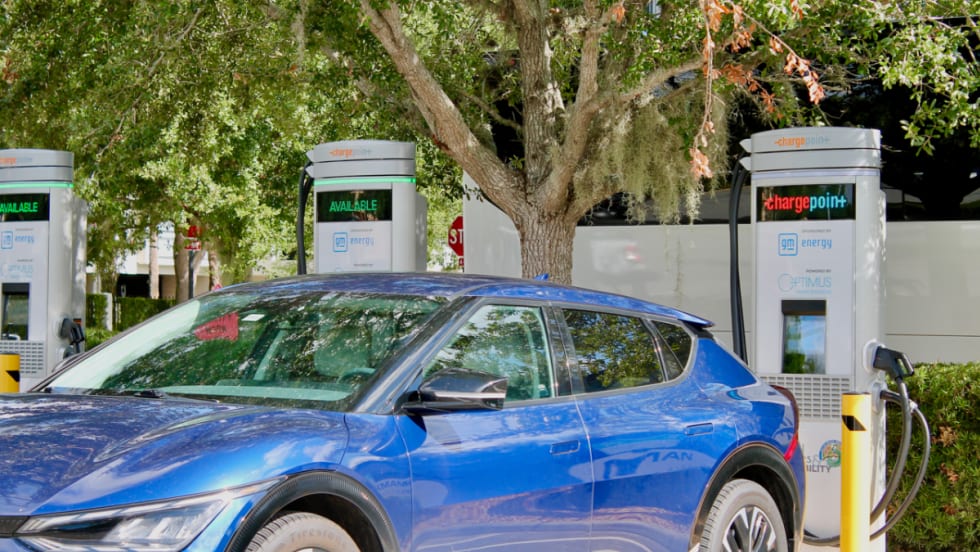
ChargePoint, Optimus Expand Fast-Charging Network Across Southeastern U.S.
ChargePoint will serve as the exclusive solutions provider, delivering hardware, software, and services to support Optimus’ growing charging network.
Read More →
Running A Profitable Electric Rental Fleet
How do you successfully operate an all-electric rental car fleet? Whether you manage a rental fleet or another commercial fleet, this conversation offers practical lessons on deploying, operating, and scaling electric vehicles.
Read More →
Why Charging May Never Be As Easy As Filling Up Gas
A seamless charge depends on a string of independent companies getting it right together, every time. How can electric fleets navigate the challenges to create a successful charging plan?
Read More →