



Closer Look:Calculating The True TCO For EV Fleets
U-M Study Confirms: EVs Lower Emissions in Every U.S. County
The study looked at 35 different combinations of vehicle class and powertrain and applied real world variables.
September 5, 2025
1 min to read
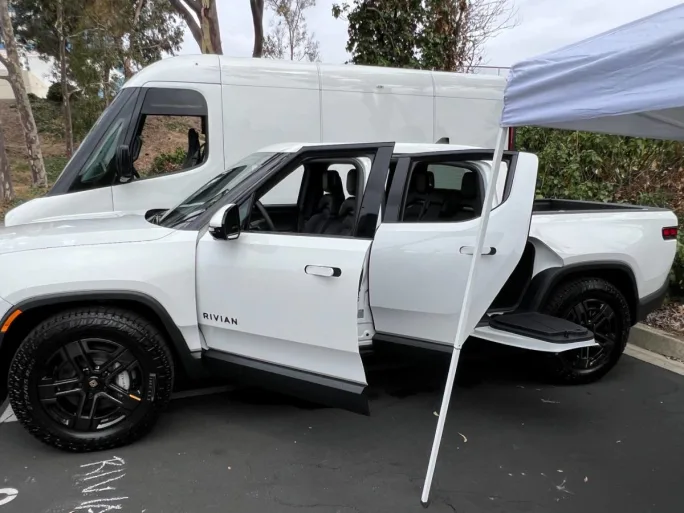
Going full BEV with a pickup truck like this Rivian, pictured here at a Fleet Forward regional conference on July 22, cuts emissions by 75% compared to an ICE model, a recent study shows.
Photo: Martin Romjue / Charged Fleet
A new lifecycle analysis from researchers at the University of Michigan confirms that battery electric vehicles (BEVs) have lower greenhouse gas emissions over their full lifetime than any other vehicle type, regardless of where you live in the contiguous U.S.
Published in Environmental Science & Technology, the study was co-authored by faculty and researchers affiliated with the U-M Electric Vehicle Center and the Center for Sustainable Systems.
The study looked at 35 different combinations of vehicle class and powertrain, including sedans, SUVs, and pickups with gasoline, hybrid, plug-in hybrid, or full battery electric systems, and applied real-world variables such as driving behavior, cargo load, and regional grid cleanliness.
Among the takeaways:
In every county in the continental U.S., EVs outperformed gas-powered vehicles on emissions.
A BEV pickup hauling 2,500 pounds still emitted less than 30% of a gas pickup carrying nothing.
The most efficient vehicle class was the compact BEV sedan with a 200-mile range.
Switching from an ICE pickup to a hybrid saves 23% in emissions; going full BEV cuts emissions by 75%.
The work was funded by the State of Michigan’s Department of Labor and Economic Opportunity and the Electric Vehicle Center. To help consumers, policymakers, and industry stakeholders, the team also created an interactive emissions calculator that lets drivers compare emissions by powertrain, vehicle type, region, and usage.
More Electric Vehicles
EV Charging Use Is Outpacing Infrastructure Growth
ChargePoint’s 2026 Charging Forward Report points to rising charger use, higher-powered charging, commercial vehicle electrification, and energy-management technology. Here’s what fleets should know.
Read More →
EV Realty Names Henrik Holland President as Charging Platform Expands
The former Prologis Mobility and Shell executive will help expand EV Realty’s truck charging business and move its power-first infrastructure model into autonomous vehicle depots and other fleet sectors.
Read More →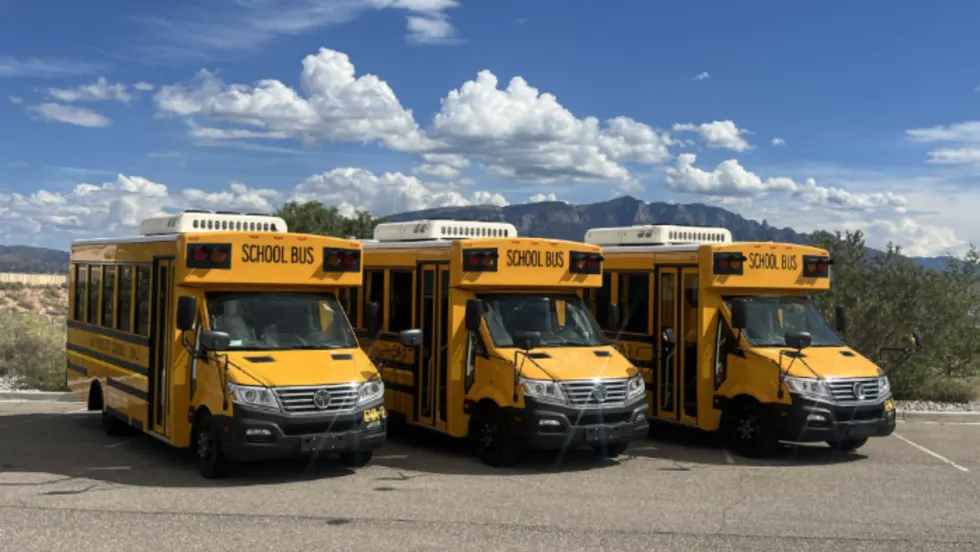
GreenPower Expands New Mexico EV Pilot With Larger Buses, V2G Testing
After logging more than 17,000 electric miles in the first year, New Mexico’s statewide pilot is moving into its second phase with larger vehicles, continued charging evaluations, and more.
Read More →
Can EV-as-a-Service Help Fleets Scale Electrification?
Sustainability Partners CEO Adam Cain explains how matching EVs, charging infrastructure, and duty cycles can help fleets scale electrification.
Read More →
How EV-as-a-Service Is Moving Fleets Beyond Pilots
Adam Cain, president and CEO of Sustainability Partners, explains how EV-as-a-service can help fleets scale deployments by addressing duty-cycle requirements and charging challenges.
Read More →
PowerFlex, The Mobility House Join Forces to Advance Fleet Electrification
Two EV charging providers are joining forces to deliver a broader portfolio of energy management and fleet electrification solutions.
Read More →
Ford Retools Louisville Plant for Fathom Electric Truck Production
Ford's $2 billion Louisville Assembly Plant overhaul introduces a three-part assembly process for the Fathom midsize electric truck, with production scheduled to begin in 2027.
Read More →
Merchants Fleet Reports 290M EV Miles as Fleets Navigate Changing Electrification Market
From millions in operating savings to hundreds of millions of EV miles, Merchants Fleet’s latest report reveals what’s working and what’s changing in fleet electrification.
Read More →
California District Commits to Electrify 25% of School Bus Fleet by 2028
One of the nation's largest school bus electrification projects to date demonstrates how grants, charging infrastructure, and public-private partnerships can help fleets transition to EVs at scale.
Read More →
Aptera Orders Bodies and Chassis for Its First 40 Production Vehicles
Aptera Motors Corp. has issued purchase orders for the major structural components of its first 40 vehicles, and body and chassis components are expected to begin arriving in October.
Read More →