


How to Monitor & Reduce Gray Fleet Emissions
For drivers under a personal vehicle reimbursement program, understanding their vehicles’ carbon output, miles driven, fuel consumption, idle times, and maintenance needs are crucial to furthering your organization’s sustainability goals.
Businesses aiming to establish and accomplish sustainability objectives need to construct programs based on data instead of pushing ahead and setting targets without a clear roadmap for how they achieve them.
Photo: RDNE Stock project via Pexels / Automotive Fleet
The surge in electric vehicles (EVs) has, without a doubt, heavily influenced how companies tackle sustainability. This shouldn’t come as a surprise, as the global EV market size is predicted to increase at a compound annual growth rate of over 20% from 2023 to 2033.
Given this market surge, it’s logical that companies should actively seek methods to integrate EVs into their sustainability objectives as a means of reducing carbon emissions.
Although turning to EVs makes a great deal of sense, it cannot be viewed as a fix-all; sustainability initiatives overly dependent on EVs may struggle to meet their targets. Businesses aiming to establish and accomplish sustainability objectives need to construct programs based on data instead of pushing ahead and setting targets without a clear roadmap for how they achieve them.
A strong sustainability program isn't just about using electric vehicles; it should be flexible with the kinds of vehicles used and focus on the best ways to reduce carbon emissions.
Building a Sustainability Roadmap With Quantifiable Data
While setting sustainability objectives is a requisite first step, it's imperative that these goals are grounded in substantive analysis.
Goal building should start with properly understanding the contributors to a given company's current carbon footprint, including industry standards, timelines, and metrics. Evaluating existing company output facilitates the development of a clear roadmap towards sustainability.
Instead of aiming for ambitious or showy goals that could easily fail, companies should build on current realities and create lasting plans for the future. By identifying areas ripe for improvement, companies can leverage data to inform decision-making and promote best practices.
Drive Down Emissions with Fleet Tracking
Measuring the impact of emissions, particularly in terms of miles driven and carbon dioxide (CO2) output, can be challenging. Rather than immediately investing in company-owned electric vehicles, utilizing gray fleet vehicles — personally owned vehicles used for work purposes — alongside software for monitoring mileage and emissions offers a more seamless transition.
This approach provides crucial information for advancing sustainability goals by quantifying current emissions and identifying areas for improvement based on factors such as miles driven, Environmental Protection Agency (EPA) vehicle ratings, and CO2 output.
Monitoring gray fleet emissions crucially assists companies in their transition toward sustainability. To arrive at areas in need of improvement, monitoring through vehicle management software allows companies to gain real-time insights into their fleet's performance and environmental impact.
What Key Fleet Metrics Should You Track to Cut Carbon?
By tracking metrics such as fuel consumption, idle times, and maintenance needs, companies can identify where emission inefficiencies are most prevalent. Perhaps most importantly, mile tracking in cars where the EPA rating is known allows for accurate accounting of the CO2 emissions across vehicles, which ultimately provides the foundation to then measure against.
This data-driven approach helps pinpoint specific vehicles or driving behaviors contributing to higher emissions, enabling targeted interventions. For instance, quantifying current vehicle emissions — including miles driven, EPA vehicle ratings, and CO2 output — is more crucial than merely increasing the number of EVs.
CO2 emissions from non-EV vehicles can vary significantly based on trim level, making detailed vehicle data, such as the VIN, essential. Vehicle management software can precisely measure and monitor emissions from owned fleet vehicles or personal cars driven for work, identifying vehicles with inefficient CO2 output.
Additionally, software can alert managers to excessive idling or suboptimal routes, which can then be corrected to reduce fuel usage and emissions. Such precise monitoring ensures that companies can make informed decisions to optimize their fleet's efficiency.
Driver Training, Data Reviews
To leverage vehicle management software for sustainability objectives, companies should first integrate the software with their existing fleet management systems. This integration facilitates comprehensive data collection and analysis.
Regular training and awareness programs for drivers on eco-friendly driving practices are essential to ensure compliance and engagement. Additionally, periodic reviews of the collected data and performance against goals should be conducted to assess progress and make necessary adjustments, for example minimizing unnecessary travel, cutting down on fuel waste, or considering vehicle alternatives with better EPA ratings.
By following these steps, companies can strategically address emission inefficiencies and move towards achieving their sustainability objectives.
How to Leverage EPA Ratings for Fleet Efficiency
In pursuit of meeting short-term targets while preparing for the future, understanding EPA vehicle ratings and categorizing vehicles accordingly emerges as a critical step in the broader effort to track and reduce emissions effectively.
By meticulously discerning vehicles with high emissions and strategically devising plans to transition to more efficient options, companies can markedly diminish their carbon footprint and make tangible progress towards sustainability goals. Leveraging comprehensive data-driven insights obtained through advanced tracking systems can also allow organizations to not only identify emission hotspots but also quantify the impact of each vehicle type on overall emissions levels.
It’s essential for organizations to understand the differences in EPA vehicle ratings, which range from 1 (least eco-friendly) to 10 (most environmentally friendly). Knowing where each vehicle in the fleet falls within these ratings empowers leaders to develop strategies for meaningful change.
Calculating Emissions Savings with Vehicle Upgrades
Upgrading lower-rated vehicles can lead to significant carbon savings. For instance, a level 4 vehicle driven 15,000 miles annually produces approximately 6.0 metric tons of CO2, while a level 5 vehicle would reduce that to 5.1 metric tons — a savings of 0.9 metric tons. This difference in emissions from just one level up is substantial. With such data insights, organizations can accurately quantify their targets and take concrete steps to achieve their goals.
Advanced tracking systems in gray fleet vehicles work by integrating mileage tracking and vehicle EPA rating to calculate emission output. By gleaning this information, companies have a baseline to measure against and in turn can enforce eco-friendly driving practices and ensure compliance with environmental regulations.
By leveraging these insights, companies can strategically categorize vehicles based on emissions performance and transition high-emission vehicles to more efficient options, significantly contributing to sustainability goals while maintaining operational efficiency.
A brighter, More Sustainable Future
Ultimately, hitting sustainability targets is vital to avoiding costly consequences, reputational or fiscal. By staying proactive in their approach to emission tracking and management, companies can optimize resource allocation, prioritize investments in cleaner technologies, and drive continuous improvement in sustainability performance.
By embracing a data-centric approach to emission tracking, companies can foster a culture of accountability and transparency. Utilizing available tools and implementing policies and incentives to transition to more efficient vehicles are critical steps towards achieving emissions targets; as opposed to jumping into the fix-all fallacy of EVs.
Originally posted on Automotive Fleet
More Electric Vehicles
EV Charging Use Is Outpacing Infrastructure Growth
ChargePoint’s 2026 Charging Forward Report points to rising charger use, higher-powered charging, commercial vehicle electrification, and energy-management technology. Here’s what fleets should know.
Read More →
EV Realty Names Henrik Holland President as Charging Platform Expands
The former Prologis Mobility and Shell executive will help expand EV Realty’s truck charging business and move its power-first infrastructure model into autonomous vehicle depots and other fleet sectors.
Read More →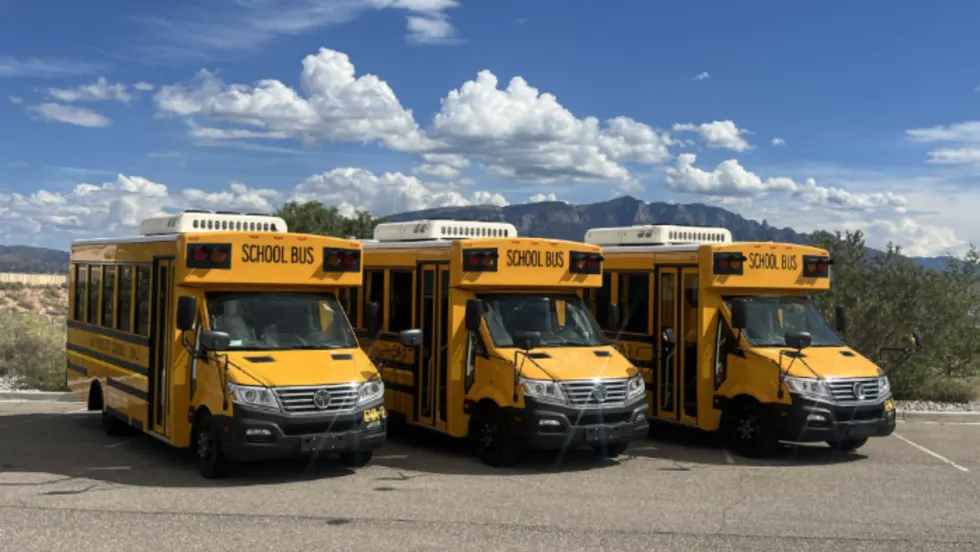
GreenPower Expands New Mexico EV Pilot With Larger Buses, V2G Testing
After logging more than 17,000 electric miles in the first year, New Mexico’s statewide pilot is moving into its second phase with larger vehicles, continued charging evaluations, and more.
Read More →
Can EV-as-a-Service Help Fleets Scale Electrification?
Sustainability Partners CEO Adam Cain explains how matching EVs, charging infrastructure, and duty cycles can help fleets scale electrification.
Read More →
How EV-as-a-Service Is Moving Fleets Beyond Pilots
Adam Cain, president and CEO of Sustainability Partners, explains how EV-as-a-service can help fleets scale deployments by addressing duty-cycle requirements and charging challenges.
Read More →
PowerFlex, The Mobility House Join Forces to Advance Fleet Electrification
Two EV charging providers are joining forces to deliver a broader portfolio of energy management and fleet electrification solutions.
Read More →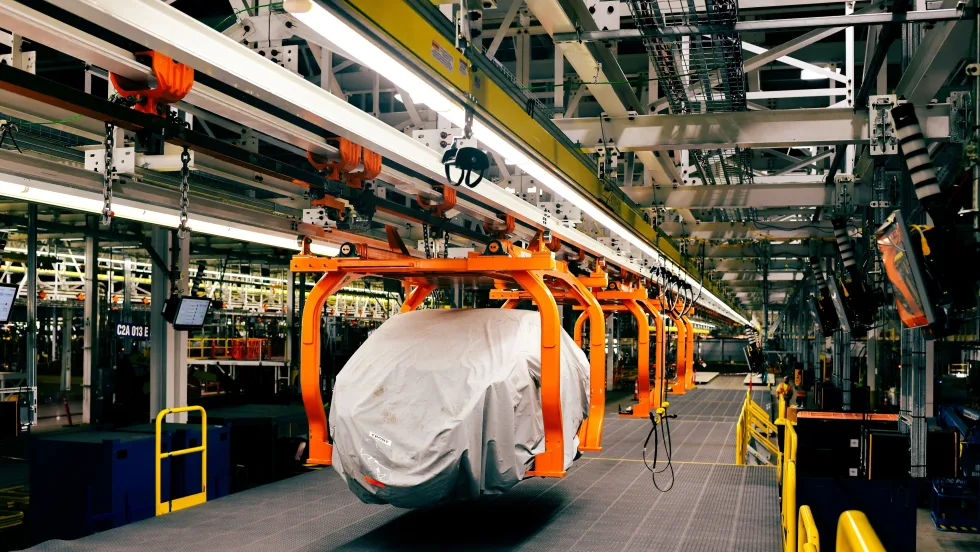
Ford Retools Louisville Plant for Fathom Electric Truck Production
Ford's $2 billion Louisville Assembly Plant overhaul introduces a three-part assembly process for the Fathom midsize electric truck, with production scheduled to begin in 2027.
Read More →
Merchants Fleet Reports 290M EV Miles as Fleets Navigate Changing Electrification Market
From millions in operating savings to hundreds of millions of EV miles, Merchants Fleet’s latest report reveals what’s working and what’s changing in fleet electrification.
Read More →
California District Commits to Electrify 25% of School Bus Fleet by 2028
One of the nation's largest school bus electrification projects to date demonstrates how grants, charging infrastructure, and public-private partnerships can help fleets transition to EVs at scale.
Read More →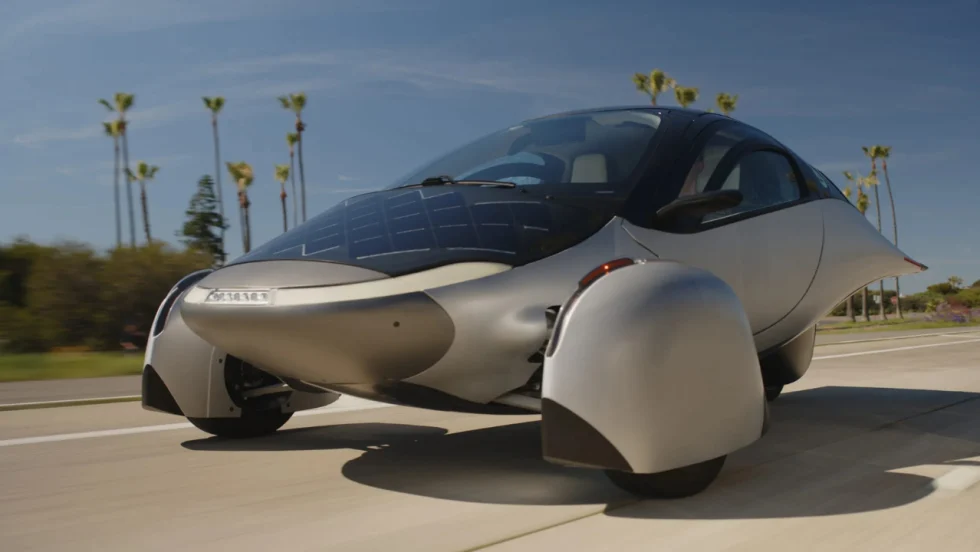
Aptera Orders Bodies and Chassis for Its First 40 Production Vehicles
Aptera Motors Corp. has issued purchase orders for the major structural components of its first 40 vehicles, and body and chassis components are expected to begin arriving in October.
Read More →