



Check Out:Registration Data Shows Remarkable Hybrid Powertrain Growth
200 Tons of Carbon Saved: HelloFresh Goes Greener with Rivian Electric Vans
HelloFresh ramps up its green game by expanding its sustainable delivery fleet, saving fuel, and slashing emissions with Rivian electric vans across 14 U.S. markets.
April 17, 2025
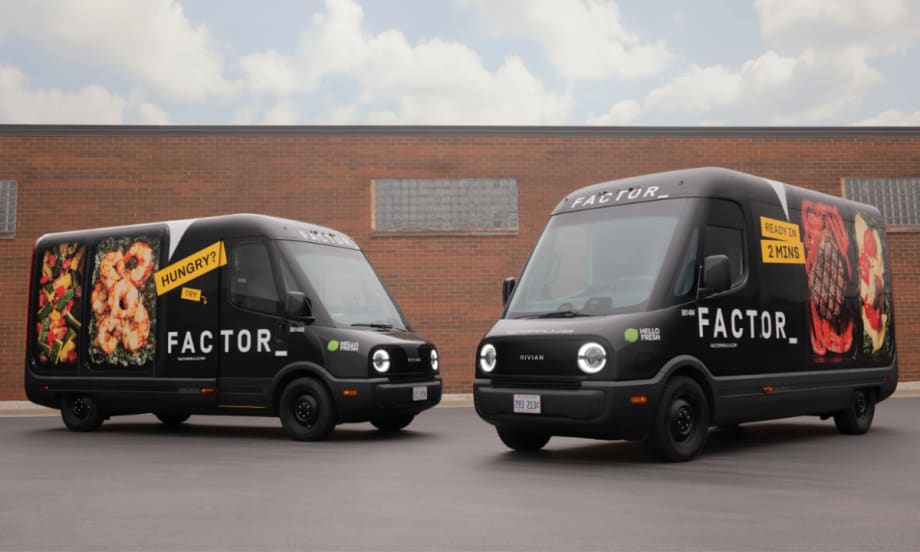
HelloFresh has incorporated 70 Rivian commercial vans into its fleet, outfitted in the company’s Factor branding.
Photo: Rivian
3 min to read
Rivian Automotive, Inc., an electric vehicle (EV) manufacturer, and HelloFresh, a global meal kit provider, have announced a sustainability milestone of reducing over 200 tons of carbon emissions through their partnership.
The reduction is driven by Rivian all-electric Commercial Vans, making HelloFresh Rivian’s first major fleet customer since the company opened van sales to the public earlier this year.
HelloFresh has incorporated 70 Rivian commercial vans into its fleet, outfitted in the company’s Factor branding.
“Fresh prepared food is one of the fastest growing grocery segments, and Factor leads the market with healthy, convenient, high-quality, ready-to-eat meals,” said Nunzio Di Savino, vice president of U.S. Logistics for HelloFresh. “We’re taking this opportunity to showcase Factor’s dedication to sustainability through impactful branding, including our delivery fleet.”
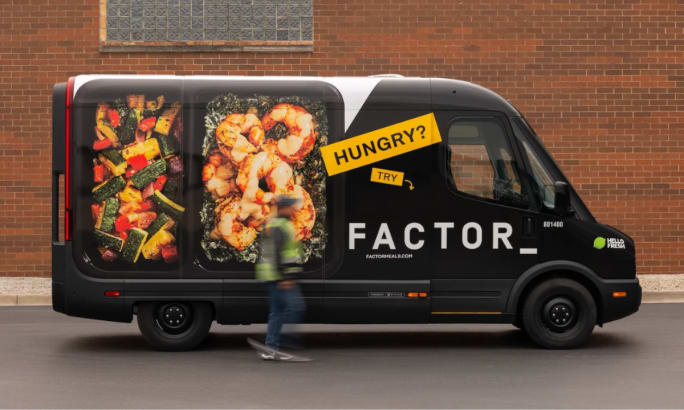
HelloFresh’s last-mile delivery network optimizes driving routes to decrease the distance traveled from the distribution center to the doorstep.
Photo: Rivian
Electric Vans Help Drive Fleet Electrification
With Rivian’s support, nearly a quarter of HelloFresh’s fleet is now electric. Driving more than 250,000 miles since the partnership began, HelloFresh has saved an estimated 20,000 gallons of gasoline. They have also significantly reduced their CO2 output by 200 tons, the equivalent of the carbon sequestered in 300 acres of U.S. forest.
HelloFresh’s last-mile delivery network optimizes driving routes to decrease the distance traveled from the distribution center to the doorstep.
Not only does this further reduce HelloFresh’s carbon footprint, but it also allows the company to reduce packaging such as insulation and ice packs (6-10% packaging weight reduction on each box) and food waste due to shorter transit times.
The company’s transit hubs are close to major city centers in 14 markets, so using electric vehicles in these areas helps cut emissions by avoiding the frequent stop-and-go with gas-powered vehicles typical in dense urban environments.
Ben Kubik, senior program manager of Last-Mile Logistics at HelloFresh, said the transition to Rivian’s longer-range vans has unlocked new delivery routes that weren’t possible with earlier EV models.
“The Rivian Commercial Van is purpose-built for last-mile delivery,” Kubik said. “We can avoid things like turning the vehicle on and off 100+ times a day or idling in traffic and wasting gasoline.”
Plus, according to Kubik, since EV “fuel” is stable, there is less guesswork in financial forecasting regarding fuel budgeting.
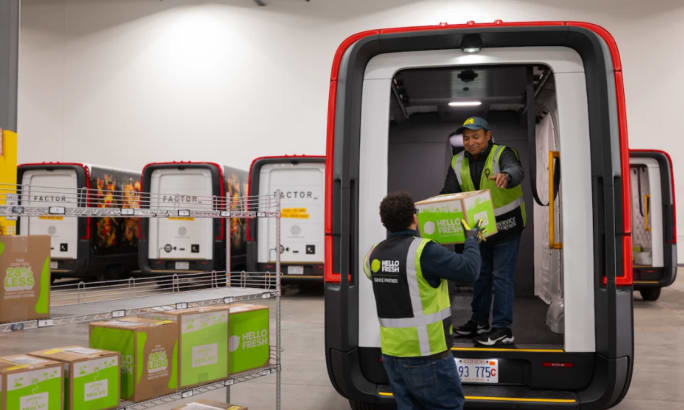
To support this growing EV operation, HelloFresh is partnering with Ryder through the RyderElectric+ program, which provides electric vehicle advisory, leasing, and maintenance services.
Photo: Rivian
Infrastructure and EV Strategy Built from the Ground Up
Kubik said HelloFresh spent the last year preparing for this rollout, installing more than 100 charging stations across its HelloFresh Delivery Network.
“There’s a lot of planning, budgeting, approvals, and construction to build the infrastructure necessary to incorporate EVs in a fleet,” he said. “Having our own charging infrastructure means we can charge our fleet in the most efficient way possible: overnight at our warehouse when the vans are not in use.”
“By adding more electric vehicles to its fleet, it has not only helped reduce their carbon output but has improved air quality in cities across the U.S. We’re looking forward to working with Ryder to help HelloFresh achieve their climate goals,” Tom Solomon, vice president of B2B Growth & Business Development, said.
Rivian’s Commercial Van is designed with safety and efficiency in mind, featuring automatic emergency braking, collision warnings, and 360-degree visibility. Its proprietary software supports streamlined fleet management and lowers the overall cost of ownership.
To support this growing EV operation, HelloFresh is partnering with Ryder through the RyderElectric+ program, which provides electric vehicle advisory, leasing, and maintenance services.
Originally posted on Automotive Fleet
More Electric Vehicles
EV Charging Use Is Outpacing Infrastructure Growth
ChargePoint’s 2026 Charging Forward Report points to rising charger use, higher-powered charging, commercial vehicle electrification, and energy-management technology. Here’s what fleets should know.
Read More →
EV Realty Names Henrik Holland President as Charging Platform Expands
The former Prologis Mobility and Shell executive will help expand EV Realty’s truck charging business and move its power-first infrastructure model into autonomous vehicle depots and other fleet sectors.
Read More →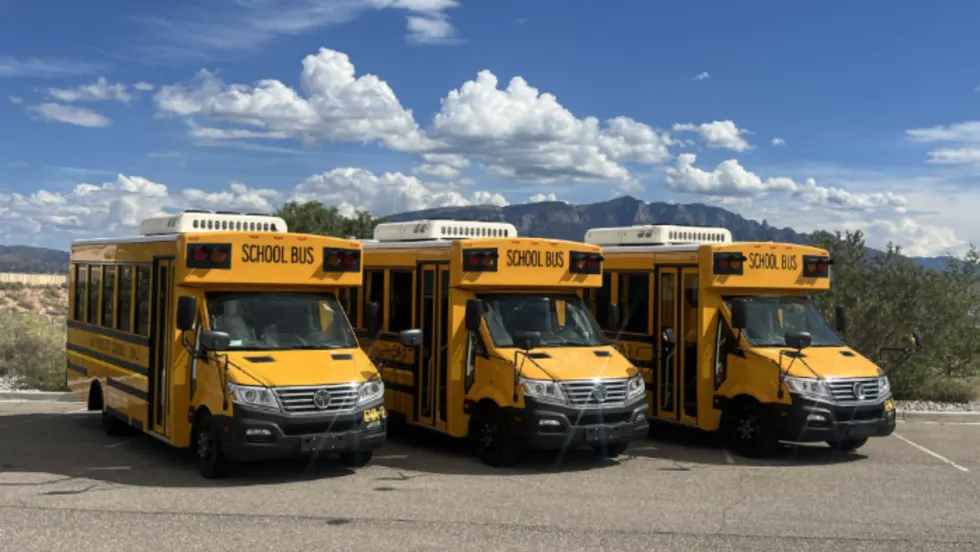
GreenPower Expands New Mexico EV Pilot With Larger Buses, V2G Testing
After logging more than 17,000 electric miles in the first year, New Mexico’s statewide pilot is moving into its second phase with larger vehicles, continued charging evaluations, and more.
Read More →
Can EV-as-a-Service Help Fleets Scale Electrification?
Sustainability Partners CEO Adam Cain explains how matching EVs, charging infrastructure, and duty cycles can help fleets scale electrification.
Read More →
How EV-as-a-Service Is Moving Fleets Beyond Pilots
Adam Cain, president and CEO of Sustainability Partners, explains how EV-as-a-service can help fleets scale deployments by addressing duty-cycle requirements and charging challenges.
Read More →
PowerFlex, The Mobility House Join Forces to Advance Fleet Electrification
Two EV charging providers are joining forces to deliver a broader portfolio of energy management and fleet electrification solutions.
Read More →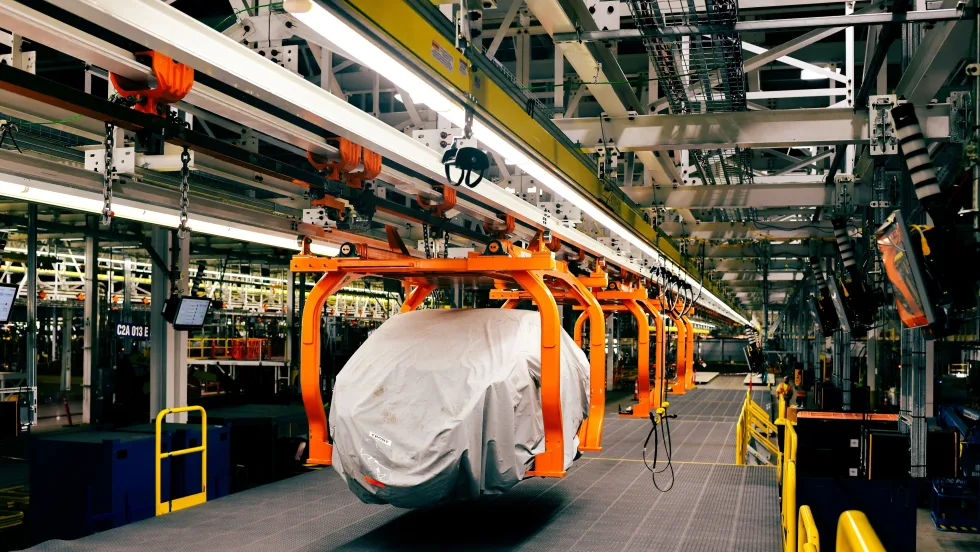
Ford Retools Louisville Plant for Fathom Electric Truck Production
Ford's $2 billion Louisville Assembly Plant overhaul introduces a three-part assembly process for the Fathom midsize electric truck, with production scheduled to begin in 2027.
Read More →
Merchants Fleet Reports 290M EV Miles as Fleets Navigate Changing Electrification Market
From millions in operating savings to hundreds of millions of EV miles, Merchants Fleet’s latest report reveals what’s working and what’s changing in fleet electrification.
Read More →
California District Commits to Electrify 25% of School Bus Fleet by 2028
One of the nation's largest school bus electrification projects to date demonstrates how grants, charging infrastructure, and public-private partnerships can help fleets transition to EVs at scale.
Read More →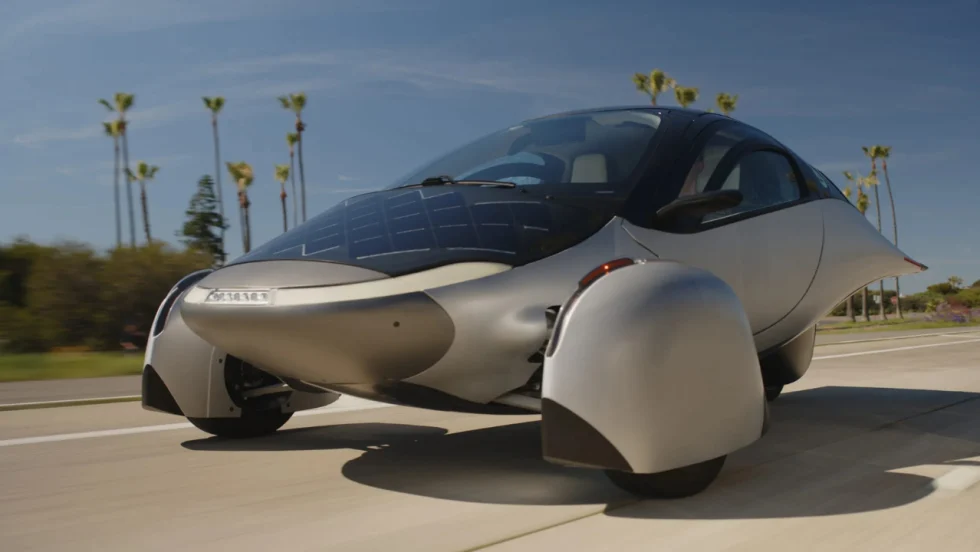
Aptera Orders Bodies and Chassis for Its First 40 Production Vehicles
Aptera Motors Corp. has issued purchase orders for the major structural components of its first 40 vehicles, and body and chassis components are expected to begin arriving in October.
Read More →