



Background News: Fleets Can Electrify Faster Than Assumed
Study Confirms EVs Save Big on Carbon Emissions
What does pickup truck electrification mean for the decarbonization of the ground transportation industry? Recent findings from a Ford academic analysis compared the climate results of electric vehicles with ICE ones.
March 4, 2022
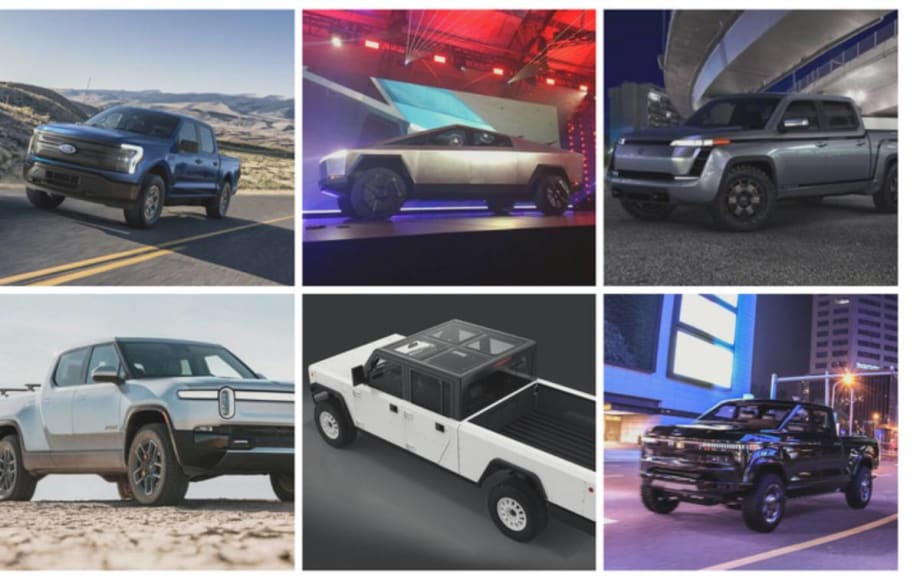
Though the percentage savings is about the same across vehicle classes, on average replacing an internal-combustion-engine pickup truck with a battery-electric pickup saves 74 metrictons carbon dioxide equivalent over the lifetime of the vehicles.
Photos: Ford, Chris Brown, Rivian, Lordstown, Bollinger Motors, and Atlis Motor Vehicles.
4 min to read
University of Michigan and Ford Motor Company researchers released a new study on March 4 that evaluated the savings in greenhouse gas emissions of electric vehicles relative to gasoline-powered pickup trucks.
Researchers found that light-duty, battery-electric vehicles have about 64% lower cradle-to-grave life cycle greenhouse gas emissions than internal-combustion-engine (ICE) vehicles on average across the United States. The study also punctured arguments that carbon emissions from manufacturing processes used to make EV batteries offset the carbon savings from operating an EV.
Light-duty vehicles, including sedans, SUVs, and pickup trucks, are currently responsible for 58% of U.S. transportation sector emissions. Pickup trucks accounted for 14% of light-duty vehicle sales in the United States in 2020, and the market share of both pickups and SUVs has grown in recent years.
“Our research clearly shows substantial greenhouse gas emission reductions that can be achieved from transitioning to electrified powertrains across all vehicle classes,” said study senior author Greg Keoleian, a professor at the U-M School for Environment and Sustainability and director of the U-M Center for Sustainable Systems.
Cynthia Williams, global director of sustainability, homologation and compliance at Ford, said in a news release, “This study can help us to understand the potential impact of electrification from an emissions reduction perspective, particularly as we introduce new electric vehicles, and how we can continue to accelerate our progress towards carbon neutrality.”
In the study, researchers conducted a cradle-to-grave life cycle assessment of pickup trucks and compared the implications of pickup truck electrification to those of sedan and SUV electrification. With a focus on evaluating greenhouse gas emissions, researchers looked at three different model year 2020 powertrain options — internal-combustion-engine vehicles, hybrid-electric vehicles, and battery-electric vehicles — for midsize sedans, midsize SUVs, and full-size pickup trucks, accounting for differences in fuel economy, annual mileage, vehicle production, and vehicle lifetime across vehicle classes.
“This study expands upon previous studies that have focused on comparing battery-electric vehicle sedans to their internal-combustion-engine or hybrid counterparts,” Keoleian said in the news release. “We report emissions for vehicle production, use, and end-of-life stages on a per-mile basis and over the total vehicle lifetime. In addition, we analyzed the regional variation in emissions considering differences in electricity grid mixes and ambient temperatures, and we also explored the effects of the rate of grid decarbonization on emission reduction.”
The study offers key findings. Researchers, for instance, found that switching an internal combustion-engine vehicle to a battery-electric vehicle results in greater total tonnage of emissions reductions as the vehicle size increases, due to the greater fuel consumption of larger vehicles.
“Though the percentage savings is about the same across vehicle classes, on average replacing an internal-combustion-engine sedan with a battery-electric sedan saves 45 metric tons of carbon dioxide equivalent, replacing an internal-combustion engine SUV with a battery-electric SUV saves 56 metric tons of carbon dioxide equivalent, and replacing an internal-combustion-engine pickup with a battery-electric pickup saves 74 metric tons carbon dioxide equivalent over the lifetime of the vehicles,” said study first author and Center for Sustainable Systems research specialist Max Woody.
The researchers also found that battery-electric vehicles have larger greenhouse gas emissions in their manufacturing than internal-combustion-engine vehicles, due to battery production, but this impact is offset by savings in their operation. For battery-electric vehicles and internalcombustion-engine vehicles, the breakeven time is 1.2 to 1.3 years for sedans, 1.4 to 1.6 years for SUVs, and 1.3 years for pickup trucks, based on the average U.S. grid and vehicle miles traveled.
Vehicle emissions vary across the country, as different temperatures and different drive cycles affect a vehicle’s fuel economy. For electric vehicles, the emissions intensity of the local electricity grid is also an important factor. The study developed maps to show the lifetime grams of carbon dioxide equivalent/mile for each powertrain (internal-combustion-engine vehicles, hybrid vehicles, and battery-electric vehicles) and vehicle type (sedan, SUV, and pickup truck) by county across the United States.
Researchers found that concerns about battery-electric vehicles having higher emissions than internal-combustion-engine vehicles or hybrids are largely unfounded, as battery-electric vehicles outperform hybrids in 95% to 96% of counties, while battery-electric vehicles outperform internal-combustion-engine vehicles in 98% to 99% of counties, even assuming only modest progress towards grid decarbonization.
Charging strategies can further reduce battery-electric vehicle greenhouse gas emissions. The study found that charging during the hours of the day with the lowest grid emissions intensity can reduce emissions by 11% on average.
“Deployment of electric vehicles and expansion of renewable energy resources like solar and wind should be done at the same time; the benefit of each is increased by the development of the other,” Woody said.
The study, “The role of pickup truck electrification in the decarbonization of light-duty vehicles,” was published online March 1 in the journal Environmental Research Letters. This study was supported by Ford Motor Company through a Ford-University of Michigan Alliance Project Award.
Study Information:https://iopscience.iop.org/article/10.1088/1748-9326/ac5142
More Electric Vehicles
EV Charging Use Is Outpacing Infrastructure Growth
ChargePoint’s 2026 Charging Forward Report points to rising charger use, higher-powered charging, commercial vehicle electrification, and energy-management technology. Here’s what fleets should know.
Read More →
EV Realty Names Henrik Holland President as Charging Platform Expands
The former Prologis Mobility and Shell executive will help expand EV Realty’s truck charging business and move its power-first infrastructure model into autonomous vehicle depots and other fleet sectors.
Read More →
GreenPower Expands New Mexico EV Pilot With Larger Buses, V2G Testing
After logging more than 17,000 electric miles in the first year, New Mexico’s statewide pilot is moving into its second phase with larger vehicles, continued charging evaluations, and more.
Read More →
Can EV-as-a-Service Help Fleets Scale Electrification?
Sustainability Partners CEO Adam Cain explains how matching EVs, charging infrastructure, and duty cycles can help fleets scale electrification.
Read More →
How EV-as-a-Service Is Moving Fleets Beyond Pilots
Adam Cain, president and CEO of Sustainability Partners, explains how EV-as-a-service can help fleets scale deployments by addressing duty-cycle requirements and charging challenges.
Read More →
PowerFlex, The Mobility House Join Forces to Advance Fleet Electrification
Two EV charging providers are joining forces to deliver a broader portfolio of energy management and fleet electrification solutions.
Read More →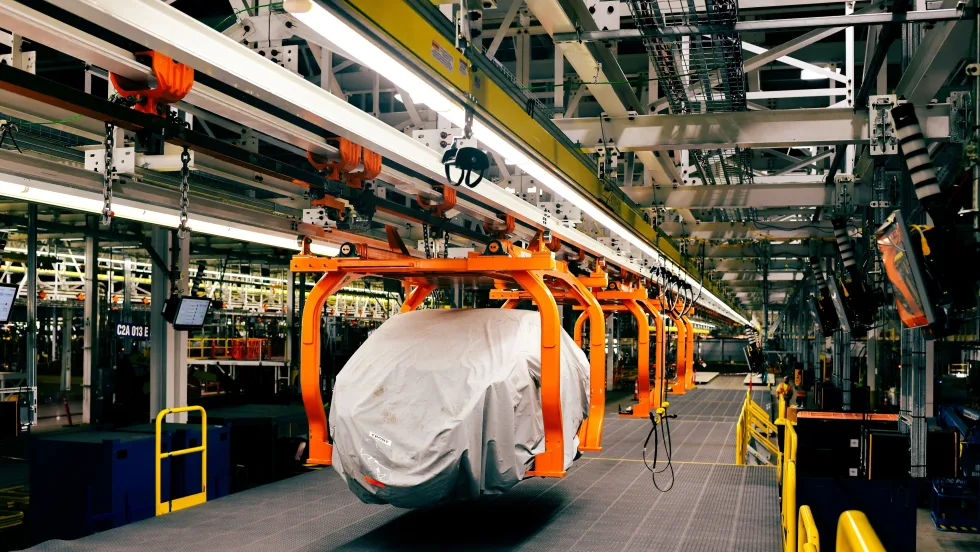
Ford Retools Louisville Plant for Fathom Electric Truck Production
Ford's $2 billion Louisville Assembly Plant overhaul introduces a three-part assembly process for the Fathom midsize electric truck, with production scheduled to begin in 2027.
Read More →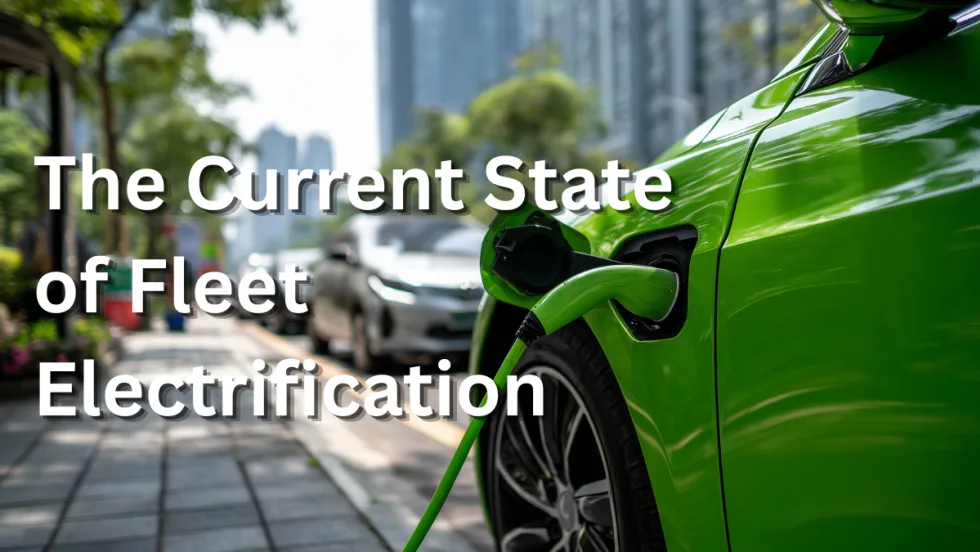
Merchants Fleet Reports 290M EV Miles as Fleets Navigate Changing Electrification Market
From millions in operating savings to hundreds of millions of EV miles, Merchants Fleet’s latest report reveals what’s working and what’s changing in fleet electrification.
Read More →
California District Commits to Electrify 25% of School Bus Fleet by 2028
One of the nation's largest school bus electrification projects to date demonstrates how grants, charging infrastructure, and public-private partnerships can help fleets transition to EVs at scale.
Read More →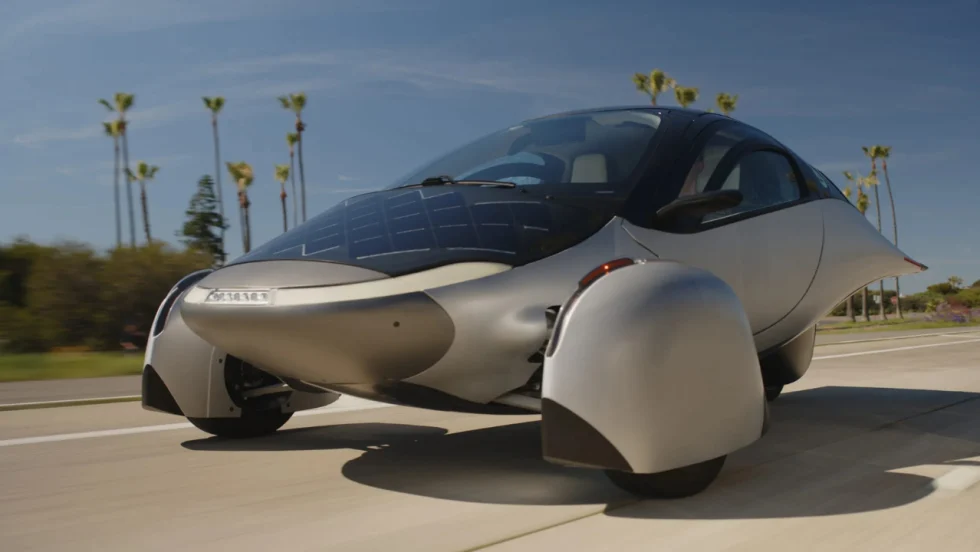
Aptera Orders Bodies and Chassis for Its First 40 Production Vehicles
Aptera Motors Corp. has issued purchase orders for the major structural components of its first 40 vehicles, and body and chassis components are expected to begin arriving in October.
Read More →