


Proactive Grid Investments for Electric Trucks Could Save Millions
Proactive grid upgrades for electric trucks and buses could save millions and reduce delays, offering major benefits for work truck fleets and utilities.
December 3, 2024

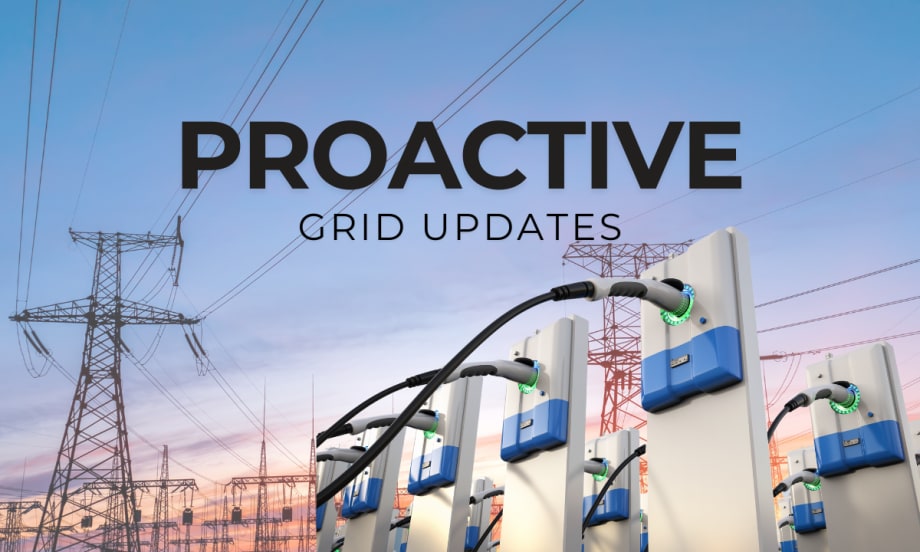
Proactive grid planning supports the electrification of work truck fleets, reducing costs and enabling faster charging infrastructure deployment.
Photo: Work Truck
3 min to read
A new study from the Environmental Defense Fund (EDF) and Black & Veatch highlights the potential cost savings for ratepayers when utilities proactively upgrade the electric grid to meet the demands of medium- and heavy-duty electric trucks and buses.
The study, titled Pro-Active Grid Investment Assessment Medium- and Heavy-Duty Vehicle Transportation Electrification, analyzed grid buildout scenarios using data from CenterPoint Energy Houston and Con Edison in New York. Findings suggest that early investment in grid upgrades could save millions—approximately $20 million in Con Edison's territory and $10–13 million in CenterPoint's area—compared to a reactive approach.
Michael Zimmerman, senior attorney for EDF electrification, emphasized the importance of early action: "Investing in the grid proactively tends to cost less, even where future charging demands are uncertain. 'Wait and see' is not a strategic option for utilities when it comes to electric truck charging infrastructure."
Work truck fleets stand to benefit significantly from proactive grid planning. Early utility investments can help reduce delays in connecting fleet charging sites to the grid, offering more predictable timelines and operational continuity for electrification projects.
Addressing the 'Chicken or Egg' Dilemma
The growing adoption of electric trucks and buses presents a significant challenge for utilities and regulators: Should infrastructure be built in anticipation of increased demand, or should they wait for demand to materialize?
The study tackled this dilemma by modeling various investment scenarios and comparing the risks and costs of overestimating versus underestimating future EV loads.
Findings suggest that proactive investment strategies, such as building substations to accommodate anticipated long-term growth, can yield significant cost savings. The lowest-cost planning approach often involves proactive and sequential strategies tailored to specific circumstances.
These approaches are especially critical in areas with high fleet density, such as industrial parks and urban centers.
Managed charging strategies, like scheduling charging during off-peak hours or using smart charging software, can further reduce costs for both utilities and fleet operators.
Broader Implications for Fleet Clusters
Proactive planning in regions with multiple fleet operators, such as industrial hubs, can enable faster service and reduced costs for fleet electrification.
Case studies in the report, including the Logan Bus Company in New York and a Maersk distribution center in Houston, underscore the importance of utilities and fleets coordinating early to align infrastructure planning with fleet electrification goals.
Regulatory Drivers and Cost Implications
Policies like the Advanced Clean Trucks (ACT) rule and other zero-emission mandates are accelerating the transition to electric vehicles in the work truck sector. Proactive grid upgrades can help utilities and fleets comply with these regulations while minimizing long-term costs.
Additionally, aligning proactive utility investments with grant timelines for EV adoption ensures fleets can access charging infrastructure without delays, maximizing the benefits of state and federal incentives.
Planning for the Future of Work Truck Electrification
The study concludes that utilities should prioritize proactive planning to meet the needs of fleet operators better and support the broader transition to clean transportation. Engaging with utilities early and sharing fleet electrification plans can help streamline interconnections, minimize delays, and reduce costs.
For work truck fleets, this proactive approach offers clear benefits: faster infrastructure readiness, predictable timelines, and cost savings over the long term. As electrification continues to gain momentum, these insights provide a roadmap for utilities and fleets to collaborate effectively and ensure a smooth transition to cleaner, more sustainable operations.
Topics:charging infrastructureelectrificationelectric gridIndustry ResearchFleet electrificationElectric VehiclesCharging
Originally posted on Work Truck Online
More Electric Vehicles
EV Charging Use Is Outpacing Infrastructure Growth
ChargePoint’s 2026 Charging Forward Report points to rising charger use, higher-powered charging, commercial vehicle electrification, and energy-management technology. Here’s what fleets should know.
Read More →
EV Realty Names Henrik Holland President as Charging Platform Expands
The former Prologis Mobility and Shell executive will help expand EV Realty’s truck charging business and move its power-first infrastructure model into autonomous vehicle depots and other fleet sectors.
Read More →
GreenPower Expands New Mexico EV Pilot With Larger Buses, V2G Testing
After logging more than 17,000 electric miles in the first year, New Mexico’s statewide pilot is moving into its second phase with larger vehicles, continued charging evaluations, and more.
Read More →
Can EV-as-a-Service Help Fleets Scale Electrification?
Sustainability Partners CEO Adam Cain explains how matching EVs, charging infrastructure, and duty cycles can help fleets scale electrification.
Read More →
How EV-as-a-Service Is Moving Fleets Beyond Pilots
Adam Cain, president and CEO of Sustainability Partners, explains how EV-as-a-service can help fleets scale deployments by addressing duty-cycle requirements and charging challenges.
Read More →
PowerFlex, The Mobility House Join Forces to Advance Fleet Electrification
Two EV charging providers are joining forces to deliver a broader portfolio of energy management and fleet electrification solutions.
Read More →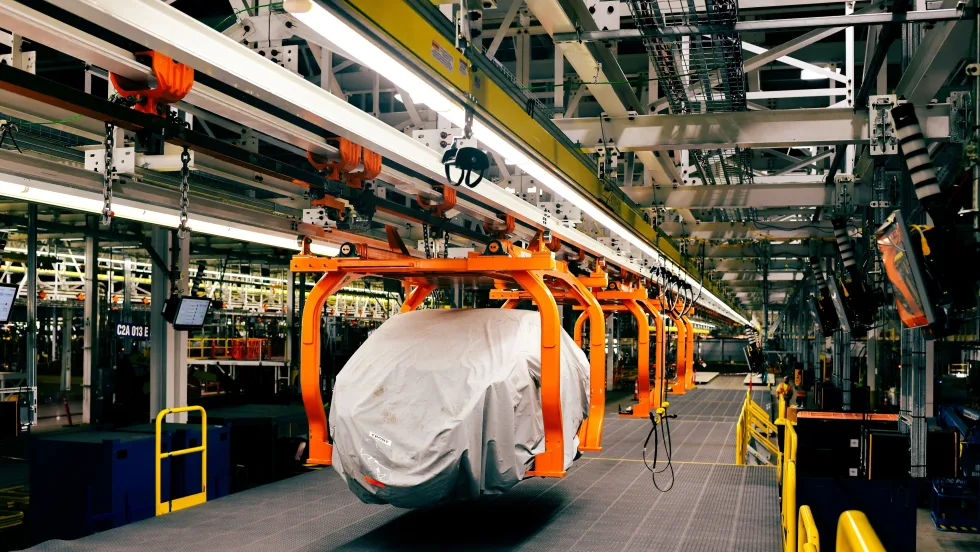
Ford Retools Louisville Plant for Fathom Electric Truck Production
Ford's $2 billion Louisville Assembly Plant overhaul introduces a three-part assembly process for the Fathom midsize electric truck, with production scheduled to begin in 2027.
Read More →
Merchants Fleet Reports 290M EV Miles as Fleets Navigate Changing Electrification Market
From millions in operating savings to hundreds of millions of EV miles, Merchants Fleet’s latest report reveals what’s working and what’s changing in fleet electrification.
Read More →
California District Commits to Electrify 25% of School Bus Fleet by 2028
One of the nation's largest school bus electrification projects to date demonstrates how grants, charging infrastructure, and public-private partnerships can help fleets transition to EVs at scale.
Read More →
Aptera Orders Bodies and Chassis for Its First 40 Production Vehicles
Aptera Motors Corp. has issued purchase orders for the major structural components of its first 40 vehicles, and body and chassis components are expected to begin arriving in October.
Read More →