



Dive Deeper: True Costs and Hidden Considerations of Maintaining EVs
New Study Shows EV Owners' Thoughts on Cost of Home Charging
J.D. Power’s latest survey explores the electric vehicle marketplace and how rising electricity rates are leading to more EV owners expressing dissatisfaction with home charging.
March 16, 2023

The J.D Power study found that satisfaction improves 179 points when moving up from a Level 1 portable charger (561) to a Level 2 permanently mounted charger (740).
Photo: Canva/Automotive Fleet
3 min to read
J.D. Power recently released its 2023 U.S. Electric Vehicle Experience (EVX) Home Charging Study, showing the growing electric vehicle (EV) marketplace has encountered rising electricity rates due in part to the recent U.S. inflationary period. This has resulted in lower satisfaction with home charging, according to J.D. Power’s news release.
More than two-thirds (68%) of EV owners use a Level 2 permanently mounted station, but their overall satisfaction declines 12 points year over year to 740 (on a 1,000-point scale).
While Level 2 portable and Level 2 permanently mounted charging stations are used by 83% of all users, their satisfaction with the cost of charging declines from the 2022 study by more than 30 points in each segment.
Also driving down overall satisfaction in the study is the speed for all three home charging segments. The 2023 study finds that owners of 2022 and 2023 model EVs are less satisfied with their home charging speed (605 and 597, respectively) than owners of 2021 model EVs (616) and 2020 model EVs (608).
“Whether you’re an automaker, dealer, or utility company participating in the EV ecosystem, improving the EV owner experience with respect to home charging should be a common goal shared by all,” said Brent Gruber, executive director of the EV practice at J.D. Power. “There are programs available today that will help EV owners with the startup costs, such as installing or upgrading to a faster Level 2 charger. There are also programs designed to save EV owners money with the ongoing costs of charging their vehicle, like scheduling to charge during the most affordable time of the day. However, J.D. Power sees that there is little awareness and utilization of these benefits. As the EV marketplace continues to grow, brands that help owners take advantage of these offerings will be in a much better position down the road.”
Satisfaction is measured across eight factors: fairness of retail price; cord length; size of charger; ease of winding/storing cable; cost of charging; charging speed; ease of use; and reliability. These factors provide an assessment of the owner experience and charger performance.
Key findings of the 2023 study:
As electricity rates increase, educating owners becomes more critical: Just 51% of EV owners say they are knowledgeable about utility company programs for charging their vehicle at home, which is up slightly from 49% a year ago.
Scheduling charge time increases satisfaction: More than one-third (35%) of owners say they always schedule a time to charge their vehicle at home, while 49% do not use any scheduling. Among those choosing to schedule home charging via an app, satisfaction is highest when using the vehicle mobile app (739) rather than the charger mobile app (706).
Geography makes a difference with charging satisfaction: Overall satisfaction with Level 2 home charging is lower in all nine regions in this year’s study than a year ago, with New England having the largest decline of 27 points. The Level 2 satisfaction gap between regions is now 96 points (+20 from a year ago), ranging from a low of 689 in the New England region to a high of 785 in the East South Central region.
Home charging game changer: Satisfaction improves 179 points when moving up from a Level 1 portable charger (561) to a Level 2 permanently mounted charger (740). Across the eight factors in the study, owner satisfaction is higher in seven factors once the switch is made to a Level 2 permanently mounted charger, especially with charging speed (+373 points). A majority (60%) of current Level 1 users say they are likely to upgrade their home charging station to either a Level 2 permanently mounted charger or a Level 2 portable unit.
Tesla ranks highest among Level 2 permanently mounted charging stations with a score of 790. GRIZZL-E (757) ranks second and Emporia (754) ranks third. The segment average is 740.
Originally posted on Automotive Fleet
More Charging
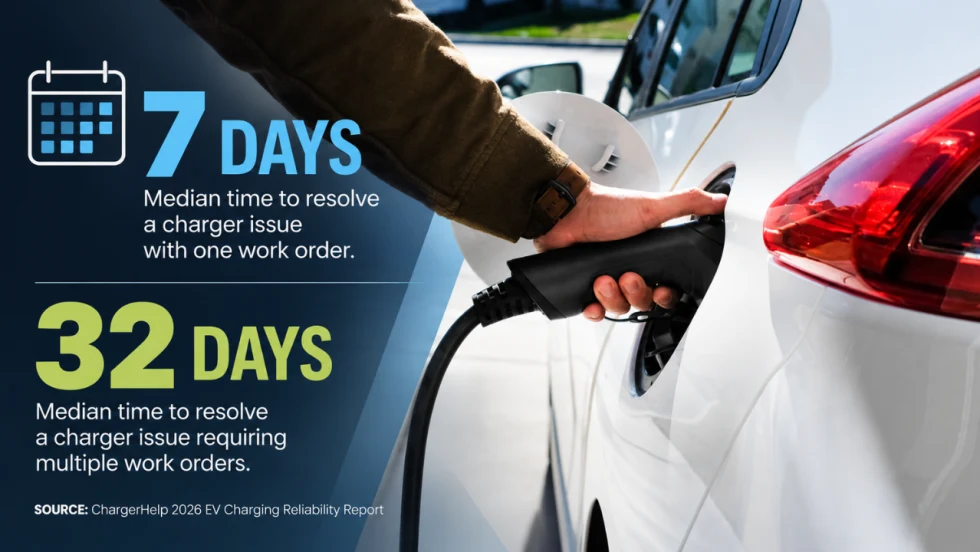
What Happens When an EV Charger Goes Down at Your Fleet Depot?
A failed EV charger can disrupt routes, delay vehicles, and create unexpected costs. Here's how fleets can troubleshoot problems, arrange backup charging, and minimize downtime.
Read More →
California Opens $28 Million in EV Fast-Charging Incentives
The Fast Charge California Project offers up to $100,000 per charging port for eligible, ready-to-build public charging projects, with applications open through Jan. 14, 2027.
Read More →
Honda Develops In-Motion Wireless EV Charging Technology for Commercial Vehicles
Honda, Taisei and Taisei Rotec are developing a road-embedded wireless charging system capable of transferring up to 150 kW, with public-road testing planned in Japan beginning in fiscal 2027.
Read More →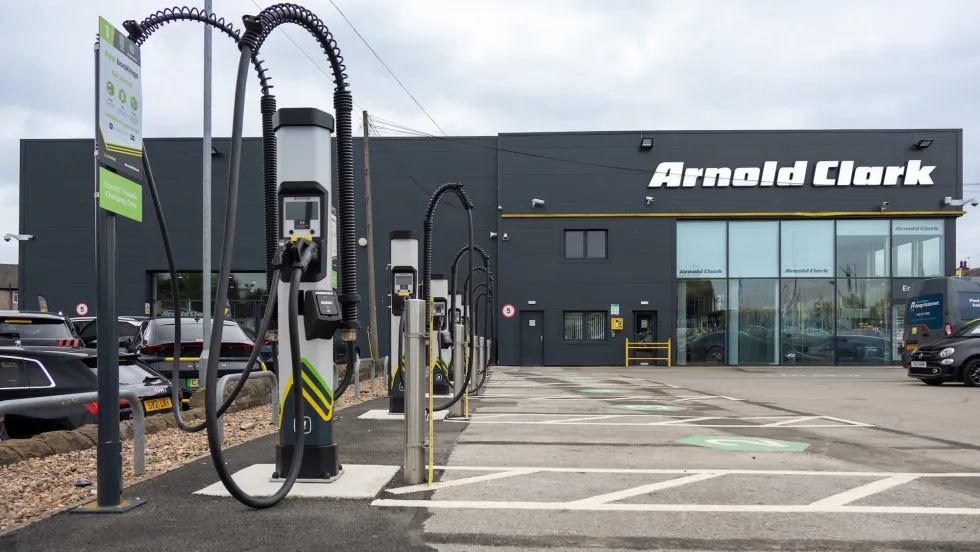
Arnold Clark Charge Opens Six Ultra-Rapid EV Chargers in Huddersfield
The new public charging site brings the Arnold Clark Charge network to 63 locations across the U.K., with charging priced at 55 pence per kWh.
Read More →
ChargerHelp Report Finds EV Charger Recovery Delays Can Stretch Beyond a Month
An analysis of approximately 500 million data points found charging issues requiring multiple work orders took a median of 32 days to resolve, highlighting the operational impact of diagnostics and repair coordination.
Read More →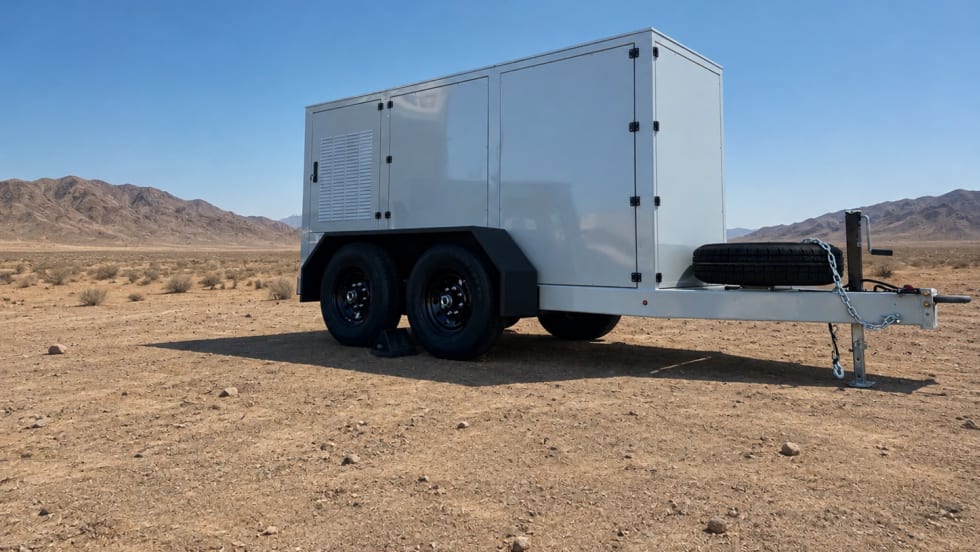
Xos Mobile Charging Hub Surpasses 1 GWh of Energy Delivered
As fleets electrify, charging capacity does not always arrive on the same timeline as the vehicles. Operating data from one Xos Hub shows how mobile, grid-independent charging can support vehicles when permanent infrastructure or utility upgrades aren't available.
Read More →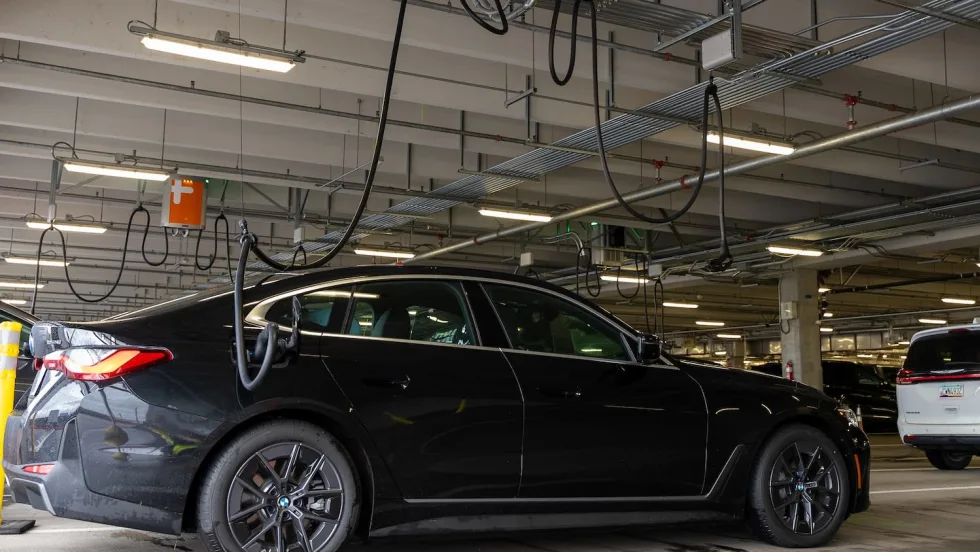
ChargePoint Adds Overhead EV Fast Charging at Portland International Airport
The installation can charge up to 20 rental vehicles simultaneously and uses overhead equipment to preserve ground-level space at the airport's Quick Turnaround Facility.
Read More →
Octopus Energy Launches Public EV Charging App in U.S.
Octopus Charge allows EV drivers to locate and access public charging stations through a single app, building on the company's Electroverse platform in Europe.
Read More →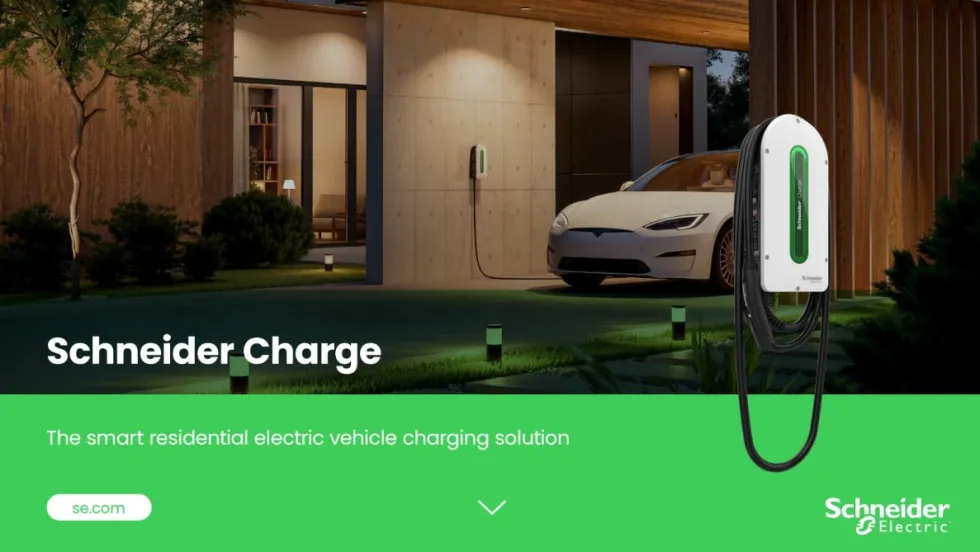
Schneider Electric Launches Level 2 Home EV Charger With Integrated Load Management
Schneider Charge uses integrated SmartAmp technology to adjust charging output based on household electrical demand and is available with NACS or J1772 connectors.
Read More →
Why EV Charging Reliability Is More Complicated Than It Looks
GridLink CEO Josh Silets explains what causes EV chargers to fail, why fleet operators often struggle to identify the source, and what questions they should ask charging vendors.
Read More →