



GM Envolve Connects Fleet Managers with Latest Fleet Vehicles and Tools
NACS Adapter Allow GM EVs To Tap into Tesla Network
Using a GM-approved NACS DC adapter, GM EV drivers will have access to over 17,800 more public charging spaces with the Tesla Supercharger Network.
September 26, 2024
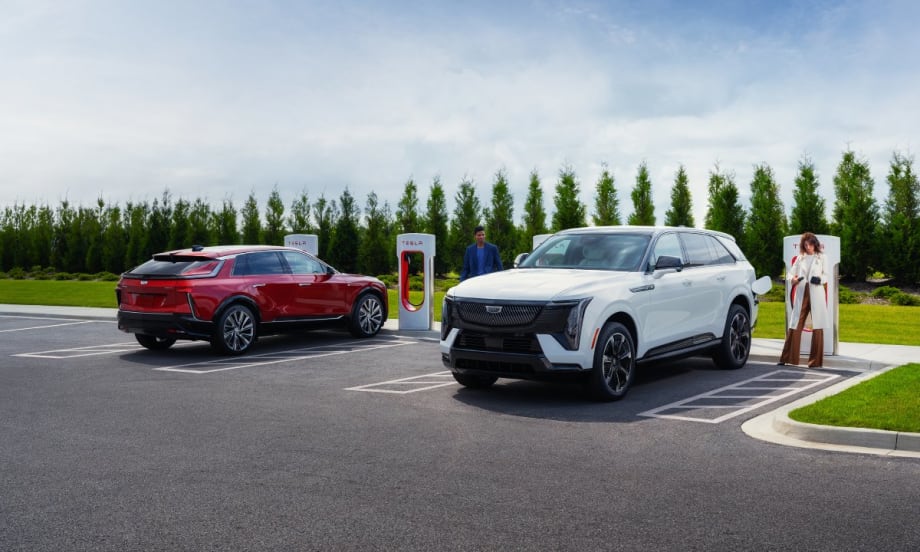
Drivers charging Cadillac EVs at chargers that utilize the North American Charging Standard.
Photo: General Motors
2 min to read
General Motors announced it is opening up access to more than 17,800 Tesla Superchargers for its users beginning in September 2024.
Using a GM-approved NACS DC adapter, GM electric vehicle (EV) drivers will have access to more than 231,800 Level 2 and DC fast chargers in North America with the addition of the Tesla Supercharger Network.
GM projects charger numbers will continue growing as it helps accelerate infrastructure deployment in communities and heavily traveled corridors through its various charging collaborations.
"GM's ongoing efforts to help accelerate the expansion of public charging infrastructure is an integral part of our commitment to an all-electric future," Wade Sheffer, vice president of GM Energy, said.
"Enabling access to even more publicly available fast chargers represents yet another way GM is focused on further improving the customer experience and making the transition to electric more seamless," Sheffer continued.
Through the joint venture IONNA, GM aims to install more than 30,000 chargers in urban and highway locations throughout the U.S. With Pilot Travel Centers and EVgo, GM is building 2,000 DC fast chargers at up to 500 Pilot and Flying J travel for EV drivers and fleets traveling long distances.
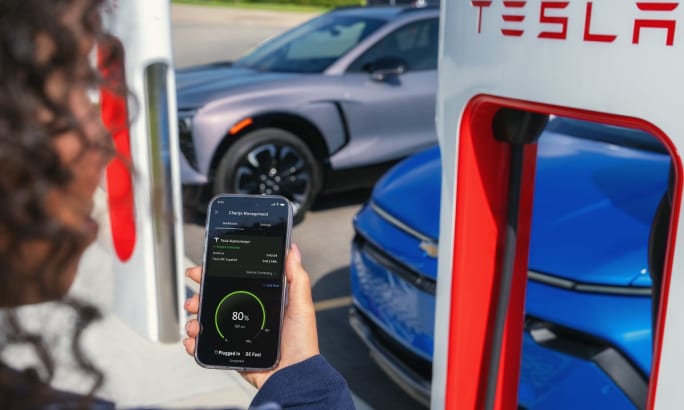
Drivers can use the GM vehicle brand app to locate available Superchargers, check station status, initiate a charge, and pay for charging sessions.
Photo: General Motors
NACS Adapters Available for Purchase
GM-approved NACS DC adapters will first be made available to users in the U.S., followed by availability for Canadian users later this year.
To access the Tesla Supercharger Network, U.S. customers can purchase a GM-approved NACS DC adapter through GM vehicle brand mobile apps for an MSRP of $225. Customers can also use the same apps to locate available Tesla Superchargers, check station status, initiate a charge, and pay for charging sessions.
To help ensure a positive customer experience, GM plans to leverage multiple suppliers to produce approved NACS DC adapters. Each adapter has been developed so customers can charge their GM EVs at chargers that use the North American Charging Standard.
Originally posted on Automotive Fleet
More Charging
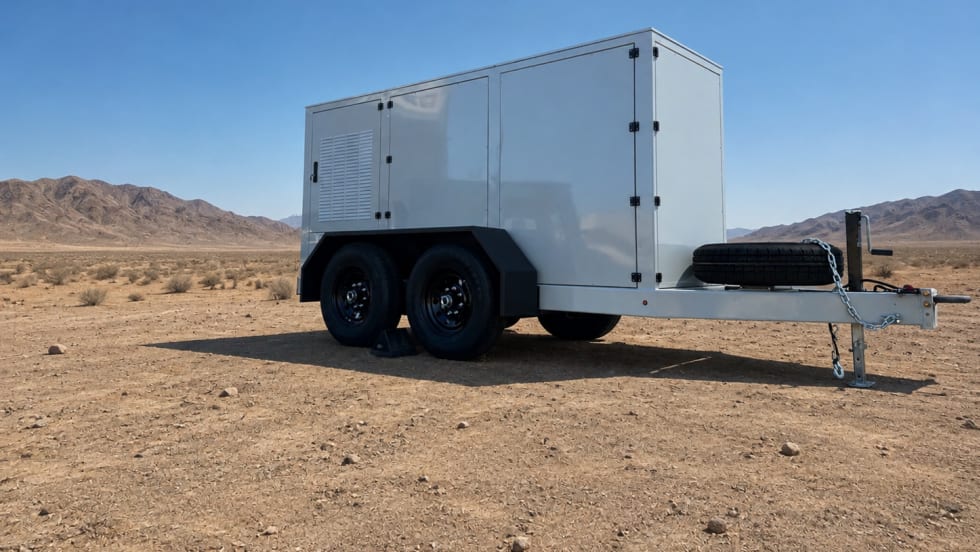
Xos Mobile Charging Hub Surpasses 1 GWh of Energy Delivered
As fleets electrify, charging capacity does not always arrive on the same timeline as the vehicles. Operating data from one Xos Hub shows how mobile, grid-independent charging can support vehicles when permanent infrastructure or utility upgrades aren't available.
Read More →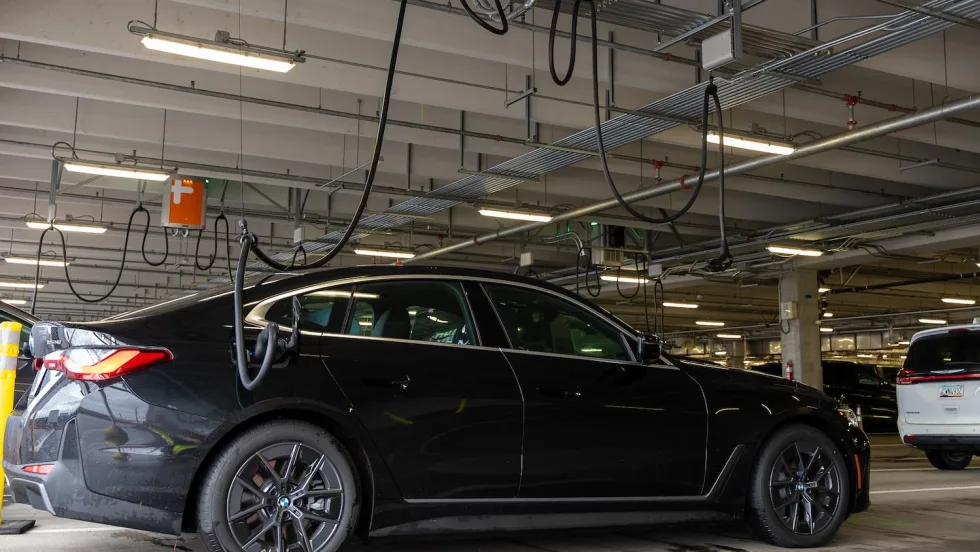
ChargePoint Adds Overhead EV Fast Charging at Portland International Airport
The installation can charge up to 20 rental vehicles simultaneously and uses overhead equipment to preserve ground-level space at the airport's Quick Turnaround Facility.
Read More →
Octopus Energy Launches Public EV Charging App in U.S.
Octopus Charge allows EV drivers to locate and access public charging stations through a single app, building on the company's Electroverse platform in Europe.
Read More →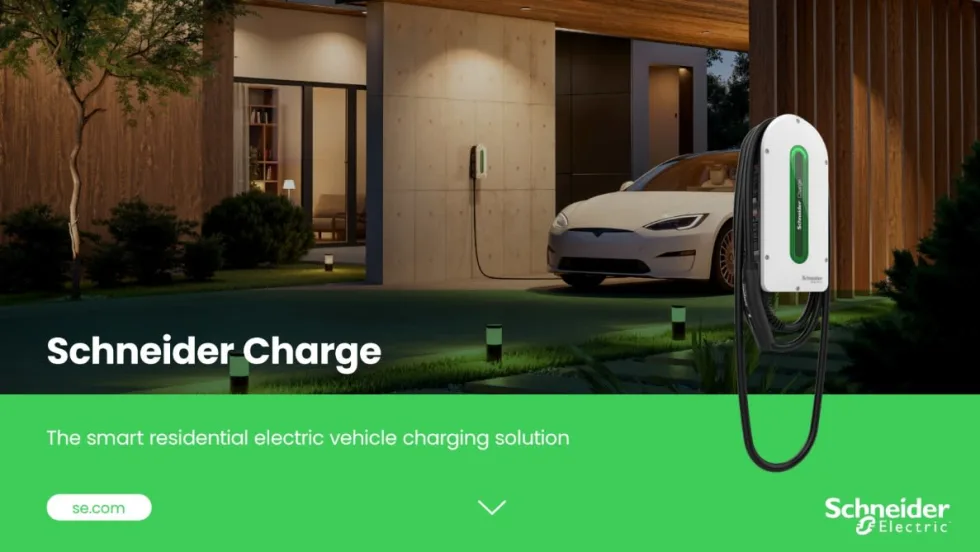
Schneider Electric Launches Level 2 Home EV Charger With Integrated Load Management
Schneider Charge uses integrated SmartAmp technology to adjust charging output based on household electrical demand and is available with NACS or J1772 connectors.
Read More →
Why EV Charging Reliability Is More Complicated Than It Looks
GridLink CEO Josh Silets explains what causes EV chargers to fail, why fleet operators often struggle to identify the source, and what questions they should ask charging vendors.
Read More →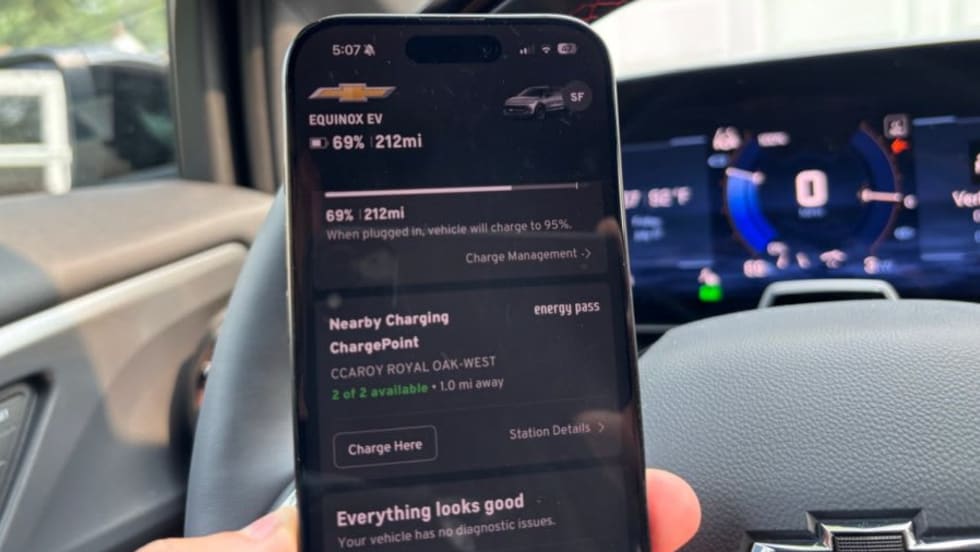
GM Adds ChargePoint Network to Energy Pass Platform
The integration gives GM EV drivers access to additional DC fast chargers and Level 2 stations through a single app while expanding the automaker's public charging ecosystem.
Read More →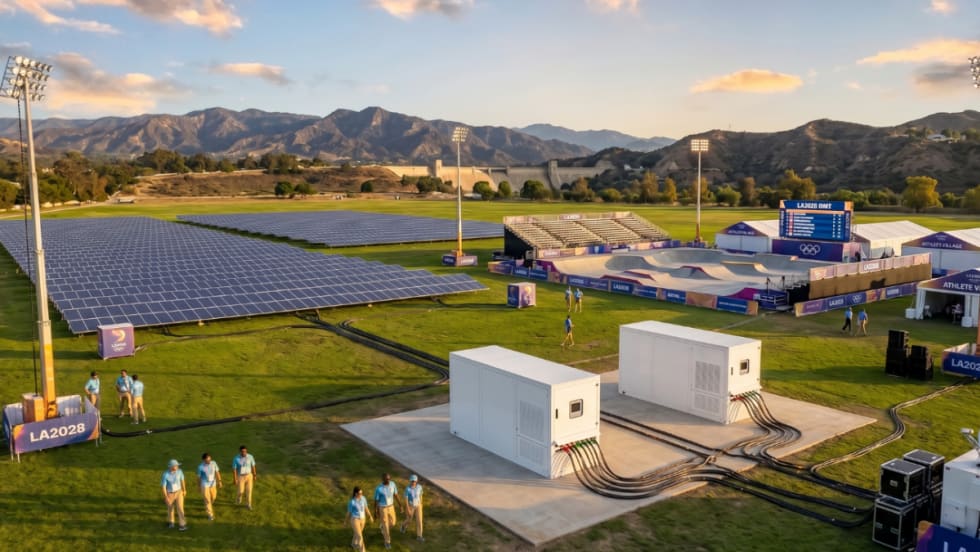
Xos White Paper Asserts LA Olympics Will Lack Enough EV Chargers
The commercial EV fleet company recommends some faster and more flexible remedies to relieve the anticipated shortfall.
Read More →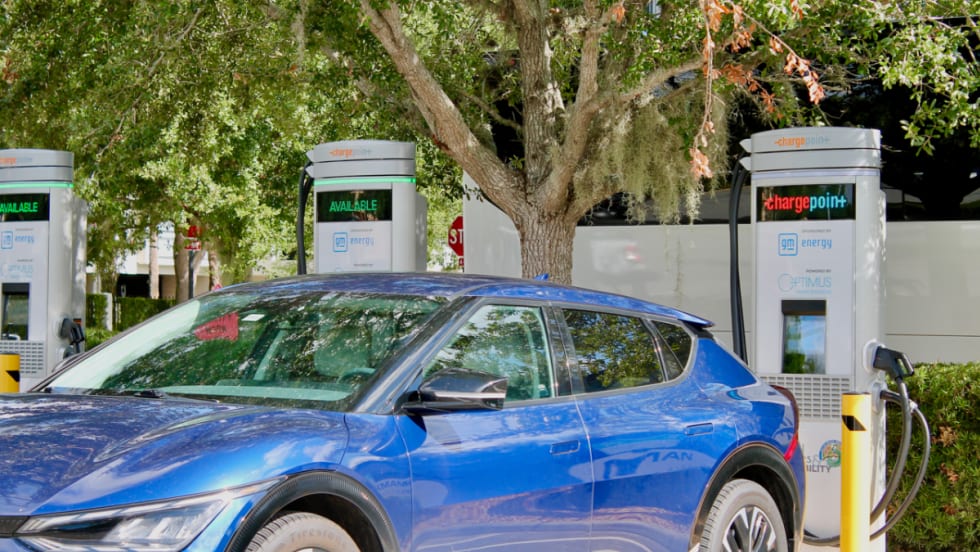
ChargePoint, Optimus Expand Fast-Charging Network Across Southeastern U.S.
ChargePoint will serve as the exclusive solutions provider, delivering hardware, software, and services to support Optimus’ growing charging network.
Read More →
Running A Profitable Electric Rental Fleet
How do you successfully operate an all-electric rental car fleet? Whether you manage a rental fleet or another commercial fleet, this conversation offers practical lessons on deploying, operating, and scaling electric vehicles.
Read More →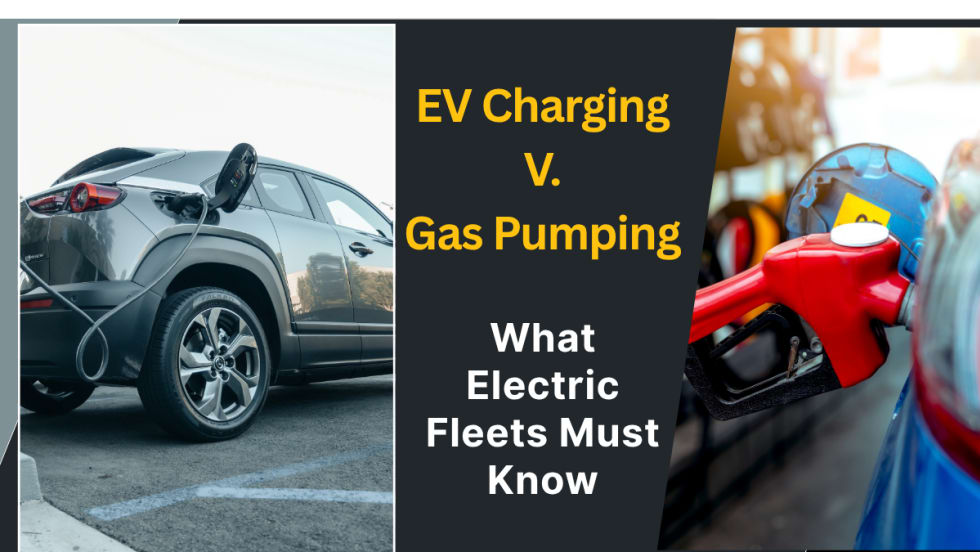
Why Charging May Never Be As Easy As Filling Up Gas
A seamless charge depends on a string of independent companies getting it right together, every time. How can electric fleets navigate the challenges to create a successful charging plan?
Read More →