


How Will Plug-and-Charge Technology Benefit Fleets?
The technology allows charging electric vehicles on public networks to be billed by simply plugging into a charger, without a card or RFID tag. But there’s a catch.

Tritium CTO James Kennedy says the technology will be “as simple as how we charge our phones, but with the added benefit of charging our bank accounts at the same time.”
Photo courtesy of Tritium
Since the advent of paying via credit, we’ve been conditioned to swipe a card or a fob at a fuel pump and enter a pin or a zip code. Easy enough.
As the electric vehicle market developed, however, charging at public stations became more complicated. Electric vehicle drivers would have to sign up for proprietary networks’ systems to access and pay for the charging session with either a card or an RFID tag, adding time to the stop and creating a potential multitude of accounts to manage.
New technology eliminates the card swipe altogether — when the driver plugs in the vehicle to charge, the user’s account is automatically billed. The system, named Plug and Charge, was developed by Australia-based Tritium, makers of fast-charge technology. Tritium currently holds 15% to 20% of the western global market for DC fast chargers.
The technology automatically and simultaneously charges both the battery and the user’s account the moment a Tritium charger connects to an electric vehicle, without the need for a card or RFID tag and regardless of the charging network operator.
“There’s no need for any interaction by the driver at all, apart from plugging in,” says James Kennedy, chief technology officer and cofounder of Tritium.
The technology uses the ISO 15118 standard, an international standard that outlines the digital communication protocol that an EV and charging station should use to recharge the EV’s battery.
The Catch
The technology has been trialed in the field with existing and emerging EVs from OEMs in Europe and is available immediately. Tritium says it’s the first to market with the offering, which is available immediately for charge point operators to deploy on Tritium’s PK350kW DC High Power Chargers.
What is required for the technology to hit critical mass, says Kennedy, is buy-in and adoption on a large scale from charge point operators.
Plug and Charge uses cryptographic certifications between the vehicle and the charger. Electric vehicles will also need a way to secure the vehicle-side “cryptographic key” which will become commonplace with emerging models.
“The vehicles will need to have the storage technology built in, in much the same way as paying for something with your smartphone requires NFC technology,” says Kennedy. “Once that becomes the norm, as NFC has, you will see the incidents of Plug and Charge payments skyrocket.”
“Every charge point operator will soon look to do this; we see it from a payments perspective as no different to using a particular bank card at a competitor’s ATM,” he says. “It’s taking the friction and hassle away from the experience and operators will benefit from this seamless experience.”
Kennedy says the Tritium Plug and Charge system is more secure than the former card swipe or RFID tag payment method. “You’re more likely to lose a card and have someone swipe it somewhere than by someone being able to access account details via our Plug and Charge technology,” he says.
For fleets especially, the technology streamlines the recharging experience and surpasses the ease of fueling gas- or diesel-powered vehicles, with the potential to streamline billing.
“It’s going to be as simple as how we charge our phones, but with the added benefit of charging our bank accounts at the same time,” Kennedy says.
Originally posted on Automotive Fleet
More Charging
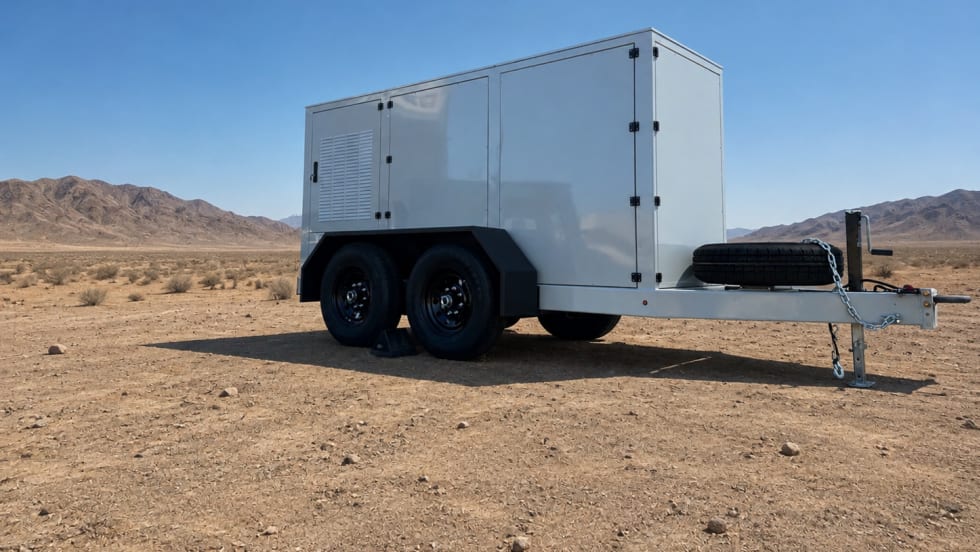
Xos Mobile Charging Hub Surpasses 1 GWh of Energy Delivered
As fleets electrify, charging capacity does not always arrive on the same timeline as the vehicles. Operating data from one Xos Hub shows how mobile, grid-independent charging can support vehicles when permanent infrastructure or utility upgrades aren't available.
Read More →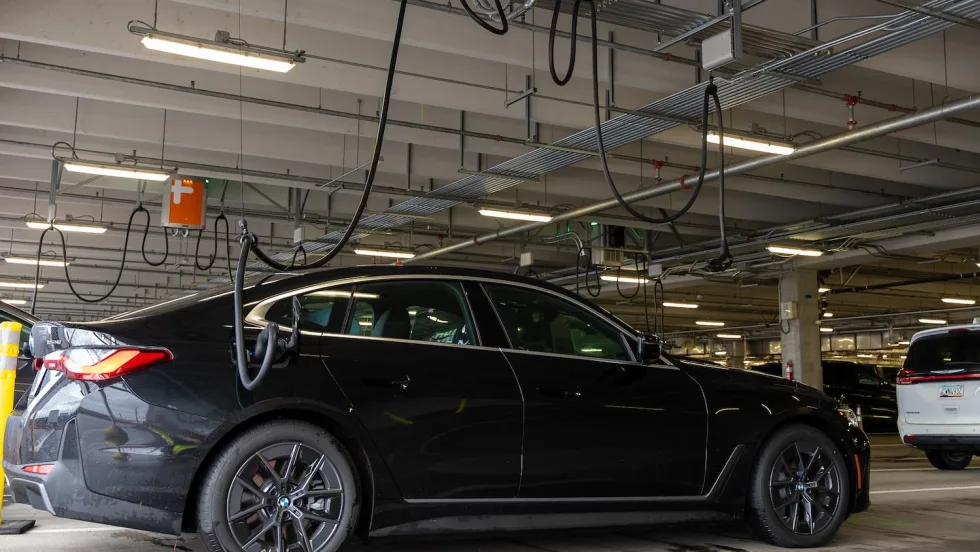
ChargePoint Adds Overhead EV Fast Charging at Portland International Airport
The installation can charge up to 20 rental vehicles simultaneously and uses overhead equipment to preserve ground-level space at the airport's Quick Turnaround Facility.
Read More →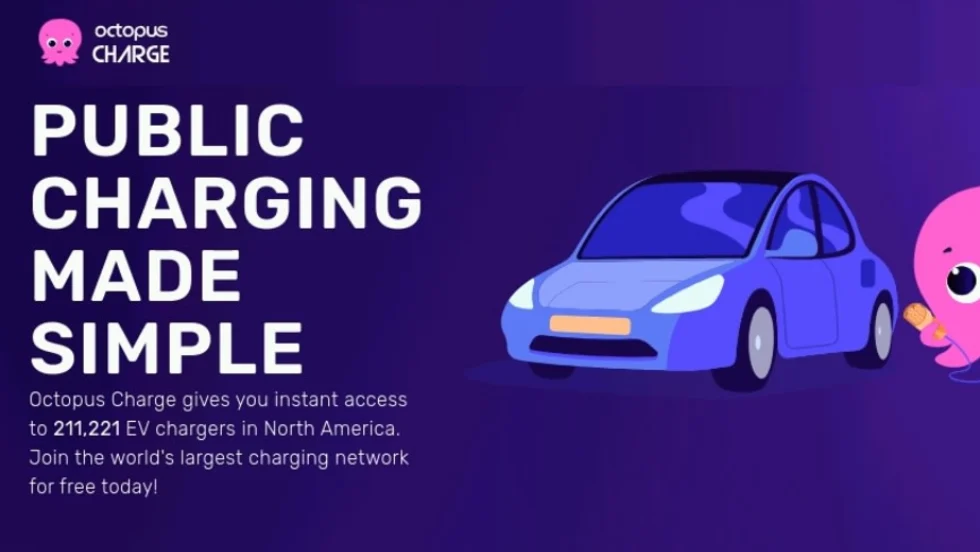
Octopus Energy Launches Public EV Charging App in U.S.
Octopus Charge allows EV drivers to locate and access public charging stations through a single app, building on the company's Electroverse platform in Europe.
Read More →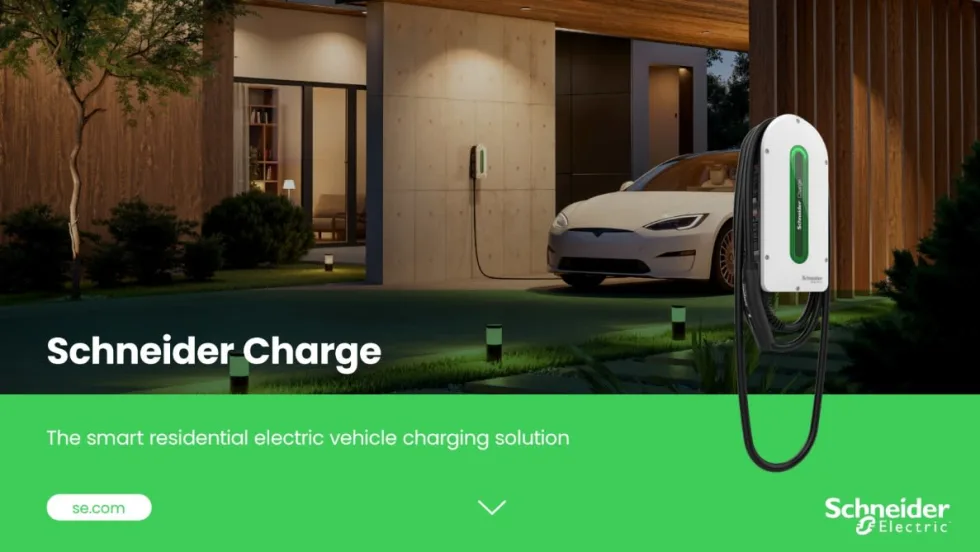
Schneider Electric Launches Level 2 Home EV Charger With Integrated Load Management
Schneider Charge uses integrated SmartAmp technology to adjust charging output based on household electrical demand and is available with NACS or J1772 connectors.
Read More →
Why EV Charging Reliability Is More Complicated Than It Looks
GridLink CEO Josh Silets explains what causes EV chargers to fail, why fleet operators often struggle to identify the source, and what questions they should ask charging vendors.
Read More →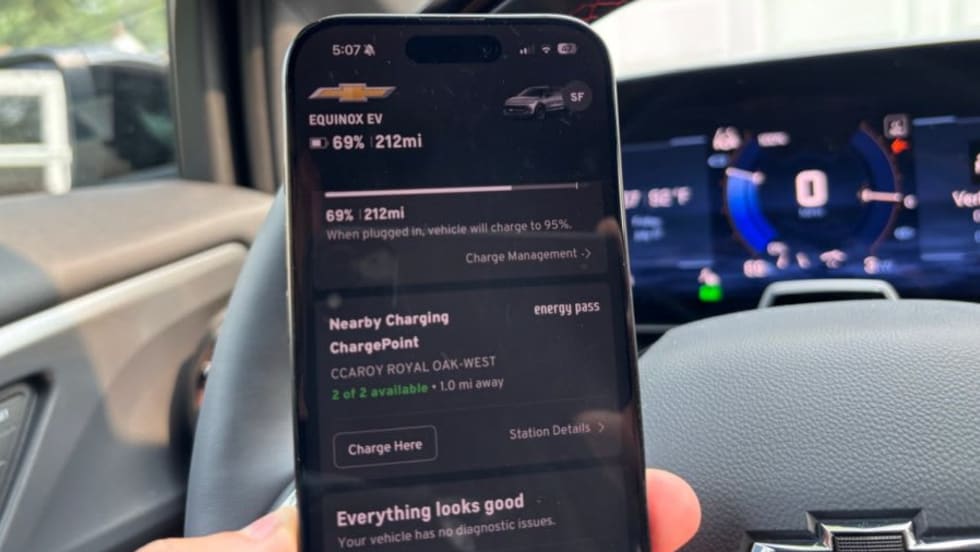
GM Adds ChargePoint Network to Energy Pass Platform
The integration gives GM EV drivers access to additional DC fast chargers and Level 2 stations through a single app while expanding the automaker's public charging ecosystem.
Read More →
Xos White Paper Asserts LA Olympics Will Lack Enough EV Chargers
The commercial EV fleet company recommends some faster and more flexible remedies to relieve the anticipated shortfall.
Read More →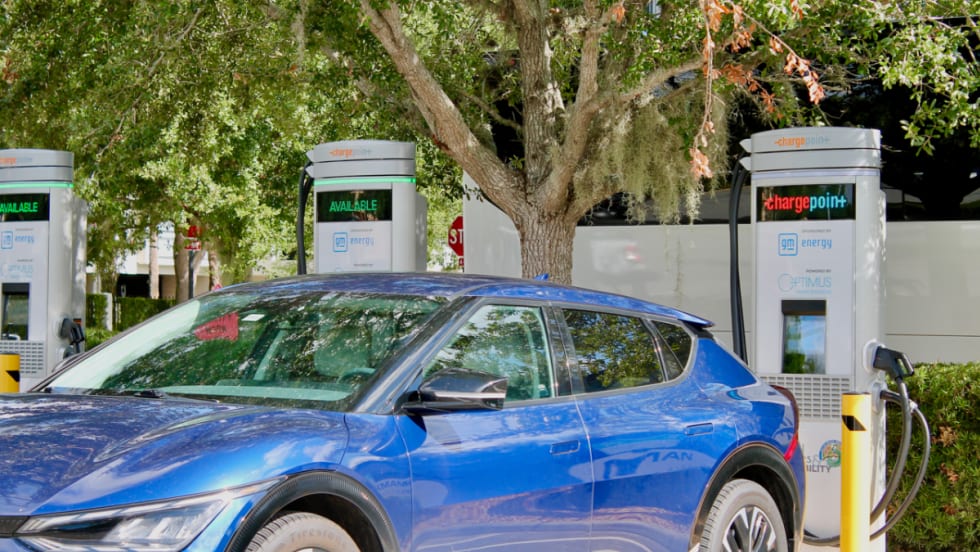
ChargePoint, Optimus Expand Fast-Charging Network Across Southeastern U.S.
ChargePoint will serve as the exclusive solutions provider, delivering hardware, software, and services to support Optimus’ growing charging network.
Read More →
Running A Profitable Electric Rental Fleet
How do you successfully operate an all-electric rental car fleet? Whether you manage a rental fleet or another commercial fleet, this conversation offers practical lessons on deploying, operating, and scaling electric vehicles.
Read More →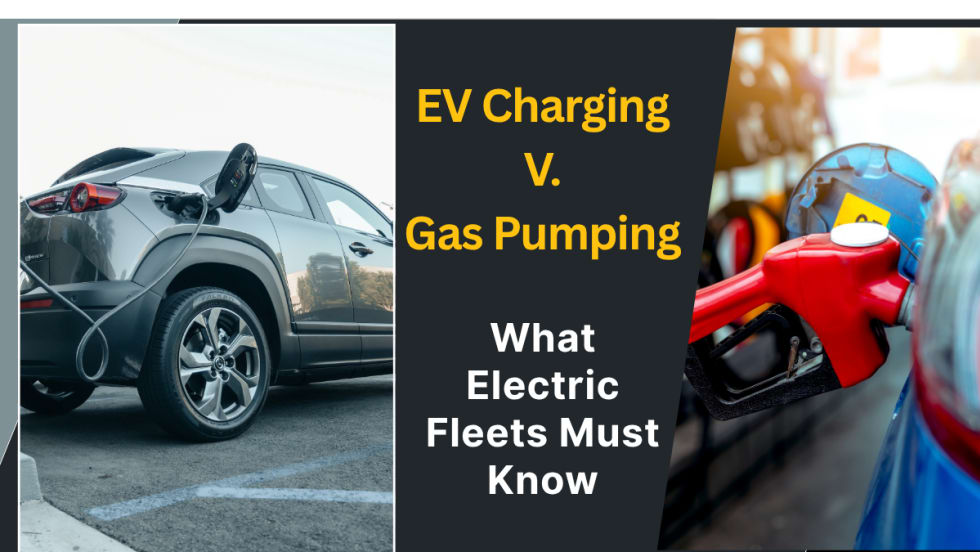
Why Charging May Never Be As Easy As Filling Up Gas
A seamless charge depends on a string of independent companies getting it right together, every time. How can electric fleets navigate the challenges to create a successful charging plan?
Read More →