



Related news: Ford Unveils F-150 Electric Pickup Truck
Ford Outlines EV, Tech and Customer Growth Strategy
The company plans to strengthen three areas of operations as it further defines its future as a global automaker.
May 26, 2021
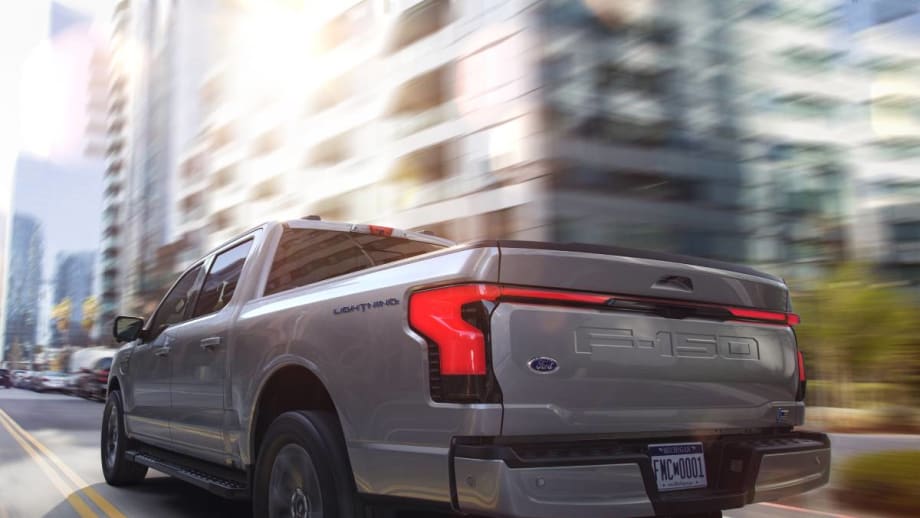
With Ford anticipating 40% of its global vehicle volume to be fully electric by 2030, it will develop and bring to market such top models as: the Mustang Mach-E, the F-150 Lightning, an all-electric version of the world’s most popular pickup truck, which has amassed 70,000 customer reservations since it was unveiled one week ago; and E-Transit commercial vans.
Photo: Ford
4 min to read
Ford promoted a growth plan May 26 to focus on three priority areas: electric vehicles, customer relationships and connected vehicle technologies.
CEO Jim Farley and other senior leaders detailed the company’s strategic plans and goals in a virtual meeting with financial analysts and other stakeholders in a morning session.
Ford will move from the transactional, build-and-sell business model that has defined the auto industry for decades and replace it with one centered on customer relationships and the products and services they need, according to a press release.
Among the key pillars of its plans:
Ford will focus on its future rollouts of electric vehicle models as it expects 40% of its global vehicle volume to be all-electric by 2030 and will raise planned electrification spending to $30+ billion by 2025, including development of IonBoost batteries.
The company is creating Ford Pro, a vehicle services and distribution business dedicated to commercial and government customers.
Ford plans to launch Blue Oval Intelligence, its next-generation, cloud-based platform for integrating electrical, power distribution, computing and software systems in connected Ford and Lincoln vehicles.
CFO John Lawler said Ford is allocating capital to those priority areas to produce value for customers and shareholders. Components of the three pillared strategy include:
Develop Electric Vehicle Models and Batteries
Accelerate investments and increase planned total spending on electrification, including battery development, to more than $30 billion by 2025, while deriving efficiencies from Ford’s flexible EV architecture and modular technologies.
With the company anticipating 40% of its global vehicle volume to be fully electric by 2030, it will develop and bring to market such top models as: the Mustang Mach-E, which has attracted new customers to Ford and drawn 70% of buyers to date; the F-150 Lightning, an all-electric version of the world’s most popular pickup truck, which has amassed 70,000 customer reservations since it was unveiled one week ago; and E-Transit commercial vans, which will be on the road later this year.
Invest in battery technology and equip Ford to design, engineer and manufacture its own batteries, with key developments including: Create Ford Ion Park, a global center of battery engineering with more than 150 experts in battery chemistries, testing, manufacturing and value-chain management who will boost battery range and lower costs to customers and Ford; vertically integrate battery technology with an extensive range of EV batteries such as IonBoost lithium ion and IonBoost Pro lithium iron phosphate for commercial vehicles, and long-range, low-cost solid-state batteries based on Ford’s own engineering and know-how from Solid Power, in which the company holds an equity stake.
Form a joint venture, BlueOvalSK, with SK Innovation to manufacture battery cells and arrays at two plants in the U.S. for future Ford and Lincoln vehicles.
Create a Business Dedicated to Commercial Customers
The company will establish Ford Pro, a global vehicle services and distribution business within Ford devoted to commercial and government customers, and led by Ted Cannis, who’s been named CEO and a corporate officer. Cannis has been head of Ford’s North America CV business and previously managed the Team Edison EV development group.
It will provide customers with greater value and higher productivity through:
A flexible range of electric and internal-combustion commercial vehicles.
Digital and physical services that can help optimize and maintain customer fleetsPublic, depot and employee home charging of EVs for the next day’s work, and bundled financing of vehicles, services and charging.
The company also plans to increase the commercial market for hardware and adjacent and new services that’s addressable by Ford with anticipated company revenue of $45 billion by 2025, up from $27 billion in 2019.
Link Customers to More Connected Services
Leading priorities include:
Have about one million vehicles capable of receiving over-the-air system updates on the road by the end of this year, exceeding Tesla’s volume by July 2022, and scaling to 33 million OTA-enabled Ford and Lincoln vehicles by 2028.
Strengthen customer relationships with digitally enabled tools like Ford Pass and Lincoln Way, online ordering, simplified financing and renewal options, vehicle pick-up and delivery, and mobile repairs.
Extend digital lifestyles by fully integrating best-in-class technology from, e.g., Apple, Amazon, Google and Baidu.
Offer speeding detection and resolution of quality issues using connected data, helping to raise customer satisfaction and lower warranty costs.
Deploy distinctive connected functions like Ford’s BlueCruise driver-assist technologies, new features and upgraded software content, and EV charging to improve the user experience – and capitalize on a projected $20 billion market for such services by 2030.
More Electric Vehicles
EV Charging Use Is Outpacing Infrastructure Growth
ChargePoint’s 2026 Charging Forward Report points to rising charger use, higher-powered charging, commercial vehicle electrification, and energy-management technology. Here’s what fleets should know.
Read More →
EV Realty Names Henrik Holland President as Charging Platform Expands
The former Prologis Mobility and Shell executive will help expand EV Realty’s truck charging business and move its power-first infrastructure model into autonomous vehicle depots and other fleet sectors.
Read More →
GreenPower Expands New Mexico EV Pilot With Larger Buses, V2G Testing
After logging more than 17,000 electric miles in the first year, New Mexico’s statewide pilot is moving into its second phase with larger vehicles, continued charging evaluations, and more.
Read More →
Can EV-as-a-Service Help Fleets Scale Electrification?
Sustainability Partners CEO Adam Cain explains how matching EVs, charging infrastructure, and duty cycles can help fleets scale electrification.
Read More →
How EV-as-a-Service Is Moving Fleets Beyond Pilots
Adam Cain, president and CEO of Sustainability Partners, explains how EV-as-a-service can help fleets scale deployments by addressing duty-cycle requirements and charging challenges.
Read More →
PowerFlex, The Mobility House Join Forces to Advance Fleet Electrification
Two EV charging providers are joining forces to deliver a broader portfolio of energy management and fleet electrification solutions.
Read More →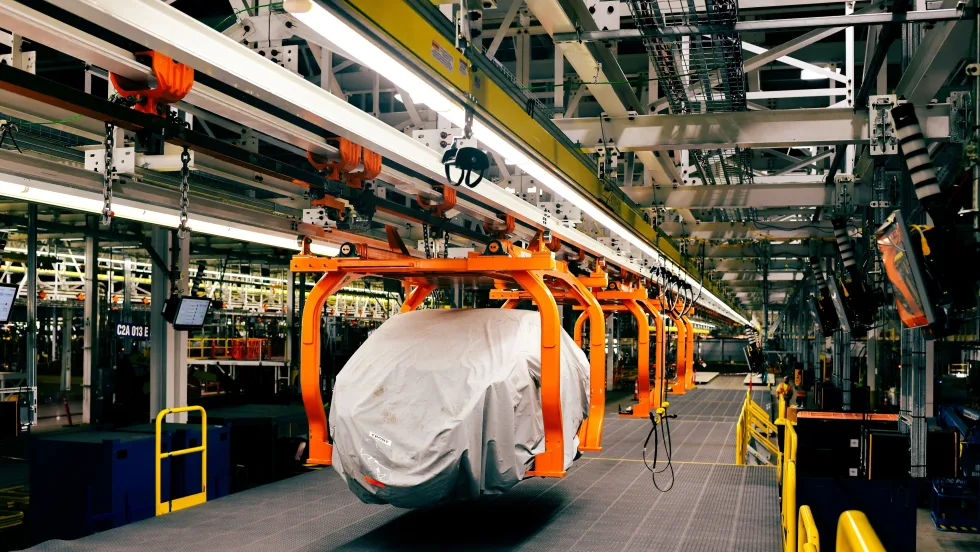
Ford Retools Louisville Plant for Fathom Electric Truck Production
Ford's $2 billion Louisville Assembly Plant overhaul introduces a three-part assembly process for the Fathom midsize electric truck, with production scheduled to begin in 2027.
Read More →
Merchants Fleet Reports 290M EV Miles as Fleets Navigate Changing Electrification Market
From millions in operating savings to hundreds of millions of EV miles, Merchants Fleet’s latest report reveals what’s working and what’s changing in fleet electrification.
Read More →
California District Commits to Electrify 25% of School Bus Fleet by 2028
One of the nation's largest school bus electrification projects to date demonstrates how grants, charging infrastructure, and public-private partnerships can help fleets transition to EVs at scale.
Read More →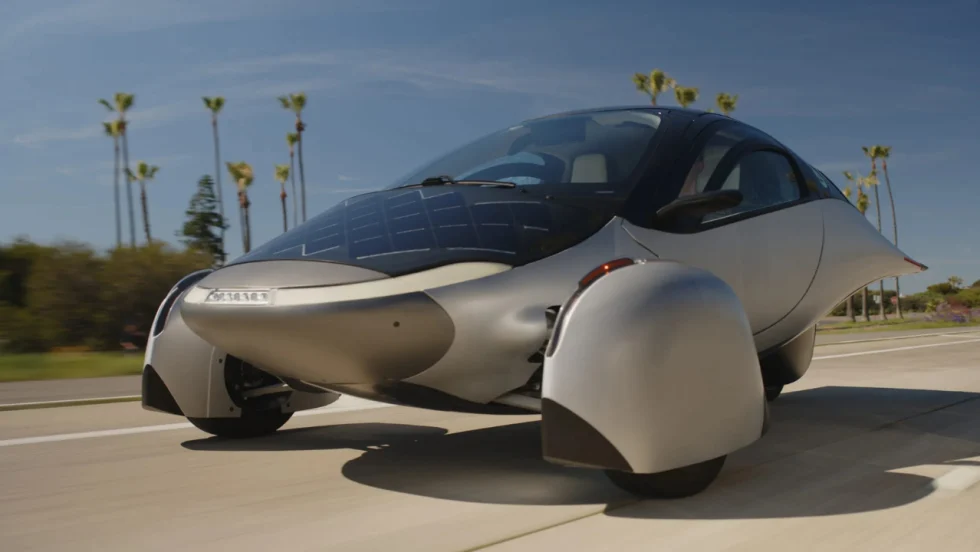
Aptera Orders Bodies and Chassis for Its First 40 Production Vehicles
Aptera Motors Corp. has issued purchase orders for the major structural components of its first 40 vehicles, and body and chassis components are expected to begin arriving in October.
Read More →