


California Governor Approves Instant ZEV Rebates For First-Time Buyers
That instant rebate is the centerpiece of a broader $600 million package Governor Newsom signed into law, keeping California active in the global clean transportation race.

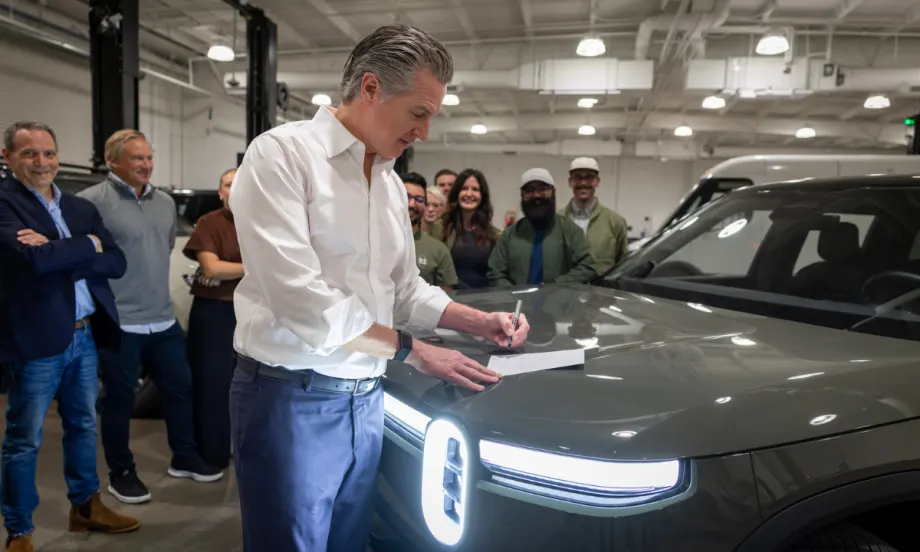
California Gov. Gavin Newsom signs SB 168, a bill that creates California’s new ZEV instant rebate program, on the hood of a Rivian electric vehicle on July 13, 2026.
State Of California
- The California government aims to increase the adoption of zero-emission vehicles, thereby supporting environmental sustainability and reducing greenhouse gas emissions.
- The rebate program is part of a larger $600 million initiative focusing on clean transportation.
*Summarized by AI
Starting later this summer, any California family buying their first electric vehicle can walk into a dealership and drive home with $3,500 already off the price.
Governor Gavin Newsom on July 13 signed SB 168, a bill that creates California’s new ZEV instant rebate program, dedicating $135.5 million to an affordable clean-car future, to be matched by an equal contribution from participating automakers. That instant rebate is the centerpiece of a broader $600 million zero-emission vehicle (ZEV) investment agenda included in the 2026-27 state budget.
"In partnership with the legislature, these investments take direct aim at the affordability gap Trump and Republicans in Congress created when they repealed the federal EV tax credit, handing China a head start in the global clean car race, and leaving American workers and families to foot the bill for Trump’s reckless Middle East conflict and Big Oil giveaways," the news release issued through Governor Gavin Newsom's Office states.
How The Rebate Program Works
For California families who have been waiting for the right moment to go electric, that moment is coming later this summer. The MyFirstEV program will deliver $3,500 off the purchase of an electric vehicle right at the dealership. California’s $135.5 million state investment matched dollar-for-dollar by participating automakers, delivering a combined $270 million in total savings to California families at the point of sale.
Here’s what buyers need to know:
- $3,500 off new electric vehicles with an MSRP up to $50,000
- $1,750 off used electric vehicles sold for up to $25,000
- The rebate is open to any Californian buying their first ZEV
This investment is funded through the 2026-2027 state budget, delivering a balanced budget with no deficit, this year and next, that is structurally sound, all while preserving historic reserves and continuing investments that make California more affordable, competitive, and prepared for the future.
The bigger picture: $600 million for California’s clean transportation economy
The MyFirstEV instant rebate is part of a $600 million investment in California’s affordable, clean-vehicle future. Funded through Cap-and-Invest revenue and smog-abatement fees, today’s full package includes:
- $150 million for the Community Air Protection Program, which can support clean transportation projects
- $19.8 million for Californians with lower incomes through Clean Cars 4 All
- $35 million for clean off-road equipment through the Air Quality Improvement Program
- $135.5 million for California’s Clean Truck and Bus Voucher Incentive Project (HVIP)
- $130 million to replace polluting heavy-duty engines through the Carl Moyer Program
California Doubles Down On Clean Transportation Investments
Despite Donald Trump’s efforts to cede the clean vehicle economy to China, California is ensuring that American workers and manufacturers can compete and win in the industries that will define this century.
In January, the state surpassed 2.5 million cumulative zero-emission vehicle sales, far exceeding its original goal of 1.5 million ZEVs by 2025. Last September, San Bernardino County made history by welcoming the first hydrogen-powered passenger train into revenue service in North America. In May, Governor Newsom launched a $1 billion rebate program for electric medium- and heavy-duty trucks, and in April 2025, announced $500 million for 1,000 clean school buses statewide. Demand for zero-emission bus and truck incentives has more than doubled year over year.
The Golden State’s commitment extends beyond consumer incentives. In the latest Clean Transportation Program Investment Plan Update, the CEC allocated $98.5 million in light-duty zero-emission vehicle (ZEV) infrastructure funding for fiscal year 2025-2026 to focus on Level 1 and Level 2 charging in locations with longer vehicle dwell times, including at-home charging with a specific focus on multifamily residences.
Governor Newsom’s electrification infrastructure agenda has driven historic investments in transportation that will benefit all Californians for decades to come. More than 29,000 California infrastructure projects are tracked at build.ca.gov.
A High Standard For American EV infrastructure
California is tearing down barriers to ZEV deployment, accelerating EV charging station installations, and deploying infrastructure in hard-to-reach and low-income areas.
California is one of the top states for EV buyers and drivers. There are now over 200,000 public and shared EV charging plugs statewide. EV chargers can be found at grocery stores, park-and-ride lots, and even gas stations, whereas shared EV chargers are typically located at apartment complexes, workplaces, doctors’ offices, sports facilities, and other parking areas with some level of restricted access. This statewide network of public and shared private chargers is in addition to the estimated 800,000 EV chargers installed in California homes.
More Electric Vehicles

Who You Gonna Call? Rivian Turns Electric Vehicles Into Ghostbusters Rides
Rivian teams up with Sony Pictures for a Ghostbusters-inspired Halloween software update, complete with custom sounds, lighting effects, and a special Ecto-R1.
Read More →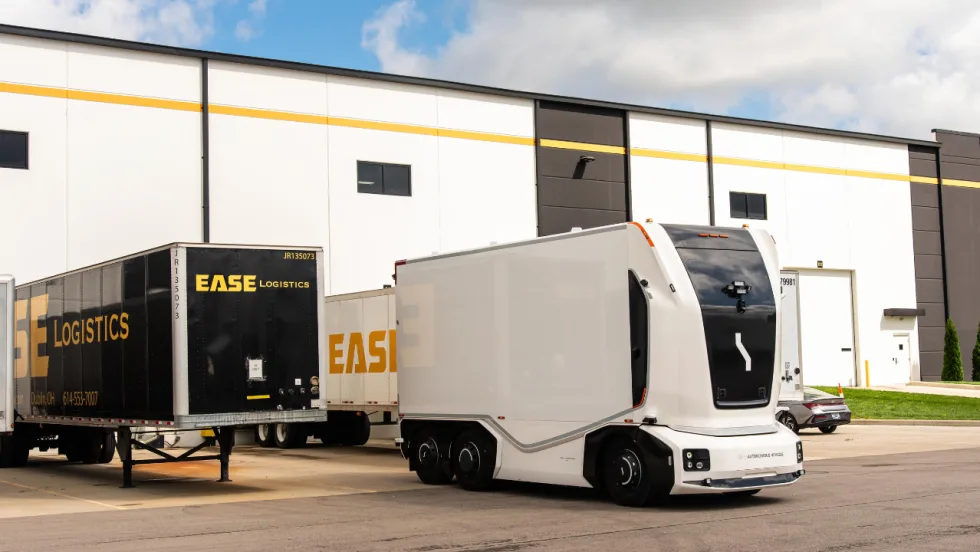
Einride Electric Driverless Trucks Begin Daily Freight Operations in Ohio
Two cabless electric trucks are now moving freight between EASE Logistics facilities, putting autonomous EV technology into daily commercial operations.
Read More →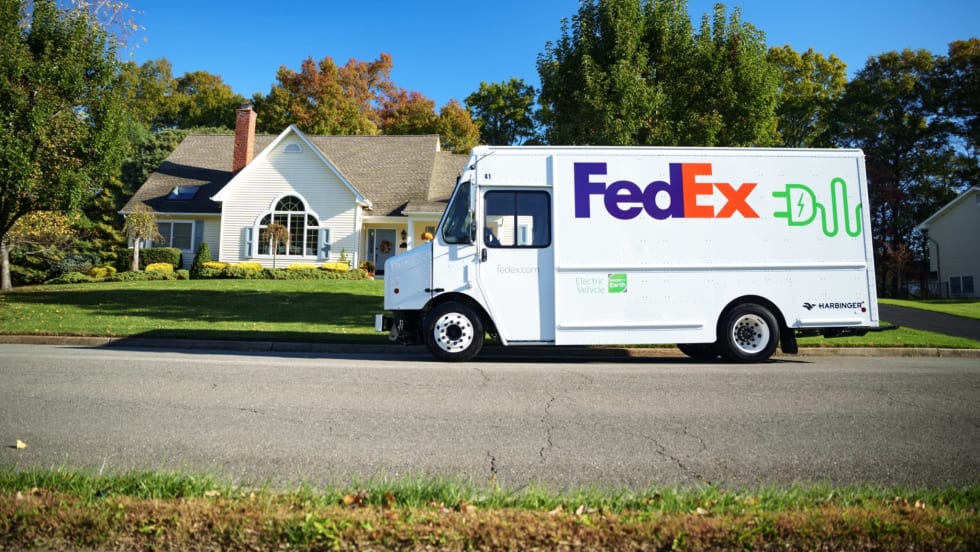
FedEx Orders 2,000 Harbinger Electric Trucks in $300 Million Deal
The Class 5 and 6 electric trucks are planned for delivery by the end of 2027 and will be deployed in FedEx pickup and delivery operations across the U.S. and Canada.
Read More →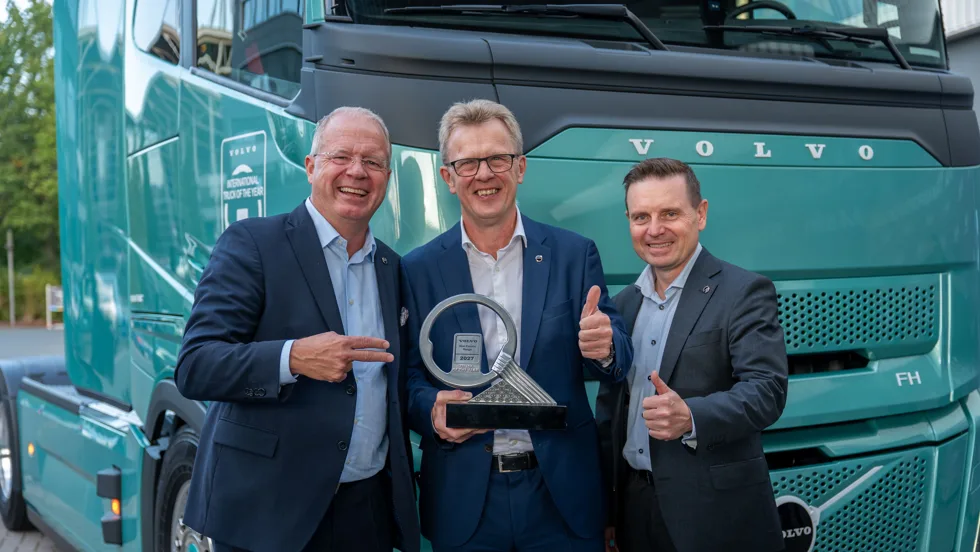
Volvo Trucks’ Electric Range Named International Truck of the Year 2027
The award recognizes Volvo’s global heavy-duty electric lineup, while more than 750 VNR Electric trucks have accumulated nearly 37 million miles in U.S. and Canadian fleet operations.
Read More →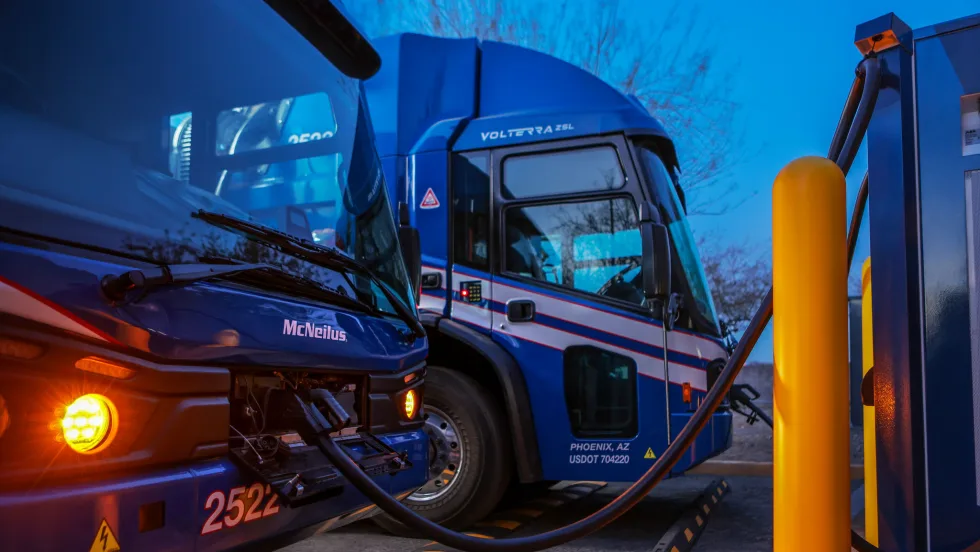
How Republic Services Decides Where Its Next Electric Trucks Can Go
With 250 electric collection trucks now in service, Republic Services is learning that scaling electrification depends less on proving the vehicle and more on whether each site can support what comes next.
Read More →
EV Charging Use Is Outpacing Infrastructure Growth
ChargePoint’s 2026 Charging Forward Report points to rising charger use, higher-powered charging, commercial vehicle electrification, and energy-management technology. Here’s what fleets should know.
Read More →
EV Realty Names Henrik Holland President as Charging Platform Expands
The former Prologis Mobility and Shell executive will help expand EV Realty’s truck charging business and move its power-first infrastructure model into autonomous vehicle depots and other fleet sectors.
Read More →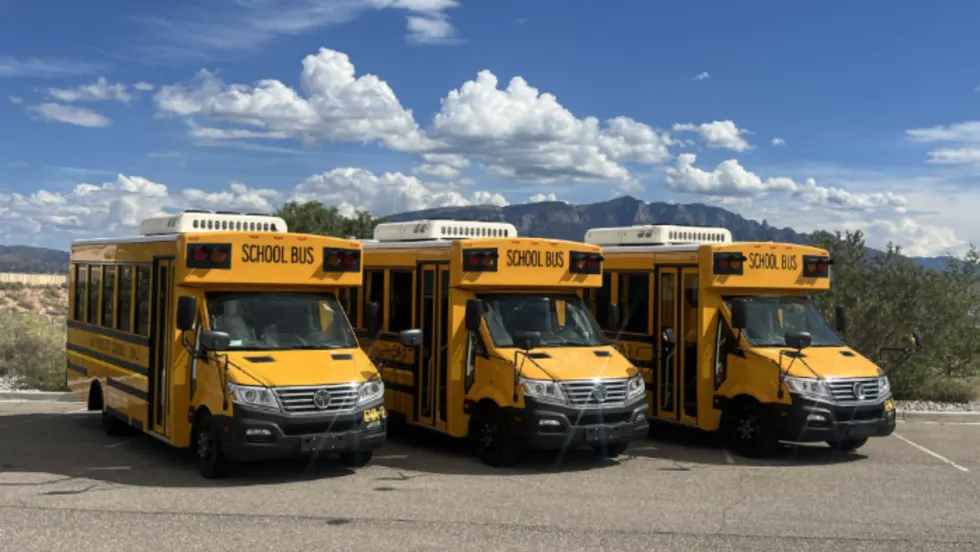
GreenPower Expands New Mexico EV Pilot With Larger Buses, V2G Testing
After logging more than 17,000 electric miles in the first year, New Mexico’s statewide pilot is moving into its second phase with larger vehicles, continued charging evaluations, and more.
Read More →
Can EV-as-a-Service Help Fleets Scale Electrification?
Sustainability Partners CEO Adam Cain explains how matching EVs, charging infrastructure, and duty cycles can help fleets scale electrification.
Read More →
How EV-as-a-Service Is Moving Fleets Beyond Pilots
Adam Cain, president and CEO of Sustainability Partners, explains how EV-as-a-service can help fleets scale deployments by addressing duty-cycle requirements and charging challenges.
Read More →