


Related: Electroeconomics: The Macroeconomics of Electric Trucks
evLABs Focuses on Truck Electrification
The company specializes in repowers, in which an electric powertrain replaces the existing drivetrain in a vehicle.

Roselynne Reyes・Senior Editor
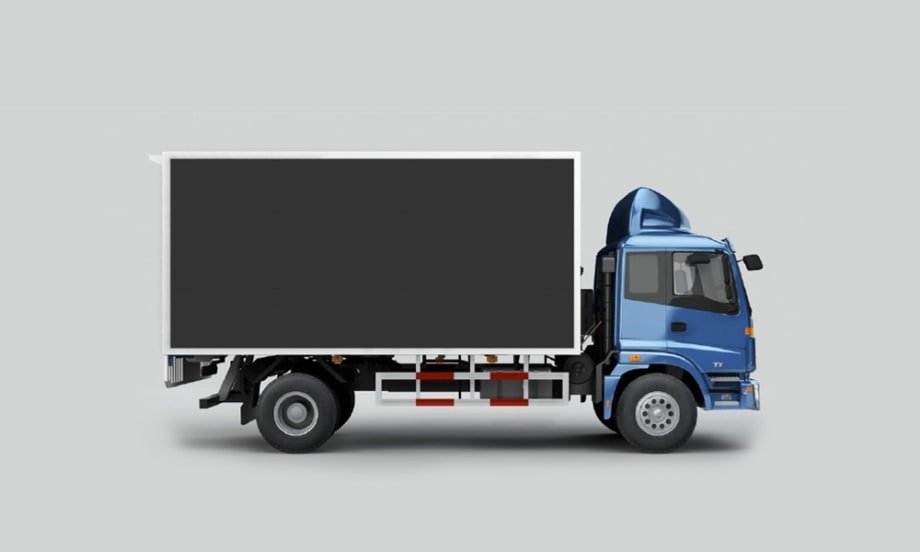
Alkane and evLABs are collaborating on a Class 6 delivery truck that offers 26,000 pounds GVWR and 100 miles of range @ 65 mph.
Image courtesy of evLabs
3 min to read
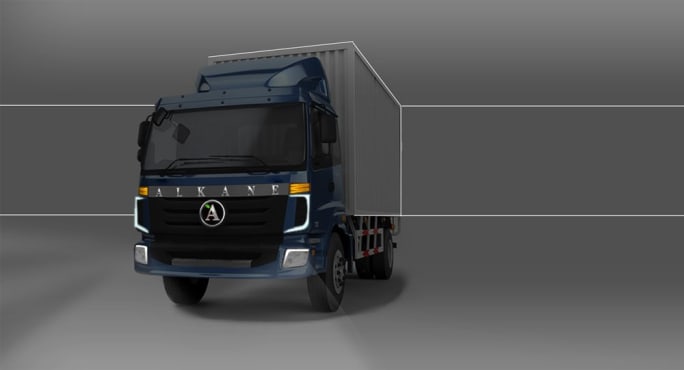
evLABs is working with Alkane Truck Company to develop a battery-electric Class 6 low cab forward truck.
Image courtesy of evLabs
The conversation around electric trucks continues, with more and more companies entering the market. But what do you do if you’re happy with your work truck, and not ready to change all of your specs?
One option is repowering your truck, or replacing your gas or diesel powertrain with an electric powertrain.
evLABs offers electric powertrains for trucks and vans ranging from 14,500-33,000 pounds GVWR. Frank Ziegler, director of sales and marketing, explained that the company has the ability to work directly with truck OEMs at the factory level to install its powertrain.
On top of that, converting an existing vehicle to run on electricity is more affordable than buying an all-new electric vehicle. These conversions may also be eligible for grant funding.
“With our conversion/repower option, it is a fraction of the cost to purchase a new electric vehicle,” Ziegler explained. “In some cases, we could be 50% lower than the cost of a new electric vehicle.”
Converting your existing vehicle to electric can offer a lower upfront cost than purchasing a new vehicle. But it can also bring benefits in the long run, as it means using the same parts and equipment you may already have in stock, as opposed to learning how to maintain a whole new vehicle.
“We keep the vast majority of the OEM parts intact and replace the engine and fuel system with our electric powertrain,” Ziegler said. “Leaving the OEM parts intact allows the customer to service the vehicle easily. Unlike other powertrain providers, they have proprietary parts that take time and effort to stock and there is a learning curve to serving.”
This simplifies the adjustment process when maintaining your truck, but it can also make driver training easier because, from an operator perspective, the driving experience should be mostly the same, as opposed to adopting an all-new type of truck from a new OEM.
“The drivability is the same because of the parts that are left in the vehicle. Electric trucks that are offered from the factory have a learning curve to maneuver and you need to adjust your driving habits,” Ziegler said.
evLABs offers a variety of battery pack configurations to match a fleet’s duty cycle. Range needs may depend on how the vehicle is used — a service truck that stays on a job site may not need to travel as far on a charge as a delivery van.
Adapting to the Electric Truck Future
For fleets interested in a new electric truck, a factory truck with evLABs’ electric powertrain may be an option in the future. The company has partnered with Alkane Truck Company to develop a battery-electric Class 6 cabover featuring a 26,000-pound GVWR.
According to Ziegler, the company plans to demo this truck to fleets once this project is completed, and display the truck at the ACT Expo in Long Beach, Calif., next spring.
Originally posted on Work Truck Online
More Electric Vehicles
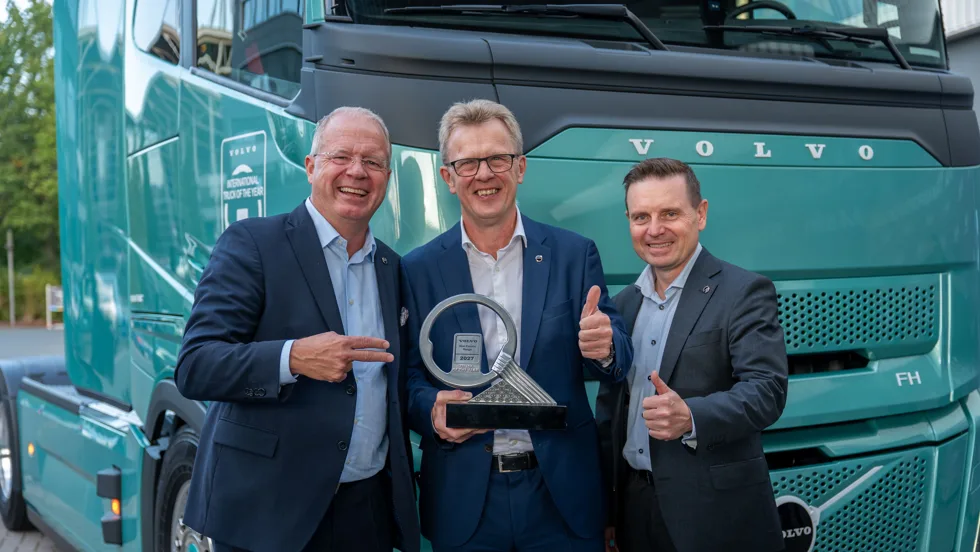
Volvo Trucks’ Electric Range Named International Truck of the Year 2027
The award recognizes Volvo’s global heavy-duty electric lineup, while more than 750 VNR Electric trucks have accumulated nearly 37 million miles in U.S. and Canadian fleet operations.
Read More →
How Republic Services Decides Where Its Next Electric Trucks Can Go
With 250 electric collection trucks now in service, Republic Services is learning that scaling electrification depends less on proving the vehicle and more on whether each site can support what comes next.
Read More →
EV Charging Use Is Outpacing Infrastructure Growth
ChargePoint’s 2026 Charging Forward Report points to rising charger use, higher-powered charging, commercial vehicle electrification, and energy-management technology. Here’s what fleets should know.
Read More →
EV Realty Names Henrik Holland President as Charging Platform Expands
The former Prologis Mobility and Shell executive will help expand EV Realty’s truck charging business and move its power-first infrastructure model into autonomous vehicle depots and other fleet sectors.
Read More →
GreenPower Expands New Mexico EV Pilot With Larger Buses, V2G Testing
After logging more than 17,000 electric miles in the first year, New Mexico’s statewide pilot is moving into its second phase with larger vehicles, continued charging evaluations, and more.
Read More →
Can EV-as-a-Service Help Fleets Scale Electrification?
Sustainability Partners CEO Adam Cain explains how matching EVs, charging infrastructure, and duty cycles can help fleets scale electrification.
Read More →
How EV-as-a-Service Is Moving Fleets Beyond Pilots
Adam Cain, president and CEO of Sustainability Partners, explains how EV-as-a-service can help fleets scale deployments by addressing duty-cycle requirements and charging challenges.
Read More →
PowerFlex, The Mobility House Join Forces to Advance Fleet Electrification
Two EV charging providers are joining forces to deliver a broader portfolio of energy management and fleet electrification solutions.
Read More →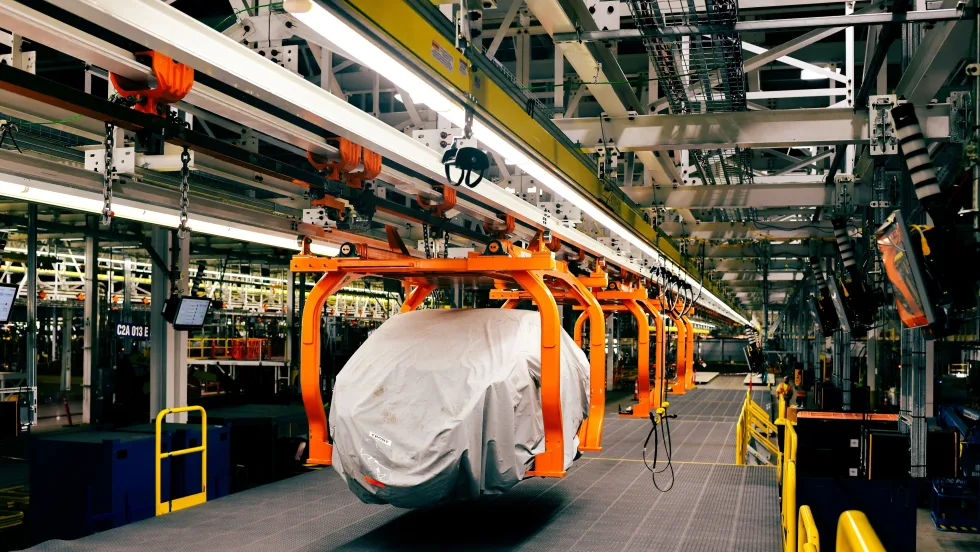
Ford Retools Louisville Plant for Fathom Electric Truck Production
Ford's $2 billion Louisville Assembly Plant overhaul introduces a three-part assembly process for the Fathom midsize electric truck, with production scheduled to begin in 2027.
Read More →
Merchants Fleet Reports 290M EV Miles as Fleets Navigate Changing Electrification Market
From millions in operating savings to hundreds of millions of EV miles, Merchants Fleet’s latest report reveals what’s working and what’s changing in fleet electrification.
Read More →