


Electrify America Launches Home Chargers
Electrify America is offering Level 2 electric vehicle home chargers for $499 for its customers, which can be purchased on Amazon.


The EV charger is compatible with all electric vehicles available in the North American market today. It features a charging power of up to 7.6kW.
Photo courtesy of Electrify America.
Electrify America is offering Level 2 electric vehicle home chargers for $499 for its customers, which can be purchased on Amazon.
The Electrify America Electric Vehicle Home Charger is also accessible through its website, according to the company. The EV charger is compatible with all electric vehicles available in the North American market today. It features a charging power of up to 7.6kW.
The company plans to add a new home charging section within its mobile app, enabling users to manage their public and home charging sessions in one place. In addition to tracking in-session charging, accessing a session summary and reviewing charge history, users who register the unit through the app will be able to monitor the charger’s status and track overall charging data.
The release of the charger also hinged partial on the idea that many of today’s EV drivers do more than 80% of their charging at home, according to the company.
Additional features of the Electrify America home charger include: flexible installation options; WiFi connectivity; a three-year warranty, and more.
Originally posted on Automotive Fleet
More Charging
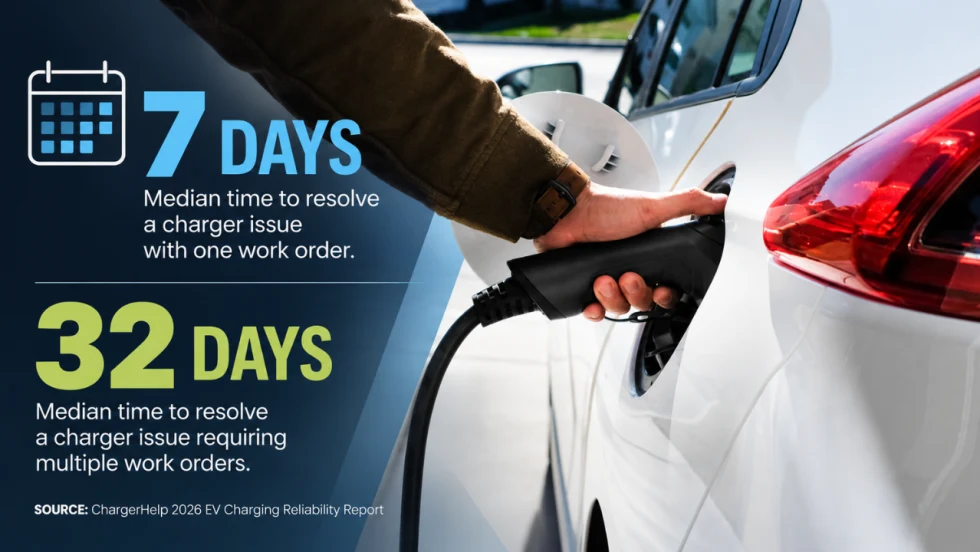
What Happens When an EV Charger Goes Down at Your Fleet Depot?
A failed EV charger can disrupt routes, delay vehicles, and create unexpected costs. Here's how fleets can troubleshoot problems, arrange backup charging, and minimize downtime.
Read More →
California Opens $28 Million in EV Fast-Charging Incentives
The Fast Charge California Project offers up to $100,000 per charging port for eligible, ready-to-build public charging projects, with applications open through Jan. 14, 2027.
Read More →
Honda Develops In-Motion Wireless EV Charging Technology for Commercial Vehicles
Honda, Taisei and Taisei Rotec are developing a road-embedded wireless charging system capable of transferring up to 150 kW, with public-road testing planned in Japan beginning in fiscal 2027.
Read More →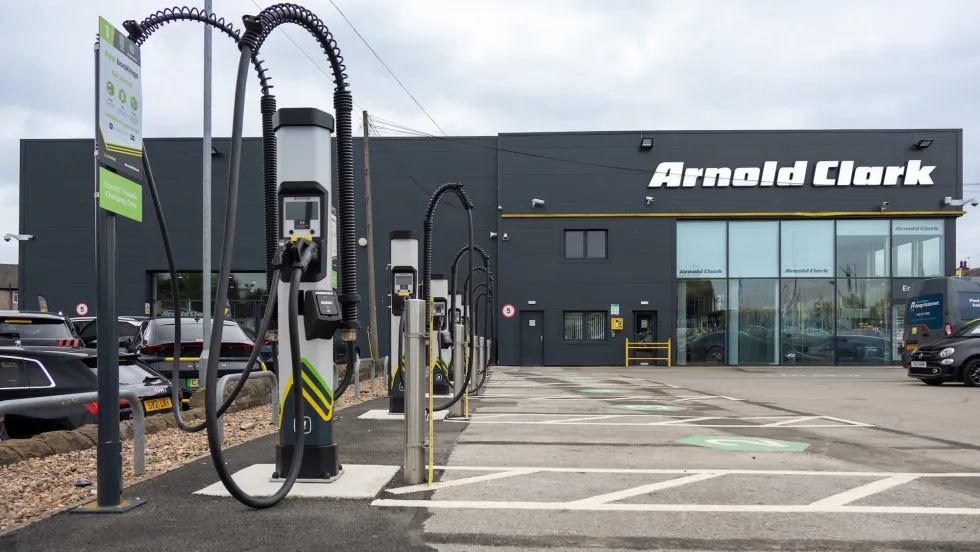
Arnold Clark Charge Opens Six Ultra-Rapid EV Chargers in Huddersfield
The new public charging site brings the Arnold Clark Charge network to 63 locations across the U.K., with charging priced at 55 pence per kWh.
Read More →
ChargerHelp Report Finds EV Charger Recovery Delays Can Stretch Beyond a Month
An analysis of approximately 500 million data points found charging issues requiring multiple work orders took a median of 32 days to resolve, highlighting the operational impact of diagnostics and repair coordination.
Read More →
Xos Mobile Charging Hub Surpasses 1 GWh of Energy Delivered
As fleets electrify, charging capacity does not always arrive on the same timeline as the vehicles. Operating data from one Xos Hub shows how mobile, grid-independent charging can support vehicles when permanent infrastructure or utility upgrades aren't available.
Read More →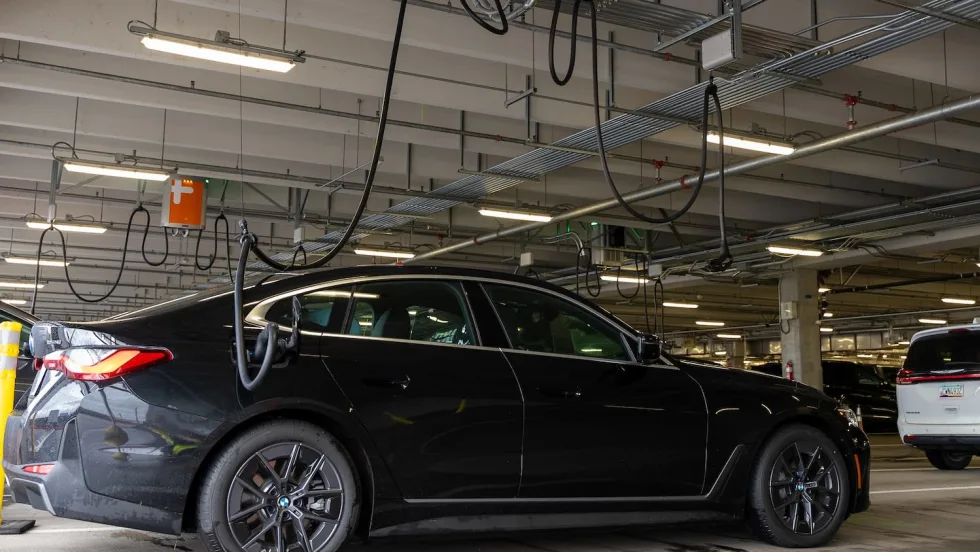
ChargePoint Adds Overhead EV Fast Charging at Portland International Airport
The installation can charge up to 20 rental vehicles simultaneously and uses overhead equipment to preserve ground-level space at the airport's Quick Turnaround Facility.
Read More →
Octopus Energy Launches Public EV Charging App in U.S.
Octopus Charge allows EV drivers to locate and access public charging stations through a single app, building on the company's Electroverse platform in Europe.
Read More →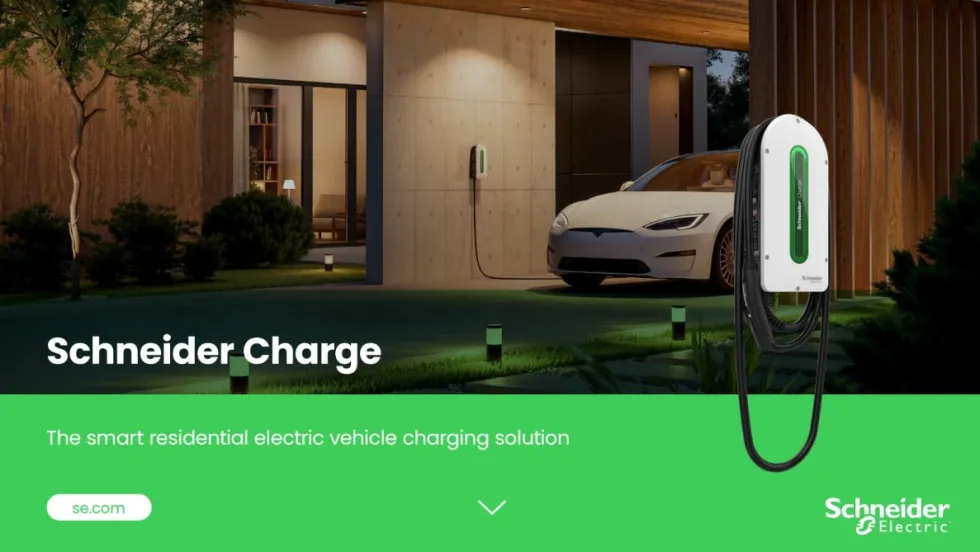
Schneider Electric Launches Level 2 Home EV Charger With Integrated Load Management
Schneider Charge uses integrated SmartAmp technology to adjust charging output based on household electrical demand and is available with NACS or J1772 connectors.
Read More →
Why EV Charging Reliability Is More Complicated Than It Looks
GridLink CEO Josh Silets explains what causes EV chargers to fail, why fleet operators often struggle to identify the source, and what questions they should ask charging vendors.
Read More →