



Did You Miss This News? Fleetcor Rebrands to Corpay
Comdata Partnership with Hubject Provides EV Charging, Payment Capabilities
Comdata’s integration with Hubject enables fleets to access and pay on thousands of EV chargers across the United States and Canada.
June 18, 2024
Comdata's partnership with Hubject provides a streamlined authentication method via the Hubject Plug&Charge ecosystem – giving fleets a hassle-free alternative to the traditional app-based or credit card terminal methods of starting a charging session.
Photo: Comdata/Hubject/Automotive Fleet
2 min to read
Comdata, a Corpay brand, is joining forces with Hubject, a provider of eMobility solutions. The strategic partnership will provide roaming and Plug&Charge capabilities to Comdata’s commercial fleet customers with electric vehicles (EVs) in North America.
Expanding EV Charging Capabilities and Providing Secure Payments
Comdata’s integration with Hubject enables fleets to access and pay on thousands of EV chargers across the United States and Canada.
It also provides a streamlined authentication method via the Hubject Plug&Charge ecosystem – giving fleets a hassle-free alternative to the traditional app-based or credit card terminal methods of starting a charging session.
Effectively, this allows fleet drivers to simply plug in at a charging station, and the charging session will start without the need for RFID, or managing multiple third-party apps, a spokesperson told Automotive Fleet. For fleet operators, this allows for reconciliation of charging sessions across multiple networks without driver involvement.
By adhering to the ISO 15118-2 standard, the Hubject Plug&Charge solution delivers a secure approach to EV charging, following strict cybersecurity requirements while
maintaining ease in charging experience.
The adoption of vehicle-based authentication for EV charging, like Plug&Charge, offers fleets an extra layer of fraud prevention and security when paying for public charging.
"We are excited to be partnering with Comdata as they continue to innovate and support the smooth transition to electric for their partners,” Hubject North America CEO Trishan Peruma said. "Together, we will be harnessing technologies such as Plug&Charge for fleet drivers, reducing complexity, and making EV charging seamless, secure, and interoperable.”

Members of Comdata and Hubject's teams gathered at the 2024 ACT Expo.
Photo: Comdata
How to Access the New Feature
Beginning this summer, Comdata customers will have access to a BETA version of the EV driving app.
Initially, drivers will have access to real-time charger location, availability, and session pricing via the app for in network stations. As more locations are integrated, drivers will gain the ability to start and pay for charging sessions via the app and with Plug&Charge for vehicles equipped with this feature.
Corpay and Hubject have partnered on roaming in Europe since 2022. The expansion brings roaming and Plug&Charge to Comdata’s North American drivers.
“Fleets on the electrification journey know EV charging is a rapidly evolving space,” said John Donahue, VP EV Product & GTM Strategy, Corpay. “As the market gets more complex, our goal is to simplify the public charging experience as much as possible for drivers. Our partnership with Hubject will enable us to provide innovative EV charging payment methods with added functionalities. We’re excited to help fleets usher in an EV future!"
Future use cases will provide the opportunity for bi-directional energy management and home charging applications for fleets, the spokesperson told AF.
Originally posted on Automotive Fleet
More Charging
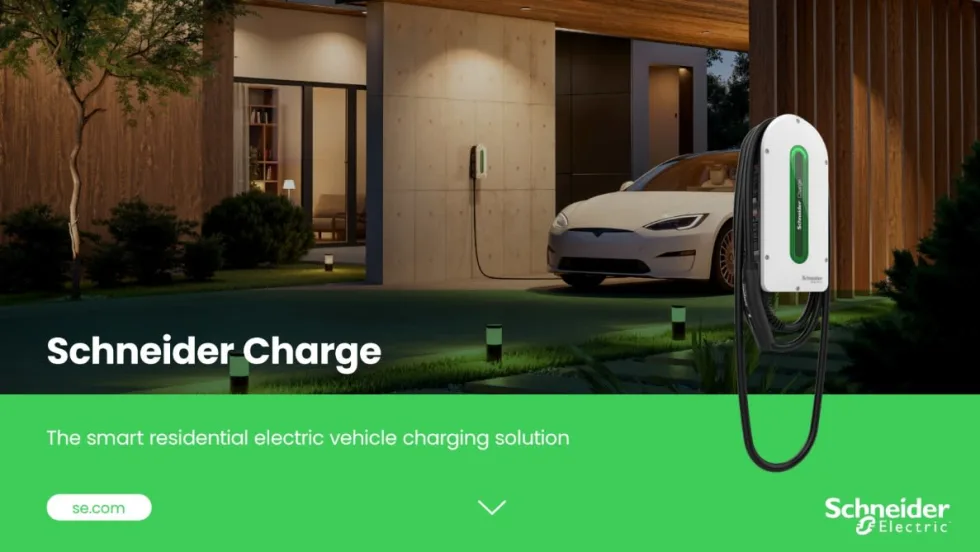
Schneider Electric Launches Level 2 Home EV Charger With Integrated Load Management
Schneider Charge uses integrated SmartAmp technology to adjust charging output based on household electrical demand and is available with NACS or J1772 connectors.
Read More →
Why EV Charging Reliability Is More Complicated Than It Looks
GridLink CEO Josh Silets explains what causes EV chargers to fail, why fleet operators often struggle to identify the source, and what questions they should ask charging vendors.
Read More →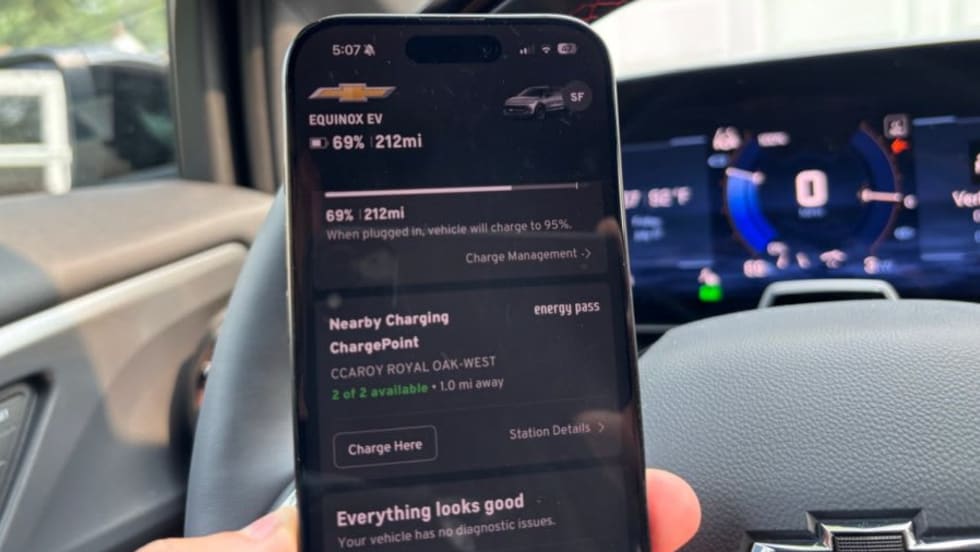
GM Adds ChargePoint Network to Energy Pass Platform
The integration gives GM EV drivers access to additional DC fast chargers and Level 2 stations through a single app while expanding the automaker's public charging ecosystem.
Read More →
Xos White Paper Asserts LA Olympics Will Lack Enough EV Chargers
The commercial EV fleet company recommends some faster and more flexible remedies to relieve the anticipated shortfall.
Read More →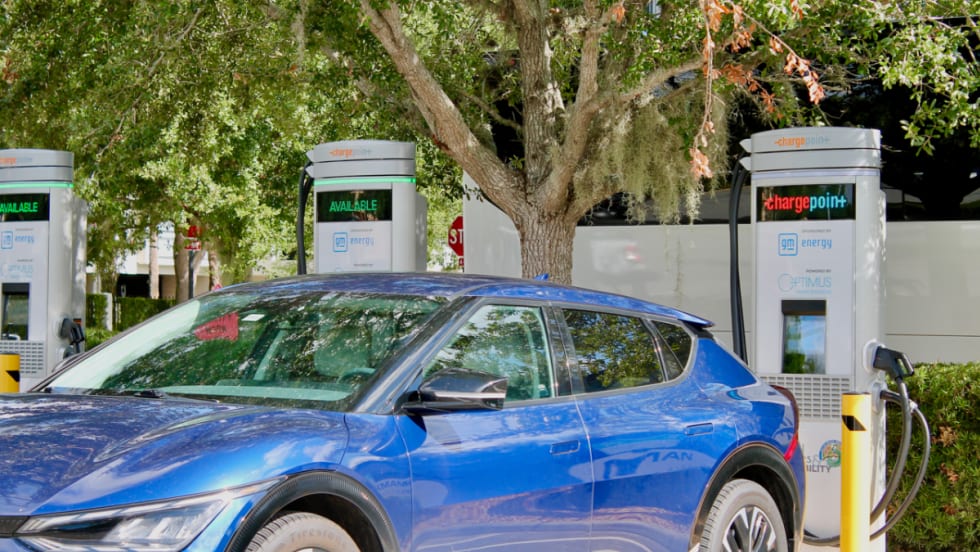
ChargePoint, Optimus Expand Fast-Charging Network Across Southeastern U.S.
ChargePoint will serve as the exclusive solutions provider, delivering hardware, software, and services to support Optimus’ growing charging network.
Read More →
Running A Profitable Electric Rental Fleet
How do you successfully operate an all-electric rental car fleet? Whether you manage a rental fleet or another commercial fleet, this conversation offers practical lessons on deploying, operating, and scaling electric vehicles.
Read More →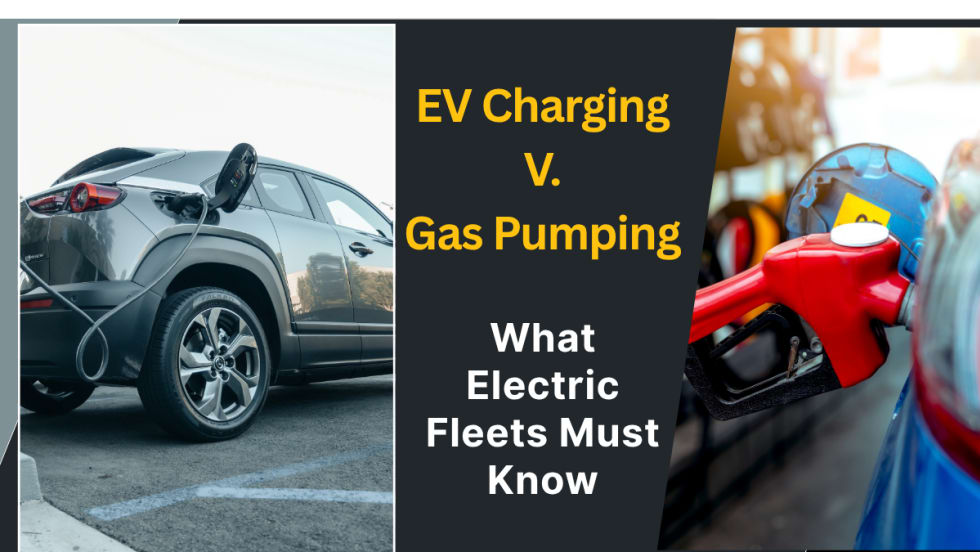
Why Charging May Never Be As Easy As Filling Up Gas
A seamless charge depends on a string of independent companies getting it right together, every time. How can electric fleets navigate the challenges to create a successful charging plan?
Read More →
Electrify America Opens EV Fast Charging Station in Southern California
The large-format depot features 20 hyper-fast chargers capable of delivering 350 kilowatts and is backed by a powerful battery energy storage system.
Read More →
Charging Gaps That Impede Electric Fleets
Find out why charger breakdowns can be so misleading, costing fleets time, money, and usage.
Read More →
Inspiration Mobility Acquires Key Electrada Assets
Inspiration Mobility Group has acquired select assets of Electrada, adding the fleet electrification provider's team, technology, and charging infrastructure development capabilities to its energy management business.
Read More →