


EV Incentives Outlook by State
While federal incentives for electric vehicles are set to sunset on September 30, states such as California, Massachusetts, Oregon, New Jersey, and New York have announced new programs for fleets and new funding for existing ones.

As the federal Commercial Clean Vehicle Tax Credit nears expiration, states and utilities are stepping up with new EV fleet and charging incentives, helping fleets navigate the transition to electrification.
Image: Automotive Fleet
With the federal Commercial Clean Vehicle Tax Credit set to expire on Sept. 30, fleets are facing the loss of a nationwide benefit that helped reduce the cost of EV adoption. Yet according to Richard Hall, head of ZappyRide EV Products at J.D. Power, the picture is more balanced, with new state and utility incentives filling the gap.
States and utilities are stepping in with a wave of new and renewed incentive programs designed to support fleet electrification and charging infrastructure.
“While diminished federal EV incentives may be grabbing headlines, there’s more to the story,” Hall said. “We continue to see healthy growth in the number of state and utility fleet vehicle incentives. The underlying economics of EV fuel and maintenance also reinforce cost savings for many fleet scenarios.”
Incentives Shift to States and Utilities
The elimination of the federal credit will have the greatest impact on fleets, as rebates will soon depend on whether vehicles are located in states or utility service territories offering incentives.
Coastal states remain the most active. California continues to roll out funding through its air districts and
statewide programs, while Oregon, Washington, Massachusetts, New York, and New Jersey all provide robust support for vehicles and commercial charging.
Recent state announcements include California’s new freight and off-road equipment programs, Oregon’s diesel replacement grants, and Massachusetts’ expanded MassEVIP fleet and charging incentives.
In New Jersey, a $75 million funding round will back medium- and heavy-duty EV purchases through the NJ ZIP program, while New York is preparing to reopen its truck voucher program and expand charging infrastructure support.
Infrastructure and School Bus Support
A growing share of incentives now target charging infrastructure, particularly for medium and heavy-duty vehicles, alongside continued funding for electric school buses across much of the country. These programs highlight how policymakers are broadening the scope of electrification support to cover both vehicles and the ecosystems they require.
An Uncertain Federal Outlook
Despite this state-level momentum, challenges persist. Fleets in the central U.S. may see fewer options, both due to the tax credit’s elimination and a less favorable political climate for EV adoption. Meanwhile, the current administration has signaled a reduced emphasis on clean energy funding, creating additional uncertainty for corporate investment.
Still, Hall notes that the EV fleet landscape is not as bleak as some expected.
“State and utility incentives for fleets have not slowed, and for many fleets the economics of EV fuel and maintenance continue to underscore cost savings,” Hall said. “Still, uncertainty around federal funding and economic conditions may influence corporate investment in the years ahead.”
Some New and Upcoming State and Utility Fleet EV Incentives
California
Depot Charging Infrastructure for Zero-Emission Medium and Heavy-Duty Vehicles
Up to $20 million in grant funds for depot charging and hydrogen refueling infrastructure.
Launch Date: March 28, 2025 (currently paused for updates)
CalCAP Zero-Emission Heavy-Duty Vehicles
Offers 25% loan loss reserve contributions for zero-emission vehicle and infrastructure loans via three pilot programs.
Launch Date: Active as of 2025
Clean Off-Road Equipment Voucher Incentive Project (CORE)
Provides point-of-sale discounts for more than 300 types of zero-emission off-road equipment.
Launch Date: Aug. 19, 2025
South Coast AQMD Battery Electric Freight Vehicle Deployment Incentive Program
Rebates for replacing diesel Class 8 trucks with battery-electric trucks.
Launch Date: Aug. 15, 2025
Oregon
Clean Truck Grant Program
Covers up to 33% or $130,000 per vehicle for replacing diesel trucks with zero-emission vehicles.
Launch Date: Aug. 15, 2025
Diesel Emissions Mitigation Grants
Annual funding of $8 million, with priority for high-pollution counties.
Launch Date: Aug. 15, 2025
Massachusetts
MassEVIP Workplace & Fleet Charging Incentives
Covers up to 60% of costs, max $50,000 per address for Level 1 and 2 EVSE.
Launch Date: Rolling basis, active in 2025
MassEVIP Fleets Incentives
Up to $7,500 per BEV, $5,000 per PHEV, and $750 per ZEM for public entities.
Launch Date: Rolling basis, active in 2025
New Jersey
Clean Fleet EV Incentive Program
Incentives for public fleets to adopt EVs.
Launch Date: Active in 2025
Electric School Bus Program
Provides $15 million/year for three years to replace diesel school buses.
Launch Date: Aug. 4, 2025
WorkClean: Diesel Modernization Program
Supports modernization of diesel equipment.
Launch Date: Active in 2025
NJ ZIP Phase 3
Vouchers from $15,000 to $175,000 for replacing medium- and heavy-duty vehicles, depending on vehicle class; $75 million total funding.
Launch Date: Approved Feb. 25, 2025; opening soon
New York
Clean Trucks Program
Rebates from $12,000 to $215,000 per truck, depending on fuel type and class.
Launch Date: March 10, 2025
EV Charger Make-Ready Program
Reimbursement of up to 100% of electrical upgrade costs for EVSE installations.
Launch Date: Active in 2025
Truck Voucher Incentive Program
Expected to reopen soon; supports zero-emission truck purchases.
Launch Date: Imminent
Originally posted on Automotive Fleet
More Electric Vehicles
EV Charging Use Is Outpacing Infrastructure Growth
ChargePoint’s 2026 Charging Forward Report points to rising charger use, higher-powered charging, commercial vehicle electrification, and energy-management technology. Here’s what fleets should know.
Read More →
EV Realty Names Henrik Holland President as Charging Platform Expands
The former Prologis Mobility and Shell executive will help expand EV Realty’s truck charging business and move its power-first infrastructure model into autonomous vehicle depots and other fleet sectors.
Read More →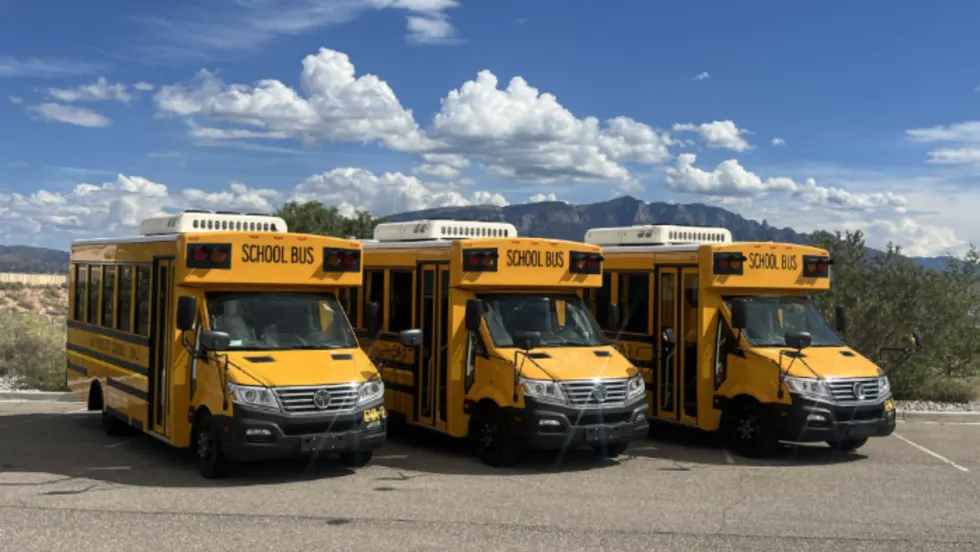
GreenPower Expands New Mexico EV Pilot With Larger Buses, V2G Testing
After logging more than 17,000 electric miles in the first year, New Mexico’s statewide pilot is moving into its second phase with larger vehicles, continued charging evaluations, and more.
Read More →
Can EV-as-a-Service Help Fleets Scale Electrification?
Sustainability Partners CEO Adam Cain explains how matching EVs, charging infrastructure, and duty cycles can help fleets scale electrification.
Read More →
How EV-as-a-Service Is Moving Fleets Beyond Pilots
Adam Cain, president and CEO of Sustainability Partners, explains how EV-as-a-service can help fleets scale deployments by addressing duty-cycle requirements and charging challenges.
Read More →
PowerFlex, The Mobility House Join Forces to Advance Fleet Electrification
Two EV charging providers are joining forces to deliver a broader portfolio of energy management and fleet electrification solutions.
Read More →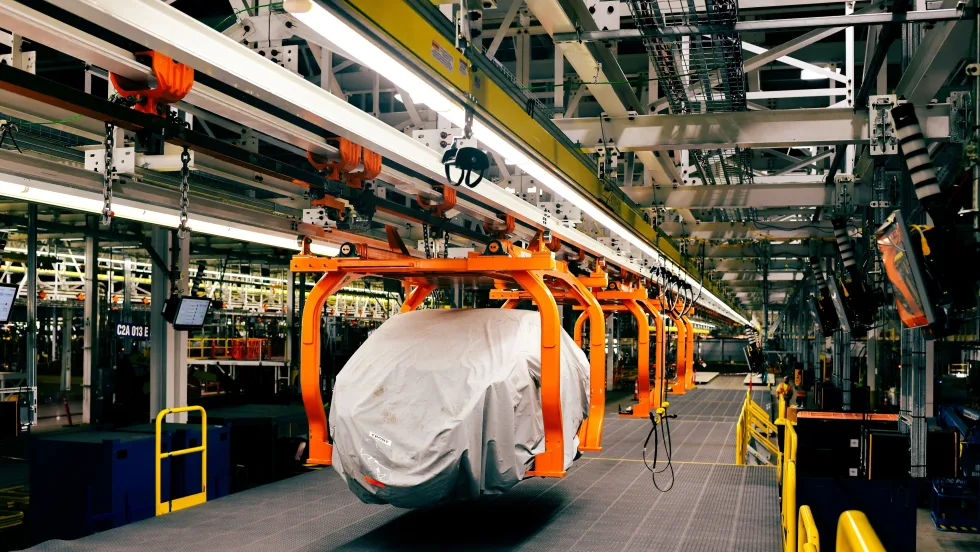
Ford Retools Louisville Plant for Fathom Electric Truck Production
Ford's $2 billion Louisville Assembly Plant overhaul introduces a three-part assembly process for the Fathom midsize electric truck, with production scheduled to begin in 2027.
Read More →
Merchants Fleet Reports 290M EV Miles as Fleets Navigate Changing Electrification Market
From millions in operating savings to hundreds of millions of EV miles, Merchants Fleet’s latest report reveals what’s working and what’s changing in fleet electrification.
Read More →
California District Commits to Electrify 25% of School Bus Fleet by 2028
One of the nation's largest school bus electrification projects to date demonstrates how grants, charging infrastructure, and public-private partnerships can help fleets transition to EVs at scale.
Read More →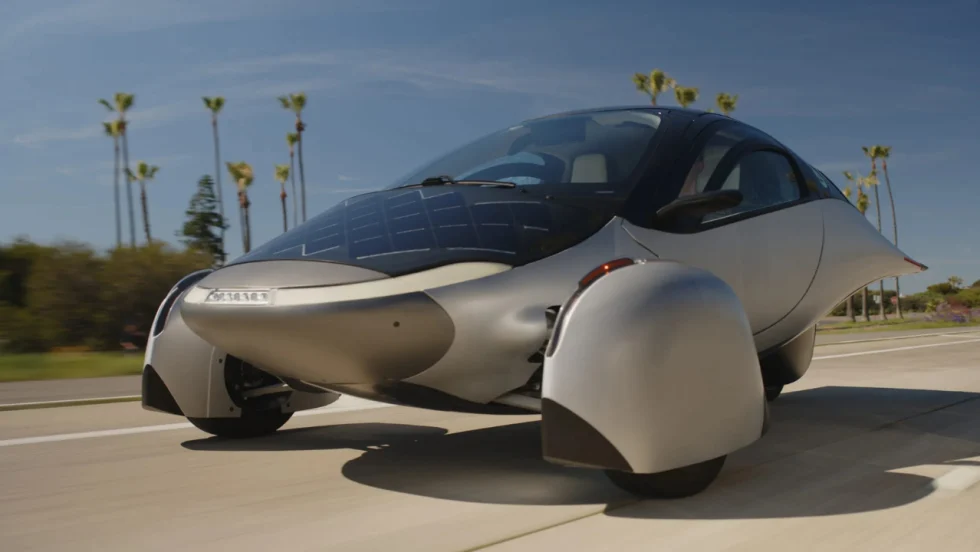
Aptera Orders Bodies and Chassis for Its First 40 Production Vehicles
Aptera Motors Corp. has issued purchase orders for the major structural components of its first 40 vehicles, and body and chassis components are expected to begin arriving in October.
Read More →