


Audi to Fund More Renewable-Powered Charging Stations
The wind and solar farm projects in Germany are expected to feed an additional 5 terawatt hours of green power into the grid by 2025.


Audi's first project, a massive solar park in Mecklenburg-Vorpommern, will come on stream as early as 2022.
Photo: Audi
Audi is partnering with energy providers to support the expansion of renewable energy sources, according to a June 17 press release.
Audi will work with different partners to build new wind and solar farms in various European countries by 2025, which together are expected to generate around five terawatt hours of additional green power. This corresponds to an installed capacity of about 250 new wind turbines.
The aim is for the proportion of electricity generated from renewable sources by the cooperation partners to increase along with the increasing share of electric cars. The first project, a solar park in the German state of Mecklenburg-Vorpommern, is being developed in collaboration with the German utility company RWE. The plant will come on stream in 2022 and is designed for a total capacity of 170 million kilowatt hours. Encompassing nearly 420,000 solar panels, it will be one of the largest independent solar parks in Germany. Further projects are to quickly follow.
Partnering with energy providers is the next step in achieving the company’s vision of net-zero carbon emissions by 2050. To this end, Audi is examining the entire life cycle of its models, which in professional circles is divided into three stages: the manufacturing stage (starting with the extraction of raw materials through component manufacturing and automobile production), the usage stage (vehicle operation including the supply of fuel or electricity), and recycling. As an intermediate goal, Audi aims to reduce the carbon footprint of its fleet by 30% over its lifecycle by 2025. By partnering with European energy suppliers, Audi strives decarbonize the usage stage.
One of the most important factors with electric cars is the power used to charge them. Electric cars do not emit carbon on the road, but electricity generation also produces carbon emissions – far more when the power is generated from fossil fuels than from renewable energy sources. That’s why Audi will soon fund the generation of renewable electricity. Its partnership with energy suppliers will also cover charging processes that aren’t yet carried out with green power today.
More Charging
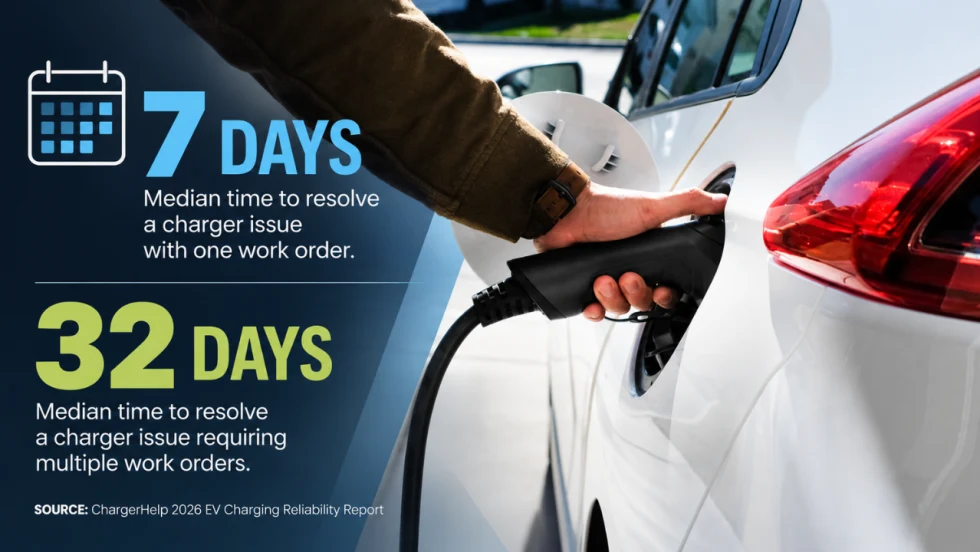
What Happens When an EV Charger Goes Down at Your Fleet Depot?
A failed EV charger can disrupt routes, delay vehicles, and create unexpected costs. Here's how fleets can troubleshoot problems, arrange backup charging, and minimize downtime.
Read More →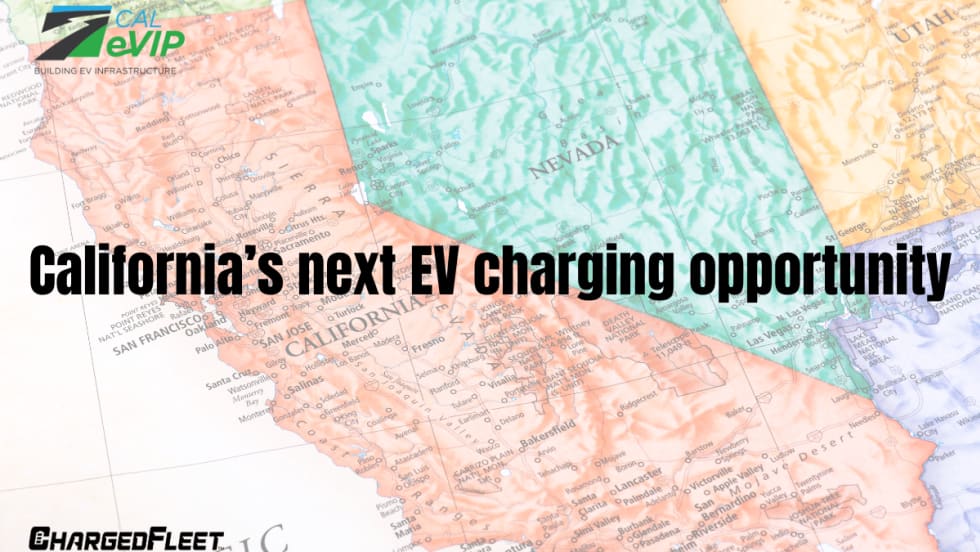
California Opens $28 Million in EV Fast-Charging Incentives
The Fast Charge California Project offers up to $100,000 per charging port for eligible, ready-to-build public charging projects, with applications open through Jan. 14, 2027.
Read More →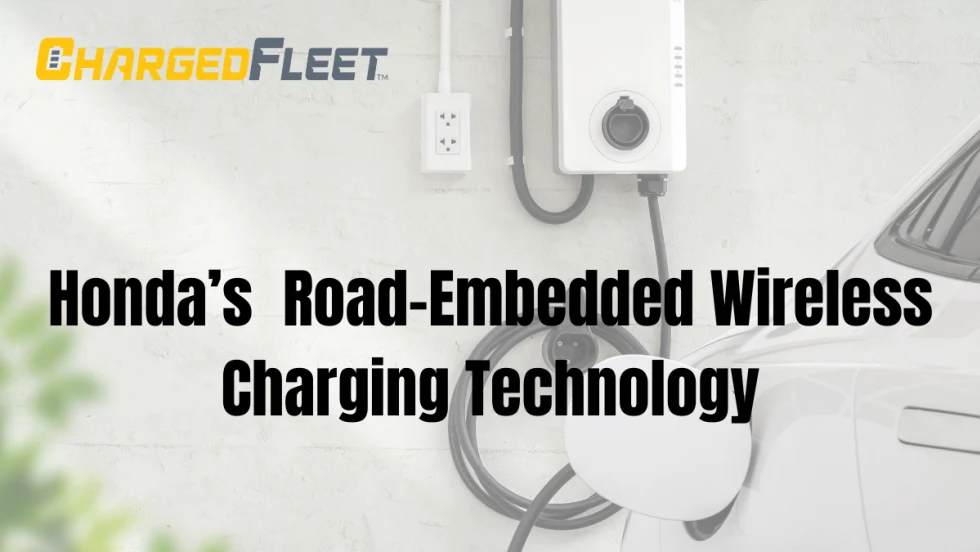
Honda Develops In-Motion Wireless EV Charging Technology for Commercial Vehicles
Honda, Taisei and Taisei Rotec are developing a road-embedded wireless charging system capable of transferring up to 150 kW, with public-road testing planned in Japan beginning in fiscal 2027.
Read More →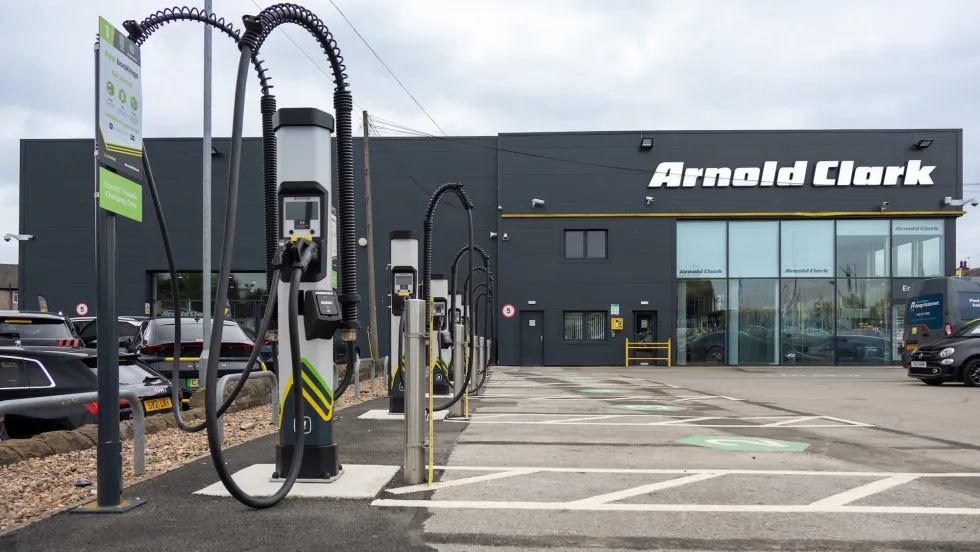
Arnold Clark Charge Opens Six Ultra-Rapid EV Chargers in Huddersfield
The new public charging site brings the Arnold Clark Charge network to 63 locations across the U.K., with charging priced at 55 pence per kWh.
Read More →
ChargerHelp Report Finds EV Charger Recovery Delays Can Stretch Beyond a Month
An analysis of approximately 500 million data points found charging issues requiring multiple work orders took a median of 32 days to resolve, highlighting the operational impact of diagnostics and repair coordination.
Read More →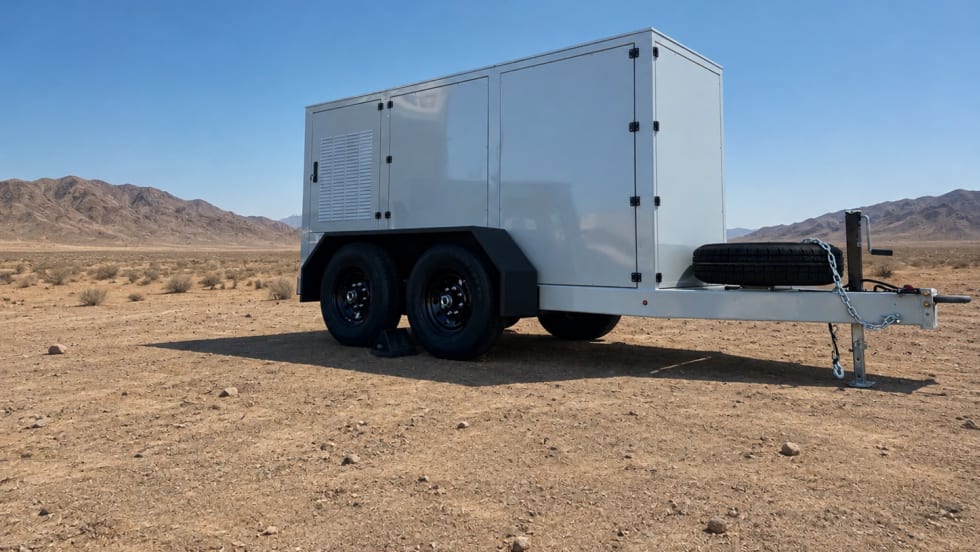
Xos Mobile Charging Hub Surpasses 1 GWh of Energy Delivered
As fleets electrify, charging capacity does not always arrive on the same timeline as the vehicles. Operating data from one Xos Hub shows how mobile, grid-independent charging can support vehicles when permanent infrastructure or utility upgrades aren't available.
Read More →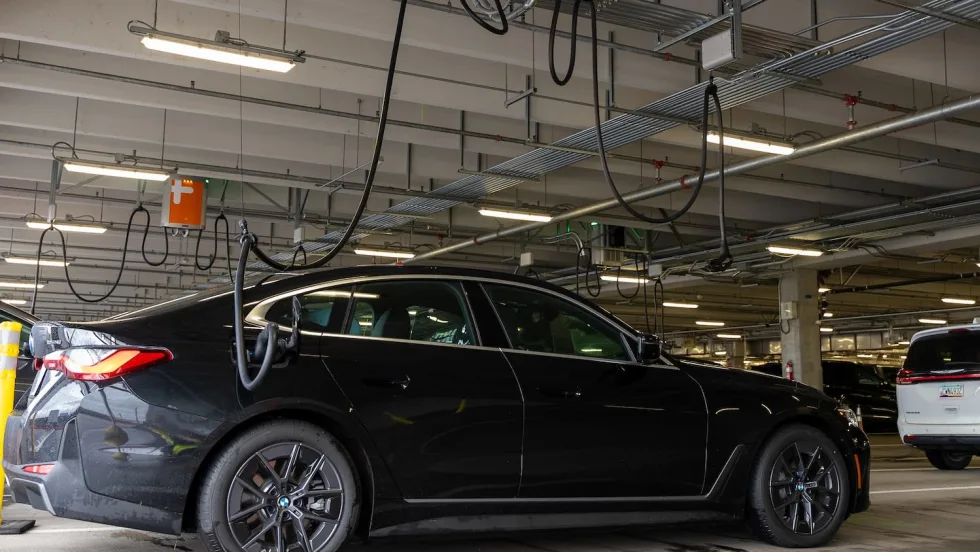
ChargePoint Adds Overhead EV Fast Charging at Portland International Airport
The installation can charge up to 20 rental vehicles simultaneously and uses overhead equipment to preserve ground-level space at the airport's Quick Turnaround Facility.
Read More →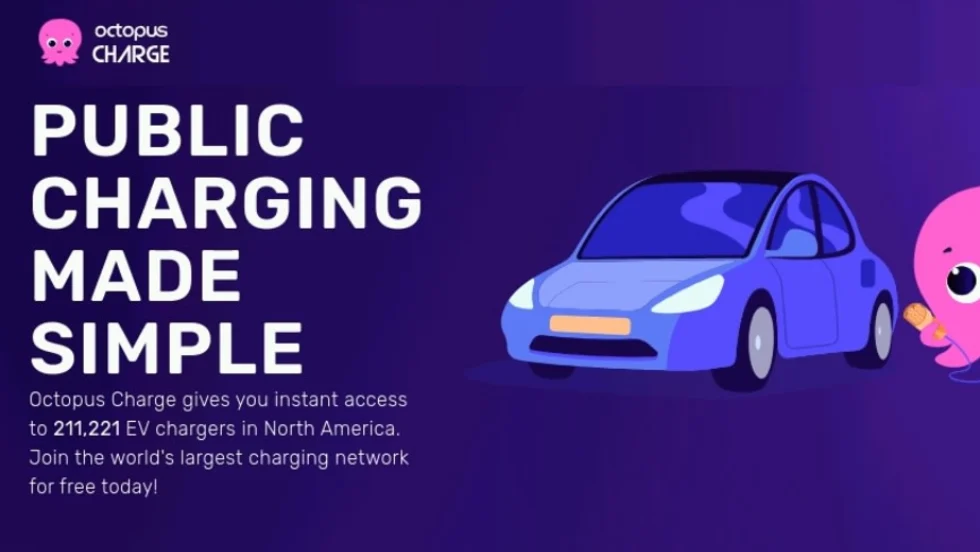
Octopus Energy Launches Public EV Charging App in U.S.
Octopus Charge allows EV drivers to locate and access public charging stations through a single app, building on the company's Electroverse platform in Europe.
Read More →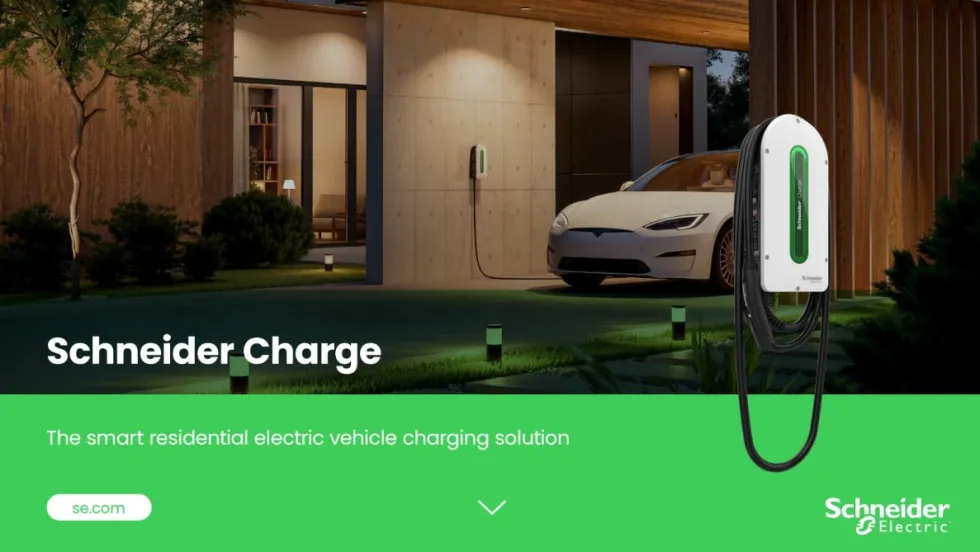
Schneider Electric Launches Level 2 Home EV Charger With Integrated Load Management
Schneider Charge uses integrated SmartAmp technology to adjust charging output based on household electrical demand and is available with NACS or J1772 connectors.
Read More →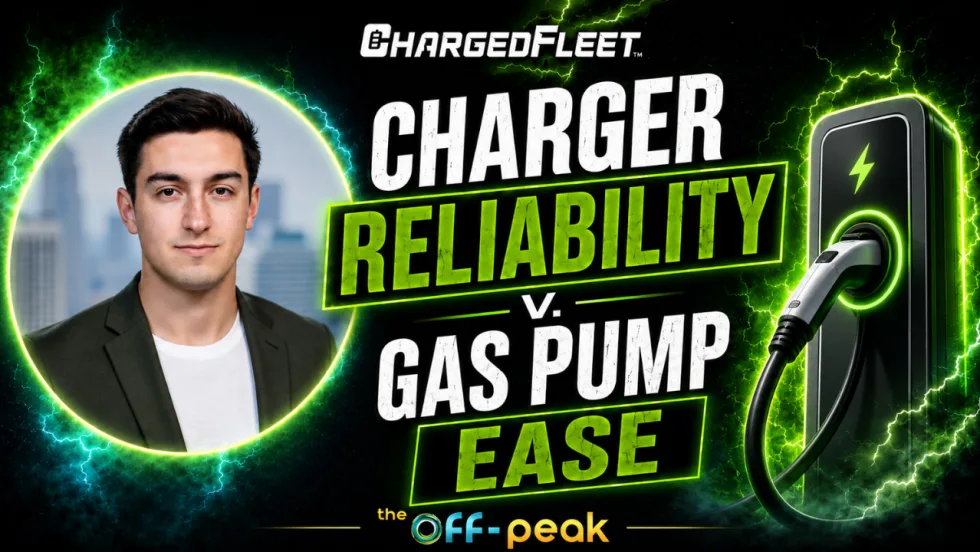
Why EV Charging Reliability Is More Complicated Than It Looks
GridLink CEO Josh Silets explains what causes EV chargers to fail, why fleet operators often struggle to identify the source, and what questions they should ask charging vendors.
Read More →