


Amply Secures $13.2M for Commercial Fleet Charging Infrastructure
As cities and corporations accelerate their adoption of electric trucks and buses, AmplyPower, provider of fleet charging solutions, secured $13.2 million in Series A funding from investors, including Soros Fund Management and Siemens.

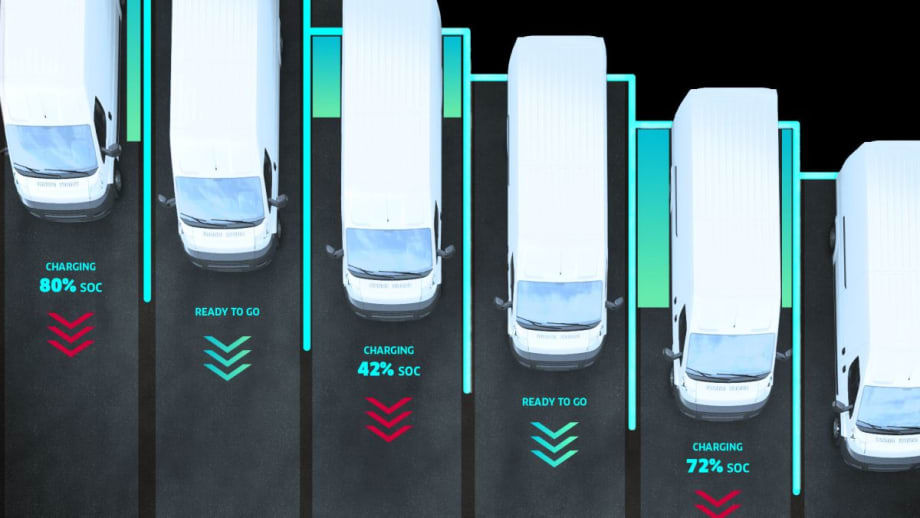
Amply's proprietary software technology optimizes and aggregates vehicle charging to minimize energy costs and maximize vehicle uptime.
Image: Amply
As cities and corporations accelerate their adoption of electric trucks and buses, AmplyPower, provider of fleet charging solutions, secured $13.2 million in Series A funding from investors, including Soros Fund Management and Siemens. They are joined by existing seed round investors, including Congruent Ventures, PeopleFund, and Obvious Ventures.
Founded by serial entrepreneur Vic Shao, Amply Power is a leader in charging services for commercial electric vehicle fleets. Its comprehensive end-to-end, Charging-as-a-Service approach for fleet operators ensures each electric truck or bus is charged and ready for work each day, in exchange for a price-per-mile-driven fee.
Amply's proprietary software technology optimizes and aggregates vehicle charging to minimize energy costs and maximize vehicle uptime.
As a recent customer success story, Tri Delta Transit found that up to 40% of electric charging costs could be saved using Amply's solution, while charging a variety of bus types and chargers.
"With reduction in transportation emissions brought by the coronavirus pandemic, cities around the world have a window into the air quality we deserve once society transitions to electric mobility," said Amply CEO Vic Shao. "At Amply, it is our mission to take the technical guesswork out of electrification infrastructure so fleets can scale their zero-emission deployments with confidence while delivering cleaner air for their communities."
Amply services include charging hardware deployment, management of depot upgrades and utility interconnections, real-time software-controlled charge optimization, debt financing of capital expenditures, and resiliency planning.
The company assumes financial responsibility of the utility account for charging and bills the fleet customer for ongoing vehicle miles. Amply also performs onsite operations and maintenance services and invests in technology upgrades as the needs of the fleet evolve.
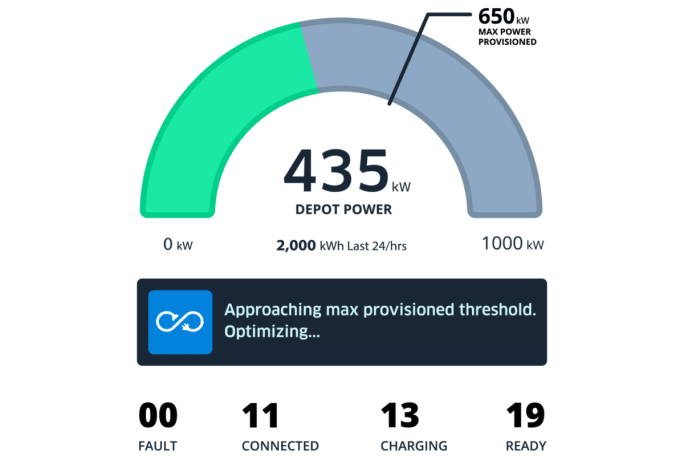
Amply assumes financial responsibility of the utility account for charging and bills the fleet customer for ongoing vehicle miles.
Image: Amply
"Time and again, the major hurdle most electric truck and bus pilots face is the charging infrastructure. In fact, charging fleets without incurring hefty utility bills is the key obstacle for most electric fleets to scale towards full deployment," said Iti Jain, VP at Siemens. "Amply's mission dovetails with Siemens' strategy of making electromobility adoption easy, and we look forward to supporting Amply's growth with our extensive experience in the energy and transportation sectors."
Siemens has defined eMobility as one of its top strategic growth fields, deploying more than 100,000 charging stations in 35 countries. The company continues its PlugtoGrid focus on customers in the car, bus, fleet, and truck market across North America.
Along with this funding, the company plans to expand its team and customer deployments. Currently, Amply manages charging operations for a variety of customers, including East Contra Costa County's Tri Delta Transit, an electric school bus fleet demonstration in New York City with Logan Bus.
Additionally, Amply has preferred partnerships with electric bus manufacturer BYD, and the subsidiary of Hawaiian Electric Company, Pacific Current. Shao was newly named to the 2020 Grist 50 list as one of 50 "fixers," providing new solutions to the planet's biggest problems.
Originally posted on Work Truck Online
More Charging
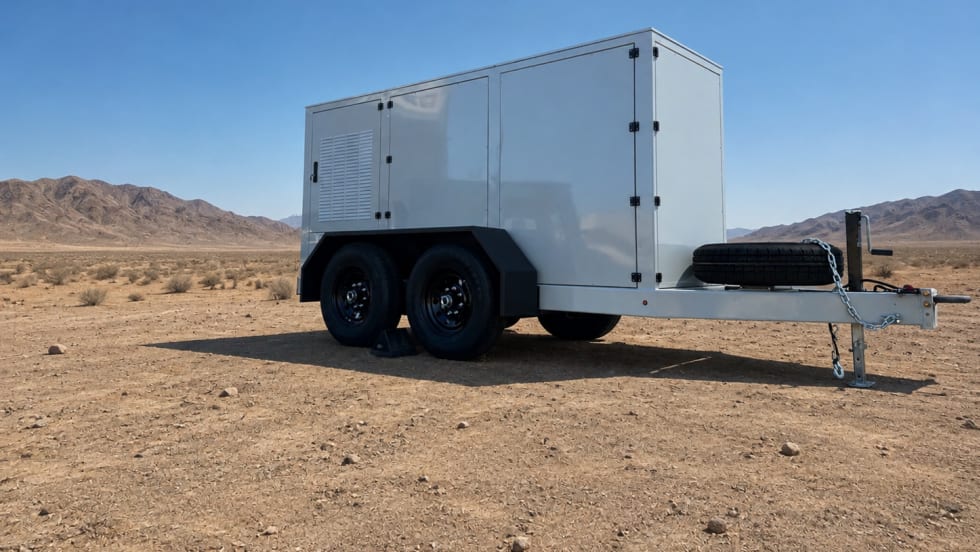
Xos Mobile Charging Hub Surpasses 1 GWh of Energy Delivered
As fleets electrify, charging capacity does not always arrive on the same timeline as the vehicles. Operating data from one Xos Hub shows how mobile, grid-independent charging can support vehicles when permanent infrastructure or utility upgrades aren't available.
Read More →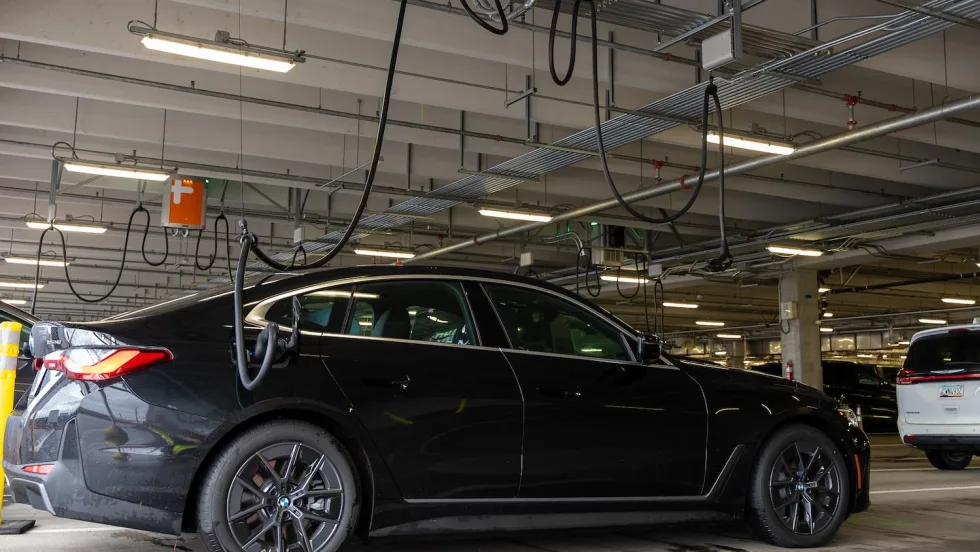
ChargePoint Adds Overhead EV Fast Charging at Portland International Airport
The installation can charge up to 20 rental vehicles simultaneously and uses overhead equipment to preserve ground-level space at the airport's Quick Turnaround Facility.
Read More →
Octopus Energy Launches Public EV Charging App in U.S.
Octopus Charge allows EV drivers to locate and access public charging stations through a single app, building on the company's Electroverse platform in Europe.
Read More →
Schneider Electric Launches Level 2 Home EV Charger With Integrated Load Management
Schneider Charge uses integrated SmartAmp technology to adjust charging output based on household electrical demand and is available with NACS or J1772 connectors.
Read More →
Why EV Charging Reliability Is More Complicated Than It Looks
GridLink CEO Josh Silets explains what causes EV chargers to fail, why fleet operators often struggle to identify the source, and what questions they should ask charging vendors.
Read More →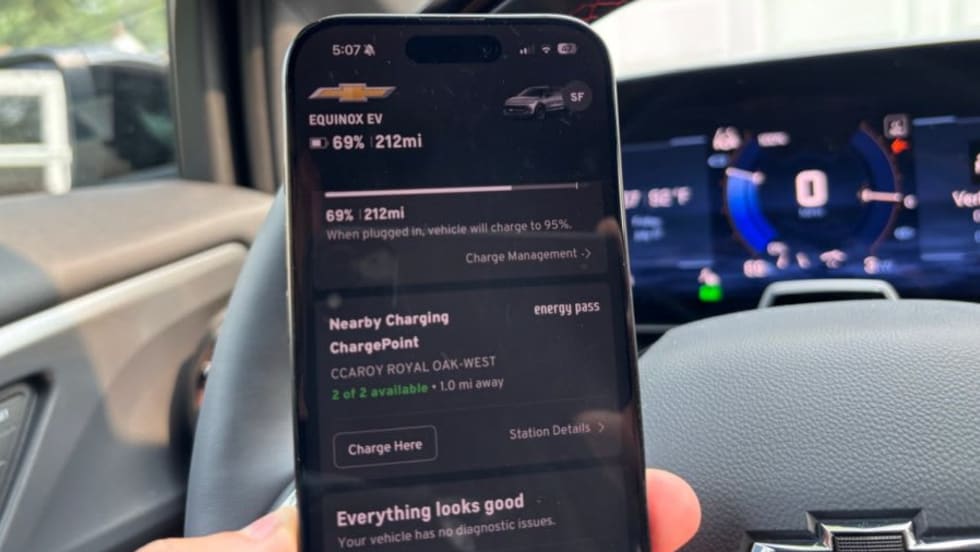
GM Adds ChargePoint Network to Energy Pass Platform
The integration gives GM EV drivers access to additional DC fast chargers and Level 2 stations through a single app while expanding the automaker's public charging ecosystem.
Read More →
Xos White Paper Asserts LA Olympics Will Lack Enough EV Chargers
The commercial EV fleet company recommends some faster and more flexible remedies to relieve the anticipated shortfall.
Read More →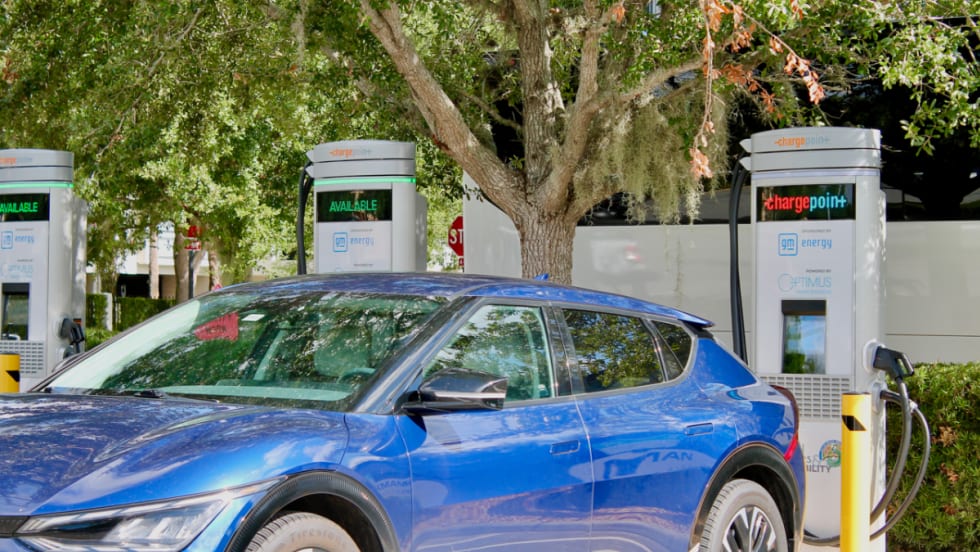
ChargePoint, Optimus Expand Fast-Charging Network Across Southeastern U.S.
ChargePoint will serve as the exclusive solutions provider, delivering hardware, software, and services to support Optimus’ growing charging network.
Read More →
Running A Profitable Electric Rental Fleet
How do you successfully operate an all-electric rental car fleet? Whether you manage a rental fleet or another commercial fleet, this conversation offers practical lessons on deploying, operating, and scaling electric vehicles.
Read More →
Why Charging May Never Be As Easy As Filling Up Gas
A seamless charge depends on a string of independent companies getting it right together, every time. How can electric fleets navigate the challenges to create a successful charging plan?
Read More →