


Understanding Utilities’ Make-Ready Programs for Fleets
Make-ready programs cover a percentage of the electrical infrastructure and grid upgrades necessary to make a site ready for EV charging. Fleets should be engaging with their utilities to ensure that make-ready programs do the most they can to further fleet electrification.
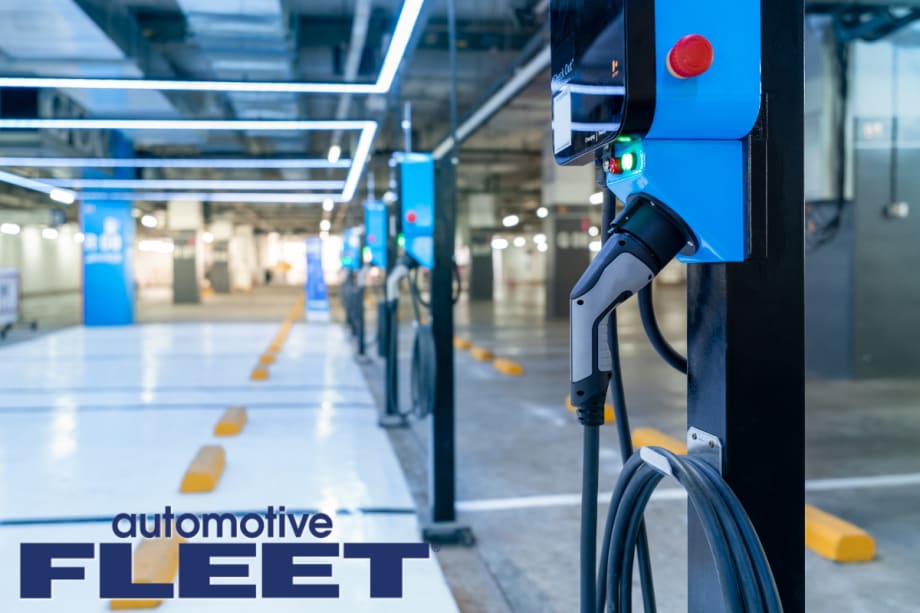
Costs to install charging infrastructure fall into two categories: utility-side and customer-side. Utility make-ready funds cover necessary system upgrades in front of the meter, while the customer side encompasses costs for equipment generally owned by the fleet or charging services provider.
Photo: Canva
Interest in electrifying commercial vehicles is on the rise, and the sheer number of EV models available to fleets seems to expand by the day.
The total cost of ownership for these vehicles is increasingly attractive, reflecting in part the recently passed federal tax credits and other incentive programs.
Access to adequate charging infrastructure, though, remains a significant challenge for fleets. Utility “make-ready” programs are one way to reduce this barrier.
What is a Utility Make-Ready Program?
Across the country, make-ready programs seek to address some of the preparatory costs of EV charging, such as site-to-grid interconnection and any upgrades required to increase the capacity of the distribution wires that serve the site.
In addition to easing the burden on fleets, a recent report by Synapse Energy Economics makes the case for more widespread uptake of make-ready programs, showing that utilities and ratepayers could also benefit if all utility customers fully covered fleets’ make-ready costs.
Make-ready costs include the electrical infrastructure and grid upgrades necessary to make a given site ready for EV charging. These costs can comprise upward of 30% of the upfront charging infrastructure costs for a new project, and fall into two categories: utility-side and customer-side.
Utility make-ready covers all the necessary system upgrades in front of the meter, such as transformer and distribution line upgrades, while customer-side make-ready encompasses costs for equipment generally owned by the fleet or charging services provider, such as panel, conduit, and charger installations.
Historically, utilities have not covered make-ready costs without the regulatory certainty that they can recoup those costs through rates, and regulatory agencies have been reluctant to give utilities this certainty due to concerns about raising rates for customers who will not see direct benefits from a make-ready program.
However, the Synapse report shows that if utilities were to spread out utility-side and customer-side make-ready costs for medium- and heavy-duty vehicles to all utility customers between 2023-2045, everyone would see a positive to neutral impact on their bills.
The reason is that revenues from these large new electricity customers outweigh the make-ready investment costs.
This is good news for everyone — including fleets. Utilities win by creating a new revenue stream for existing and future grid upgrades, communities benefit from the cleaner air these zero-emission vehicles offer (at no additional cost to them), and fleets profit from the reduced upfront costs of installing charging infrastructure at their depots.
As more and more utilities consider designing make-ready programs, fleets should let their utility regulators know how vital supportive programs are to their electrification plans.
Fleets Must Speak Up
It will take a chorus of voices to convince utilities, public service commissions and their regulators that utilities can and should take on the cost of make-ready, to all parties' benefit.
Fleets, an increasingly important customer base for utilities, should be engaging with their utilities and participating in proceedings to ensure that make-ready programs do the most they can to further fleet electrification.
By engaging directly in these proceedings – or indirectly via organizations like Environmental Defense Fund (EDF) that are in these venues advocating on behalf of fleets – they can remind key decision-makers about their interest in EVs and the importance of robust, make-ready programs.
An immediate opportunity for fleets to weigh in is happening right now.
The New York Public Service Commission’s recently opened proceeding on barriers to medium- and heavy-duty charging infrastructure is a chance for utilities to hear from fleets.
Interested parties in this proceeding can offer written comments or speak at one of the technical workshop meetings organized by the Commission.
New York’s proceeding and similar regulatory events in other states are far from the only opportunity to ensure decision-makers get charging infrastructure right.
Fleets should first start dialogues with their utility, so they can receive help electrifying and utilities can integrate fleets’ feedback into their policy designs.
Working with existing groups, whether it be a chamber of commerce, trucking association or groups with medium- and heavy-duty vehicle expertise, such as EDF, is another way fleets can make their voices heard.
Now is the time to get charging right. With concrete evidence that utilities can cover all make-ready costs with a neutral to positive impact on ratepayers, full coverage of make-ready costs becomes a common-sense solution that will help fleets, ratepayers, and utilities.
Dakoury Godo-Solo is a Project Manager, Electric Vehicle Charging Systems for Environmental Defense Fund, whose clean transportation advocacy focuses on the intersection of EV charging and the electric grid.
Originally posted on Automotive Fleet
More Charging
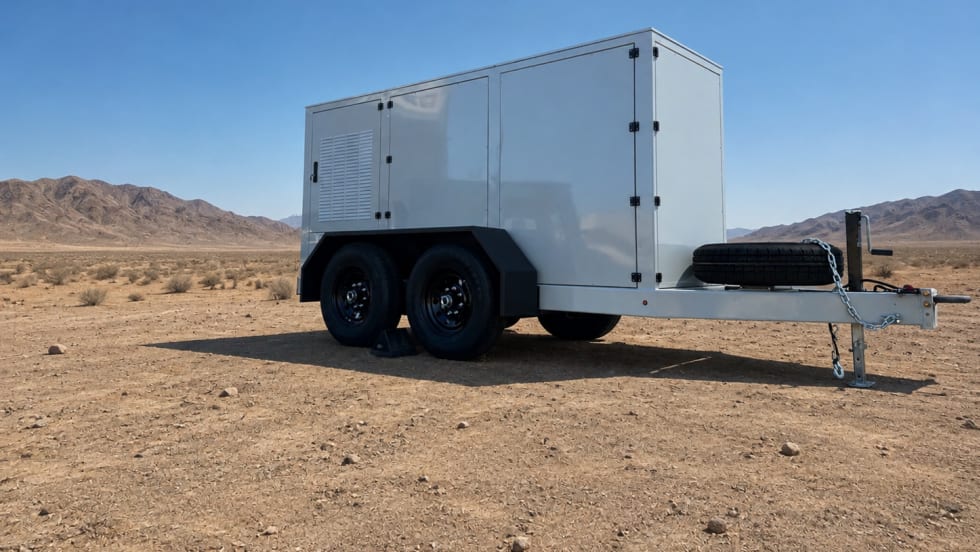
Xos Mobile Charging Hub Surpasses 1 GWh of Energy Delivered
As fleets electrify, charging capacity does not always arrive on the same timeline as the vehicles. Operating data from one Xos Hub shows how mobile, grid-independent charging can support vehicles when permanent infrastructure or utility upgrades aren't available.
Read More →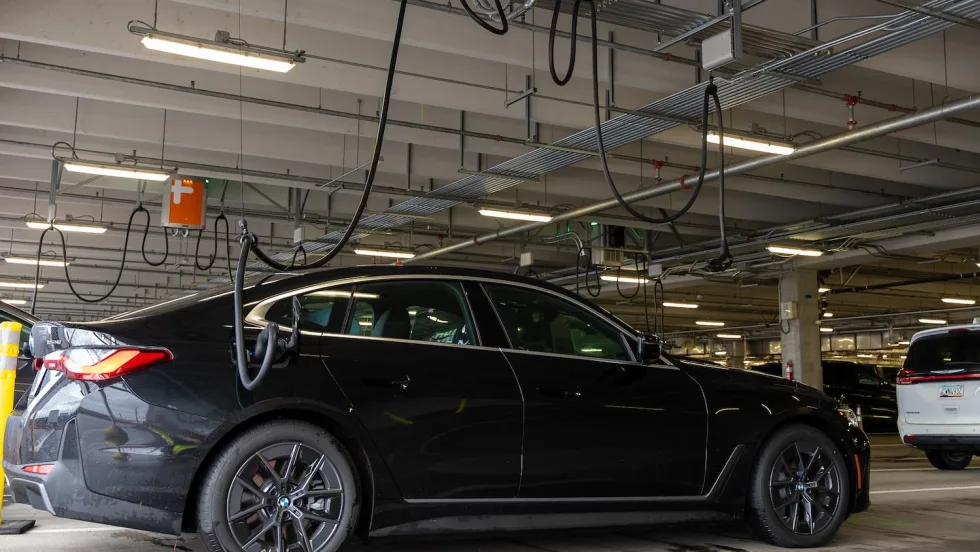
ChargePoint Adds Overhead EV Fast Charging at Portland International Airport
The installation can charge up to 20 rental vehicles simultaneously and uses overhead equipment to preserve ground-level space at the airport's Quick Turnaround Facility.
Read More →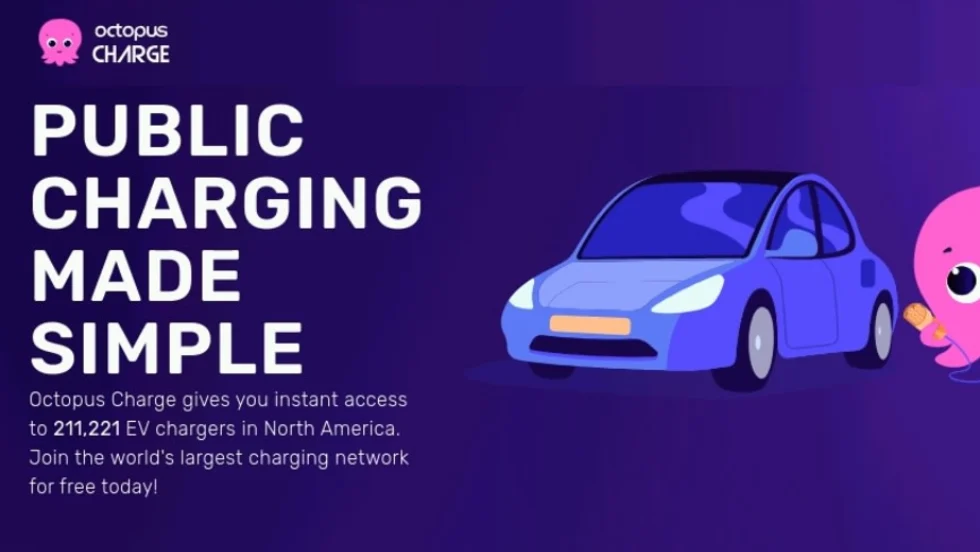
Octopus Energy Launches Public EV Charging App in U.S.
Octopus Charge allows EV drivers to locate and access public charging stations through a single app, building on the company's Electroverse platform in Europe.
Read More →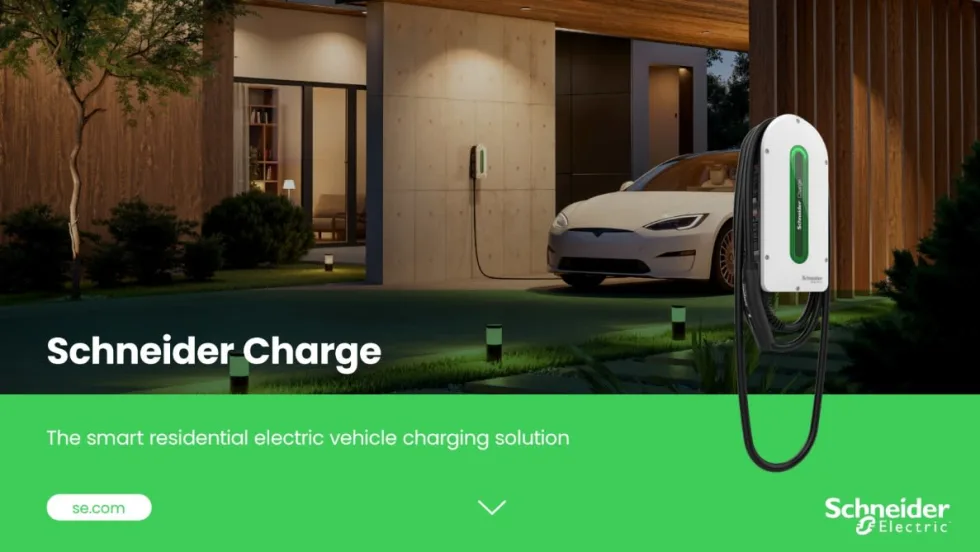
Schneider Electric Launches Level 2 Home EV Charger With Integrated Load Management
Schneider Charge uses integrated SmartAmp technology to adjust charging output based on household electrical demand and is available with NACS or J1772 connectors.
Read More →
Why EV Charging Reliability Is More Complicated Than It Looks
GridLink CEO Josh Silets explains what causes EV chargers to fail, why fleet operators often struggle to identify the source, and what questions they should ask charging vendors.
Read More →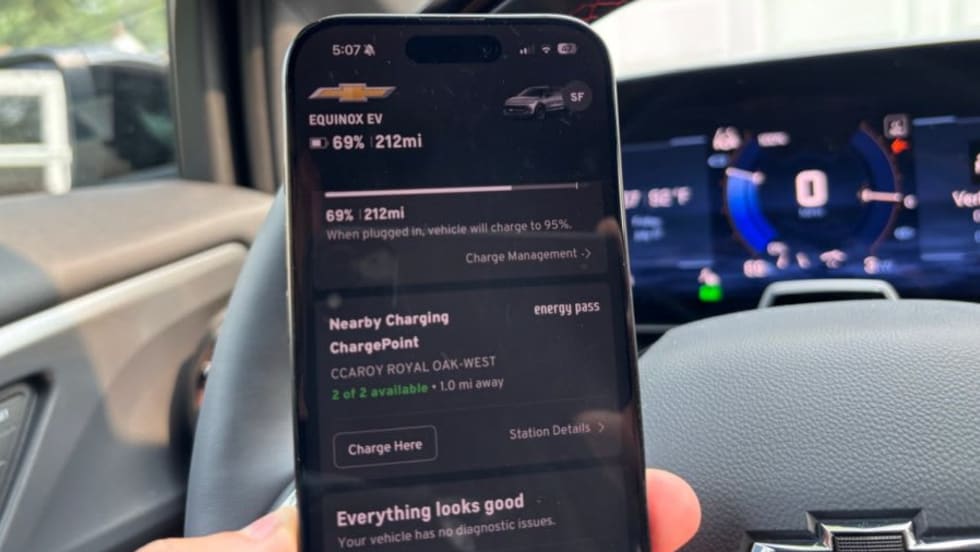
GM Adds ChargePoint Network to Energy Pass Platform
The integration gives GM EV drivers access to additional DC fast chargers and Level 2 stations through a single app while expanding the automaker's public charging ecosystem.
Read More →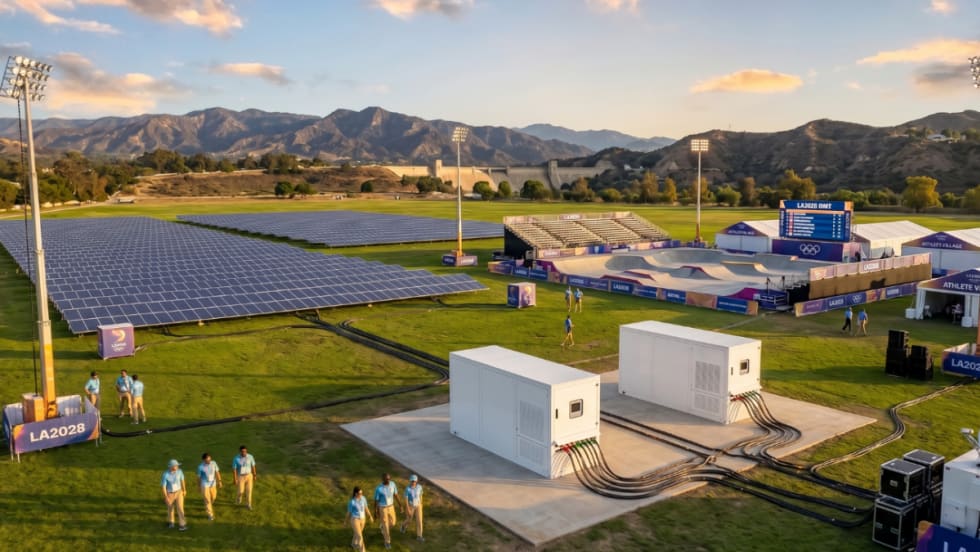
Xos White Paper Asserts LA Olympics Will Lack Enough EV Chargers
The commercial EV fleet company recommends some faster and more flexible remedies to relieve the anticipated shortfall.
Read More →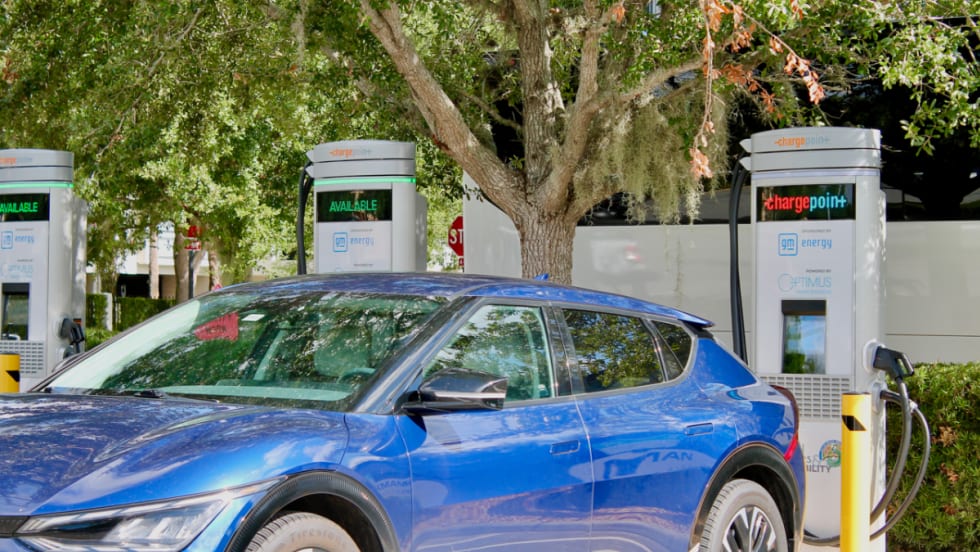
ChargePoint, Optimus Expand Fast-Charging Network Across Southeastern U.S.
ChargePoint will serve as the exclusive solutions provider, delivering hardware, software, and services to support Optimus’ growing charging network.
Read More →
Running A Profitable Electric Rental Fleet
How do you successfully operate an all-electric rental car fleet? Whether you manage a rental fleet or another commercial fleet, this conversation offers practical lessons on deploying, operating, and scaling electric vehicles.
Read More →
Why Charging May Never Be As Easy As Filling Up Gas
A seamless charge depends on a string of independent companies getting it right together, every time. How can electric fleets navigate the challenges to create a successful charging plan?
Read More →