


About the Author: Jack Johnson, is CTO and founder of Volta Power Systems. Founded in 2014, Volta Power Systems provides safe, powerful, and simple lithium-ion energy storage solutions for small to midsize businesses. RV, marine, and specialty vehicles. OEMs trust Volta to deliver leading-edge, automotive-grade power systems for their end-users.
The Path to Sustainability is Paved with Imperfect Action
There is no perfect solution yet for fully electrified fleets, so if we can’t eliminate vehicle emissions, there are several easy ways to reduce them.
by Jack Johnson, Volta Power Systems
July 13, 2022
Making forward progress in environmental goals is better than complete inaction. Simple steps like reducing idling or incorporating hybrid vehicles can save on both fuel and maintenance costs.
Photo: Canva
4 min to read
When people think of sustainability, recycling, community gardens, carpooling, and driving electric cars are top of mind. It’s easy to get caught up in the narrative that to be sustainable, everything you do must be perfect. You must only use reusable grocery bags, or only drive an electric car, or run your RV entirely off solar power. This “all or nothing” mentality is overwhelming, creating a sense of apprehension that prevents people from even trying to make environmentally minded changes.
There’s a great quote attributed to President Harry Truman that says: “Imperfect action is better than perfect inaction.” That’s to say, it’s better to take any action than do nothing. Even if the action you’re taking isn’t perfect, at least you’re making forward progress.
How do we encourage those around us to take steps toward a more sustainable future? Consider imperfect action.
Stop Expecting Perfection
Imperfect action is the foundation of sustainability. Yes, we should continue to strive for perfection. Even if we fall short, holding ourselves to high standards ensures we experience forward progress. But while we hold up these lofty ideals, we must keep in mind that the best sustainability driving technologies are the real, practical ones we can implement right now to affect change.
I helped found Volta Power Systems on this ideology. While reducing vehicle and generator emissions is an admirable goal, EV technology is not yet in the right place to support both full-EV drivetrains and the additional power most mobile vehicles need. For most applications, whether it be utility vehicles or RVs, EVs are still too expensive, not supported by adequate infrastructure, or simply haven’t been developed yet. Despite this, we can still leverage the incredible technologies we do have to address the areas most emissions stem from.
Any Action is Better Than No Action
Most, if not all, industries are making efforts to reduce vehicle emissions. Many minds jump to full electrification, but this isn’t suitable for all specialty vehicles. While a Sprinter van delivery truck would benefit from a fully electric system, a utility vehicle that spends about 70% to 90% of its day idling wouldn’t benefit nearly as much.
With most full-EV solutions still being cost-prohibitive, and without a perfect solution at-hand, we must reach for the next best thing: employing the solutions we already have in the areas we have the most leverage.
If we can’t eliminate all vehicle emissions for all vehicle types, we can reduce them. Utility vehicles spend approximately 70% of their runtime idling as they work. We can leave the internal-combustion drivetrain alone and integrate a separate auxiliary system to generate and store power. This separate power source can power booms, power tools, welders, and more all day long without causing range anxiety for workers.
This results in a relatively low-cost green solution that’s accessible right now, today, while science continues working toward more affordable emission-free technologies.
As the world of advanced energy solutions continues to evolve, Volta Power Systems realized anti-idling technologies as an opportunity to make a huge impact without requiring a huge budget. Solutions using automotive-grade lithium-ion provide more energy in less space and less weight, allowing users to eliminate idling from RVs to utility trucks quickly, easily and affordably.
Users have access to power without idling their engine, but also enjoy the security of an internal-combustion engine for transportation that doesn’t limit their vehicle’s driving range. Hybrid technologies like these are not only in the works; they’re already available and in use by consumers, companies, and municipalities alike.
A Real-World Case Study
In Holland, Michigan, the Board of Public Works already uses one such hybridized truck. Not only does the truck’s 13.2kWh power system eliminate an estimated 42,000 lbs of CO₂ every year; it’s also projected to save the utility approximately $14,000 per year in reduced fuel and maintenance costs. All the while, the truck operates silently while working, with enough power to run hydraulic equipment and power tools for as long as workers need it, without a second of engine idling.
Imagine a world where this idle-reduction technology was implemented across industries. No more mail trucks idling to keep the A/C running in the cabin during a hot summer day. No more growling generators spewing fumes at campgrounds while RVers enjoy movies and popcorn inside their campers. Silent utility work happening overnight after a big storm, without disrupting the neighborhood with a roaring engine for hours on end.
Small Changes Can Have Great Impact
Our lofty goals for a sustainable world lead us to create, innovate, rethink, and redefine what will move us closer to the future we want. Expecting a leap to perfection is unrealistic, but we can use stepping stones, however imperfect, to help us eventually get there. We must pave the path toward true, lasting sustainability with imperfect action.
Whether it’s using a few cloth bags during your next grocery run or replacing a generator with an emission-free power source, we can all contribute to a more sustainable future right now. Start taking small, imperfect actions today, and see how they can change the world.
Originally posted on Automotive Fleet
Subscribe to Our Newsletter
More Electric Vehicles
EV Charging Use Is Outpacing Infrastructure Growth
ChargePoint’s 2026 Charging Forward Report points to rising charger use, higher-powered charging, commercial vehicle electrification, and energy-management technology. Here’s what fleets should know.
Read More →
EV Realty Names Henrik Holland President as Charging Platform Expands
The former Prologis Mobility and Shell executive will help expand EV Realty’s truck charging business and move its power-first infrastructure model into autonomous vehicle depots and other fleet sectors.
Read More →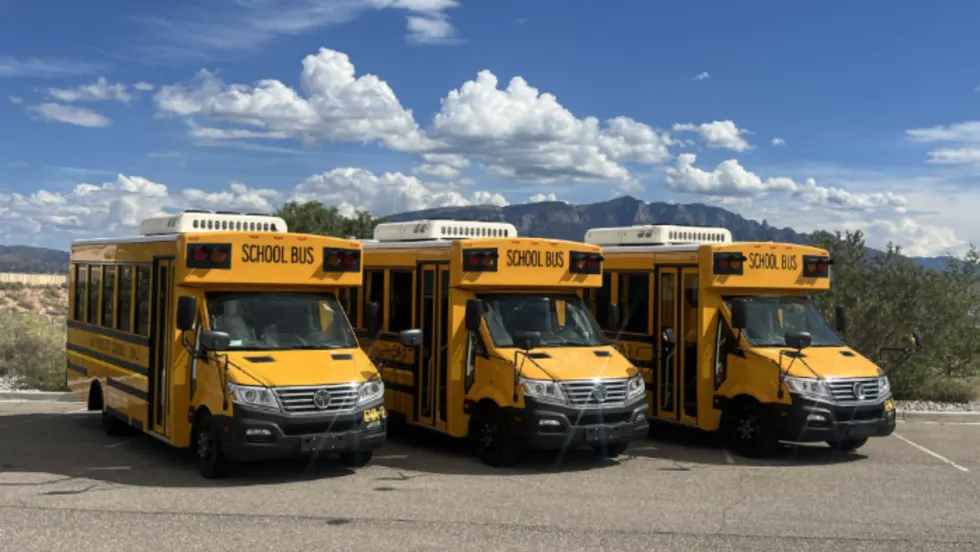
GreenPower Expands New Mexico EV Pilot With Larger Buses, V2G Testing
After logging more than 17,000 electric miles in the first year, New Mexico’s statewide pilot is moving into its second phase with larger vehicles, continued charging evaluations, and more.
Read More →
Can EV-as-a-Service Help Fleets Scale Electrification?
Sustainability Partners CEO Adam Cain explains how matching EVs, charging infrastructure, and duty cycles can help fleets scale electrification.
Read More →
How EV-as-a-Service Is Moving Fleets Beyond Pilots
Adam Cain, president and CEO of Sustainability Partners, explains how EV-as-a-service can help fleets scale deployments by addressing duty-cycle requirements and charging challenges.
Read More →
PowerFlex, The Mobility House Join Forces to Advance Fleet Electrification
Two EV charging providers are joining forces to deliver a broader portfolio of energy management and fleet electrification solutions.
Read More →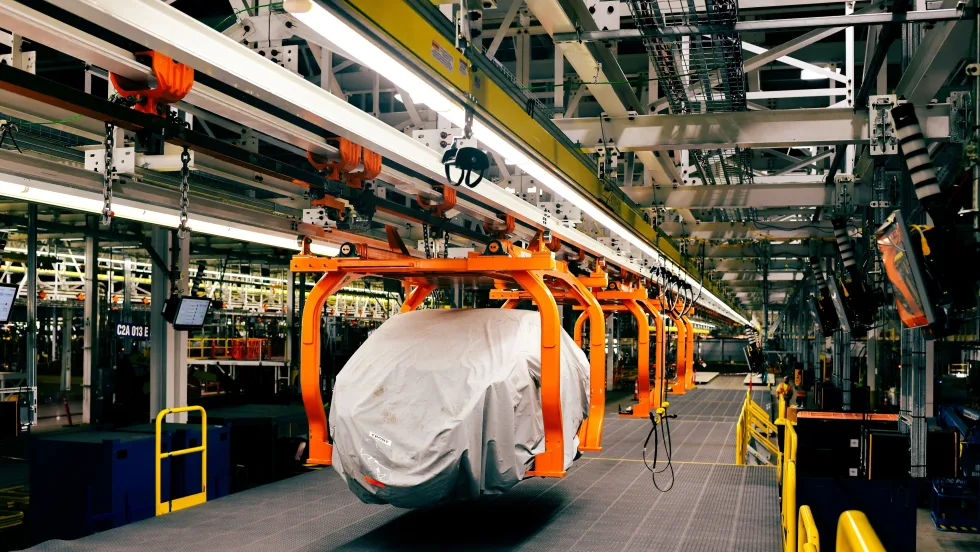
Ford Retools Louisville Plant for Fathom Electric Truck Production
Ford's $2 billion Louisville Assembly Plant overhaul introduces a three-part assembly process for the Fathom midsize electric truck, with production scheduled to begin in 2027.
Read More →
Merchants Fleet Reports 290M EV Miles as Fleets Navigate Changing Electrification Market
From millions in operating savings to hundreds of millions of EV miles, Merchants Fleet’s latest report reveals what’s working and what’s changing in fleet electrification.
Read More →
California District Commits to Electrify 25% of School Bus Fleet by 2028
One of the nation's largest school bus electrification projects to date demonstrates how grants, charging infrastructure, and public-private partnerships can help fleets transition to EVs at scale.
Read More →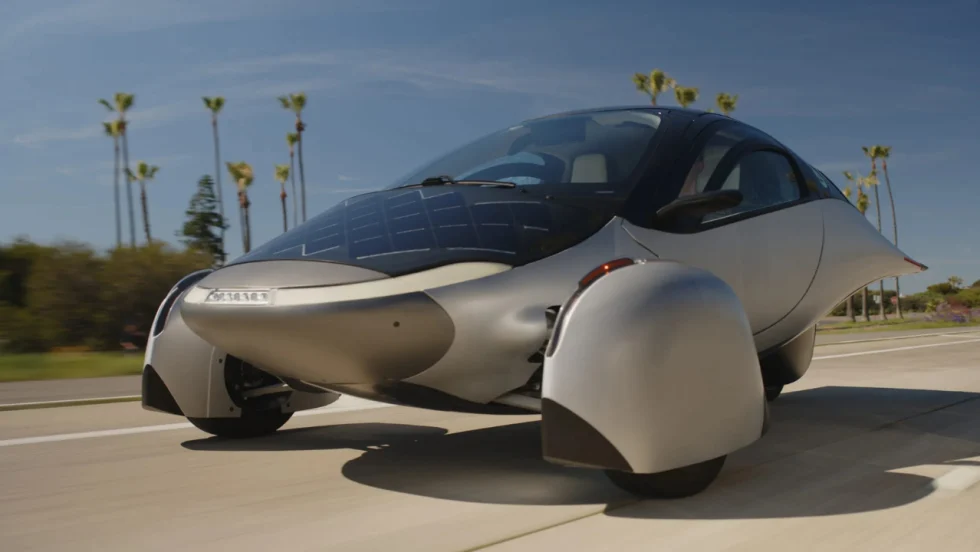
Aptera Orders Bodies and Chassis for Its First 40 Production Vehicles
Aptera Motors Corp. has issued purchase orders for the major structural components of its first 40 vehicles, and body and chassis components are expected to begin arriving in October.
Read More →