


Master the Basics of Alt Fuel Vehicles
When you read a newspaper or website, you’re finding a lot of coverage of battery-powered cars, which for now are the heart and soul of the green car movement. Sometimes it gets a bit confusing for readers to sift through the acronyms. Here’s a simple guide to breaking electrics into three categories.
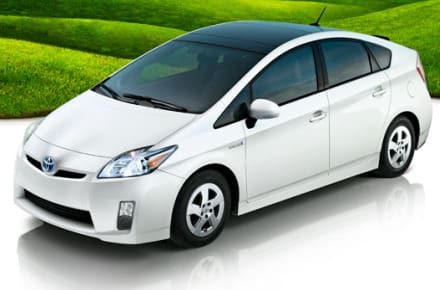
LONG BEACH, Calif. — Most of the battery-powered cars on the road today are gas-electric hybrids, usually just called hybrids (think Prius). These are officially called HEVs — hybrid electric vehicles. Toyota has sold more than a million of them in the U.S. so far, and is competing with Honda to dominate the global hybrid market.
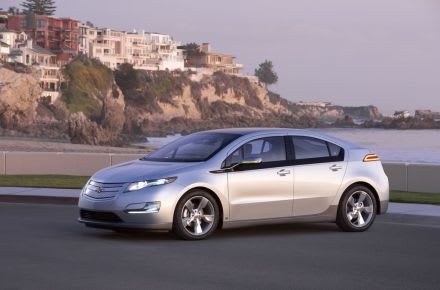
The electrics getting the most attention this year are plug-ins. The up and coming plug-in hybrid electric vehicles (PHEVs) are being pushed forward by the Obama administration, by General Motors through the upcoming Chevy Volt, and are the focus of at least two industry conferences this year (one of them, Plug-in 2009, is coming up in August at the Long Beach Convention Center).
Plug-ins, like HEVs, have onboard internal combustion engines that charge batteries or otherwise provide electricity to electric motors. What makes a PHEV different from an HEV is its ability to charge the batteries by plugging the vehicle into grid-provided electricity. This can mean plugging into electricity outlets at your house, work, parking lot, fuel station, etc. PHEVs have the capacity to be even more fuel efficient than an HEV.
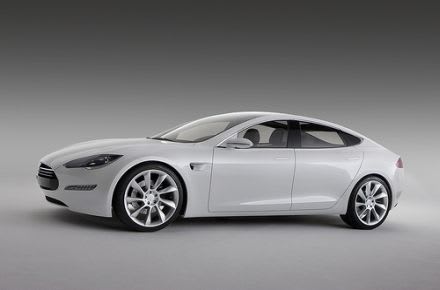
And finally there's the EV, electric vehicle, sometimes called a BEV, or battery electric vehicle. An EV must be plugged in to obtain energy to drive the vehicle and has a range limited by the battery pack. The historic reference point always goes back to GM's EV1, which started and failed in the late 1990s. Today, there are several specialty OEMs making electrics (think Tesla, Miles Electric Vehicles, and ZAP Electric Cars).
So that's it. It's good to have these categories simplified. There's a lot of content focused these days on electric cars, and it appears to becoming the foundation of green cars in the world. There are others to keep your eyes on - vehicles powered by biofuels/flex fuels, compressed natural gas, propane, and hydrogen fuel cells, in particular. But hybrids, plug-ins, and pure electrics are the focal point right now.
Jon LeSage is chief creative officer of LeSage Communications, based in Long Beach, Calif., and provides research and editorial content on green cars and transportation trends. He can be reached at jon@lesagecommunications.com.
More Suppliers

Slate Debuts Colorful, Unique EV Models
A recent media and client event, studded with electric vehicles dressed up on platforms, planted a new position for the manufacturer in the wider EV market. Fleets will find cost-saving advantages.
Read More →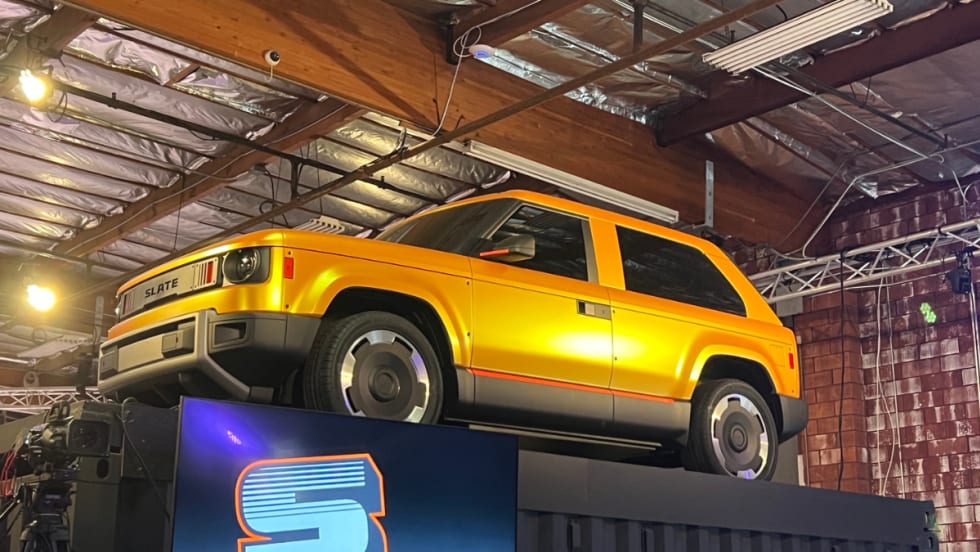
Slate Electric SUV, Pickup Switchable Model Aims For Light-Duty Fleets
Everything about this EV is counterintuitive and understated, making it stand out from the crowd.
Read More →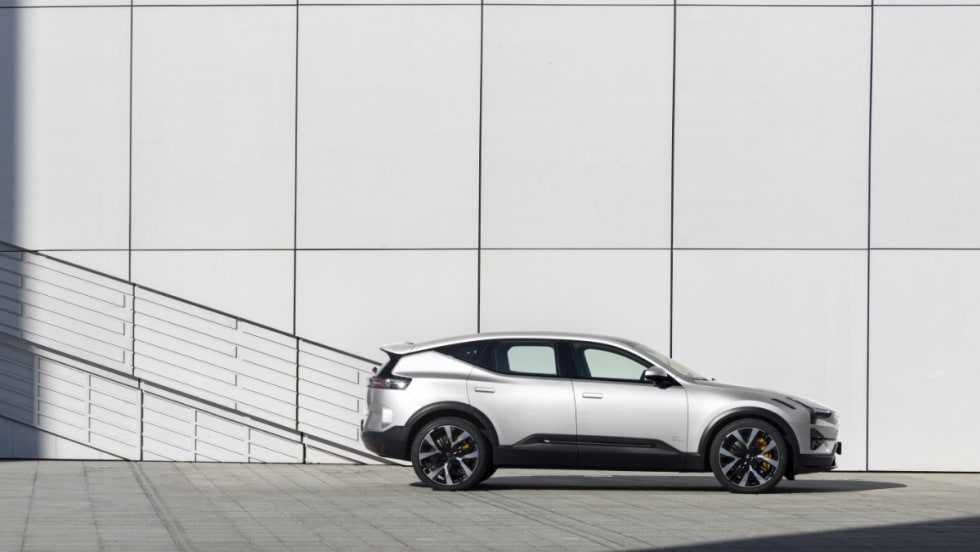
Polestar Barred from U.S. Market Under Connected Vehicle Rule
The automaker loses its authorization to sell new vehicles in the U.S., starting with the 2027 model year. Polestar owners will retain access to the brand's service network.
Read More →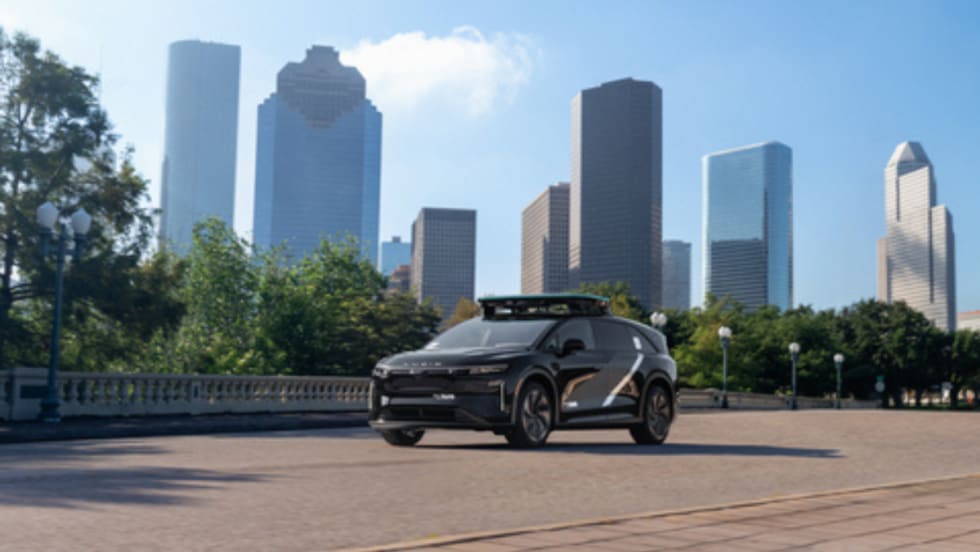
Uber, Nuro and Lucid Plan Houston Robotaxi Service in 2027
The tripartite venture brings out the combined advantages of electric vehicles, mobility, and autonomy into ground transportation.
Read More →
Electrify America Opens EV Fast Charging Station in Southern California
The large-format depot features 20 hyper-fast chargers capable of delivering 350 kilowatts and is backed by a powerful battery energy storage system.
Read More →
Inspiration Mobility Acquires Key Electrada Assets
Inspiration Mobility Group has acquired select assets of Electrada, adding the fleet electrification provider's team, technology, and charging infrastructure development capabilities to its energy management business.
Read More →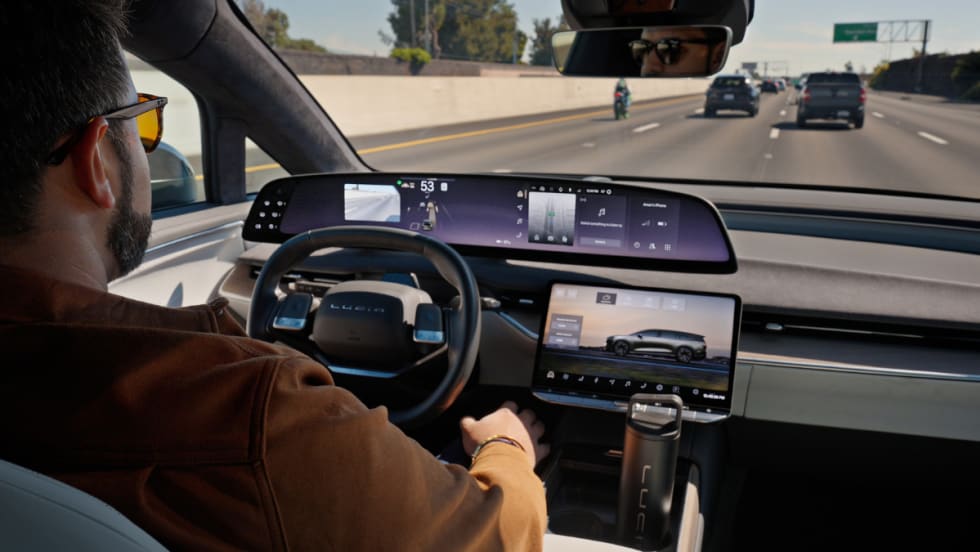
Lucid Adds Hands-Free Highway Driving, Software Updates To Gravity SUV
Hands-free drive assist makes highway driving more comfortable while keeping drivers attentive to the road.
Read More →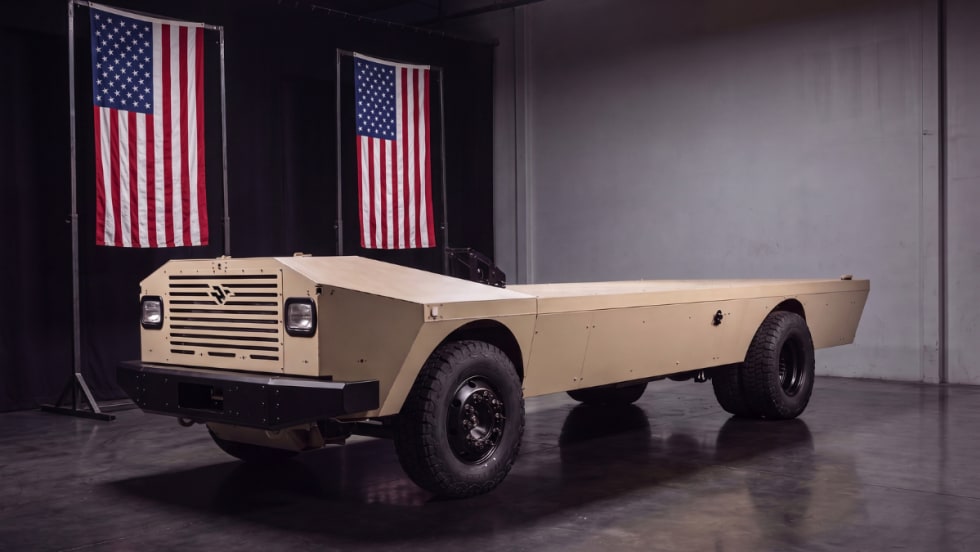
Harbinger Creates Hybrid-Electric Unmanned Vehicle Platform for Defense Use
The platform is based on the company's medium-duty plug-in hybrid chassis, which is also used in commercial vehicles.
Read More →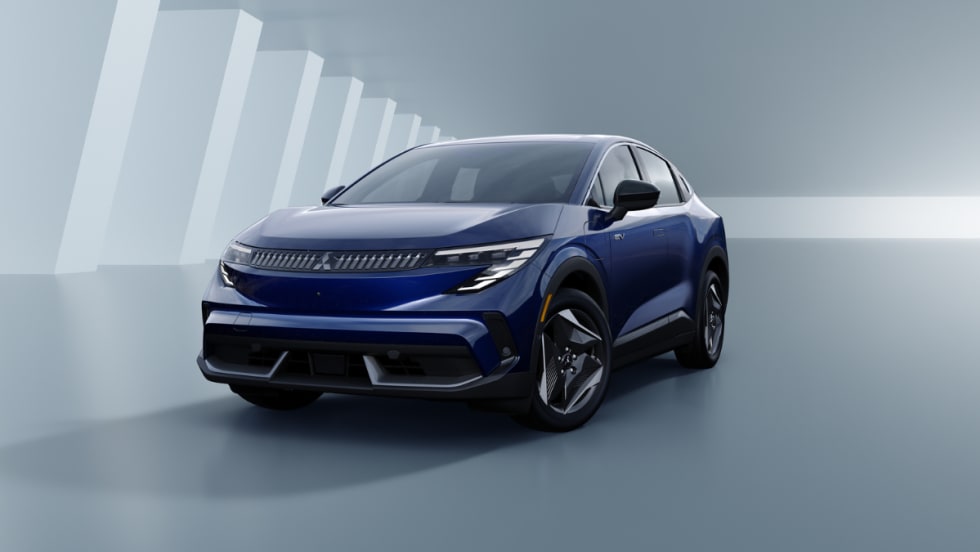
Mitsubishi To Debut All-Electric Eclipse Subcompact For North American Market
The 2027 Mitsubishi Eclipse Sportback is a small SUV that will go on sale by this fall.
Read More →
Stellantis To Build Smaller, Affordable EVs For European Market
Stellantis aims to expand access to urban EV mobility in Europe and address the decline in the smaller-vehicle segment.
Read More →