



Related: Nissan and Wayve Plan to Integrate Next-Gen ProPILOT Series
2027 Nissan Rogue Hybrid e‑POWER's Technology Explained
Nissan's hybrid powertrain with dual-motor all-wheel drive adds refinement and updated driving characteristics in the Rogue.
April 9, 2026
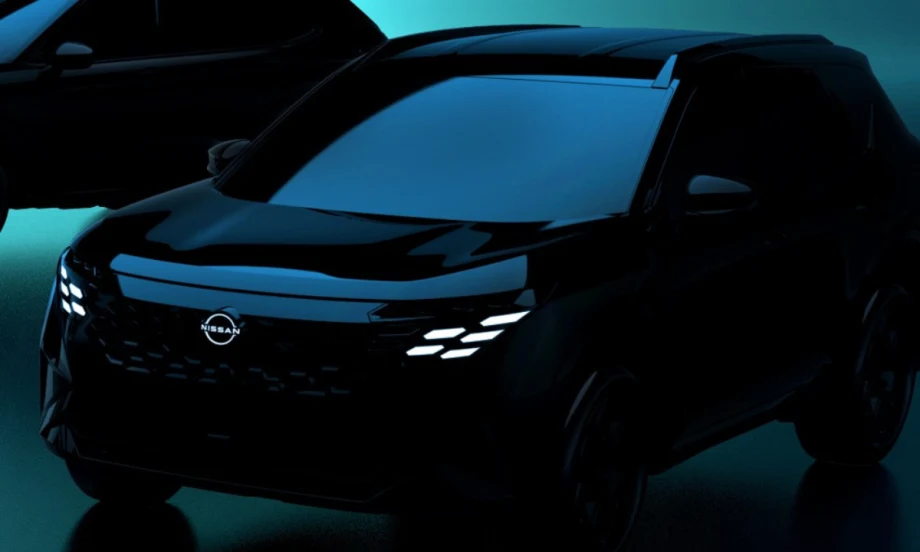
Nissan previews its 2027 Rogue Hybrid e-POWER, introducing a next-generation series hybrid system with electric-motor-driven performance, standard dual-motor AWD, and no need for plug-in charging.
Credit: Automotive Fleet
4 min to read
The next chapter of Nissan's electrification story begins this year, as the all-new 2027 Rogue Hybrid e-POWER (expected to be available late 2026) delivers reduced drivetrain transitions at low speeds, responsive acceleration, and all-wheel-drive capability designed for varying road conditions.
Overview of Nissan e-POWER
While most hybrid-electric vehicles in the U.S. use a parallel hybrid system, Nissan e-POWER is a next-generation series hybrid. That means two electric motors power the wheels, delivering torque and enabling electric-motor-driven acceleration without gear shifts. Meanwhile, a gasoline engine serves as a generator for the battery and motors, providing the convenience customers associate with internal-combustion vehicles. Drivers refuel just like a typical gas-powered car – there is no plug.
In city and suburban driving, the gasoline engine runs infrequently because speeds are lower and battery demand is modest. On highways or under heavy load, the engine runs more often to maintain battery charge and supply sustained electrical power. The lithium-ion battery stores energy captured through regenerative braking and from the engine, which is connected to a generator instead of a transmission.
The third-generation hybrid system in the all-new Rogue, tuned for the North American market, is designed for urban, suburban, and highway driving conditions.
"Rogue Hybrid e-POWER will introduce updates to refinement and performance," said Ponz Pandikuthira, senior vice president, Chief Product & Planning Officer, Nissan Americas. "It blends the efficiency of a hybrid with the convenience of gas and the instant power delivery of an electric motor."
The 2027 Rogue Hybrid e-POWER is a hybrid system that differs from traditional parallel hybrid designs. However, the first Nissan e-POWER vehicle debuted in 2016 on the Nissan Note. In the decade since, nearly 2 million vehicles with e-POWER hybrid technology have been sold in 68 countries.
"Now in its third generation, Nissan's hybrid e-POWER system is technology previously used in multiple global markets," said Christian Spencer, senior manager of Marketability at Nissan Technical Center North America (NTCNA) in Michigan. "The 2027 Rogue Hybrid e-POWER was carefully developed for the North American market, where it will provide drivers with consistent power delivery in urban and highway driving."
Benefits of Nissan e-POWER
The 2027 Rogue Hybrid e-POWER will have several benefits. For example, unlike traditional parallel hybrids, Rogue Hybrid e-POWER has no transmission.
"This provides electric-motor-driven acceleration without gear shifts while eliminating the transition between gasoline and electric power found in some other hybrid powertrains. Plus, because the gasoline engine serves as a generator, it does not require external charging. Rogue Hybrid e-POWER is not a plug-in hybrid – you fill it with gas just like an internal-combustion vehicle," said Kurt Rosolowsky, vehicle evaluation and test engineer at NTCNA.
Another major benefit: Because electric motors drive the wheels directly, drivers can expect reduced noise and vibration during operation.
"The Rogue Hybrid e-POWER will provide torque directly from electric motors," Rosolowsky said. "From the first time you step on the accelerator, the vehicle demonstrates responsive throttle input under acceleration."
Dual-Motor All-Wheel Drive System
Every 2027 Rogue Hybrid e-POWER will come with a dual-motor all-wheel drive (AWD) system as standard. Nissan's setup goes beyond traditional AWD systems with all-wheel control technology delivering controlled vehicle dynamics by precisely managing power and braking at each wheel.
Using dual motors and intelligent brake control, the system continuously calculates the optimal distribution of driving force for turning, accelerating, and slowing down – adapting instantly to driver input and changing road conditions.
During cornering, power is adjusted front-to-rear and side-to-side to maximize grip, adjusting torque distribution to maintain directional stability. When the driver lifts off the accelerator, balanced regenerative braking from both motors can reduce body pitch for flatter deceleration.
In low-grip conditions, the system constantly monitors wheel slip, fine-tuning torque and regenerative braking to help maintain control – even on snow-covered hills – for controlled starts and increased traction through torque distribution and braking control.
"The benefit of electric motors driving all four wheels is increased stability and responsiveness in a variety of conditions. The enhanced body control also keeps the vehicle flatter when braking and accelerating," Pandikuthira explained. "The result is reduced body motion during braking and acceleration."
Nissan's e-Pedal system allows one-pedal driving.
Finally, Nissan will reintroduce e-Pedal4 on the 2027 Rogue Hybrid e-POWER. This enables one-pedal driving in many situations, allowing the driver to use the accelerator pedal to accelerate and decelerate.
"e-Pedal can allow drivers to come all the way to a complete stop without touching the brake," said Rosolowsky. "After the vehicle comes to a complete stop, the hydraulic brake system is automatically activated to keep the car stationary. The system is designed to reduce driver input in stop-and-go traffic.
Availability of the 2027 Nissan Rogue Hybrid e-POWER
The 2027 Nissan Rogue Hybrid e-POWER will be available in the U.S. in late 2026.
"With multiple trims and configurations available, the Rogue will be offered in several configurations," Pandikuthira said.
With technology previously used in global markets, updated performance characteristics, and an alternative hybrid system design, the all-new 2027 Rogue Hybrid e-POWER will represent an additional step in Nissan's electrification strategy.
Originally posted on Automotive Fleet
More Vehicle Research
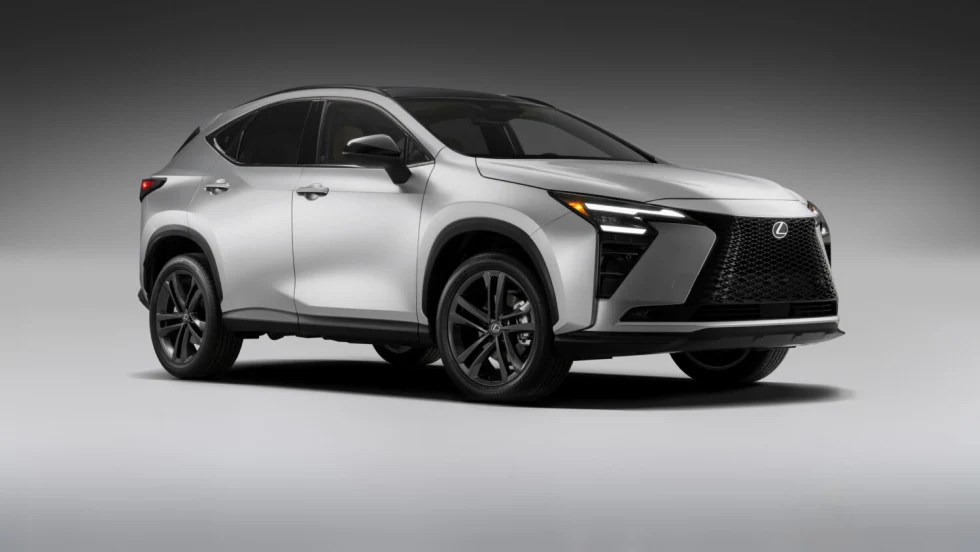
2027 Lexus NX Moves to Fully Electrified Lineup
For 2027, the NX moves to an entirely electrified lineup, with either hybrid or plug-in hybrid powertrains.
Read More →
2027 Mitsubishi Eclipse Sportback Named Green SUV of the Year
Green Car Journal recognized Mitsubishi’s new battery-electric crossover, which offers NACS compatibility and DC fast charging at up to 150 kW.
Read More →
Dave Carroll Named President of Ford Energy
Carroll succeeds Lisa Drake, who will remain with Ford through Dec. 31 to support the leadership transition.
Read More →
City of Long Beach Named No. 1 Green Fleet of 2026
NAFA's 2026 Green Fleet Awards recognized fleets for sustainability efforts spanning alternative fuels, technology, facilities, workplace culture and fleet operations.
Read More →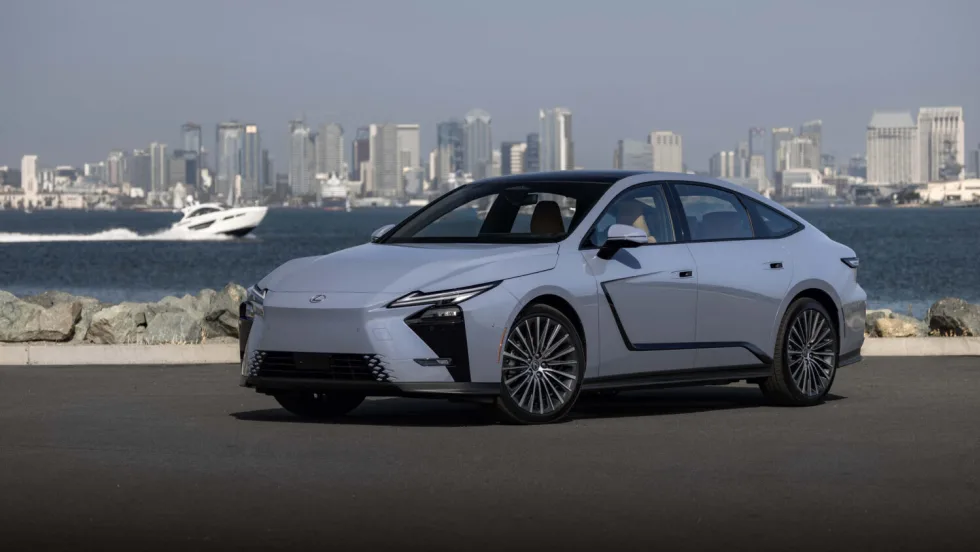
2027 Lexus ES Adds First Battery-Electric Models
The ES 350e and ES 500e join the hybrid ES lineup with up to 338 hp, an EPA-estimated 307 miles of range and standard NACS charging capability.
Read More →
EV Fleet Reality Check: What Operators Wish They Knew Before Electrifying Their Work Vans
Electric work truck upfits bring new compatibility questions. Learn how parts availability, OEM guidance, power demands, and route planning can affect fleet performance.
Read More →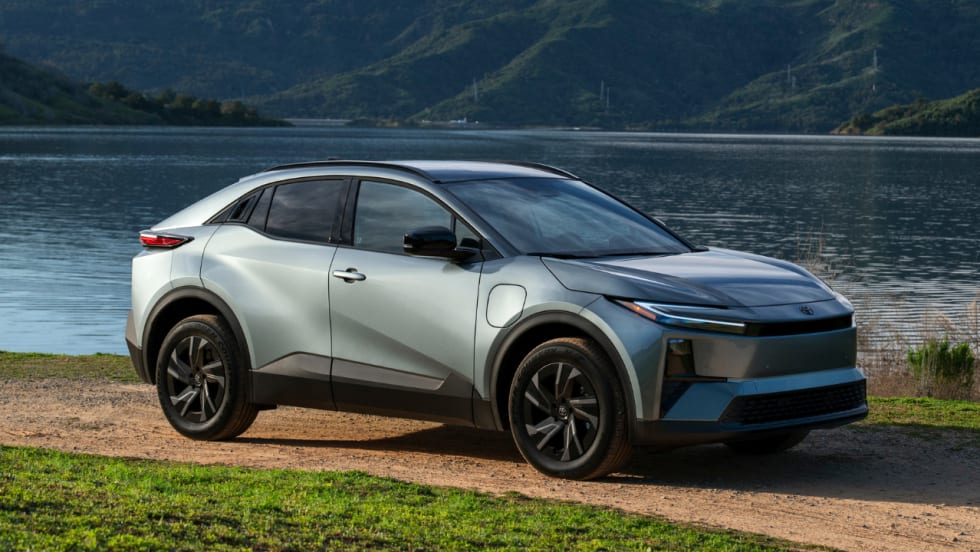
2027 Toyota C-HR Offers 287-Mile Range and Standard AWD
Toyota’s 2027 C-HR brings 287 miles of estimated range, standard all-wheel drive, and NACS fast-charging capability to the compact EV market. See what its mix of performance, cargo space, and everyday technology could offer business users.
Read More →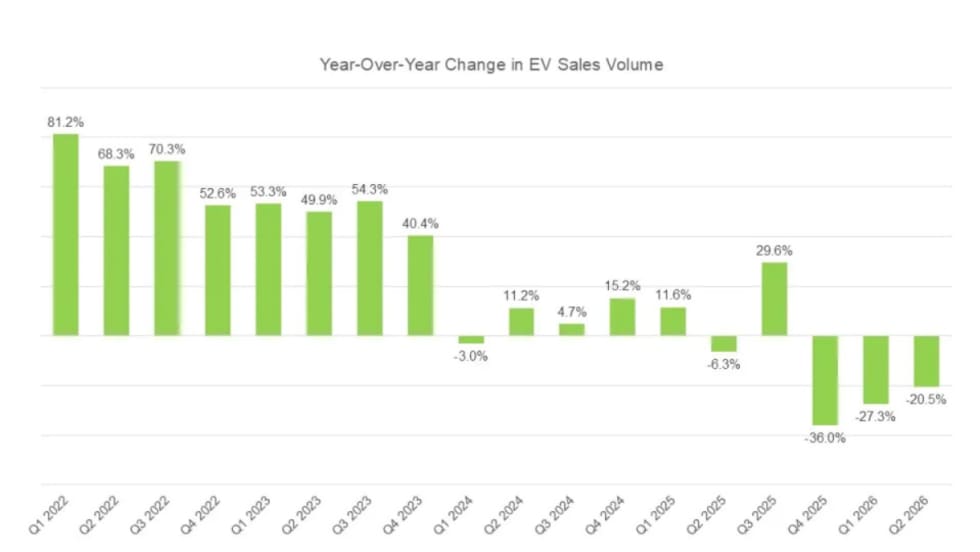
New Vehicle Models Stabilize Electrified Market In Q2
But more credit goes to hybrids than to all-electric vehicles, as more buyers look for fuel-efficient alternatives amid high gas prices.
Read More →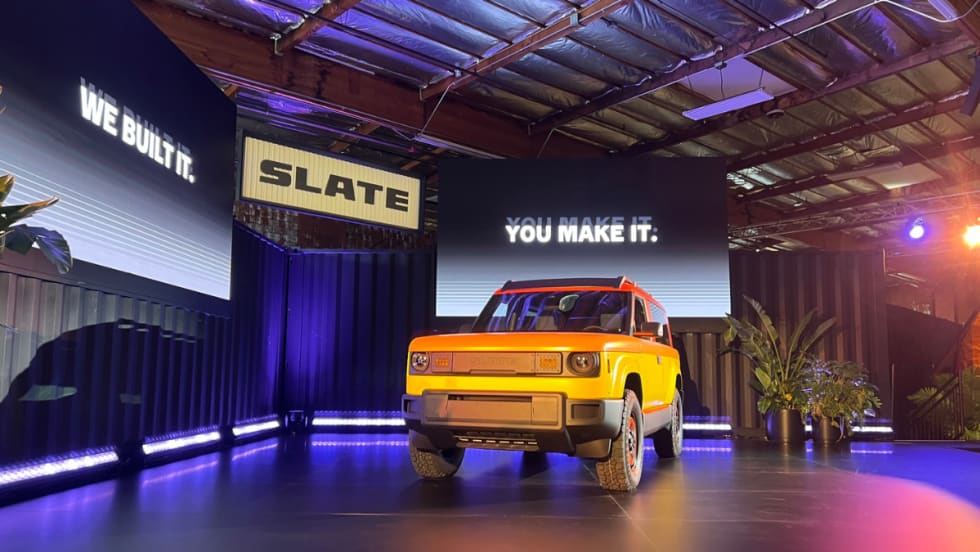
Slate Debuts Colorful, Unique EV Models
A recent media and client event, studded with electric vehicles dressed up on platforms, planted a new position for the manufacturer in the wider EV market. Fleets will find cost-saving advantages.
Read More →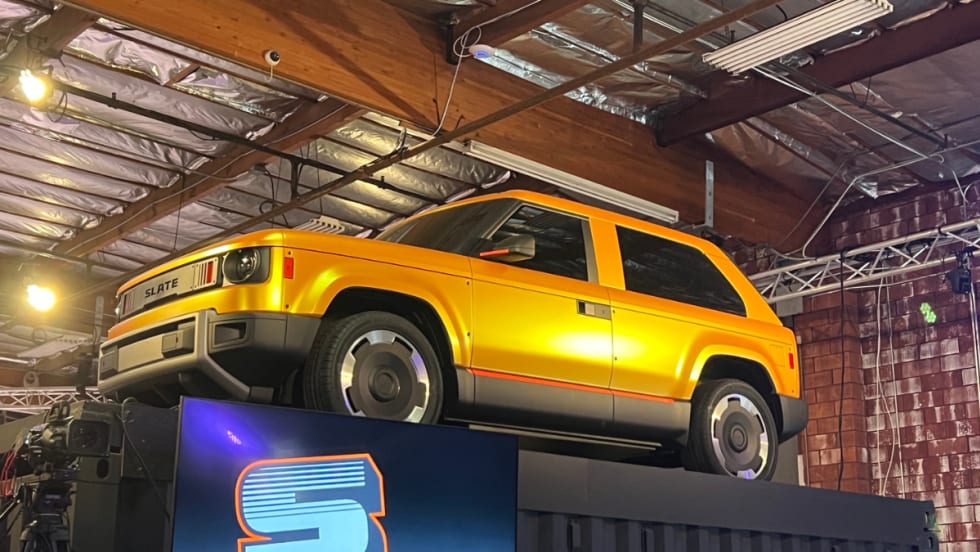
Slate Electric SUV, Pickup Switchable Model Aims For Light-Duty Fleets
Everything about this EV is counterintuitive and understated, making it stand out from the crowd.
Read More →